


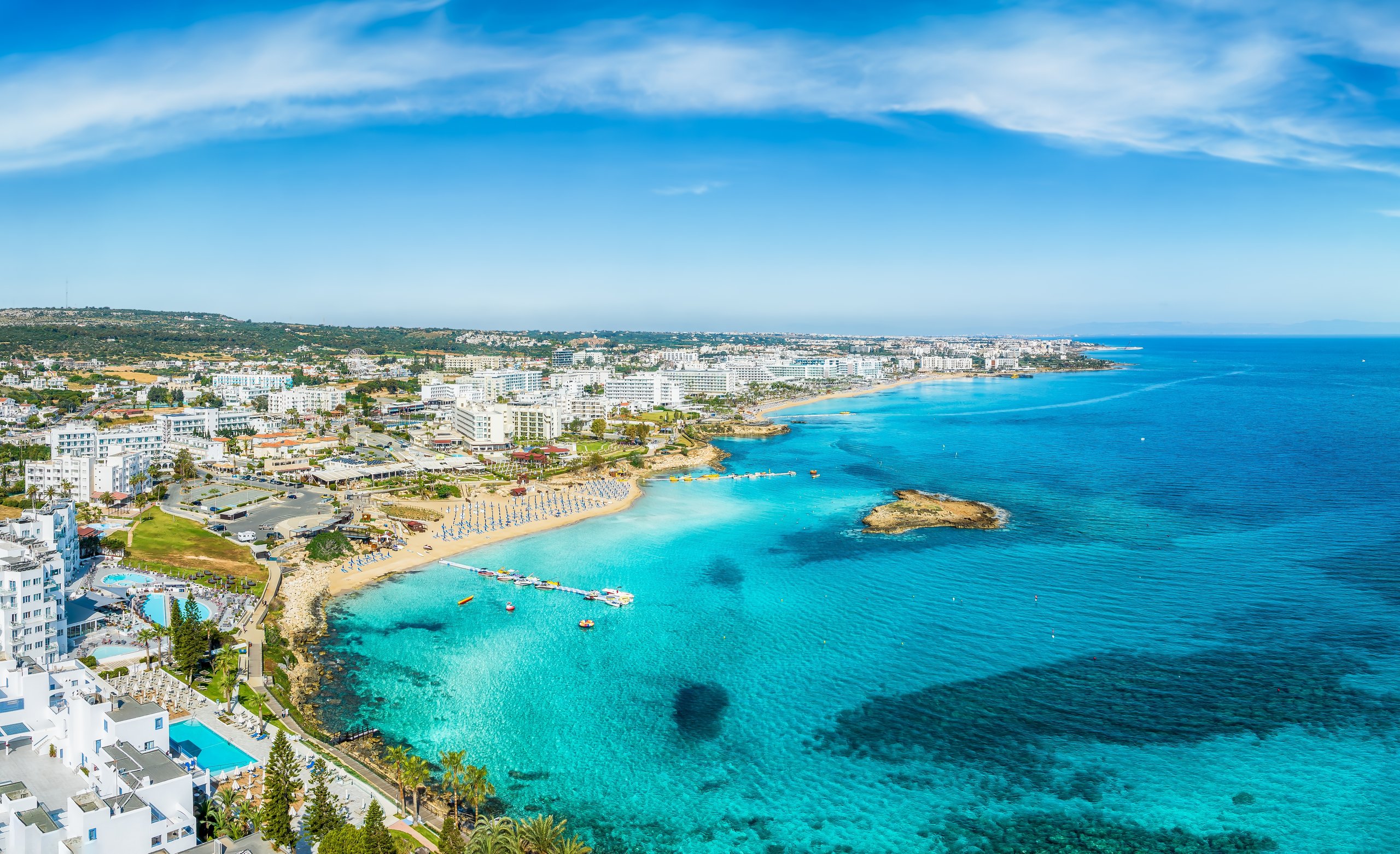

Greece keeps drawing overseas buyers in 2026. The reasons are practical as much as emotional: accessible prices, real regional choice and good flight access. If you’re considering buying property in Greece, this guide pulls the whole journey together. Where to buy, what it costs, the legal steps, taxes, mortgages and managing the place long term.
You’ve probably travelled to Greece for years. You know the quieter winter months and the contrast between island summers and mainland living. What you may not know is how much the rules moved in 2026 – and one tax break closes at the end of December.
Key points: Buying property in Greece is open to overseas buyers, with no foreign-buyer surcharge. Budget around 10% of the purchase price for costs. Transfer tax is 3.09%, and most new builds currently pay that rather than 24% VAT, because the VAT suspension runs to 31 December 2026. Ownership brings no automatic right of residence.
Contents
Why buying property in Greece still makes sense in 2026

Free Greece Buying Guide
Buy in Greece with more confidence
Get practical guidance on the buying process, costs and common pitfalls.
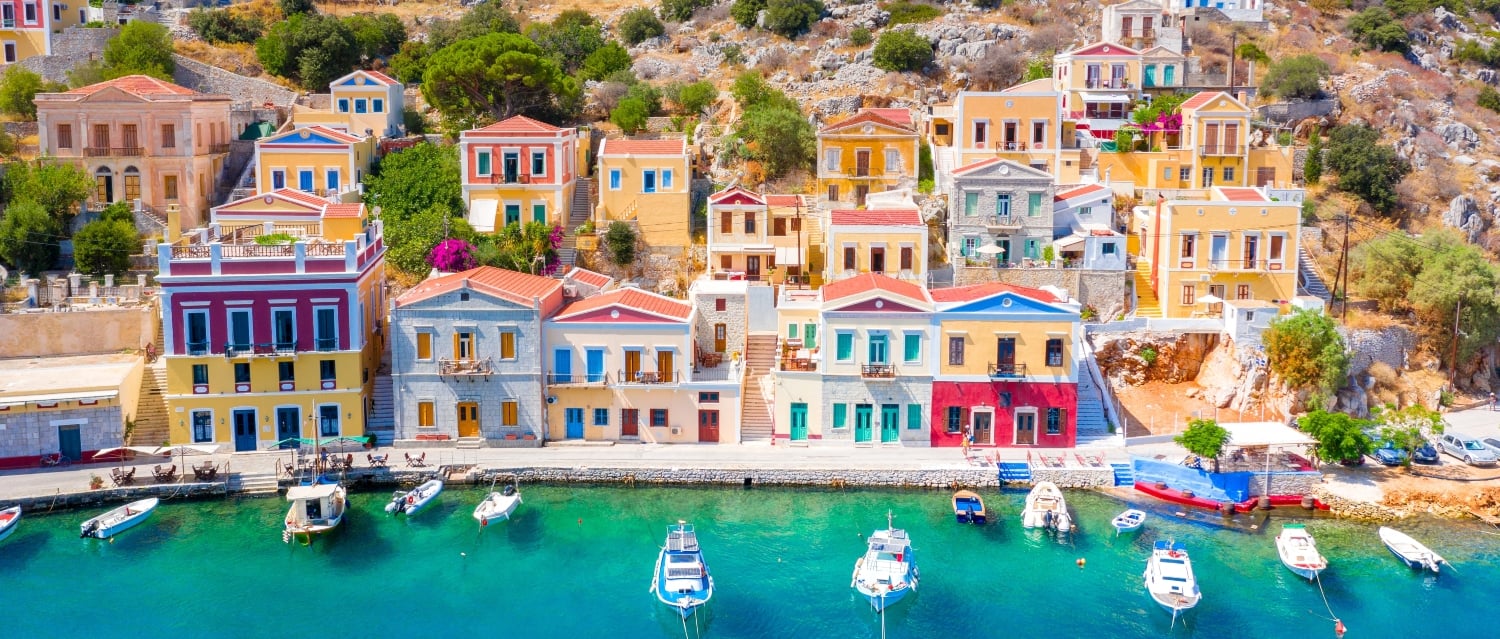
Download the guide →Greece offers far more than scenery. With more than 6,000 islands and islets, over 200 of them inhabited, you have real choice across both mainland and island settings. Around 80% of the mainland is mountainous, which creates sharp contrasts. City living in Athens, vineyard estates in the Peloponnese, harbour towns in the Ionian and whitewashed homes in the Cyclades.
From an investment perspective, average rental returns typically run between 2.5% and 4.5% a year. Prices remain competitive against other Mediterranean markets. Indicative urban figures sit at around €2,400 per square metre (about £2,090) in central Athens. Better-value parts of the North Aegean run closer to €1,000 (£870).
The key in 2026 is clarity. Residency rules, rental regulations and golden visa thresholds have all moved, but foreign buyers can absolutely purchase property in Greece. The process is structured, just different from the UK.
Step one – decide where and what you want
From city apartments in Athens to hillside villas in the Cyclades, how you plan to use the property should shape where to buy in Greece.
On the mainland, Athens and the Athens Riviera offer year-round infrastructure and international access. The Peloponnese delivers space and better value per square metre.
The Ionian islands such as Corfu and Kefalonia appeal to buyers who want greener landscapes and established international communities.
The Cyclades, including Mykonos and Santorini, command premium prices but strong rental demand.
Crete offers scale, airports and a wide spread of price points across Chania, Heraklion and rural villages.
Then comes property type. Greece’s housing stock is wide. White cube houses in the Cyclades start around €290,000 (£252,000), village houses from roughly €70,000 (£61,000) and countryside villas from around €300,000 (£261,000).
Your choice should reflect how you’ll use the property: holiday home, rental investment, retirement base or full relocation.
Once you’ve narrowed down a region and property type, it’s worth speaking with an estate agent who works with overseas buyers and can give you an honest view of pricing and demand on the ground.
A dedicated viewing trip matters just as much. Walk the neighbourhood at different times of day. Test the local infrastructure. It tells you far more than photographs will.
Understanding the true costs
As a rule of thumb, budget around 10% of the purchase price for buying costs.
Here’s an overview of the taxes and fees to expect:
| Cost type | Typical rate | Applies to |
|---|---|---|
| Transfer tax | 3.09% | Resale properties, and new builds under the VAT suspension |
| VAT | 24%, currently suspended to 31 December 2026 | New builds where the developer has not opted into the suspension |
| Notary fees | Around 1% to 2%, plus VAT on the fee | All purchases |
| Legal fees | Around 1%, plus VAT on the fee | All purchases |
| Land registry | Around 0.5% | All purchases |
The VAT line is the one worth reading twice. New builds technically attract 24% VAT, but Greece has suspended it, and Law 5246/2025 extended that suspension to 31 December 2026. Where a developer opts in, you pay the 3.09% transfer tax instead. On a €400,000 (£348,000) new build that’s a difference of roughly €84,000.
Opting in is the developer’s choice, not yours, and it’s made project by project. So ask which regime applies before you sign anything, and get your lawyer to confirm it in writing.
Once you own, you’ll pay annual ENFIA property tax plus TAP municipal duty. Capital gains tax on property sales by individuals also remains suspended for 2026.
Rental income tax bands changed on 1 January 2026. A new 25% band now sits between 15% and 35%. Our guide to buying property in Greece as a foreigner sets out the full scale.
You’ll also want a plan for managing your money in Greece. That matters most if your income is in sterling and your outgoings are in euros.
Currency shouldn’t be an afterthought. Even a small shift in the rate between offer and completion changes your final cost. Fixing your exchange rate early gives you certainty.
Mortgages and financing
Most purchases in Greece are cash. Estimates put the figure at over 75%. However, mortgages are available to overseas buyers, and an experienced Greek mortgage broker can help you secure competitive terms.
Non-resident buyers can usually borrow 60% to 65% of a property’s value, on shorter terms than local borrowers get. Greek citizens may access higher loan-to-value ratios and longer repayment periods, subject to age and income.
Pricing and approval criteria vary a good deal by lender, and wider European interest rate conditions feed into both. Lenders assess non-resident applications conservatively, so early conversations with a specialist broker tell you what’s realistically achievable.
You’ll need:
- A Greek tax number (AFM)
- A Greek bank account
- Proof of income and tax returns
Getting approval in principle before you start making offers strengthens your position.
The legal process explained
Greece’s legal framework is robust, but it differs from the UK.
Many buyers appoint an independent, English-speaking property lawyer. They handle:
- Title searches
- Checks for debts or mortgages
- Planning and zoning compliance
There’s no legal requirement for a full structural survey, though many buyers commission one on older properties for peace of mind.
The final deed (Συμβόλαιο) is signed before a notary, who represents the state and validates the transaction. Ownership transfers once the deed is signed and registered at the Land Registry.
If you can’t attend in person, you can grant power of attorney to your lawyer.
Residency and visas
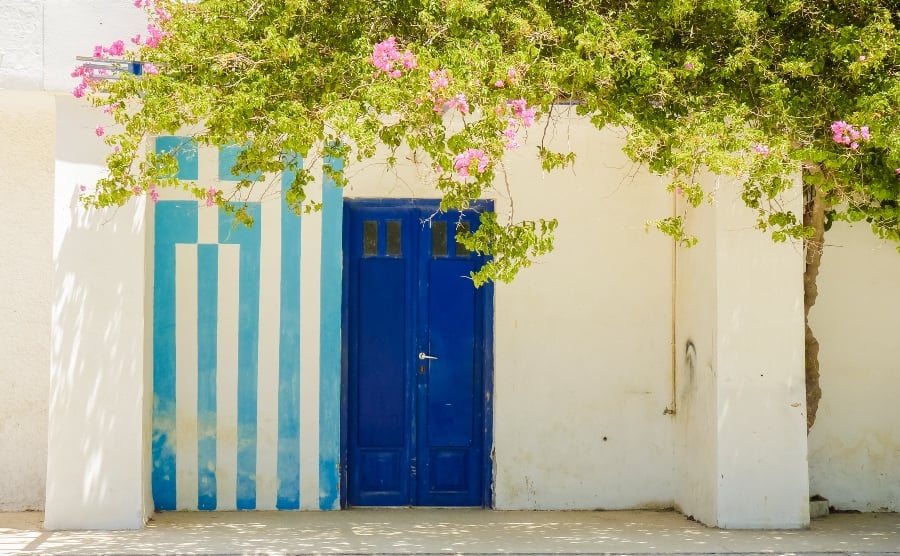
uying property does not automatically grant residency.
EU citizens can live in Greece but register their residence if staying longer than 90 days. Spend more than 183 days in a calendar year in Greece and you’ll generally count as tax resident.
Non-EU nationals are held to 90 days in any 180-day period across the Schengen Area, unless they hold a residency permit.
The golden visa is the main route for non-EU buyers who want longer. Thresholds run at €800,000 (£695,000), €400,000 or €250,000 (£217,000), depending on location and property type. A 120 square metre floor and a single-property rule apply on the two higher tiers. The geography is wider than most summaries suggest. Our guide to buying property in Greece as a foreigner sets out which islands fall into which band. And where to buy to qualify maps it region by region.
Short-term letting is not permitted on a golden visa property. Long leases are still allowed.
After you buy – management and responsibilities
Buying the property is only the beginning. Ongoing management and compliance become part of ownership from the moment you complete.
You must insure the property, especially in seismically active regions.
If renting short-term, you need proper registration and compliance with EOT standards.
If you live abroad, a property manager can handle maintenance, bills and guest turnover.
Budget annually for:
- ENFIA
- Maintenance
- Insurance
- Communal fees where applicable
Buyers who understand the pitfalls of buying property in Greece – currency swings, planning irregularities, unclear title records – cut their risk of expensive surprises considerably.
Before you commit, it’s worth making sure you:
- Define exactly how you plan to use the property
- Research locations with both lifestyle and long-term value in mind
- Budget realistically beyond the headline purchase price
- Confirm the VAT position on any new build in writing
- Protect your position against currency swings early
- Appoint an independent, English-speaking Greek lawyer
- Commission a survey where appropriate
- Understand how residency and tax rules affect your plans
Greece continues to welcome overseas buyers. The system isn’t unstable or unsafe, but it is detailed and procedural. Approach it with clarity, professional support and a long-term view, and it becomes manageable.
Summary
Buying property in Greece in 2026 is achievable for overseas buyers, with no foreign-buyer surcharge. You can choose between mainland cities, established islands and quieter regions, with village houses from around €70,000 and countryside villas from around €300,000. Budget around 10% for costs. Transfer tax is 3.09%, and most new builds pay that rather than 24% VAT while the suspension runs to 31 December 2026. Use an independent lawyer, confirm the VAT position in writing and understand the residency limits before you commit. Preparation turns a detailed process into a confident move.
FAQs about buying property in Greece
Budget around 10% of the purchase price. Transfer tax is 3.09%. Notary fees run around 1% to 2% plus VAT, legal fees around 1% plus VAT and land registry around 0.5%. Agent commission may apply on top. Once you own, ENFIA property tax and TAP municipal duty are annual costs.
Usually not at present. New builds technically attract 24% VAT, but Greece has suspended it and Law 5246/2025 extended the suspension to 31 December 2026. Where the developer opts in, you pay the 3.09% transfer tax instead. Opting in is the developer’s choice and varies by project, so confirm it in writing before signing.
Many buyers find Greece works well, provided you approach it with long-term thinking. Entry prices are comparatively accessible and rental returns typically run between 2.5% and 4.5%. The key is due diligence, realistic budgeting and choosing a location with year-round appeal rather than summer-only demand.
Sources
- Law 5246/2025, extending the suspension of 24% VAT on qualifying new-build residential property to 31 December 2026, and setting the rental income tax bands from 1 January 2026
- Ministry of Migration and Asylum, golden visa programme: https://migration.gov.gr/en/golden-visa/
- Article 100 of Law 5038/2023 (Migration Code), as amended by Law 5100/2024 and Law 5162/2024, on golden visa thresholds and property conditions
- Law 5170/2025, short-term rental safety and operating standards
- AADE (Independent Authority for Public Revenue), short-term rental registry and AMA registration: https://www.aade.gr
- UK government guidance on travel to the Schengen Area: https://www.gov.uk/travel-to-eu-schengen-area
- Kathimerini, on the share of Greek property purchases made in cash: https://www.kathimerini.gr/economy/561866890/me-metrita-i-agora-toy-75-ton-akiniton/