


For many, owning a home in Greece is a dream come true, but managing that property – especially from abroad – requires practical planning, reliable support and a clear understanding of your responsibilities as a homeowner or landlord.
Once you’ve completed your purchase in Greece, the work doesn’t stop there – especially if it’s a second home or holiday let. In this guide, we cover everything you need to know about managing your property from afar, including maintenance, bill payments, rentals and insurance, plus when to call in the professionals.
Still looking for your Greek home? Our guide to buying property in Greece covers the costs, legal steps and decisions to make before you get the keys.
In short: you can manage a Greek property remotely by setting up automatic bill payments, arranging regular maintenance and having a trusted local contact to handle emergencies. If you’re not in Greece year-round, a property manager can check on your home and organise repairs. Owners who rent out their properties must also meet Greek tax, registration, insurance and safety requirements.
Speak to a Greece property expert
Contents
The basics of property management in Greece
Insurance: don’t take risks
If you’re buying with a mortgage, building insurance is usually a requirement. Even if you’re mortgage-free, it’s vital to insure the property against fire, floods, earthquakes and accidental damage – especially in areas like Crete, the Dodecanese or parts of the Peloponnese where seismic activity isn’t uncommon.
Property insurance policies vary, so check exactly what’s covered before signing up. Buildings insurance, contents insurance, earthquake protection and public liability cover may be included or offered separately.
If you plan to rent your property to holidaymakers, there are additional requirements. Since 1 October 2025, properties offered as short-term rentals in Greece must have civil liability insurance covering damage or accidents. You should also ask your insurer about accidental damage, damage caused by guests and loss of rental income. Your letting agent or insurance broker can help you find the right policy.
Maintenance: prevention is better than repairs
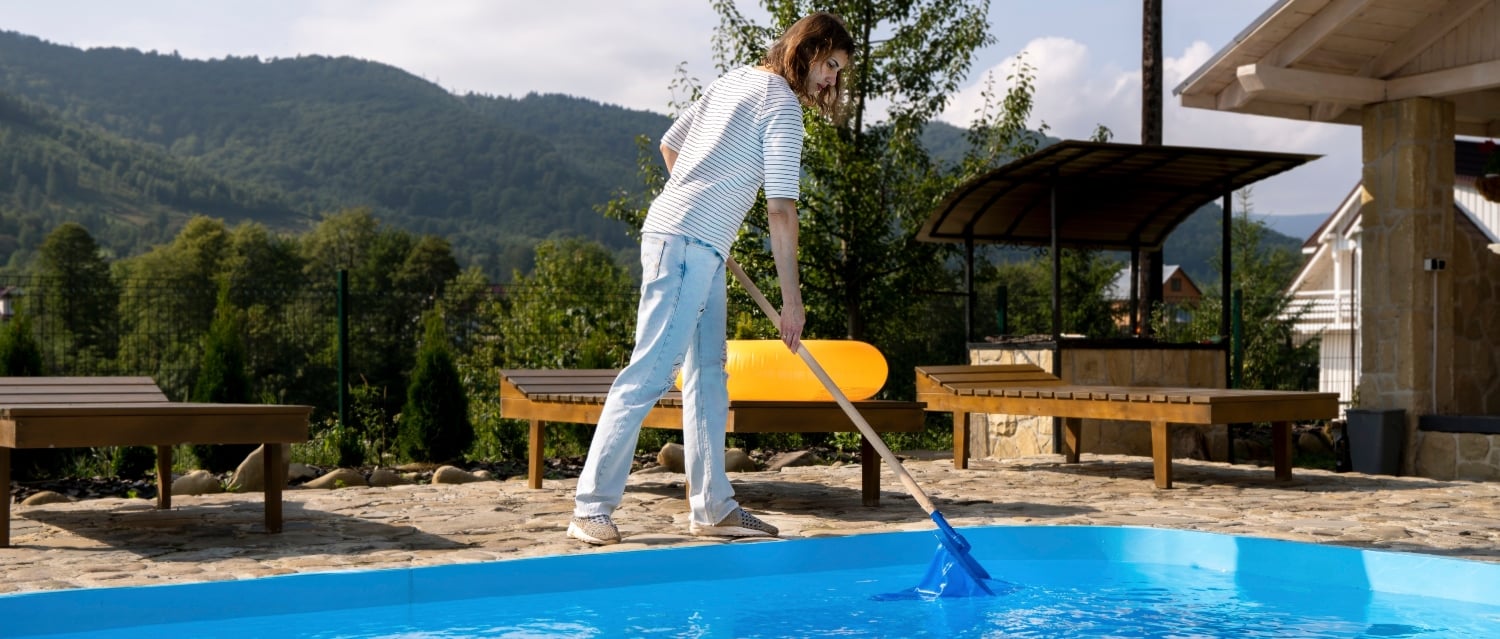
Greece’s sunny climate and sea air might seem idyllic, but they can be hard on buildings. Saltwater corrosion, dust, extreme heat and sudden downpours can all cause wear and tear. Whether your home is a stone village house or a modern villa with a pool, regular upkeep is essential – and even more so if the property is empty for long periods.
If you plan to rent out your property, you’ll also need to meet Greece’s short-term rental regulations. Since October 2025, holiday lets must meet minimum safety standards, including working smoke detectors, fire extinguishers, appropriate electrical safety measures and a first-aid kit. Properties must also have natural light, ventilation, air conditioning and the required pest control certification.
Most ordinary short-term rentals must be registered with the Greek tax authority (AADE), rather than obtaining a separate tourism licence. If your property has a swimming pool, check the applicable safety requirements with a local professional, as these can depend on the type of accommodation and how it’s operated.

Paying bills from abroad
Electricity…water…rubbish tax…ENFIA (Greek property tax)… the list of bills continues even when your house sits empty. Overdue payments can result in cut services, fines and legal headaches.
To avoid surprises, many international owners set up automatic euro payments using a Regular Payments Plan (RPP) through a currency specialist like Smart Currency Exchange. You can also fix the exchange rate for up to a year, shielding your budget from currency swings.
Getting on with neighbours
A tidy home makes for happy neighbours – and being considerate goes a long way in Greek communities. An overgrown garden, dried-out plants or bins left out too long will not win you favour, and if your guests are noisy or disrespectful, it could damage your local relationships.
Ideally, keep your garden maintained, prune back overhanging trees and ensure rented properties come with clear guest rules. Getting to know your neighbours can also be a lifeline in emergencies – they may even be willing to pop round and check on your home after a storm.
Hiring a property manager
If you’re not based in Greece full-time, a property manager will save you time, money and stress. There are several types to choose from:
- General caretakers: often neighbours, retired expats or local handymen who visit weekly and check on the home.
- Full-service property managers: professionals or agencies who manage everything from repairs and insurance renewals to taxes and guest bookings.
- Rental-focused agents: specialists in short-term lets who handle guest turnover, linen, cleaning and online listings.
PROPERTY MANAGEMENT IN GREECE
Who’s looking after your Greek home while you’re away?
If you own a holiday home in Athens or Attica, Home Watch Athens can check on your property each month, send you photo updates and help arrange maintenance when needed.
Find out more →How much do property managers charge?
The cost depends on where your property is, how often it’s occupied and how much help you need.
For short-term holiday lets, some Greek property management companies advertise fees of around 15–25% of rental income, although more comprehensive services can cost more. Cleaning, laundry, maintenance and booking platform charges may be additional.
If you’re renting to long-term tenants, agents may charge a one-off letting fee, an ongoing management fee or a combination of the two.
For a second home that isn’t rented out, a local caretaker may offer regular inspections, keyholding and maintenance visits for a monthly fee.
Always ask for a detailed breakdown of what’s included before agreeing to a contract, particularly if you need someone to manage the property while you’re in the UK.
Handling issues from afar
Even with great planning, things can go wrong. A burst pipe, power cut or break-in needs urgent attention – which is difficult if you’re in another country. Here’s how to prepare:
- Give your property manager or neighbour a spare key and clear written authority to act on your behalf
- Store important documents digitally, including insurance policies and Greek tax IDs (AFM)
- Have a Greek-speaking emergency contact to liaise with local tradespeople or police
- Check if your insurance covers emergency callouts or alternative accommodation for guests
During Greece’s hot summers, fires are also a risk. Be proactive about fire safety – cut back vegetation, fit smoke detectors and have a clear guest policy for BBQs and candles.
Thinking about moving or buying abroad? Start here
Spend one online day getting practical answers on property, visas, tax, finance and the next steps in your overseas plans.
- 35+ live seminars
- Speak to industry experts
- 30 days of on-demand access
Join at any point during the day.
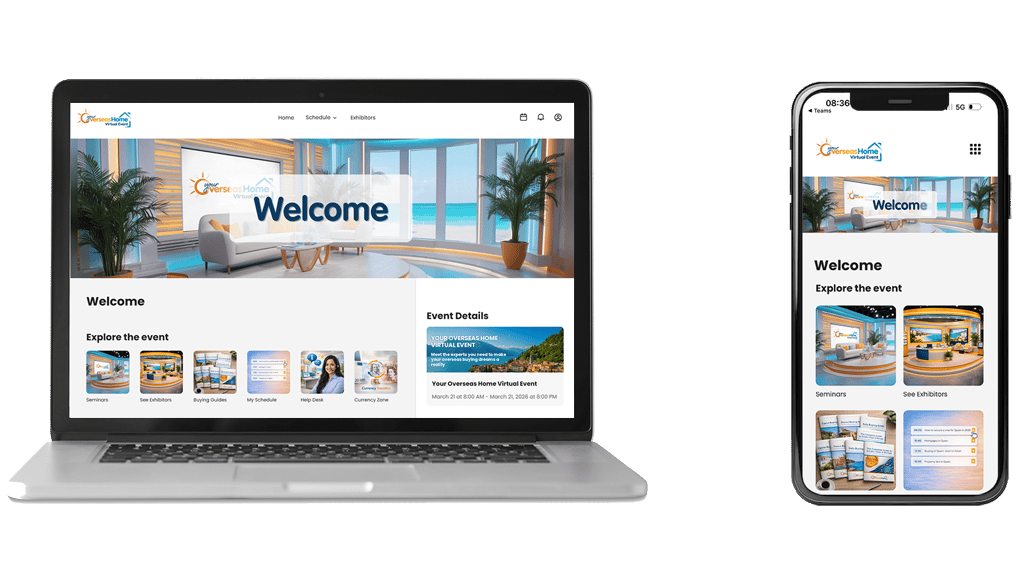
Get practical answers before you buy or move abroad
Explore upcoming expert-led sessions on property, finance, tax, legal issues, visas and relocation.
Essential property management tips
- Work with trusted professionals: a local lawyer, accountant and property manager can handle compliance, taxes and emergencies
- Check your rental obligations: If you're offering short-term holiday lets, make sure your property is correctly registered with AADE and meets the latest safety and insurance requirements. Depending on the services you provide, additional tourism regulations may apply.
- Adapt to the climate: salt, storms and heatwaves are common – check for cracked roof tiles, blocked drains and sun damage
- Plan your visits: arrive to a well-aired, clean property by coordinating with your caretaker in advance
- Review your costs annually: prices for services, taxes and insurance can shift – adjust your budget accordingly
Ultimately, managing your Greek home remotely is about organisation and delegation. With the right local help and systems in place, you can focus on the lifestyle, not the logistics – and enjoy the peace of mind that your investment is in good hands.
Frequently asked questions
Start with a clear plan. Keep a maintenance calendar for seasonal jobs, set reminders for bills and insurance and put aside an emergency fund with your caretaker or manager. If you let your home, document inventories, house rules and service intervals. Automate payments where you can to avoid missed bills and use a currency specialist to protect your budget from exchange rate swings.
Landlords in Greece must declare rental income, meet applicable property safety requirements and pay relevant taxes, including the annual ENFIA property tax.
For long-term rentals, tenancy details must generally be declared to the Greek tax authority. For short-term holiday lets, owners must normally register the property with AADE, obtain a property registration number (AMA) and display it on their listings. They must also submit the required short-term stay declarations and meet the safety standards introduced in October 2025.
If you offer additional services beyond accommodation, different tax and tourism rules may apply. A local accountant or lawyer can help you understand your responsibilities.
Yes, if you’re organised and have reliable local contacts. Many owners self-manage by arranging cleaning and maintenance teams, installing remote systems like smart locks and leaving a spare key with a neighbour. If you can’t respond quickly to issues such as leaks or guest problems, hiring a caretaker or full-service manager is usually the better choice.
You might also like: