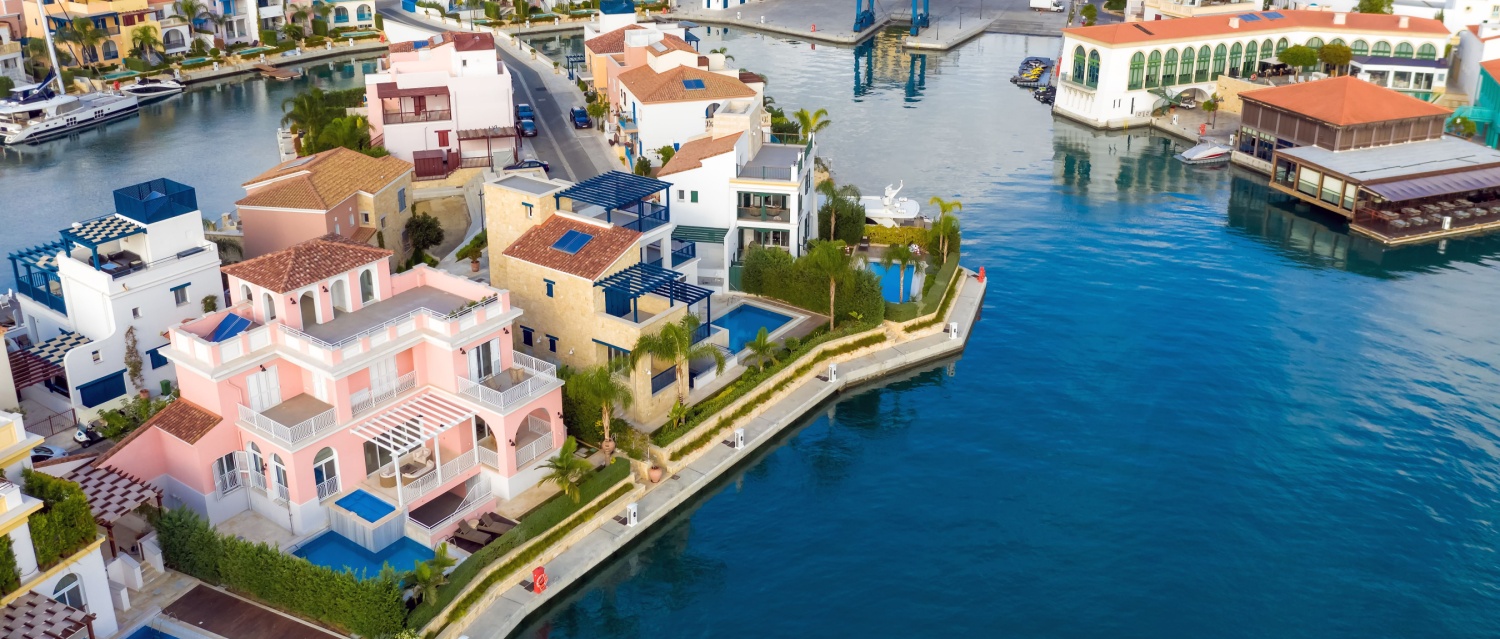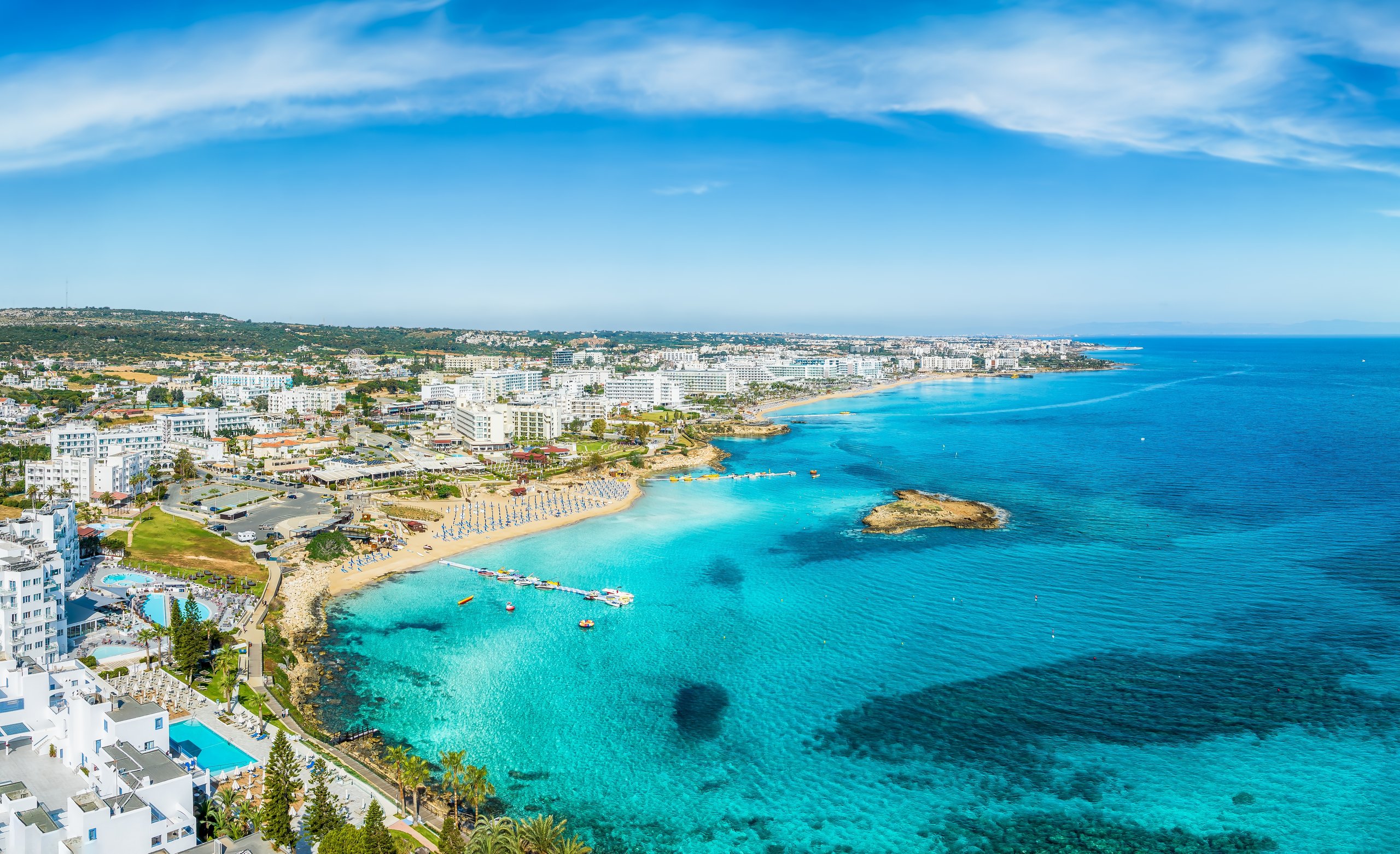





Deciding to protect yourself and your overseas home with insurance is vital, and choosing the right insurer and most appropriate policy demands careful consideration.
A holiday home doesn’t get used the same way as a primary residence. As owners, you might only visit a few weeks of the year, leaving it empty or letting it to paying holidaymakers the rest of the time.
The local climate can also affect the property’s condition and make it vulnerable. And there is always the danger of accidental damage or home emergencies, not forgetting personal injury to people staying there.
A comprehensive policy will safeguard you against these types of incidents and mean you’ll be compensated for damage or financial loss. It can also give you protection against third-party claims. For overseas owners who live a flight away from their property, insurance is especially important and brings peace of mind.
Picking your holiday home insurer
Using a local insurer
Starting with the insurer, you could use a provider local to the property. You might, for example, be offered cover by your bank or be recommended a local company by a property agency.
While your premium might be attractively low, usually the documentation and administration with this option will be in the local language, including the small print. If you are not a fluent speaker, this will complicate the process. You need to be sure you understand the policy and are confident the language barrier won’t cause problems.
Using a specialist holiday home insurer
Alternatively, many people prefer to use an English-speaking provider that specialises in the second home and overseas market. Companies that are based in the UK, have support and claims teams that are experienced at helping owners of overseas property.
They will assess your property and individual circumstances and tailor an insurance package for you. To help you choose one, read reviews, research track records and check accreditations (FCA regulated). And be sure they offer cover in the relevant country.
Contact Your Overseas Home’s specialist insurance partner
Illustrative case study #1 – wildfires across Greece
When wildfires spread across Greece, many homes were damaged by fire. Owners of holiday lets made successful claims through their insurance cover for repairs and loss of rental income.
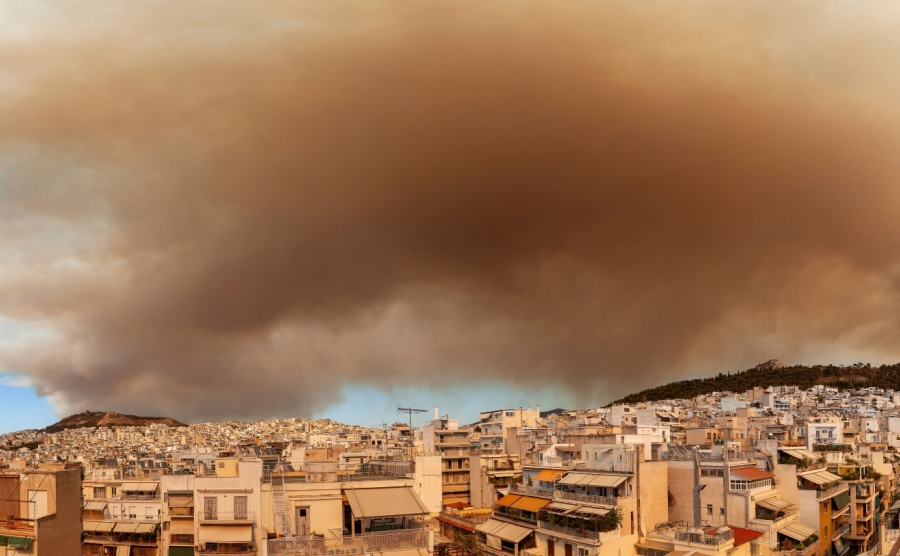
Some properties whilst being engulfed in flames were stopped from being a total loss by firefighters but did sustain damage by embers and the intense heat. Those owners that were in the UK at the time and were aware of damage to their property could use their insurance cover to claim for urgent flights out. Where they couldn’t do that, they could call upon local assistance from neighbours or management companies to help deal with the situation in their absence.
Claims were dealt with by loss adjustors and could include damage to roof tiles, roof timbers and wall render, destruction of outbuildings and vegetation, extensive smoke and soot contamination inside. Losses were paid on receipt of contractors’ invoices.
Boshers advise that for valid fire damage protection, you’ll be required to disclose the property’s location type, as well as its proximity to gorse/ forests, and accessibility to fire services (including speed of response) and water for seaplanes.
What to include in your policy
Buildings insurance is the starting point of any holiday home policy. This will be obligatory if you have a mortgage anyway. As well as the main residence, check that outbuildings and any features, such as a summer kitchen, pool or hot tub, are included.
Why location matters
The type of location and whether the property’s local area is prone to natural disasters will need to be disclosed. Typically, policies will cover the rebuild cost and any damage caused by fires, floods, storms, avalanche, smoke, vandalism and oil and water leaks.
Don’t forget contents insurance
It is important to accurately list your contents as this will protect you from the damage, destruction or theft of belongings inside the property. These include personal items, furniture, appliances, furnishing and fittings.
What extra cover do I need for holiday lets?
You might not need much more than buildings and contents insurance if you are sure you won’t do holiday rentals. Otherwise, insurers tend to offer a comprehensive product that provides the key bits of extra cover required when you let to holidaymakers. So what are the key features required for holiday rentals?
Safeguard your property and belongings
Unfortunately, paying guests do not always respect your property. Items may get damaged or stolen, making it worthwhile to ensure you are covered in these circumstances.
Cover against being sued
First and most important is public liability cover. This covers you if a guest or third-party makes a personal injury claim against you. This can be extended to employee liability, applicable when someone gets injured while working at your property.
Protect your rentals and bookings
If your property generates an income, you can protect this by loss of rental income cover. This will reimburse you if you are forced to cancel bookings due to an incident covered by your policy. Similarly, alternative accommodation cover caters for the event guests have to vacate the property.
Other types of cover
Insurers try to cater for every type of scenario associated with a holiday home. Many will offer cover for emergency flights and accommodation. This would apply if you had to visit your property suddenly following an incident that led to you making a claim.
If you allow guests to bring pets, insurers often offer the option of including damage caused by their furry friends.
Understanding limitations and excesses
The type of property, its features, age, condition and location will all affect the range of covers available and total cost of your insurance premium. Be prepared for stricter policies and possibly to pay more for a property in a recognised earthquake or flood zone.
Insurers can’t offer cover for every scenario and where they do there will be limitations and conditions. For example, there will caps on the amount paid out in the event of a rebuild, theft or public liability. The security of your property might have to meet a minimum standard and there might be conditions for managing your property during winter months. Similarly, understand what excess you would need to pay to make a claim – generally, raising this brings the annual premium down.
It’s essential you check all the above and ensure you’re meeting the stated conditions to keep your cover valid. Not doing so could result in a reduced settlement in the event of a claim.
Illustrative Case study #2 – flash flooding in Valencia
Flash flooding in Spain caused significant damage to holiday lets and second homes, particularly in the city of Valencia.
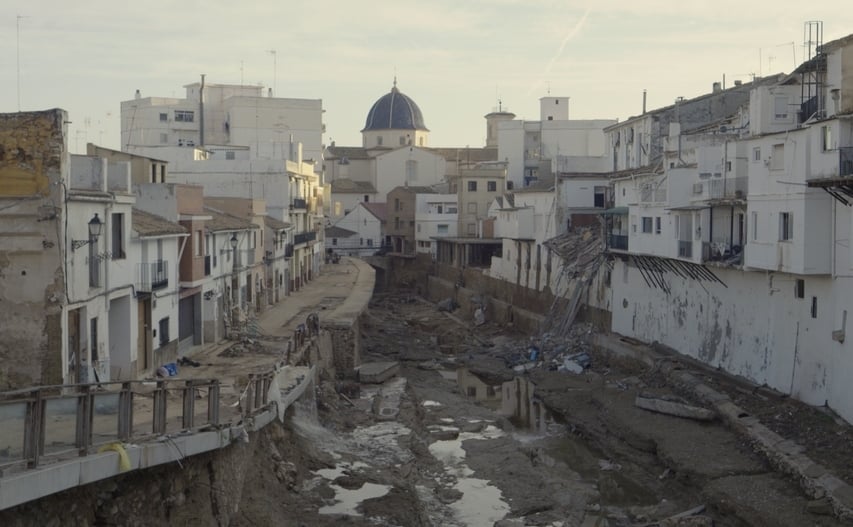
Whilst located away from the coast nearby, a river basin caused damage from seasonal flooding. Water entered many properties located at ground level by garages and patio doors. When this occurred those owners that were not in the region at the time found out about the issue and damage via news networks which carried considerable coverage of the event.
In these cases, loss adjustors were appointed and assessed claims including damage to walls, skirting boards, flooring, kitchen cabinets, door frames and electrical installations. Some furnishing and kitchen appliances were contaminated. Claims were paid on receipt of contractors’ invoices.
Boshers advise that for suitable flood damage protection, you’ll need to tell your insurer the property’s location type, as well as its proximity to a water course, such as a river or the sea. Any previous claims and/or historical knowledge of the property flooding (information from neighbours or local property agents) should also be declared.
Contact Your Overseas Home’s specialist insurance partner
Boshers® Insurance Services is a trading style of Lloyd & Whyte® Limited who are authorised and regulated by the Financial Conduct Authority (FRN 306077). Registered in England No. 03686765. Registered Office: Affinity House, Bindon Road, Taunton, Somerset, TA2 6AA. VAT Registration No. 477 7248 00. Calls may be recorded for use in quality management, training and customer support.