


Who doesn’t aspire to owning a waterfront property with dazzling views and easy access to the shoreline? From beachfronts and marina communities to inland lakes and rivers, the appeal of living beside the water remains as strong as ever.
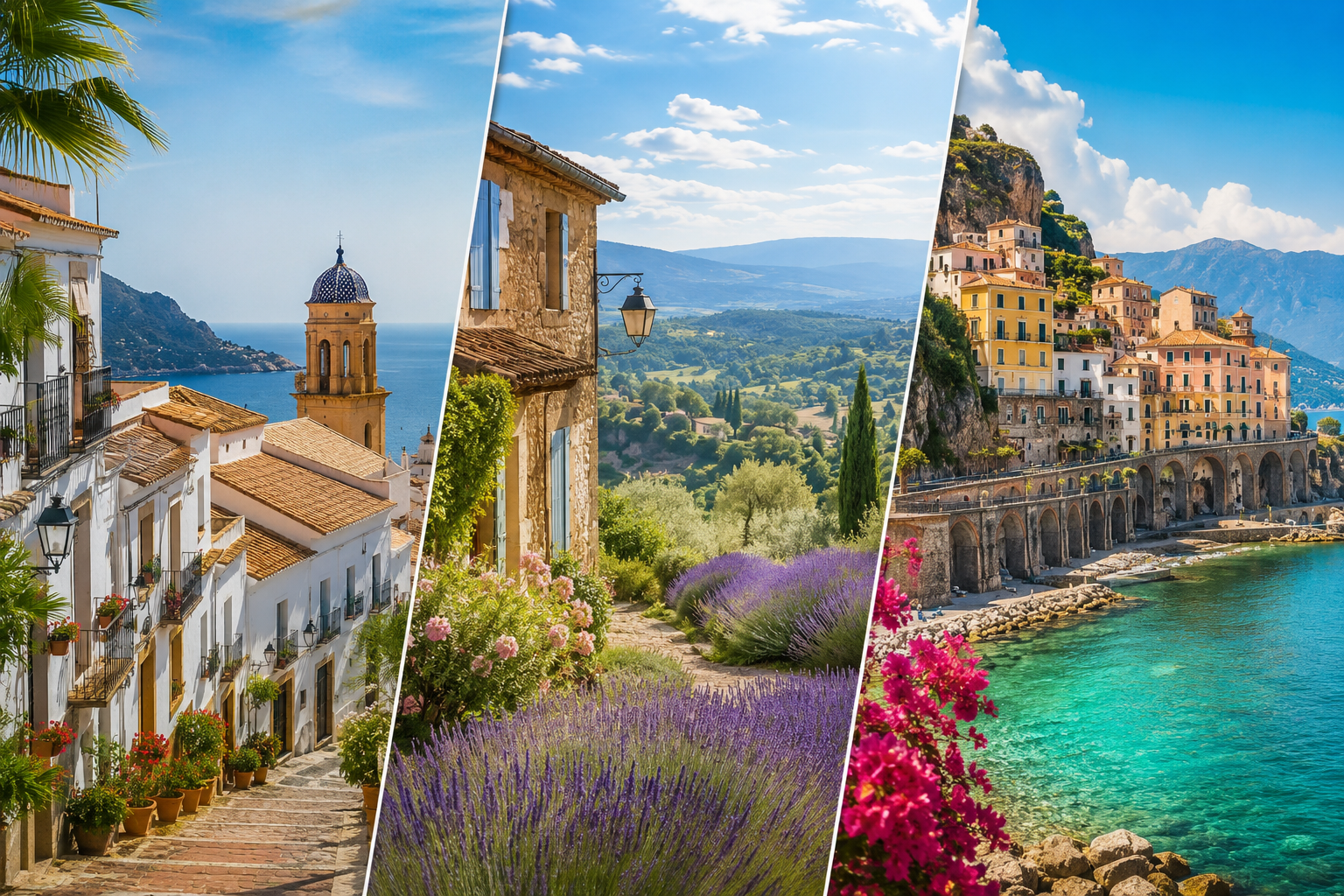
It’s why destinations like the Spanish Costas, the Portuguese Algarve, Italian Lakes, French Riviera and Dubai with its man-made islands are international hotspots and home to a large proportion of the world’s most desirable homes.
In fact, when compared with inland equivalents the average uplift for waterfront property in luxury residential markets globally is 48%, according to research (2025) by international property specialist Knight Frank Global.
But how do you choose the right coastal or lakeside home? Buying near water requires as much due diligence and research as a purchase away from the coast, and arguably more. The local climate, natural hazards, seasonal activity, maintenance, local planning rules and future development should all be checked before committing to a purchase.
Contents
Types of waterfront property
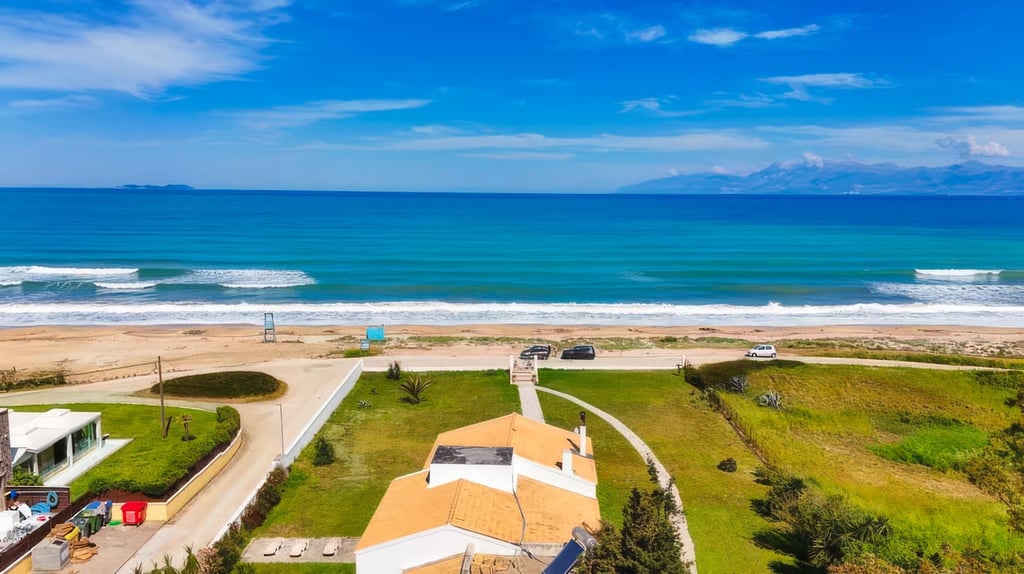
Waterfront properties closest to the shore and forming the final building line before the sea or lake are often described as frontline. With guaranteed uninterrupted views and direct access to the water, these command the highest premiums. Prices drop for secondline properties, located in row behind the frontline but often still with views. Generally, the further from the seafront, the more affordable comparable properties are.
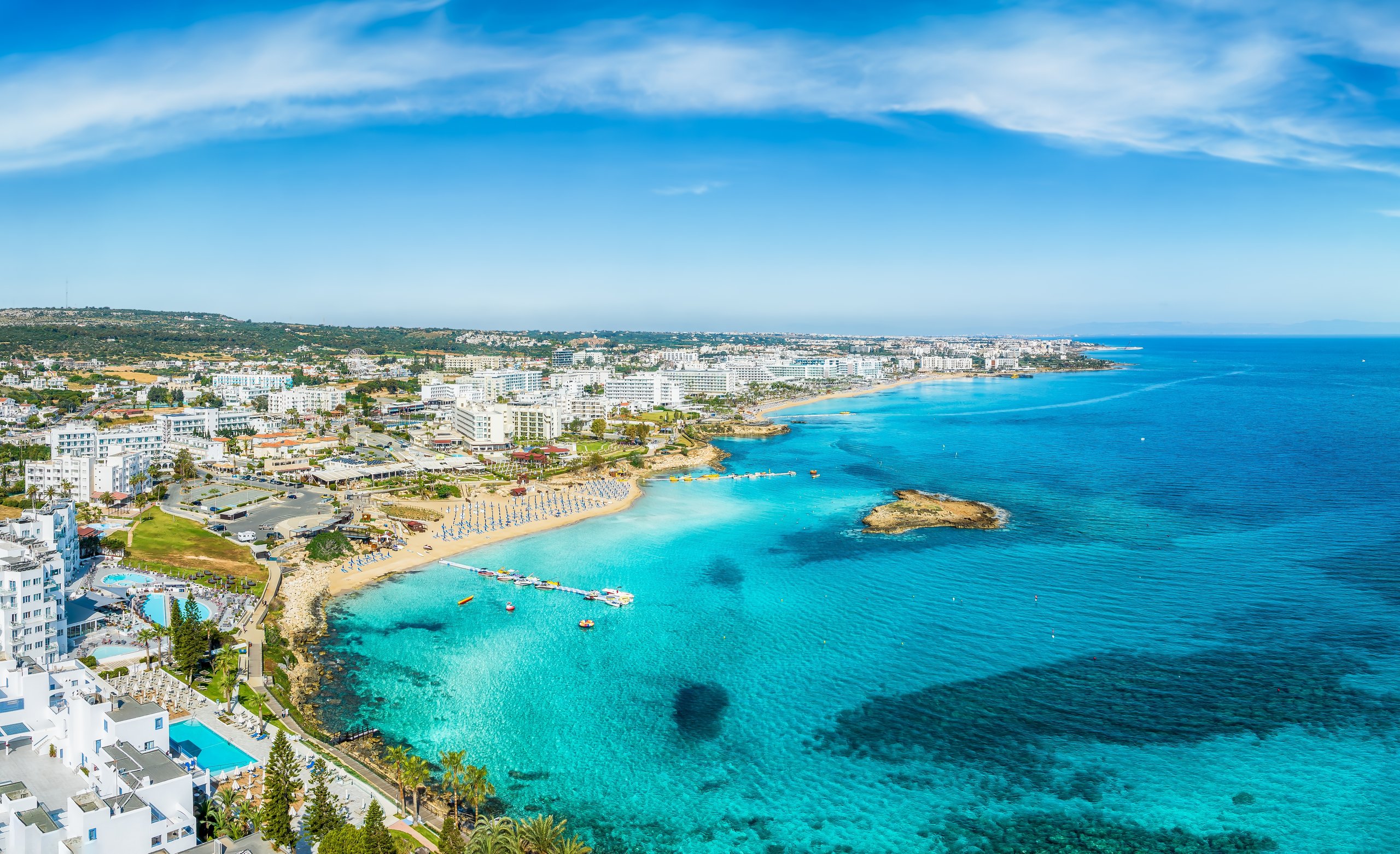
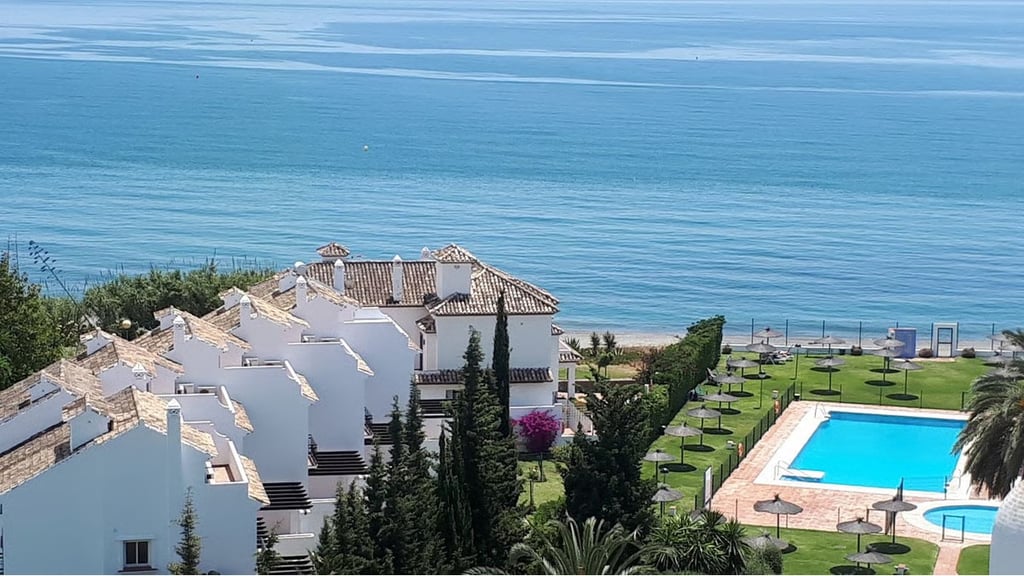
Coastal homes come in all shapes and sizes – most typically as part of a neighbourhood or complex in a beach town or tourist resort. Other settings include marina developments, ancient fishing villages or dramatic, more exclusive locations such as cliffsides, headlands or even your own island.
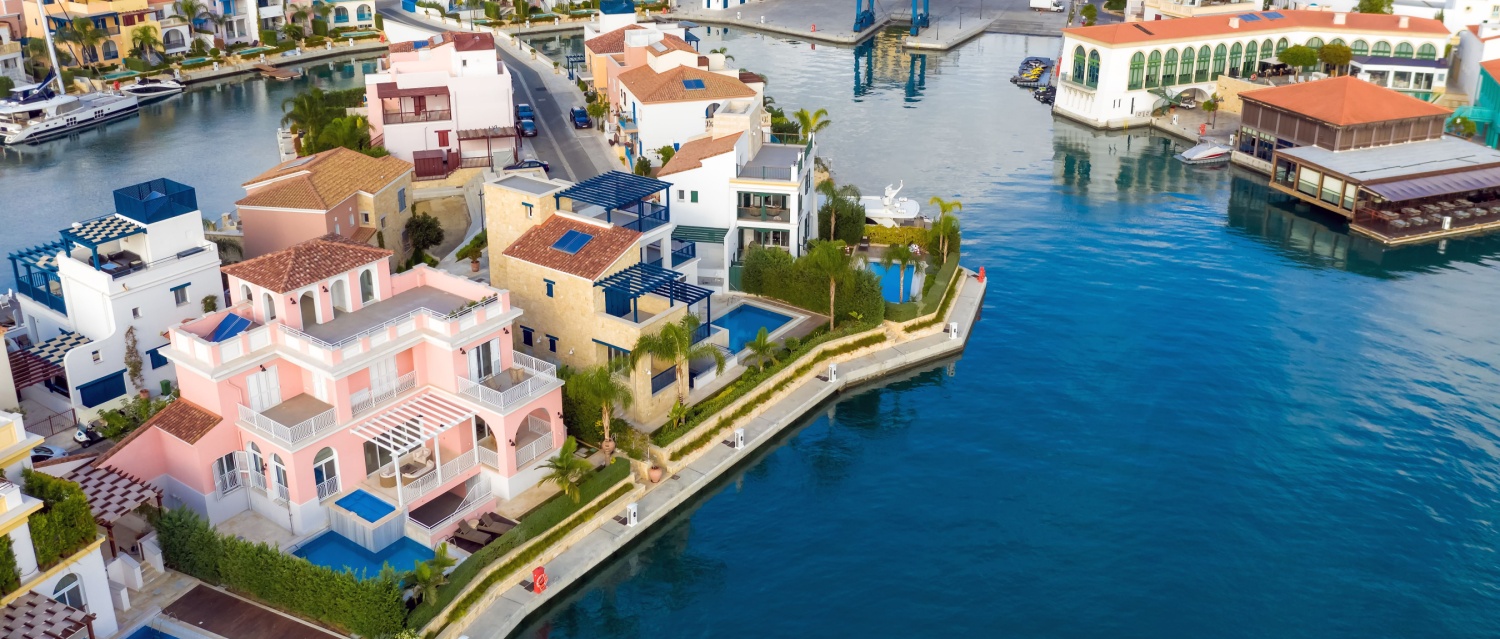
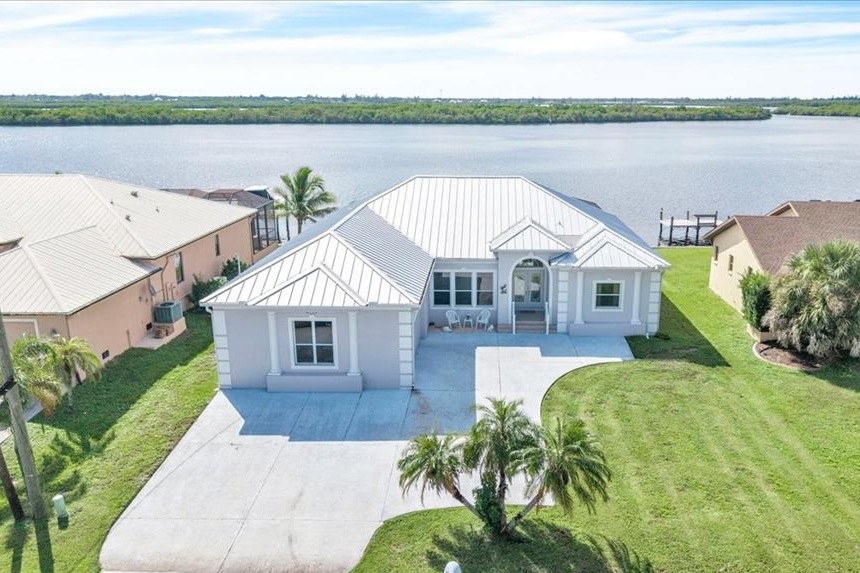
Boat-owners might be attracted to marina communities like Empuriabrava in Spain and Cape Coral in Florida, where homes come with private moorings and direct access to a network of navigable waterways that connect to the ocean.
Waterside destinations also include inland lakes and rivers, famous examples being the Italian Lakes, Lake Geneva and Lucerne in Switzerland, Lake Annecy in France, the lakes of Central Florida, especially around Windermere and the Thousand Islands region in New York State and Canada.
Climatic and environmental effects
Properties on the coast are exposed to the harsher weather conditions than those inland, especially those in frontline plots. Depending on location, one or a combination of salty air, humidity and wind could affect your waterfront property. There is also the effect of rising sea levels to consider.
Most notably, salt spray encourages the corrosion of metal fixtures and window frames. The effect of being blasted by sand only makes this worse. Meanwhile, unmanaged humidity can quickly lead to mould. Wind is often more severe in coastal areas, if only a few times a year. It can cause structural damage and add to the erosive effect of waves on the shoreline. The extreme end of this is hurricane season in Florida and the Caribbean – which of course can be managed.
Planning and legal risks of waterfront property
Coastlines tend to be subject to tighter and more complex property and building laws, both on local council and central government levels. Most countries have ‘setback lines’ that ban any buildings within a specified distance from the shore’s high-water mark.
When viewing properties, particularly those in more tropical climates, understand the maintenance costs and how they are affected by the local climate. Ocean-facing properties require more regular upkeep, such as painting, specialist glass cleaning, and in some cases expensive marine-grade repair materials. Not keeping your waterfront property up to scratch could reduce its value over time and you don’t want your first maintenance bill to be a nasty surprise. And remember, being near water tends to mean more mosquitoes!
It’s not uncommon for large sections of land bordering the sea belong to the State and therefore private ownership is prohibited. Although easements to build might be granted in some cases. Similarly, undeveloped natural land along the coast is often protected for conservation reasons.
Crucially, laws and zones change over time so some waterfront properties might pre-date today’s rules. Altering these properties will likely be difficult and come with strict planning regulation. Meanwhile, some coastal homes might be located within restricted areas or have temporary concessions from the State that cannot be renewed. As an example, these types of scenarios have arisen under Spain’s Coastal Law (Ley de Costas).
In many countries public rights of way remain in place along the shoreline, regardless of the land ownership. This prevents resorts taking over sections of beach and excluding local people from it.
The key takeaway here is to ensure you use an experienced independent solicitor when you purchase. Their due diligence will include checking the legality and planning status of your chosen property and highlight any potential issues. Purchasing a property with a title restricted by coastal law or built illegally reduces can causes a headache, not least reduce its saleability and make it difficult to get pass on on or get a mortgage.
The seasonality of coastal locations
The nature of beach resorts mean they are seasonal and will be very busy during peak summer season. Many will be quieter in the cooler months but still cater lower levels of tourism and year-round expats. Urban areas in large coastal towns or cities with large local populations will have the highest levels of activity all year round.
Frontline streets and areas closest to the beach or seafront get the most crowded in the summer. So if you want don’t want to feel swamped and value privacy, choose your waterfront home carefully. Look for secluded bays and less developed stretches of coastline outside of the main resort for more peaceful locations.
If you can, it might be worthwhile visiting during different seasons to see the difference in how busy it is and the level of amenities that remain open. You would also get to experience the local landscape in different weather and witness how much effect it might have on the property.
Insurance and managing risk
Besides the maintenance costs, find out about the cost of a waterfront property’s buildings and contents insurance. Depending on the exact location, there could be an elevated risk of flooding, erosion, land movement and water-related hazards such as storms, cyclones and hurricanes.
Insurers need to take all these things into account with calculating your premium, which will be higher than a comparable inland home. High-risk flood zones in many destinations have seen premiums rise sharply in recent years. The golden rule with this is to get a written insurance quote before committing to the purchase of a water-facing property.
Once you own the property, it makes sense to stay informed about local water management initiatives and floodplain regulations. And you could always explore the option of taking preventive measures, such as installing flood barriers and elevating structures.
On Florida’s Atlantic seaboard, the coastline around Jacksonville and St Augustine, or so-called First Coast has seen a drastic rise in luxuty home-owners installing sea walls. Between 2019 and 2024, the Florida Department of Environmental Protection issued 33 permits for private sea walls in St Johns County alone.
The more affordable option for a sea wall and wood-framed filled with soil. These can cost $150,000, the CEO of Outback Marine, a Jacksonville-area marine construction company told a local media outlent, but a concrete wall filled with sand costs will be more expensive.
Note, information in this article is provided for general informational purposes only and does not constitute formal advice. Always obtain independent professional legal representation when purchasing an overseas property.