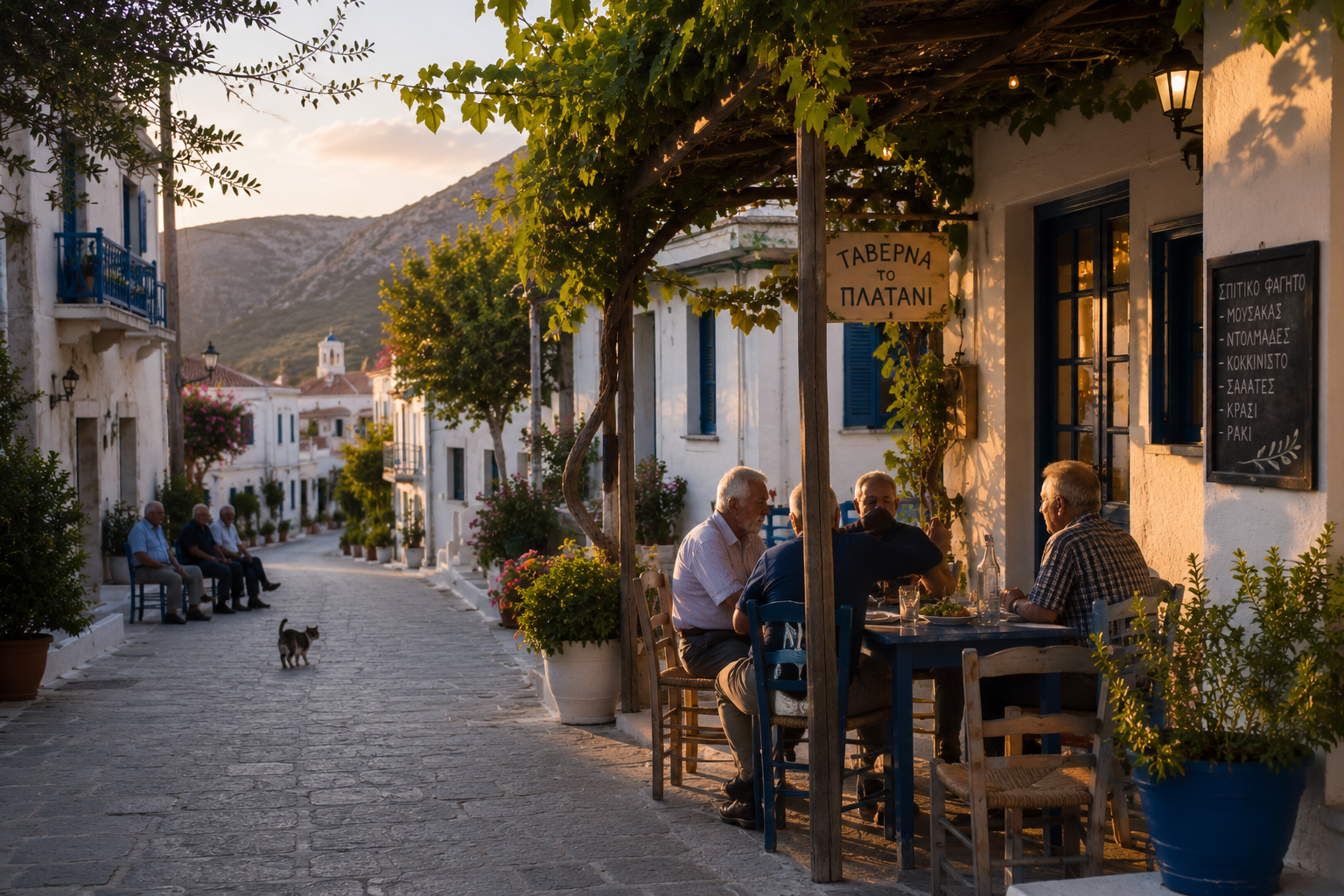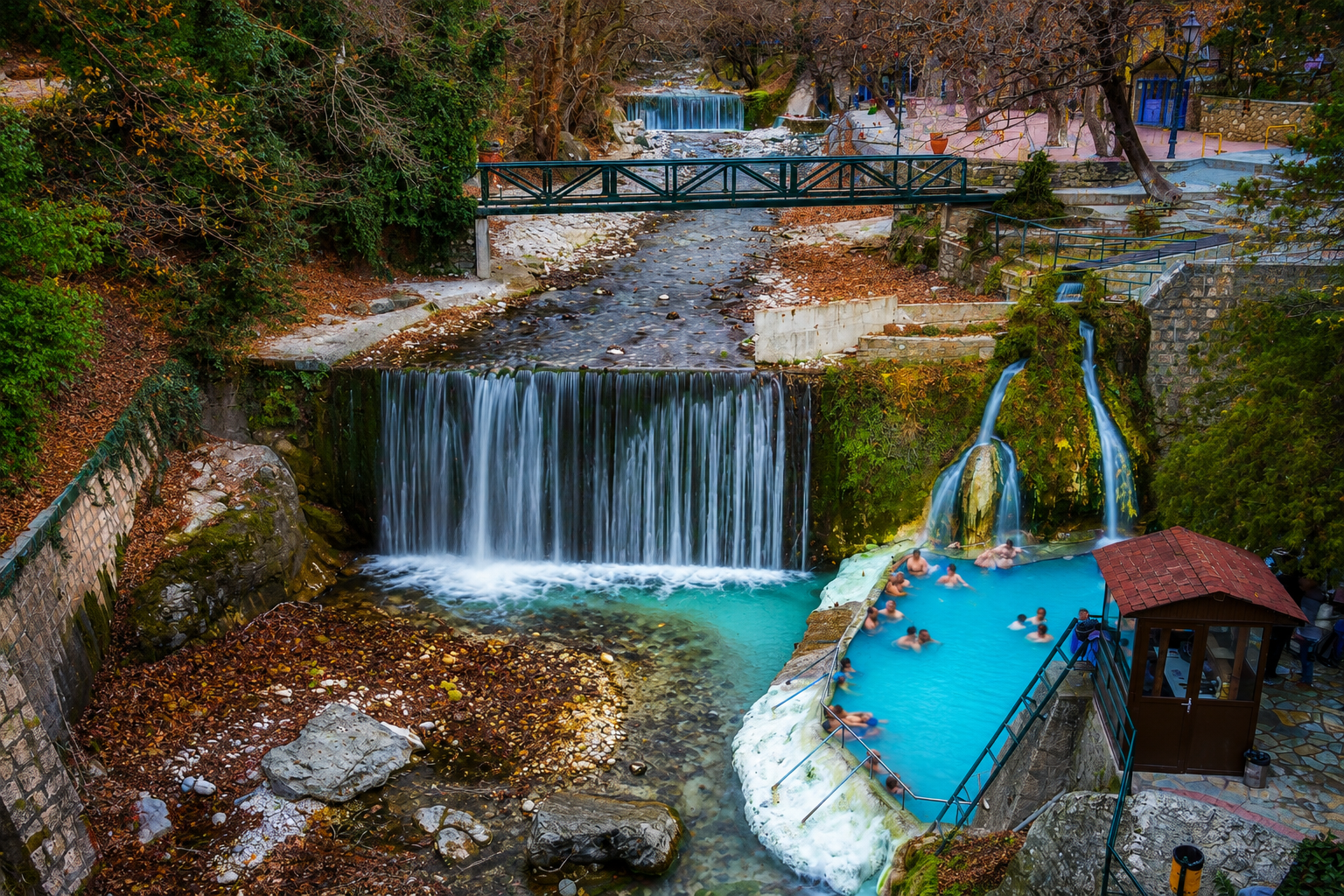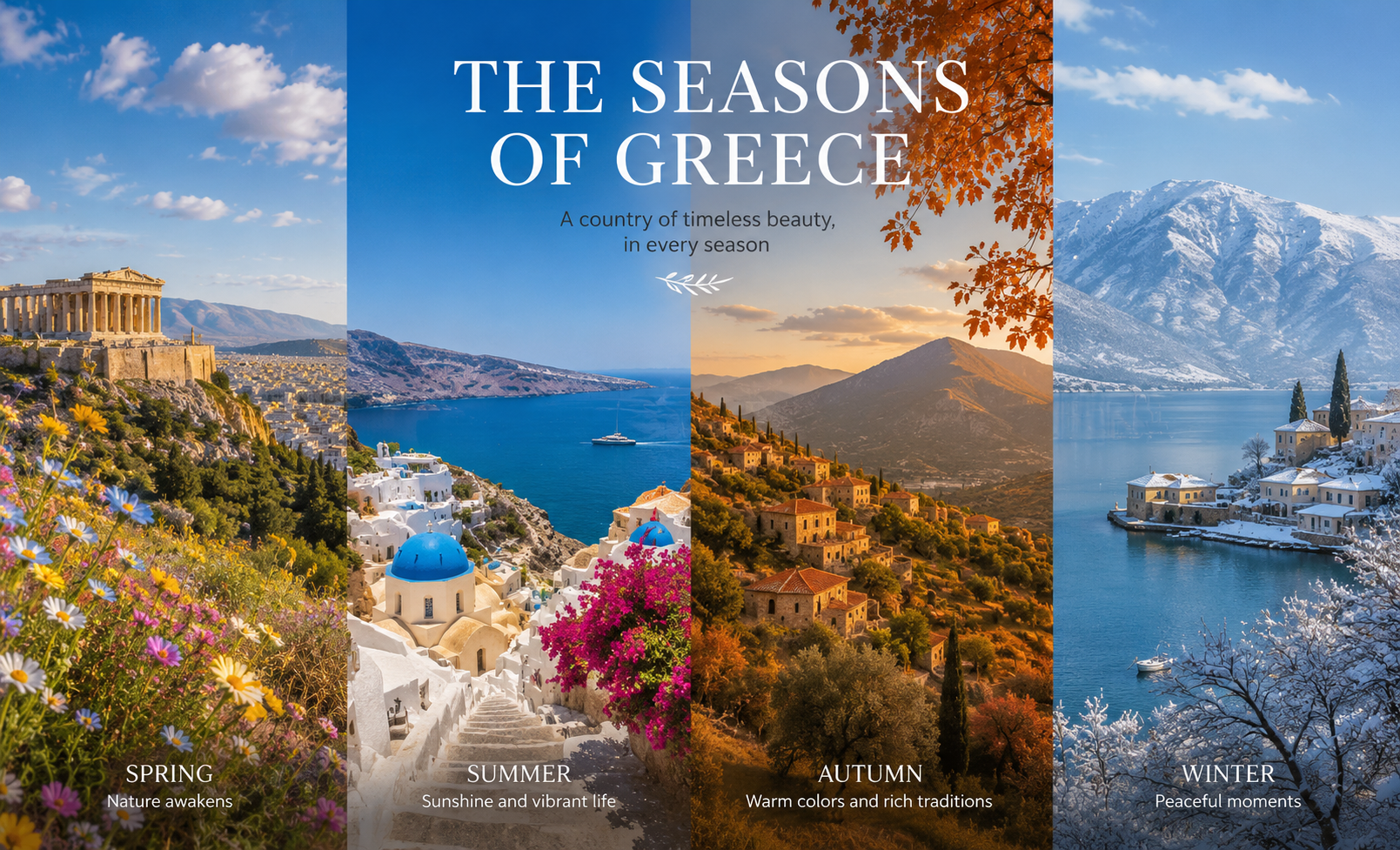
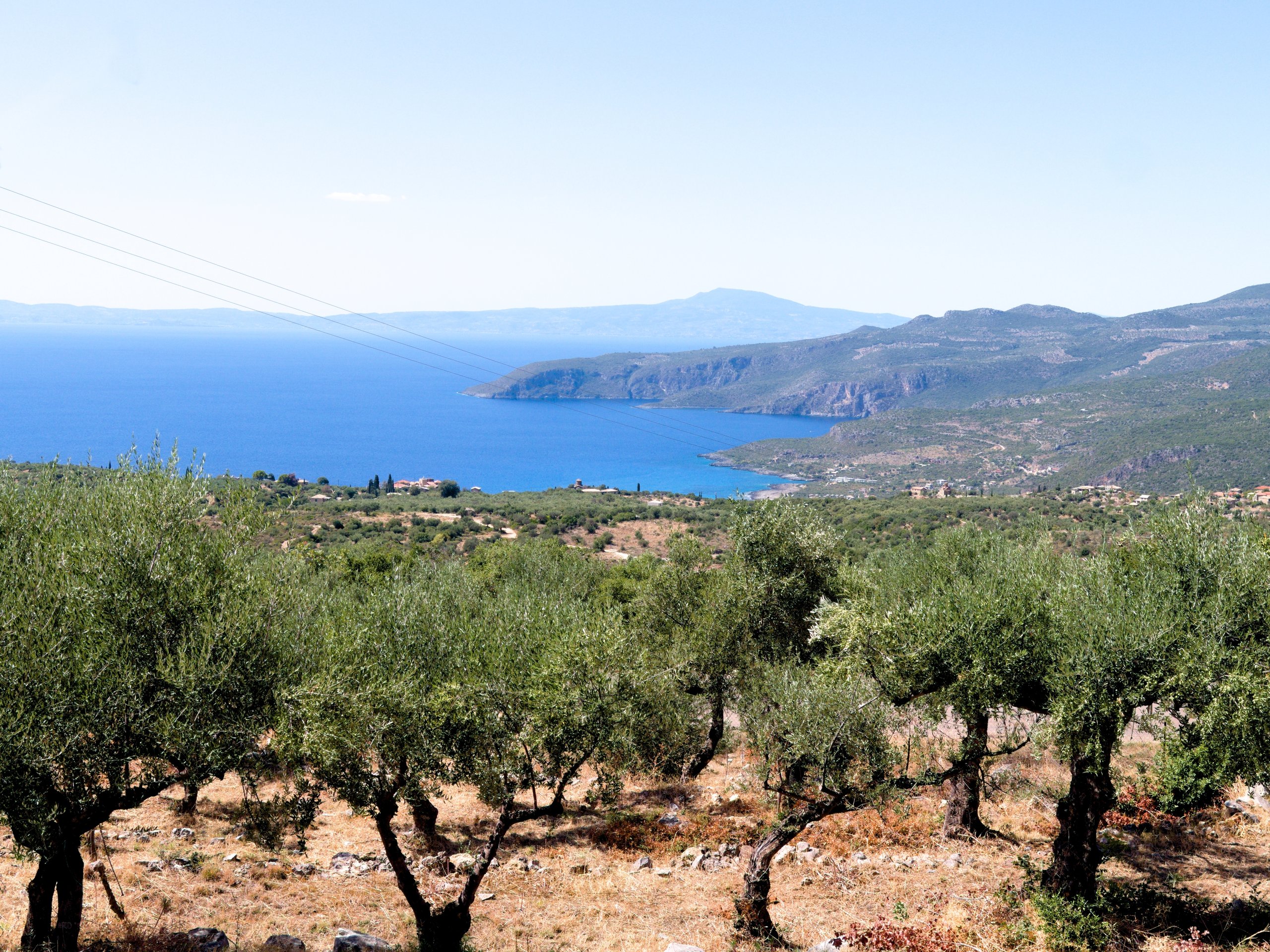



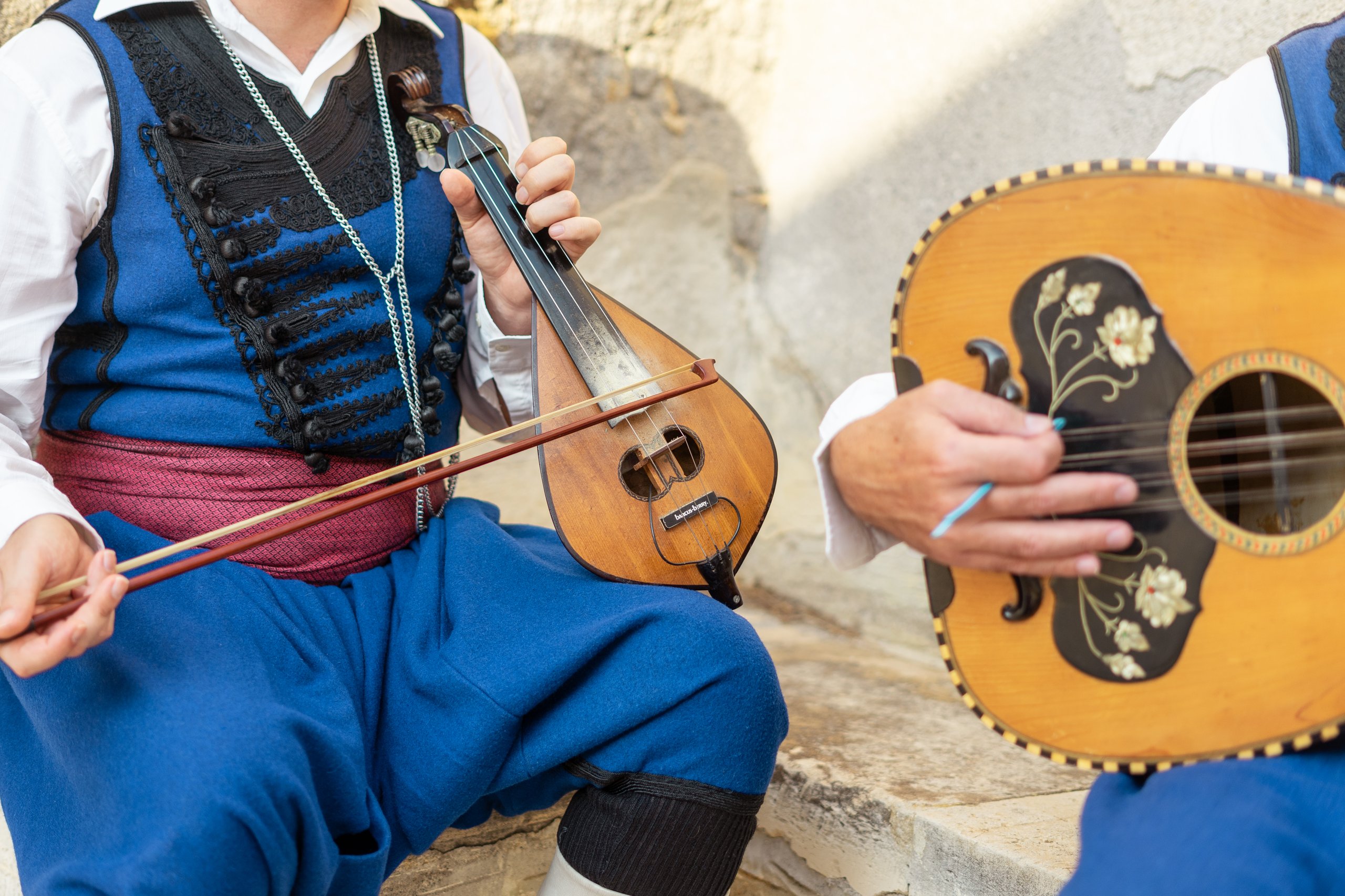
Greek culture is based on heritage, hospitality and a history still evident at ancient sites. Traditional music, dances and great food are part of their laid-back outlook on life, where family comes first and everyone is welcomed as a friend. When you buy a property in Greece you will discover how different the Greek culture is to that of your home country.
At a local village level, it is the Greek people with their strong commitment to their relatives, religion and the community that are the backbone to the Greek culture. Thanks to the older generation, traditional recipes, crafts, music, dances, fishing, farming and building techniques are passed down through the generations.
The stories told about local ruins and ancient gods, such as Hercules and Zeus, capture the imagination and inspire the young to create their own cultural story through the arts.
While the cultural identity of some countries is fading out, Greece has recognised its value and even at a government level it is being promoted and celebrated with cultural events at historic locations.
Contents
What is culture?
According to UNESCO, “culture refers to the collective beliefs, values, customs, and practices that characterize a particular group or society. It encompasses language, art, religion, and social norms, shaping how individuals interact with one another and perceive the world.”
Learn the local Greek culture
Newcomers need to understand the Greek cultural attitudes in order to be accepted into a community. What is and isn’t acceptable near ancient sites, churches, in historic streets and even at the old house you may be buying, can affect how well you settle in. Make a wrong move when you start a renovation and you could upset the whole village.
Actions that might not go down well with your Greek neighbours include:
- Altering the façade of the house, without checking what materials and colours are acceptable
- Covering protected features or replacing traditional blue shutters with modern PVC
- Working on a Sunday
- Making noise during siesta
- Extending your boundary onto public paths or blocking them with deliveries of building materials
- Doing earth work in the vicinity of an archaeological site without permission or the supervision of an archaeologist
- Demanding tradespeople work to a strict deadline (be prepared for things to take longer than expected)
- Bringing in workers from abroad
Hopefully, like us, you will have a lovely neighbour who points out cultural traditions that you aren’t aware of. For example, our house had walls right on a narrow stone street, which led up to the church at the top of the hill. The walls were roughly painted white along the bottom. So, we rendered it with a neat edge and painted it white with a quality paint. Our neighbour was impressed.
Whitewash
As Easter approached a guy came down our road with a pot of watery whitewash and painted over our paintwork and over our neat edges, splashing it onto the stone. Fortunately, our Greek neighbour came out and told him it wasn’t necessary, as our house was already freshly painted white. She then explained to us that every year they whitewash the edges of the procession route. Subsequently, we learnt that it represents a respect for the good Friday procession, as white is considered a sign of purity, rebirth and joy.
Black dog
On the other hand, a black dog means the opposite. Our adorable black labrador was looked on with fear by the Greeks. We couldn’t understand why. They seemed to have an inbuilt fear of black dogs. Even one with a smiley face and wagging tale.
I’ve only recently discovered that Ancient Greeks thought that black dogs were connected to the afterlife and to the goddess of witchcraft. They believed seeing a black dog was unlucky and may also indicate a death. Our labrador soon won round our neighbours though, and they were very happy that we had restored an old house that had been unloved for years.
Greek hospitality
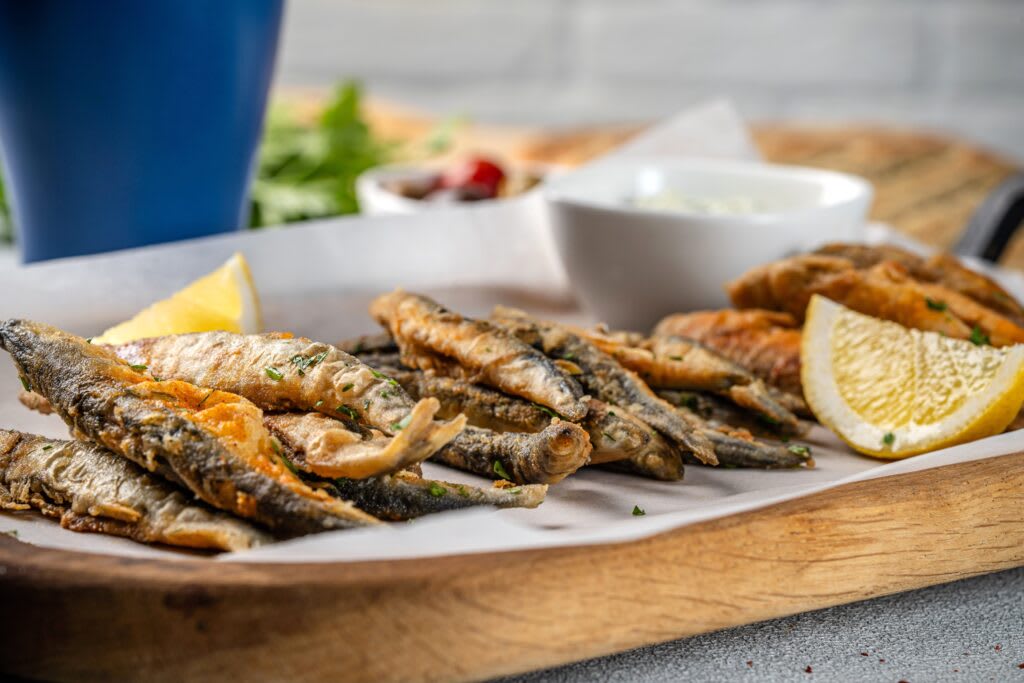
A wonderful cultural behaviour which the Greeks are famous for is their friendly hospitality towards strangers. If you are invited to eat with them, they will make sure your plate and glass are never empty. So, if you have had enough, I recommend leaving some on your plate, otherwise if they see it empty, they’ll give you more.
Restaurant owners generally treat everyone like old friends and are happy to take you into the kitchen to see what is cooking, before you decide what you want.
Family
Greek culture is built on a strong commitment to family and religion. It feels a great honour to be invited to a family gathering. We were amazed when we first became aware that “name days” were celebrated more than birthdays.
On the feast day of a particular saint, everyone with that name gathers at the church. We heard children playing chase outside, and they were calling out the one name, because they all shared it.
So as not to offend
When visiting a religious building you should wear clothes that cover shoulders and knees and silence your phone before entering. Once inside don’t eat, drink or chew gum. Often, photography isn’t allowed, and when seated it is considered disrespectful to cross your legs.
An important thing to remember, which applies everywhere in Greece, is not to hold your hand up to a Greek with the palm facing them and fingers spread. It is a very offensive gesture, which is very easily done by accident when gesturing “stop!” or “hi” or the number five.
All of Greece, One culture
All of Greece, One Culture is a programme launched in 2020, by the Ministry of Culture. Every July and August, it supports events at archaeological sites, ancient amphitheatres, monasteries, castles and museums across Greece.
In 2026 there will be a total of 190 performances, including 23 music, 34 theatre and 14 dance, each one highlighting the uniqueness of the location.
The Ministry of Culture provides free admission to these events, the aim being to bring together both the local community and visiting audiences across 12 regions of Greece. There are over 900 artists taking part in 2026, performing original works of various performing arts, offering audiences a unique cultural experience.
Where can I see All of Greece, One Culture?
The 94 venues are carefully selected for their historic and cultural significance. You can find a map on the government website. When you click on a location you get information about the site, the event and how to book.
Even if you are unable to attend an event, the locations are all fascinating places to visit. Here are some of the ones that caught my eye:
Castles
On the islands of Zakynthos and Kefalonia, plus Corinth in the Peloponnese.
Ancient theatres
- Crete: Aptera, Chania
- Peloponnese: Argos, Argolida (which has a nearby odeon and roman bath house); Messina, 30km northwest of Kalamata
- North mainland Greece: Demetrias, Volos, Thessaly; Dodoni, Ioannina
Ancient archaeological sites
- Acropolis of Rhodes
- Ancient Tylisos and Phaistos, Heraklion, Crete
- Aptera, Chania Crete
- Delphi, Central Greece
- Corinth, Peloponnese
- Mycenae, Peloponnese
- Palace of Nestor, Pylos, Peloponnese
- Asklepieion, Kos
Museums
- Archaeological Museum of Rhodes
- Messara (Heraklion)
- Sparta (Peloponnese)
Typically Greek cultural performances
Typical cultural performances you might see in Greece include plays in ancient theatres, folk music shows with the bouzouki and traditional dances, like the Syrtos and Tsamikos.
Ancient theatre
Some of the most famous theatrical performances can be seen at the Athens Epidaurus Festival. Ancient Greek tragedies and comedies are held in the Odeon of Herodes Atticus beneath the Acropolis and the ancient theatre of Epidaurus in the Peloponnese.
A memorable experience I had in Greece was seeing, a live performance of Oedipus Rex at Epidaurus. Watching an ancient Greek tragedy written by Sophocles around 429 BCE, while sat in a stone amphitheatre which is over 2,300 years old is truly incredible.
Traditional folk dancing
Many tourist towns have Greek themed nights in tavernas. Often, they will combine food and wine with a band playing the bouzouki and circle dances, such as the Syrtaki. To see a big performance with authentic regional costumes, go to the Dora Stratou dance theatre in Athens.
However, the most charming performances I’ve seen are when local children dance in costume by the harbour. And when our Greek neighbour and his friends made a chain and danced at a family gathering in his courtyard. Of course, this also involved grilling kokoretsi, smashing plates and several shouts of “Opa!”. The smashing of plates is thought to ward of evil spirits and signal a new beginning or end. It also is an expression of wealth. Because you must be rich to smash plates rather than reuse them, right?
Folklore festivals
There are several folklore festivals. Among the most famous is the one held on the Ionian island of Lefkada. Thought to be the oldest folklore festival in Greece it features dance troupes from around the world. Other popular ones can be seen in Halkidiki, and on Ikaria and Corfu.
Summary
Greek culture is as colourful as the fruit in the market and as lively as the restaurant owner who set light to his shoe and hopped around a table to music.
Culture can enrich our lives through music, art, theatre, stories, dance and food, and help build strong communities. Protecting and safeguarding the world’s cultural heritage and supporting creativity in the arts brings people together. And when people respect each other’s culture you have peace.