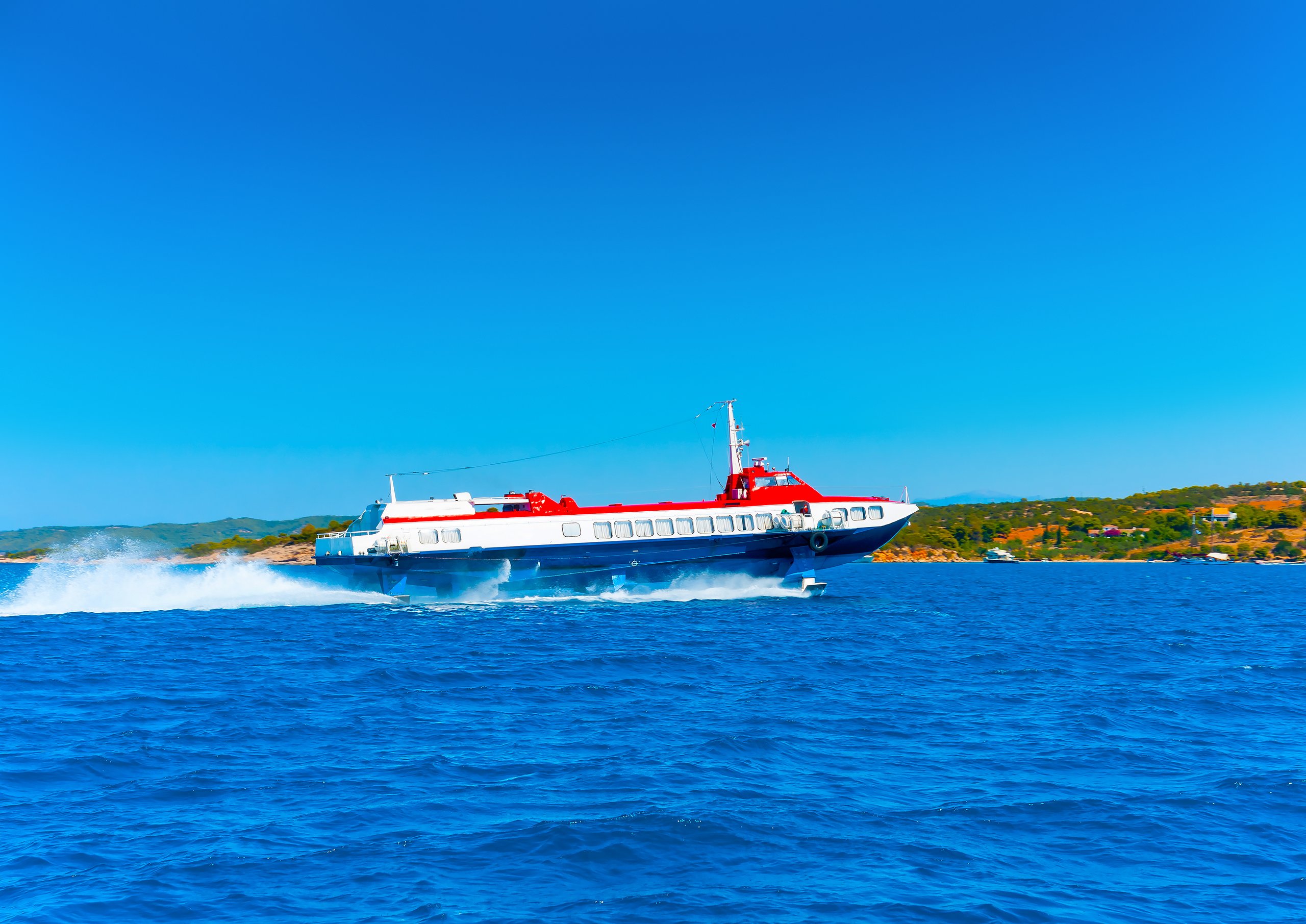


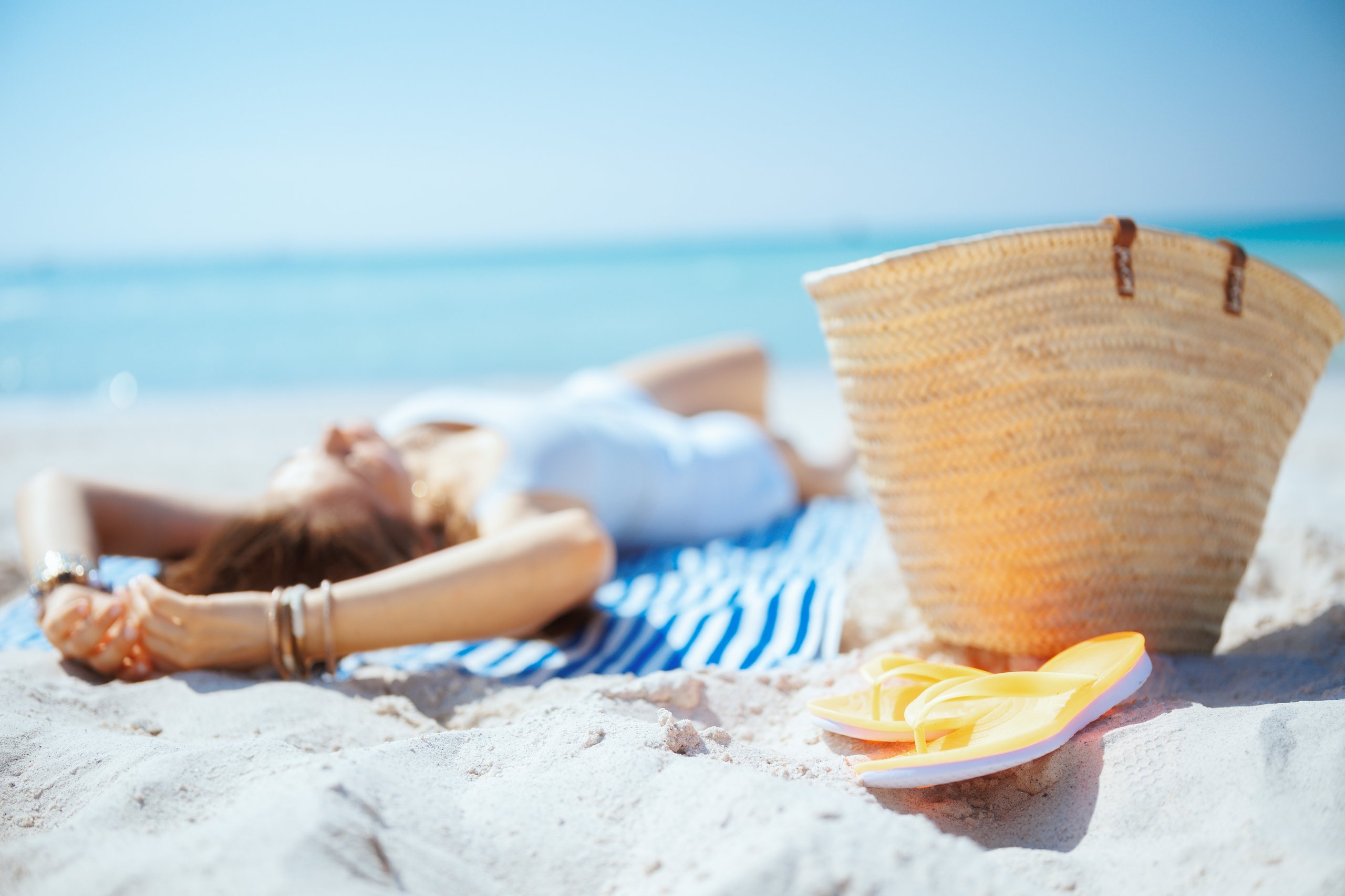
Due to new restrictions on renting sunbeds on Greek beaches, residents and holiday homeowners will be able to save money by keeping beach towels and umbrellas at their Greek home to take to the beach. So, grab your towel and take a boat to one of Greece’s picturesque free beaches this summer.
Greece’s new sunbed renting restrictions should make it easier to find a stretch of sand where you can lie in the sun and listen to the lapping of the waves on the shore and seagulls flying by. When you live a short distance from a beach, you can get there early and really enjoy the natural surroundings before the day visitors turn up.
Some of the most outstanding natural beaches can only be reached by driving down a dirt road and walking down an old donkey track. The best way to reach the secluded coves is by boat. These secret spots are there for you to discover for yourself. So, we’ll keep hush about those.
There are some beautiful free beaches that are so incredible people can’t resist taking photographs and sharing them online. So, let’s look at four of Greece’s most talked about free beaches to see what makes them so popular. And how the Greek authorities are trying to protect these special environments.
Download the Greece Buying Guide
Contents
What are the new Greek beach rules?
A new government bill has introduced stricter beach rules in an attempt to prevent overcrowding and to stop beaches becoming a parking lot for plastic sunbeds. It will also stop hotels and beach businesses from monopolising the beach and limiting public access.
It requires 70 percent of the space of all beaches in Greece to remain free of sunbeds. In protected areas it rises to 85 percent, and on “untouchable beaches” they are banned. Sunbeds that are there should be at least four metres from the shoreline and from each other.
Lease allocations for concessions will now be awarded through online auctions. Anybody who acquires a permit will also have specific obligations and responsibilities to keep beaches sanitary, allow access to people with disabilities, and hire a lifeguard.
Greece’s best beaches for free sunbathing
1. Fteri Beach, Kefalonia
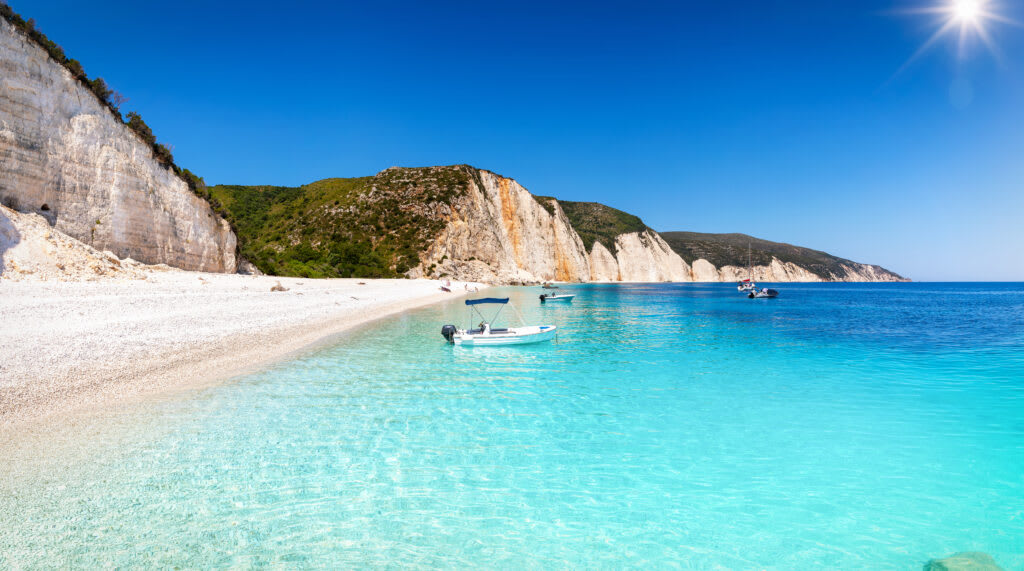
Arched white cliffs topped with greenery are the striking backdrop to Fteri beach on Kefalonia. Located in a secluded cove away from any buildings, the beach’s natural scenery adds to its dramatic beauty. The white cliffs and white pebbles are what make the sea here such a wonderful light shade of topaz blue, and as transparent as a gemstone.
Fteri is one of Greece’s beaches that has been designated as “Untrodden”. Therefore, it is by law completely free of any structures, with no sunbeds or facilities of any kind. You can’t even get close to it by car. Which means you will need to bring all the supplies you might need with you.
How to get to Fteri Beach
The only land access is via a steep and rocky track, which can take an hour to walk. The best way to reach Fteri is by water taxi from Agia Kyriaki or the small fishing harbour in Zola. From Zola village it is about 10 minutes by boat.
In the summer the boats can be very busy, so you do need to arrive early and book. However, you should be aware that they won’t run if it’s windy and choppy. But it is worth the trip to see this gorgeous beach.
How Fteri Beach ranks globally
In the 2026 edition of the World’s 50 Best Beaches [1], Fteri Beach on Kefalonia ranked number two globally and number one in Europe.
2. Porto Katsiki Beach, Lefkada
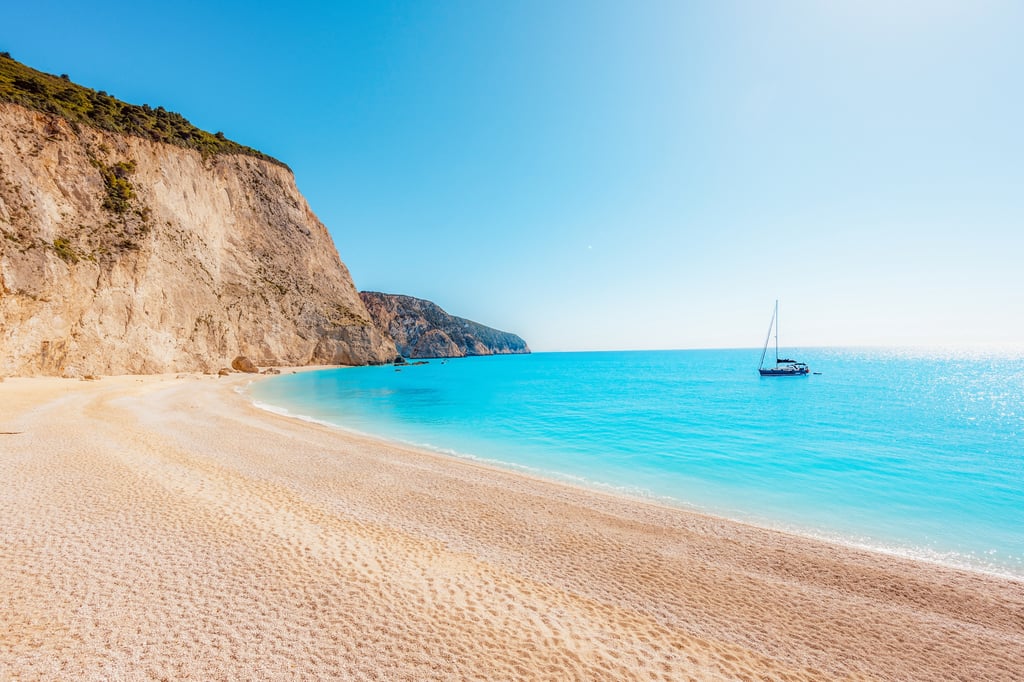
Known for its towering white cliffs and vivid turquoise waters, Porto Katsiki is one of Greece’s most photographed beaches. The best view is from the 80 steep steps carved into the cliff that lead from the cliff top car park down to the beach. Another great viewpoint is along the coast road toward the Cape Lefkata Lighthouse. To see the sun light up the cliffs in the afternoon is an experience not to be missed.
Porto Katsiki is a free beach. There are no privately managed sections, meaning no sunbeds cluttering the beach. There is a bar and some kiosks at the top of the cliff for drinks and snacks, as well as some toilet facilities. I’d recommend bringing your own refreshments, along with a towel and something for shade.
How to get to Porto Katsiki Beach
Porto Katsiki is located on the southwestern side of Lefkada, about 40 km (1 to 1.5 hours) from Lefkada Town. The nearest villages are Athani (15 minutes’ drive), Vassiliki (35 minutes’ drive) and Nidri (1 hour drive) To reach the beach by car, drive to the clifftop car park and walk down about 80 steps. Alternatively, go by boat from Vasiliki or Nidri.
How Porto Katsiki Beach ranks globally
Porto Katsiki on Lefkada ranked number 34 worldwide and number 5 in Europe in the World’s 50 Best Beaches rankings [1].
3. Porto Timoni Beach, Corfu
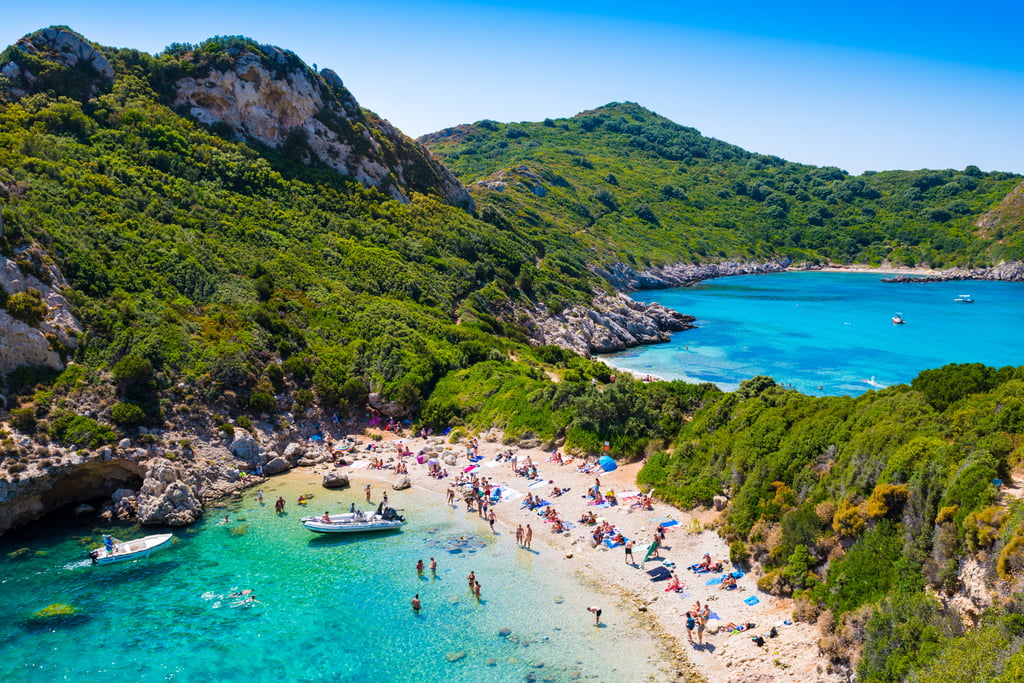
These two gorgeous bays with crystal clear water are a photographer’s dream. The view of the green hills which lead down and across to the peninsula is breathtaking. It’s a wonderful place to swim and snorkel and enjoy the amazing natural scenery.
You will need to bring everything you need with you, as there are no facilities there. Its popularity does mean it can get busy in the summer, so try and arrive early and wear water shoes as the beach is white pebbles.
How to get to Porto Timoni Beach
You can hike there from Afionas in about 30 minutes, but you will need to wear trainers. The path is steep and rocky, and uphill coming back. Other options are taking a water taxi from Afionas or renting a boat or pedal boat from the nearby bay of Agios Georgios Pagon.
How Porto Timoni Beach ranks globally
Porto Timoni on Corfu ranked number 46 worldwide and number 9 in Europe in the World’s 50 Best Beaches list [1] and gets good reviews on Tripadvisor.
4. Elafonissi Beach, Crete
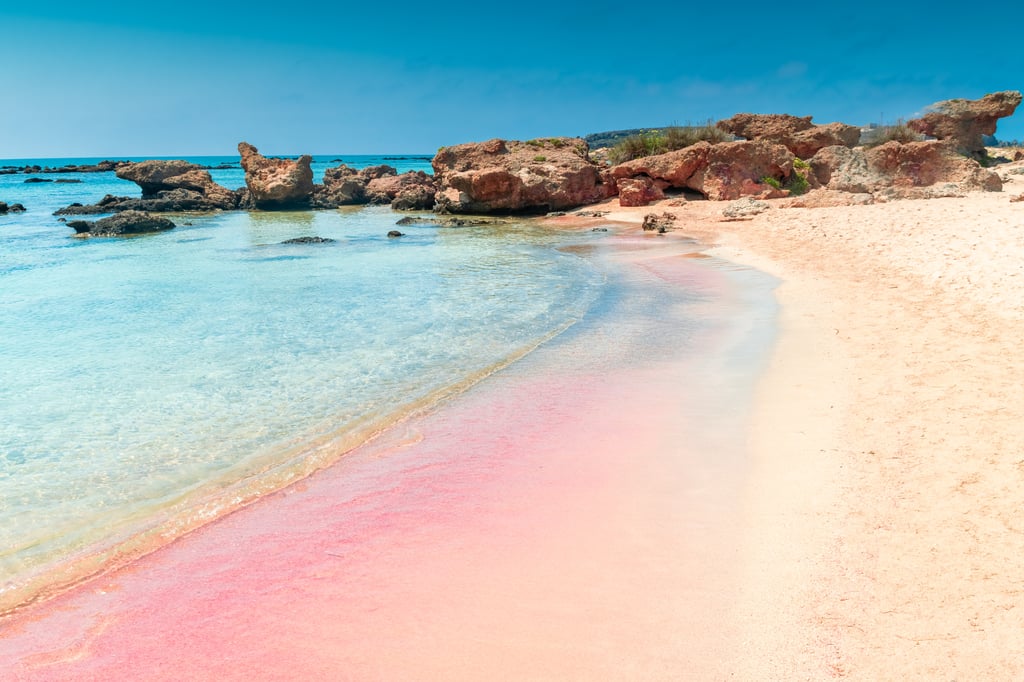
Elafonissi is famous for its pink sand and being a nesting place for Caretta Caretta turtles. The area is a Natura 2000 protected area, not only because turtles lay their eggs here, but there are also over 100 rare plants, including sea daffodils that bloom during the summer season. In 2026 it has been designated as an “Untrodden Beach”, which will no longer allow rental of sunbeds.
The lagoons are calm and shallow, and the sea is great for snorkelling. Due to fragments of shell and coral mixed in the sand, in certain lights it looks pink, especially near the shoreline. Put that next to the shallow aquamarine waters and blue skies and you have a piece of paradise.
Just when you think nature has excelled with its colour palette, it puts on another show as the sun sets over the sea, with a panoramic display of pink, orange and red. Houses near the coast could also enjoy this sunset view.
How to get to Elafonissi Beach
Located in the south west of Crete, there are only small hamlets in the area. The nearest towns are Kissamos and Paleochora, both about an hour’s drive away. At Paleochora you can also travel by boat.
If you are coming from Chania it is will take about one and half to two hours by car. But it’s a pleasant drive, with interesting places to stop en route. There is a big carpark near the beach. There is also a bus that goes there, so car drivers should aim to arrive before that.
How Elafonissi Beach ranks globally
In the Tripadvisor “Best of the Best Beaches” Traveller’s Choice Awards [2], Elafonnisi came second in the world and first in Europe with over 16,000 reviews.
Are there any other protected beaches in Greece?
Other protected beaches in Greece can be found on popular islands, such as Naxos, Lesvos, Zakynthos, Milos and Kythira. There are several more on Crete and on the mainland. The most photographed ones draw a lot of people in the peak summer months.
Once you have your own place in Greece you will be able to visit at quieter times of the year. You could make up your own picnic and grab your towel and sun lotion and get down there early. If you go by boat you can look out for quiet beaches and secluded coves to visit on another day.
Can I build a property near a beach?
Before buying a plot of land near a beach, you should seek local professional advice. You should consult with a certified Greek notary and engineer to check that you can build on the land and that the plot doesn’t already break any coastal conservation rules. Rules can change quickly, so you will need up to date local knowledge. Restrictions could include:
- Not building on the beach.
- Buildings being at least 15 metres from the shoreline. There are proposals to make that 25 metres.
- When building outside the city boundary, you will need to have a minimum plot size.
- Bans on building near Natura 2000 marine and ecological protected sites.
- Height restrictions on properties that are “first line” to the beach.
- Materials used, due to erosion from the salty air.
- Distance from road access and infrastructure.
Q&A
“Untrodden Beaches” (Apatites Paralies) are areas that have been designated as ecologically sensitive. Many of these are marine NATURA 2000 sites. In 2026, the number of Untrodden Beaches has risen to 251. At these locations the installation of sunbeds, umbrellas or any construction is strictly banned to protect fragile dunes and habitats. Also, vehicles, loud music, bars and food services are not allowed on the beach. The official list is published on the Greek Government Gazette, but only in Greek. However, if you have an area in mind, the tourist information website for that location is likely to publish details of any local ones.
The Greek Environment Ministry hopes the decision will help protect beaches that are of special aesthetic, geomorphological and environmental importance. By protecting these valuable habitats and the flora and fauna that live there, these beaches should remain beautiful places for everyone to enjoy.
Protected beaches can be found on many popular islands, including Naxos, Lesvos, Zakynthos, Milos and Kythira, with several more on Crete and on the mainland. The most photographed ones draw large numbers of visitors during the peak summer months.
Sources:
[1]: Best Beaches In The World, 2026 – Voted by Travel Experts