


Planning a property viewing trip to Greece is genuinely exciting – and it should be. But there’s a lot to organise before you step off the plane or ferry, and buyers who arrive without a clear plan often come home with more questions than answers.
Greece offers a real range of property settings, from urban apartments in Athens to clifftop villas on the Cyclades and year-round homes on Crete. That variety is one of its great strengths, but it does mean that choosing the right itinerary matters more here than in most destinations.
Whether you’re narrowing down your search between the mainland and the islands, or you’ve already decided on a specific region, this guide covers what to prepare, who to meet and how to make the most of your time on the ground.
Contents
- What is a Greece property viewing trip?
- Athens vs island itineraries: which structure suits you?
- Seasonal travel realities: ferries, flights and timing
- Entry requirements in 2026: EES and ETIAS
- Who to meet – and in what order
- Property-type red flags to watch for on viewings
- A practical viewing day checklist
- What should I do next?
- Summary
- FAQs
What is a Greece property viewing trip?
A Greece property viewing trip is a dedicated visit – typically three to seven days – where you meet agents, view properties and, ideally, consult a lawyer before making any formal commitment. It applies to all overseas buyers considering buying property in Greece, whether for permanent relocation, a holiday home or investment. One important caveat: Greece’s island geography makes logistics more complex than in most European markets, so planning the travel side as carefully as the viewing schedule pays dividends. Key points to note: ferry routes reduce significantly outside peak season; lawyer appointments should be booked well in advance; and Greece’s property purchase process involves several legal steps that benefit from specialist guidance before you make an offer.
Athens vs island itineraries: which structure suits you?
The single biggest mistake buyers make when planning a Greece viewing trip is trying to cover too much ground. Athens and the islands are not a quick hop between each other – ferry journeys range from 35 minutes to the Saronic Islands to eight hours or more to the Dodecanese, and flights between islands almost always require a connection through Athens.
If Athens property is your focus, a three-to-four-day city-based trip works well. The capital has good flight connections from the UK (typically two to four hours), a reliable metro system, and a growing number of neighbourhoods popular with international buyers – Glyfada, Kifissia, Voula and the southern suburbs. You can schedule multiple viewings per day without the logistical complexity of island travel.
For island buyers, the approach needs more thought. A seven-day trip works better here, with enough time to allow for one or two ferry crossings and adequate time in each location rather than rushed viewings. The table below gives a realistic sense of travel time from Athens:
| Destination | Ferry from Piraeus | Flight from Athens |
|---|---|---|
| Aegina (Saronic) | 35-55 minutes | N/A |
| Mykonos | 2.5-5 hours | 45 minutes |
| Santorini | 4.5-8 hours | 45 minutes |
| Naxos | 3-5.5 hours | 55 minutes |
| Crete (Heraklion) | 7-9 hours (overnight) | 50 minutes |
| Rhodes (Dodecanese) | 12-18 hours | 1 hour |
One approach that works well: fly to Athens, spend two days in the city viewing properties or simply using Athens as a base, then take a short flight or fast ferry to your island of choice for the remainder of the trip. Many buyers find this combination useful, particularly if they are still undecided between a mainland and island purchase.
Seasonal travel realities: ferries, flights and timing
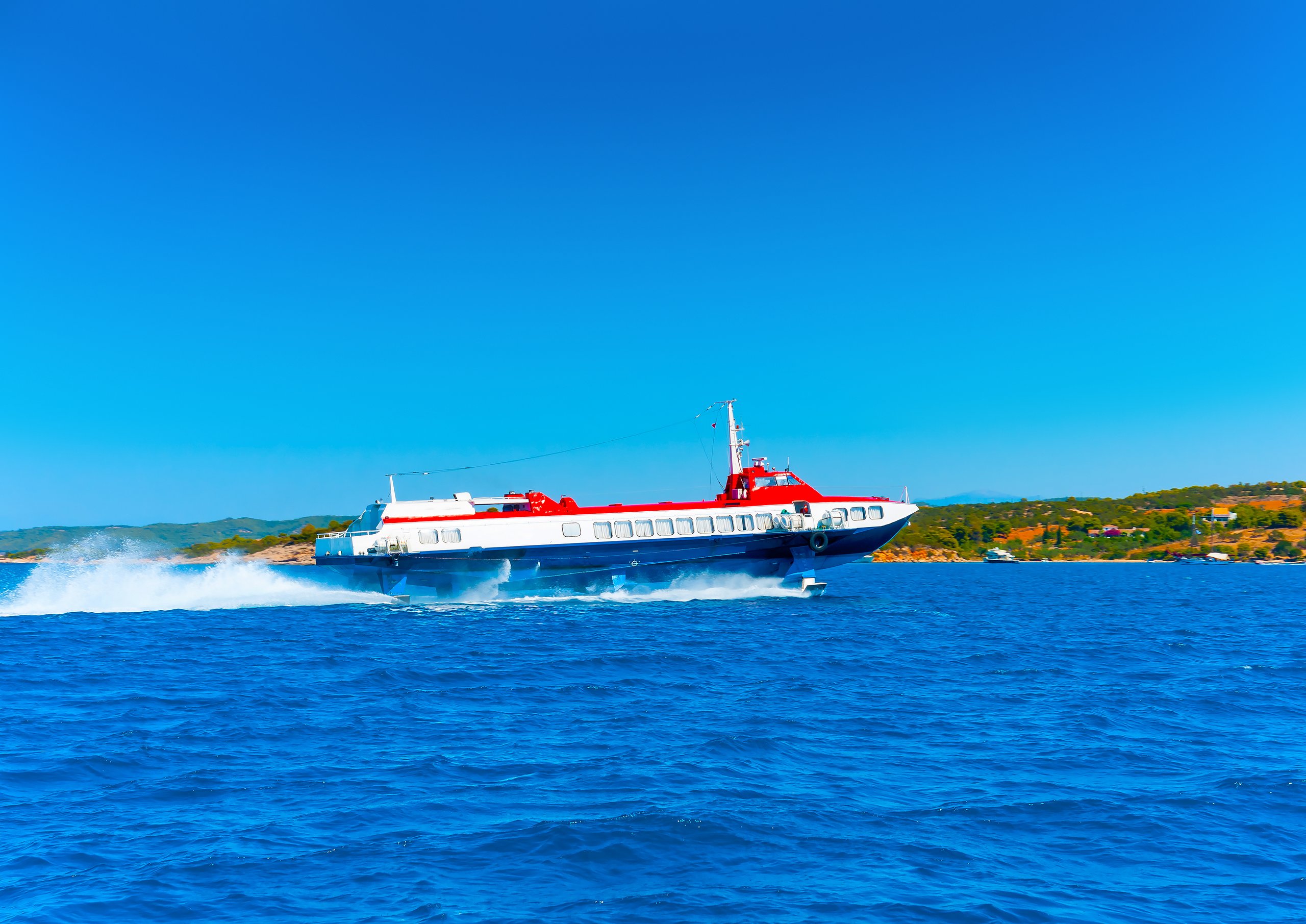
Timing your trip well makes a significant practical difference in Greece. High-speed ferry services to the Cyclades run frequently from April to October, with multiple daily crossings during peak summer. Outside that window, services reduce considerably – some smaller inter-island routes drop to three or four times a week in winter, and a few stop entirely.
For a viewing trip, the shoulder season – April to early June, or September to October – tends to offer the best combination of good weather, available accommodation and active property agents. July and August are peak tourist season: agents are often busy, prices for accommodation are higher and ferry and flight bookings need to be made further in advance.
A few practical points worth building into your plans:
- Ferry booking: For popular routes like Piraeus to Santorini or Piraeus to Heraklion, book ferry tickets two to four weeks ahead in peak season. High-speed catamaran seats sell out faster than conventional ferry crossings.
- Airport transfers: Athens International Airport now has a direct train connection to Piraeus port, which simplifies the airport-to-ferry logistics considerably.
- Car hire: Renting a car on the mainland is straightforward. On islands, arrange this before arrival – availability can be tight in high season and pickups from smaller ports rarely have walk-up desks.
Entry requirements in 2026: EES and ETIAS
There have been significant changes to how UK citizens enter the Schengen Area, and it is worth understanding both systems before you travel.
The EU’s Entry/Exit System (EES) became fully operational across the Schengen Area on 10 April 2026. It replaces traditional passport stamping with digital biometric registration – facial image and fingerprints – recorded at the border. Greece confirmed that all non-EU travellers, including UK citizens, are subject to this process when entering and exiting.
There have been reports of some practical adjustments at busy border points, including some earlier diplomatic uncertainty about UK exemptions, but the current position is that British travellers should expect biometric checks to apply. Allow extra time at border control, particularly at busy airports during peak travel periods.
The European Travel Information and Authorisation System (ETIAS) – a separate pre-travel authorisation, similar to the US ESTA – is expected to launch in late 2026 but is not yet operational. Once live, UK citizens will need to register online before travelling to Schengen countries. Keep an eye on the UK government’s travel guidance pages for the confirmed launch date.
For property buyers, the 90-day Schengen rule also applies. UK citizens can spend a maximum of 90 days within any rolling 180-day period across all Schengen countries combined. If you are considering spending extended periods in Greece, you will need to look at visa or residency options – a topic worth discussing with a Greek property lawyer before or during your trip.
Who to meet – and in what order

A viewing trip is most productive when it serves more than just the viewing schedule. The appointments you make with professionals can be just as valuable as the properties you see.
- An agent who knows your target area
If you are working with an agent – and most buyers do – brief them thoroughly before the trip: budget, property type, location preferences and your timeline for buying. A good agent will curate a shortlist rather than simply showing you everything available. In Greece, many reputable agents work exclusively in specific regions or island groups, so if you are considering more than one area, you may need more than one agent.
- A Greek property lawyer
Engaging a lawyer early in the process is strongly recommended by most buyers and professionals we work with. In Greece, the legal framework for property purchase involves a notary, title deed checks, tax number requirements (AFM) and, in some areas, permissions for non-EU buyers to purchase near protected zones. A lawyer can flag these issues before you make an offer, not after.
Many buyers choose to have a short consultation during the viewing trip itself – not to complete legal work, but to understand what due diligence will be required for the specific properties they are interested in. It is worth booking this appointment before you travel. - A currency specialist
If you are buying in euros and holding savings in pounds, the exchange rate can meaningfully affect your budget. A brief conversation with a currency specialist during the planning phase – or even during the trip – can help you understand how to protect your buying power. Smart Currency Exchange has helped many Greece buyers set up forward contracts that lock in an exchange rate ahead of completion.
Speak to a Greece property expert
Property-type red flags to watch for on viewings
Greece has some specific legal and practical considerations that differ from buying in France or Spain. These are worth keeping in mind on viewings.
Title deed issues
Title deed (titlos ktisis) problems are one of the most common complications in Greek property purchases. Some older properties, particularly on islands, have incomplete or disputed ownership records. Always ask the agent whether a clean title has been confirmed, and make sure your lawyer conducts independent title searches before proceeding.
Unauthorised building works
Greece has a significant number of properties where unauthorised construction has taken place – a room added without permits, for example, or a pool built outside planning consent. These irregularities have to be declared and may involve fines or remediation costs. Ask directly whether the property has been surveyed and whether any unauthorised works are registered.
Earthquake-zone considerations
Greece is seismically active. While modern builds meet strict regulations, older properties – particularly on islands – may not have been retrofitted to current standards. This is worth raising with your agent and considering when looking at renovation properties or older village houses.
Water and utilities on islands
Some island properties rely on water delivery by tanker rather than a mains connection, particularly in rural or elevated locations. Check the utility situation carefully: water supply, sewage, electricity connection and broadband availability are all worth confirming, especially if year-round or remote working use is part of your plan.
Distance from the sea
Greece has restrictions on construction within certain distances of the coastline. If a property sits very close to the water, verify that the boundaries and the build are within legal parameters. A surveyor or lawyer can advise on this.
A practical viewing day checklist
Before each viewing, note down:
- Full address and access details
- Property type and age
- Asking price in euros (and your approximate sterling equivalent at current rates)
- Whether the agent has confirmed title deed status
- Any known planning history or unauthorised works
- Utility connections – mains or alternative supply
During the viewing:
- Photograph every room, including storage, roof space and external boundaries
- Check for damp, particularly in basements and ground-floor rooms
- Look at window frames, shutters and any visible signs of structural movement
- Ask about community fees (koinochrista) if the property is part of a development
- Check mobile signal and ask about broadband speeds
- For island properties, ask about seasonal access and whether the road is passable year-round
After the viewing:
- Note first impressions before you move on to the next property
- Record anything you want to revisit or ask your lawyer about
What should I do next?
If you are in the early stages of planning a Greece property viewing trip, a few steps will help you make the most of your time on the ground:
- Speak to a Greece property specialist who can help you shortlist areas and agents suited to your search. Our partner network includes specialists across Athens, Crete and the Cyclades.
- Download our Greece Buying Guide for a fuller overview of the purchase process, costs and legal requirements.
- Register for our next Greece property webinar to hear directly from buyers and agents with on-the-ground experience.
- Talk to a currency specialist at Smart Currency Exchange to understand your budget in euros and how to protect it before and during the purchase.
Summary
A Greece property viewing trip works best when it is properly planned and not overloaded. Decide early whether your focus is Athens, the islands or a combination, and build your itinerary around travel realities rather than against them. Book professional appointments – particularly with a lawyer – before you travel. Factor in the changes to EU border procedures for UK travellers in 2026. And use the trip to understand the specific due diligence required for any property you are seriously considering, rather than to make a decision on the spot. With the right preparation, a week in Greece can move your search from aspiration to offer.
FAQs
For Athens alone, three to four days is usually sufficient to see a good shortlist of properties and meet an agent and lawyer. For island viewings, allow at least five to seven days to accommodate ferry travel and give yourself time in each location. Trying to cover both the mainland and islands in a single short trip rarely works well.
You do not need to appoint a lawyer before the trip, but it is worth scheduling a consultation during it. A brief meeting with a property lawyer can help you understand what legal checks will be required for the properties you are viewing, and flag any issues specific to the regions or property types you are considering.
Yes, but there are restrictions on purchasing property in certain border areas and zones classified as restricted for national security reasons. Non-EU buyers – including UK citizens post-Brexit – need ministerial approval to buy in these areas, which adds time and complexity to the process. Your lawyer can confirm whether any properties on your shortlist fall within restricted zones.
UK citizens can spend a maximum of 90 days in the Schengen Area within any rolling 180-day period without a visa. For holiday home owners this is usually manageable, but those planning longer stays will need a visa or residency permit. Greece’s Golden Visa programme offers a residency route through property investment, with thresholds tiered by location: €800,000 (£670,000) in high-demand areas such as Athens, Thessaloniki, Mykonos and Santorini; €400,000 (£335,000) elsewhere. Both require a single unit of at least 120 square metres. A lower €250,000 (£210,000) threshold applies only to commercial-to-residential conversions and heritage building restoration. Speak to a Greek property lawyer for current guidance.