




Ten years on from the Brexit vote, how easy is it to retire to France from the UK? According to our 2026 Easiest Places to Retire Overseas ranking, the answer is that it’s still surprisingly straightforward. Here’s why you could retire to France from the UK, the USA or another non-EU country.
France has always held a special place in the hearts of many British retirees. The appeal is obvious. Quite aside from it being so close to home, easily accessible by car and train as well as plane and most of us still having at least a smattering of the French we learnt at school 50-or-so years ago, it’s the lifestyle.
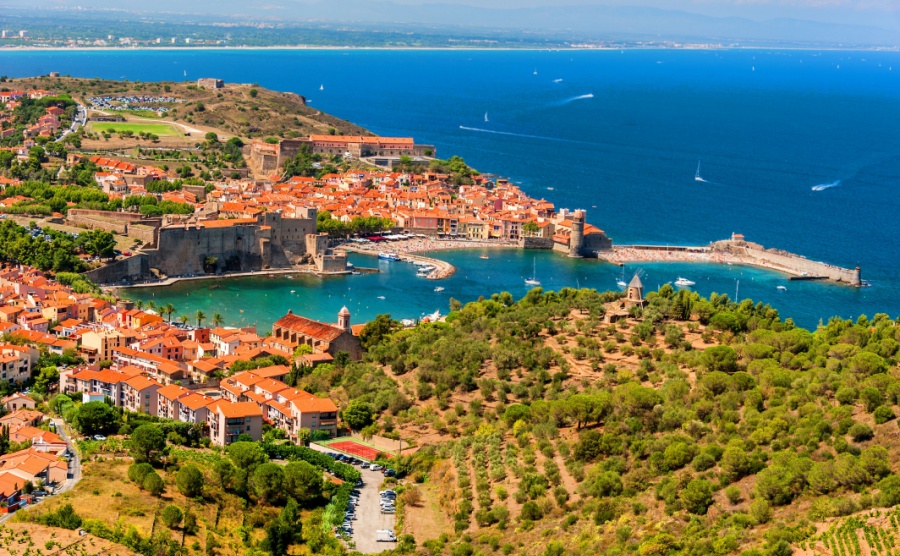
The mouthwatering village markets, the beautiful bastides, the luscious chateaux, the vast stretches of Britanny beach, the glamour of Paris or St Tropez, the location of art from Arles to Étretat….
Yet since Brexit, many prospective retirees have wondered whether moving to France has become too difficult.
The good news is that in our survey, France ranked fourth overall, behind only Ireland, Spain and Portugal. It was an easier place to retire than Cyprus, Italy, Germany, Greece and Turkey.
It shows that Brexit didn’t end the dream of retiring to Europe – it simply changed the process. For those prepared to complete a little extra paperwork, France remains one of the most practical and rewarding places to spend your retirement.
In short
Yes – British citizens can still retire to France in 2026. The usual route is a long-stay visitor visa for people who can support themselves without working, alongside private or S1-based healthcare cover. France ranked fourth in our 2026 Easiest Places to Retire Overseas survey, helped by its proximity to the UK, strong healthcare and good-value property outside the main hotspots.
Key points
- France ranked fourth, indicating that it is an easy place to retire from the UK.
- It scores best for accessibility, easy visa processes and lower income requirements.
- Healthcare is not just excellent, but S1 forms give UK retirees access to it.
- Property, like for like, nearly always beats UK prices.
- Most of us learnt French at school, giving a good head start on settling in.
Firstly, let’s look at where scored well on ease of retirement.
Easy acessibility
For easy accessibility nowhere beats France, with hundreds of ferries, flights and trains each day. There are even scheduled to be double-decker trains from London to France from 2031.
Few things are quite as irksome as getting a cheap flight and then being massively overcharged for a suitcase. So, on all those trips to set up your home and settle in, being able to chuck it all in the car and drive onto a ferry is a real advantage. You can also travel backwards and forwards with pets in your car – a huge saving when popping back for family visits.
This flexibility helped France score highly in our travel category and remains its greatest advantages over more distant destinations.
Being close to the UK means family visits are easier, grandchildren can visit more often and trips home for special occasions are much less stressful than if you were living on the other side of the world.
Retirement abroad does not have to mean leaving Britain behind. France allows you to enjoy the benefits of living overseas while remaining closely connected to friends and family back home.
France’s fast and inexpensive visa processes
Perhaps the biggest misconception surrounding France is that getting a visa to live in France is difficult. In reality, France remains very welcoming to retirees and has easy, fast and inexpensive immigration processes for British applicants.
Like Spain and Portugal, France offers a clear residency pathway for non-EU citizens. The most common route is the long-stay visitor visa, which is designed for people who can support themselves financially without working in France.
Applicants need to demonstrate sufficient income, arrange healthcare cover and complete the required documentation. While this involves more administration than before Brexit, the process is now well established and widely understood.
What is especially positive about retiring to France from the UK, however, is the relatively low income requirement. This is roughly equivalent to the French minimum wage of around €1,800 per month – much less than France or Italy.
It is also quick – with your visa granted in just a couple of weeks.
Healthcare remains among the best in the world
Healthcare was one of France’s strongest categories in our ranking. For retirees that could matter as the years go on, but it also scores well for being a healthy and active society.
France has long been regarded as having one of the world’s leading healthcare systems, with generally excellent access to doctors, specialists and hospitals.
British retirees who receive a UK state pension can often access the French system through an S1 form, which allows them to be treated on broadly the same basis as French citizens. Private healthcare often costs considerably less than equivalent private treatment in Britain.
France’s famously early retirement may lead to the retirees enjoying a convivial glass of rosé together for breakfast, but it also means that France is geared up for more healthy leisure activities too, from petanque in the village square to surfing, skiing, hiking and cycling.

Strong links with British communities
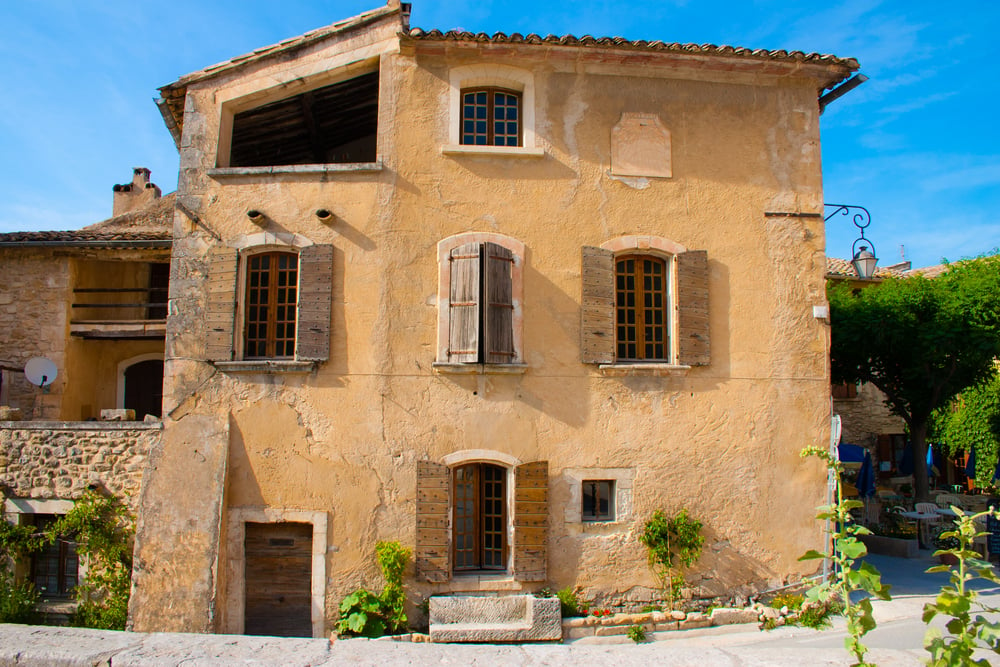
France also benefits from a long history of British migration. Large numbers of Britons have settled in regions such as Dordogne, Charente, Normandy and Brittany over the past few decades, so newcomers often find well-established support networks already in place.
English-speaking estate agents, lawyers, financial advisers and tradespeople can be found in many popular retirement areas. That makes the move easier while still leaving room to settle into French life. Many retirees value the balance: support is there when they need it, alongside a more authentically French way of living.
Good value beyond the hotspots
France is often assumed to be expensive, particularly by people who focus on Paris or the Côte d’Azur. The reality is that property prices in France, like in the UK, have barely risen in recent years while those in Portugal or Spain have shot up to often unaffordable levels.
French property generally offers good value. And while in the UK rural and village property can attract premium prices, in France they are likely to be cheaper than the urban equivalent.
When it comes to the general cost of living, day-to-day costs are around 20% less than the UK, according to the Your Overseas Home Cost of Living Index. Leisure costs are a third cheaper than the UK.
Property ownership remains straightforward
Another reason France scored highly is how simple property ownership remains for British citizens. Brexit did not change the right of Britons to buy property in France. The legal process is transparent and well regulated, with notaires overseeing transactions and providing a level of security many buyers appreciate.
Whether you’re after a farmhouse in Normandy, a village house in the Dordogne, an apartment in Nice or a cottage in Brittany, ownership rights are unchanged. Combined with the country’s residency routes, that keeps France among Europe’s most accessible retirement destinations.
Why France remains a retirement favourite
France’s fourth-place finish in our 2026 ranking reflects a simple truth: few countries combine accessibility, healthcare, quality of life and proximity to Britain quite so well. Retiring there may take more paperwork than it did before Brexit, but the rewards are substantial.
Excellent healthcare, attractive surroundings, affordable property in many regions and easy access to the UK keep France one of the most practical choices for British retirees. Ten years after the Brexit vote, Europe is still very much within reach.
Summary
France remains one of the easiest countries to retire to in 2026, finishing fourth in our annual ranking. Brexit changed the process rather than closing the door: the long-stay visitor visa gives British and other non-EU citizens a clear, well-used route to residency. Healthcare is among the best in the world, and many UK pensioners can access it through an S1 form. Property ownership is straightforward and, outside Paris and the Côte d’Azur, often better value than the UK. Add easy travel home and established British communities, and France stays a practical, rewarding choice. The paperwork is real, but so are the rewards.
Frequently asked questions
Yes. France offers a clear residency route for non-EU citizens, most commonly the long-stay visitor visa for people who can support themselves without working. Thousands of Britons have made the move since 2021.
For stays beyond 90 days you will. The usual option for retirees is the long-stay visitor (non-working) visa, which requires proof of sufficient income and healthcare cover.
Often, yes. If you receive a UK state pension, an S1 form lets many retirees access French healthcare on broadly the same basis as French citizens. However, to apply for your initial visa you are likely to require private cover.
Being so close and so easy to retire to, you won’t far in France without encountering another British retiree, especially in the Dordogne, Charente, Normandy and Brittany, where British communities and English-speaking professionals are well established. Areas like the Grand Est and Burgundy are less well discovered, while Americans tend to favour the South of France and the Riviera.