
Buyers don’t choose houses in French Mediterranean villages because they’ve carefully compared municipal tax rates, broadband speeds and refuse collection schedules. Not in my experience.
They buy them because they are pursuing a particular vision of the life they’re planning to lead.
For some, that vision involves summers by the sea, buying fresh fruit, veg and olives in their local outdoor market and chilling at the beach. For others, it’s the idea of catching an early morning flight to Nice or Marseille on a weekend in spring and arriving just in time for a relaxed lunch in a sunny square beneath plane trees. Whatever form it takes, most buyers arrive in southern France with some version of the Mediterranean dream.
The interesting question is whether the reality of French Mediterranean village life bears any resemblance to the fantasy.
Having lived in a village in southern France for several years, I would say that it generally does. The weather really is better. Life genuinely does take place outdoors. Local markets are still part of everyday life. There is a stronger sense of season, place and community than many people are used to in northern Europe.
The catch is that Mediterranean village life is not a more relaxed version of Britain or the USA.
It’s something rather different.
What you’re really buying
Some international buyers imagine they are moving to a slower, sunnier version of the life they already know.
In reality, they’re often moving somewhere with fewer services, fewer shops and fewer people who share their background or outlook. If you enjoy having three supermarkets within ten minutes, same-day deliveries and a solution to every problem available at the end of a phone call, village life can come as something of a shock.
The reason many people end up preferring it anyway is that what they gain feels more valuable than what they lose.
Life becomes smaller in some respects, but larger in other, more nuanced ways. You know the baker. You recognise the people sitting outside the café. The seasons matter. Conversations take place face to face rather than through a screen. Your world contracts slightly and, in doing so, becomes more immediate.
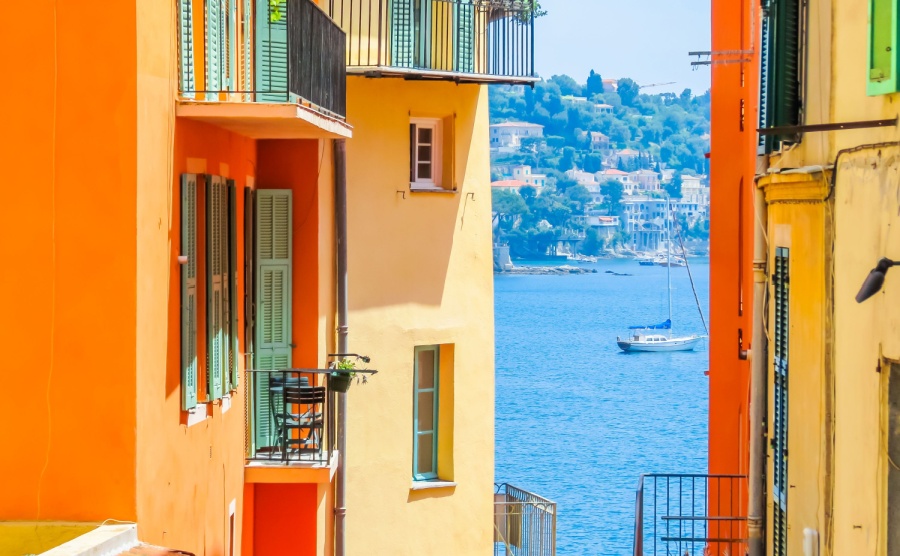
The weather is wonderful until August
The climate is one of the easiest promises to keep.
Even now, there are mornings when I find myself walking the dog beneath a cloudless January sky and wondering why anyone would willingly choose to live somewhere colder. Being able to sit outside for much of the year never entirely loses its appeal, and most newcomers underestimate quite how much difference sunshine and light makes to everyday life.
Most newcomers underestimate quite how much difference sunshine and light makes to everyday life
What estate agents tend to mention less enthusiastically is August. By the middle of summer, temperatures can become exhausting, particularly inland. Roads clog up, parking becomes competitive and simple errands begin to require a lot of time in the car. In some parts of the Mediterranean coast, the population expands exponentially for a few months each year.
Many long-term residents respond by doing exactly what northern Europeans do in winter: they stay indoors, alter their routines or leave for a while.
The weather is genuinely one of the great rewards of living in southern France. Just don’t assume that July and August are automatically the best months of the year.
Food is about more than what’s on the plate
People often talk about the quality of the food, and rightly so. Markets remain part of everyday life, seasonal produce still matters and fruit and vegetables often taste noticeably different from their supermarket equivalents elsewhere.
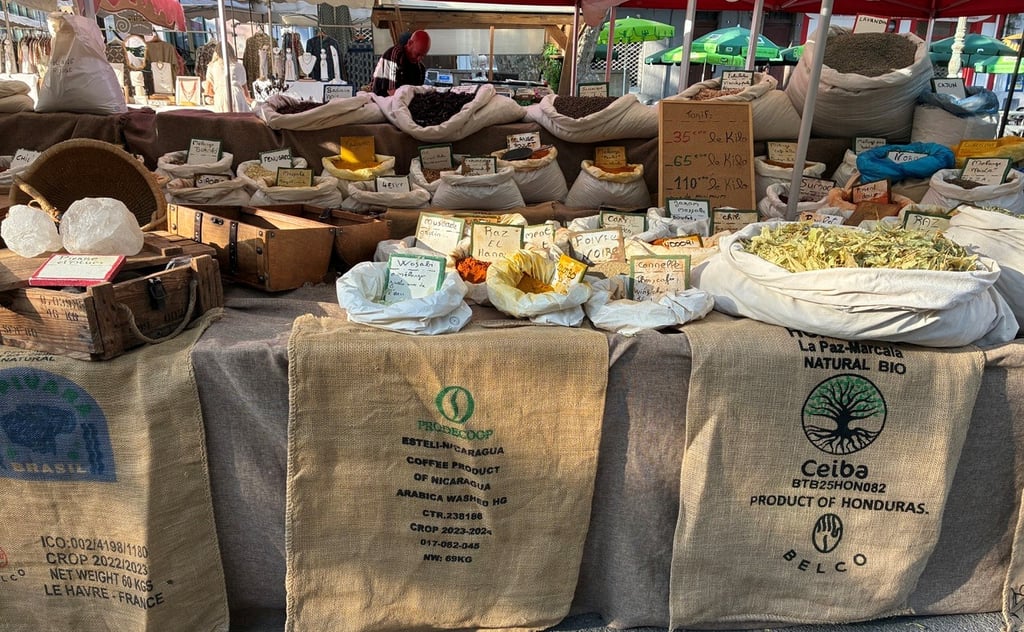
That’s only part of the picture, however. Every one of my working neighbours comes home for lunch. Not occasionally, or when they happen to have time. Every day.
For somebody arriving from Britain, where lunch is often eaten in front of a screen while answering emails, it can feel faintly surreal. Shops close. Streets become quieter. The village pauses for a couple of hours before beginning again, and you simply learn to adapt.
The food is better, certainly, but the bigger difference is that food still occupies a more important place in everyday life.
The frustrations are real
It would be dishonest of me to pretend otherwise.
French administration can be baffling. Tradespeople often operate according to schedules known only to themselves. Tasks that appear simple on paper can acquire unexpected levels of complexity. Finding a reliable plumber can sometimes feel like a greater achievement than buying the house itself.
Yet most long-term residents eventually discover that these frustrations occupy surprisingly little space in their lives. The inconveniences are real, but they tend to fade into the background rather quickly.
Beauty and practicality are not the same thing
One of the most common mistakes buyers make is falling in love with a beautiful village without asking whether it’s a practical place to live.
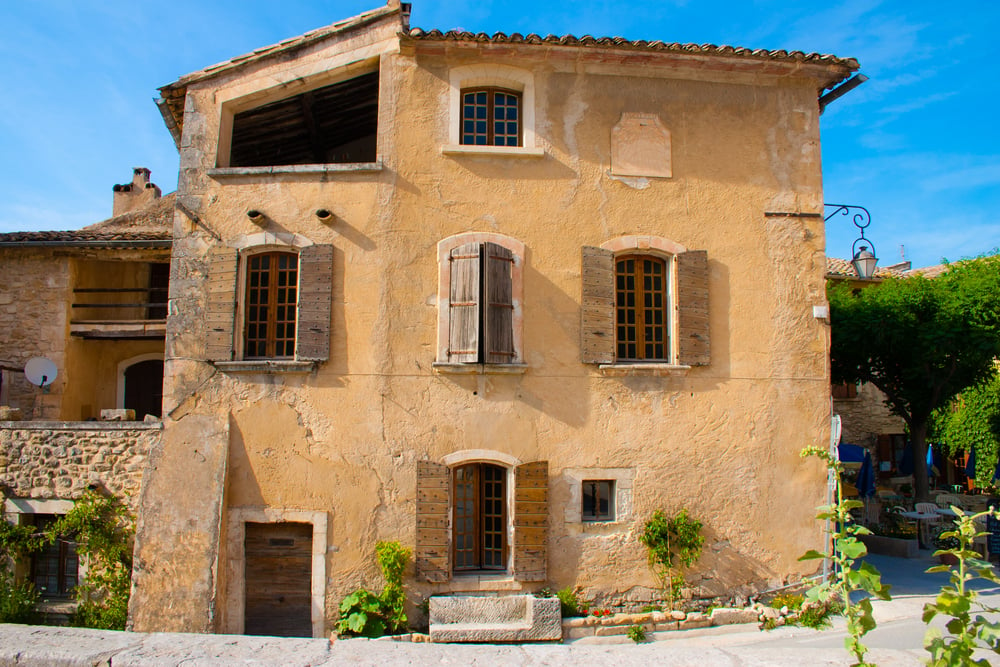
Take Bormes-les-Mimosas in the Var. It is spectacularly beautiful. The old village climbs the hillside in a cascade of flowers, stone façades and narrow lanes, while the views stretch all the way to the Mediterranean.
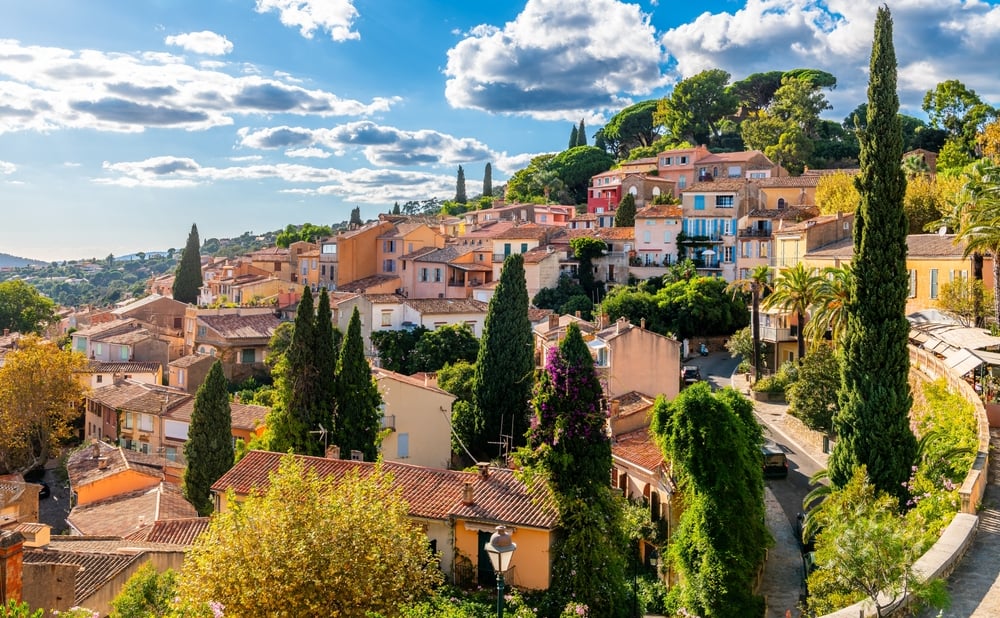
What it is not, however, is particularly convenient.
If your dream involves abandoning the car and walking everywhere, you may find yourself disappointed. There are restaurants, cafés and tourist shops, but relatively few of the everyday services that make full-time living easy such as a baker or small supermarket.
This is something buyers often overlook. A village can be beautiful enough to appear on a postcard and still be surprisingly awkward on a Tuesday morning when you need bread, a light bulb and a pint of milk. The best places usually combine charm with practicality.
Winter is when you’ll know if you’ve chosen well
If I were giving only one piece of advice to prospective buyers in a French Mediterranean village, it would be this: spend time there in winter.
Summer flatters almost everywhere. Sunshine, flowers and holidaymakers can make even an ordinary village seem enchanting. Winter is much less forgiving and therefore much more revealing. Personally, I love winter in the Mediterranean.
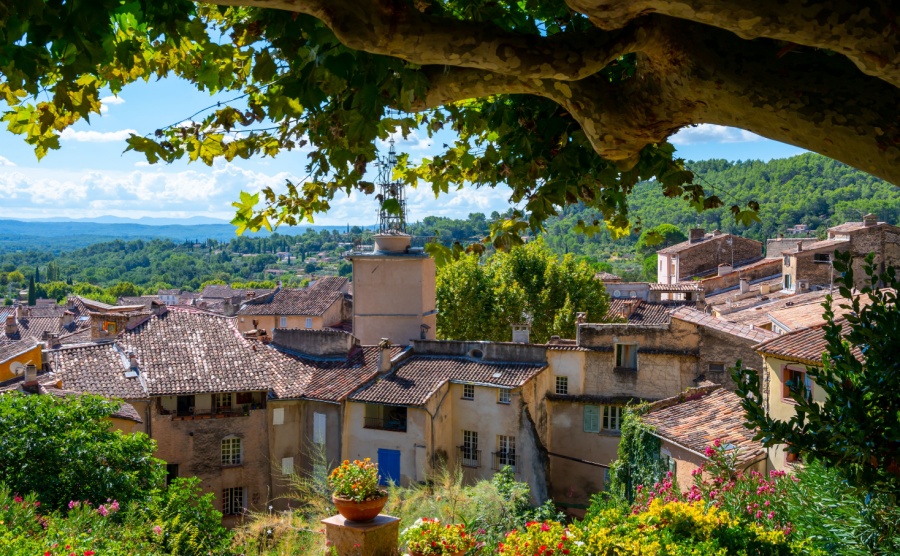
The roads empty, parking is easy and the beach belongs to us again. Walking is often better than it is in summer and, on a bright January morning, the sea can be as blue as it is in August. I’ve even swum at Christmas.
If you enjoy the place in February, there is a good chance you have found somewhere that will make you happy for years.
Making the dream work
The people who seem happiest in French Mediterranean villages are not necessarily those who arrive with the most romantic expectations. More often, they are the people who engage with local life as it exists rather than trying to recreate the one they left behind.
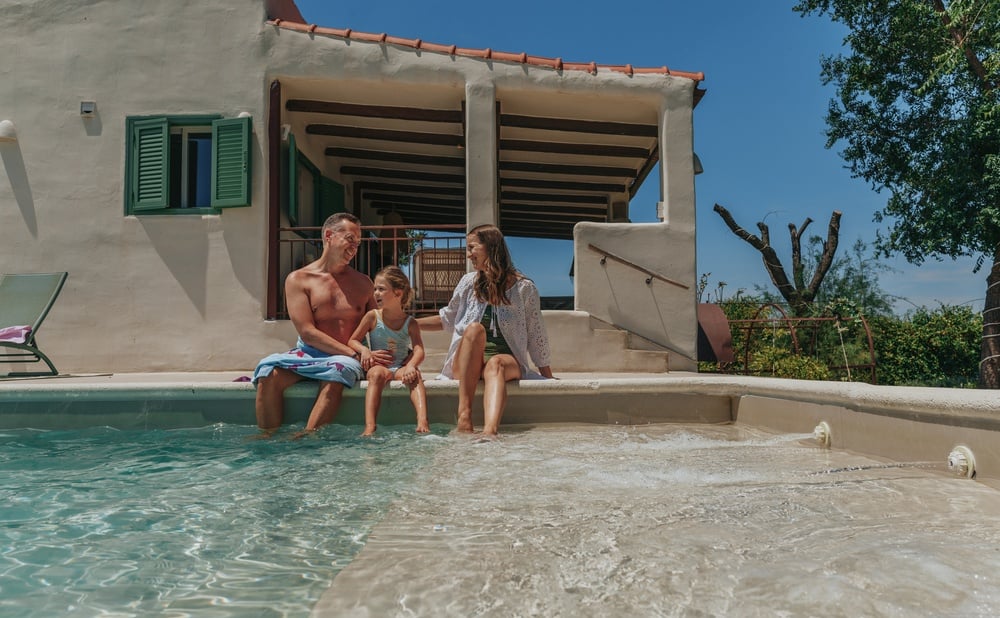
Learn French, even if imperfectly. Join something, go to local events and shop locally. Maybe buy somewhere in the heart of the community rather than that house with the pool two minutes out of town.
Most importantly, buy for winter rather than summer.
Six villages where the dream still works
Not every buyer wants the same thing, but some villages continue to offer a particularly attractive balance between beauty, practicality and year-round life.
Cotignac remains one of Provence’s most appealing villages, combining cafés, markets and everyday amenities with a genuinely lived-in feel.
L’Isle-sur-la-Sorgue is more up-market and expensive, but its waterways, antique shops and year-round activity make it one of the easiest places in Provence to live full time.
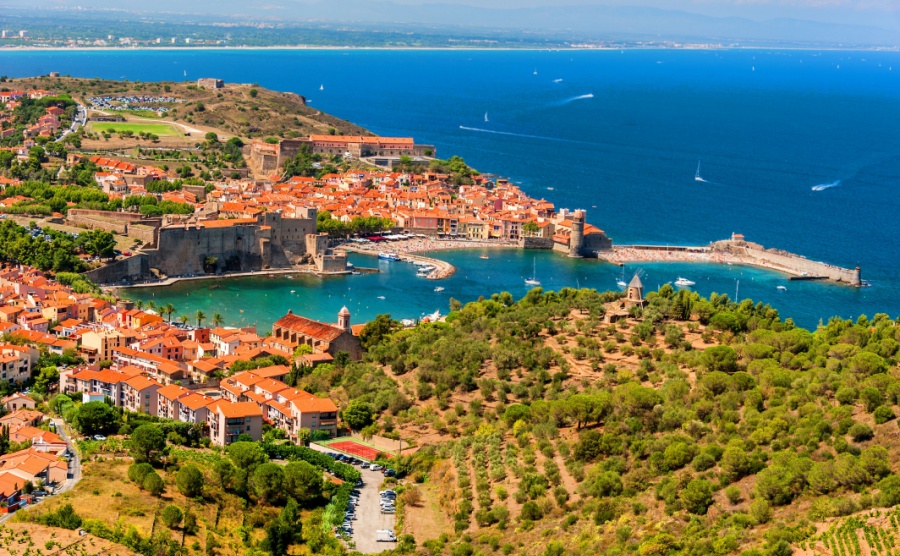
Collioure (top image) is undeniably touristy, yet its Catalan identity, spectacular setting and vibrant atmosphere continue to attract buyers from across Europe.
Grimaud offers access to the Gulf of Saint-Tropez while remaining noticeably calmer than its famous neighbour.
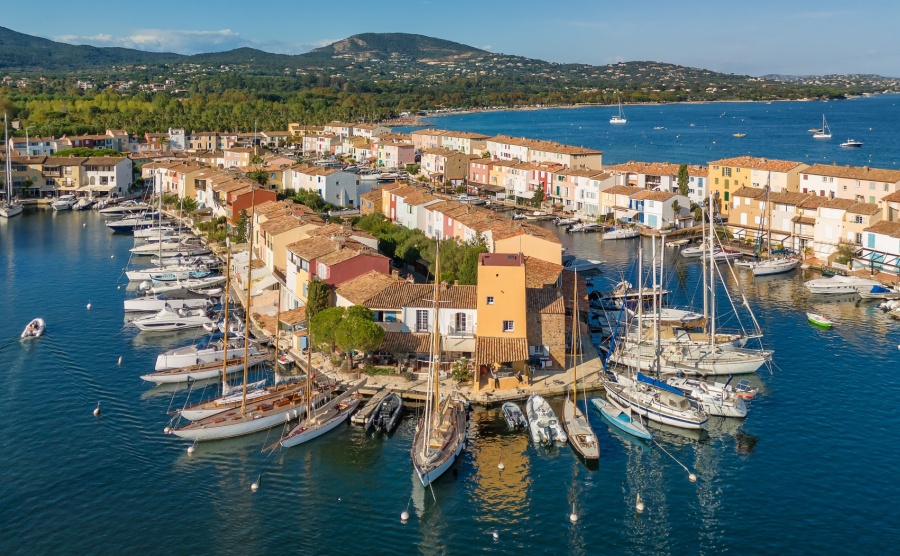
And for those looking for something quieter, Collobrières remains one of the Var’s hidden gems, surrounded by forest, walking trails and a landscape that feels a world away from the crowded coastline.
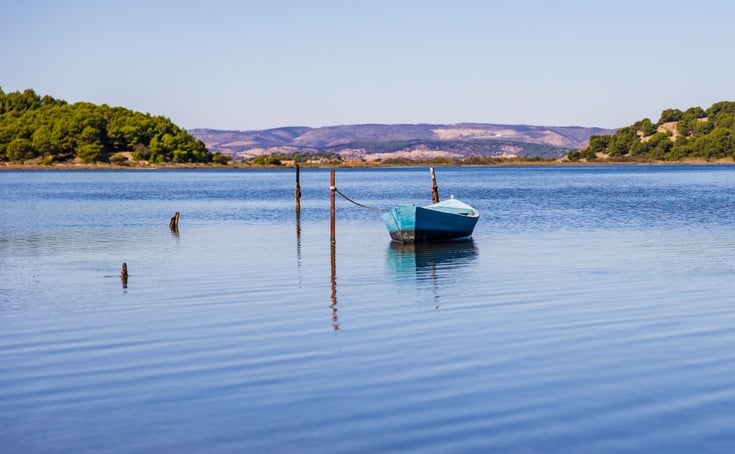
Meze, on the the Étang de Thau, a 21-kilometre-long lagoon near Montpellier, is the perfect combination of working village (it’s at the centre of the oyster trade) and tourism.
So, is it everything it promises?
On balance, yes.
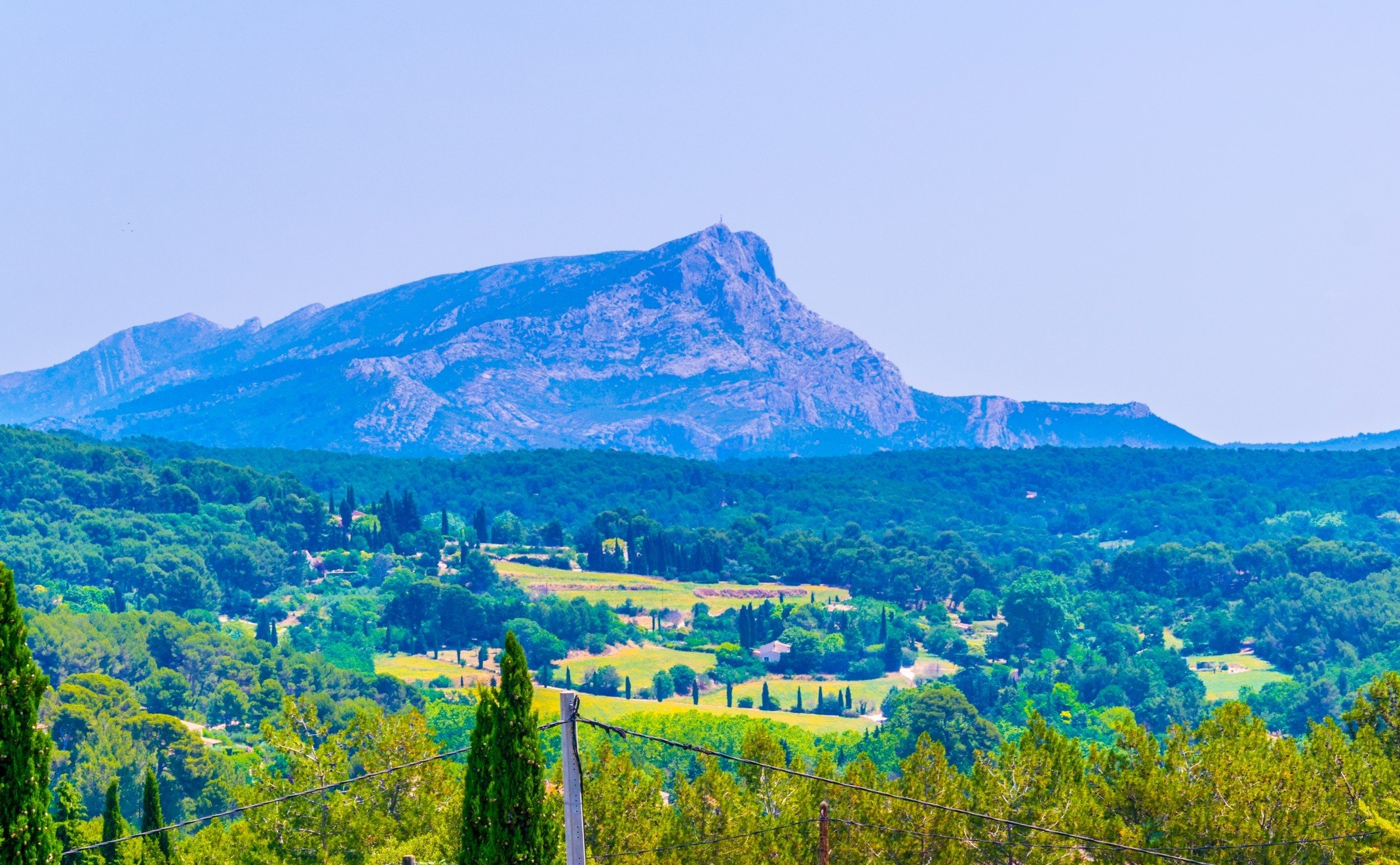
The weather is better. The produce is better. The scenery is every bit as beautiful as the photographs suggest.
What Mediterranean village life offers is not a better version of modern life but, in some respects, a partial escape from it. There are fewer choices, fewer conveniences and fewer opportunities to occupy every waking moment. For some people that sounds like deprivation. For others, it feels remarkably close to freedom.
The people who thrive are usually those who appreciate that distinction.