



The World Cup 2026 USA host cities are putting several major American property markets in front of international buyers at once. The football is the hook, but the useful question is more practical: could a tournament trip help you understand where you might actually want to buy?
For many overseas buyers, the USA can feel too large to compare in one go. This guide uses the World Cup host cities as a starting point, then looks at budget, travel links, rental rules, tax, insurance and the kind of ownership each area may suit.
The World Cup 2026 USA host cities can help property buyers compare large American markets with a practical eye. The tournament highlights places with strong travel links, rental demand and international visibility, but it doesn’t make every host city a sensible buy. Focus on budget, taxes, insurance, travel time and how often you’ll use the home.
Visiting a 2026 host city?
Use your World Cup trip to compare areas, travel times and current USA property options before arranging viewings.
Browse USA propertiesContents
- Which World Cup 2026 USA host cities should buyers watch?
- What the World Cup does and doesn’t tell you about property
- The buyer angle by host city
- Should Florida still be on your list?
- Could a World Cup trip become a viewing trip?
- Visa, tax and ownership points to check
- What should I do next?
- Summary
- Frequently asked questions
- Sources
Which World Cup 2026 USA host cities should buyers watch?
The USA has 11 World Cup 2026 host cities: Atlanta, Boston, Dallas, Houston, Kansas City, Los Angeles, Miami, New York New Jersey, Philadelphia, San Francisco Bay Area and Seattle. The tournament is being played across 16 host cities in the USA, Canada and Mexico, with 48 teams and 104 matches.
For property buyers, that list is useful because it covers several very different markets. It includes high-cost coastal cities, large Sun Belt metros, major business hubs and areas with good international recognition.
It’s worth separating football visibility from buyer suitability. A city can host important matches and still be too expensive, too urban or too complicated for the type of home you want.
What the World Cup does and doesn’t tell you about property
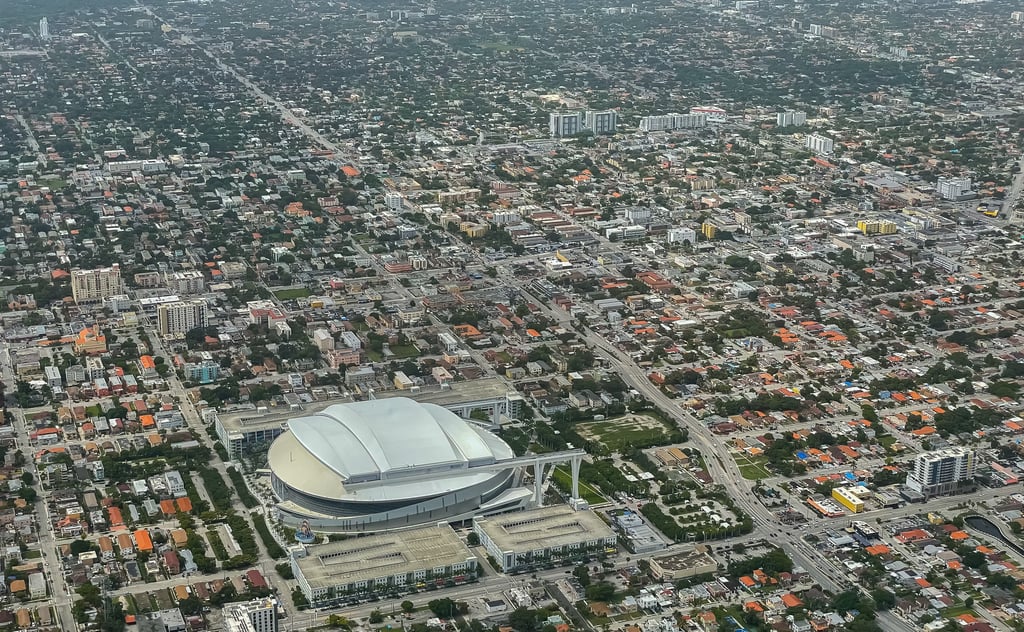
A global tournament can raise awareness of a city. It can also put pressure on hotels, short-term rentals and transport during match weeks. But it doesn’t automatically mean prices will rise, or that buying nearby is a good investment.
In our experience, serious overseas buyers need to ask a more grounded set of questions:
- Can you fly there easily from the UK or your home country?
- Would you use the property outside the tournament period?
- Are short-term rentals allowed in the specific city, county or building?
- What are the property taxes, homeowners association fees and insurance costs?
- Would the local market still make sense without the World Cup?
That last question matters. A football-led purchase can be fun to think about, but the decision still needs to work in 2027, 2028 and beyond.
The buyer angle by host city
| Host city | Buyer angle | Main caution |
|---|---|---|
| Miami | Strong international profile, beach access, rental appeal and wider Florida buyer familiarity. | Insurance, condo fees, flood risk and local rental rules need careful checks. |
| Dallas | Large housing market, business growth and more space for money than many coastal cities. | You’ll need to understand suburbs carefully, as lifestyle varies widely by area. |
| Houston | Big-city amenities, medical and business links and a comparatively practical price profile. | Flood risk, heat, insurance and driving distances need proper research. |
| Atlanta | Strong airport links, established suburbs and a broad mix of city and outer-metro property. | Traffic and neighbourhood selection matter, particularly for part-time owners. |
| Los Angeles | Global recognition, coastal access and long-term international demand. | High prices, taxes, wildfire risk and local regulation can make ownership complex. |
| San Francisco Bay Area | Strong economy, tech links and access to northern California. | Entry prices are high and value can be harder to find. |
| Seattle | Pacific Northwest setting, tech economy and good links to Canada. | Weather, pricing and distance from Florida-style holiday-home demand may not suit all buyers. |
| New York New Jersey | Final-host profile, strong transport links and access to one of the world’s largest metro areas. | High costs, property taxes and urban living may suit investors more than holiday-home buyers. |
| Boston | Education, healthcare and established East Coast neighbourhoods. | Prices can be high, and winter use may be less appealing for sun-seeking buyers. |
| Philadelphia | East Coast access with generally lower pricing than New York or Boston. | Buyers need local advice on neighbourhoods, taxes and resale demand. |
| Kansas City | More affordable than many host markets, with a growing sports profile. | It’s less familiar to many overseas buyers, so local guidance is especially important. |
The strongest buyer angle is probably not “buy in a World Cup city”. It’s “use the World Cup to compare US markets you might not otherwise have considered”.
Should Florida still be on your list?
Yes. Orlando is not a World Cup 2026 host city, but Florida still matters for overseas buyers.
The National Association of Realtors reported that foreign buyers purchased $56bn of US existing homes from April 2024 to March 2025. Florida was the top US destination for foreign buyers, accounting for 21% of purchases, followed by California, Texas, New York and Arizona.
That’s why a USA property article shouldn’t ignore Florida just because the World Cup map does. Miami is the only Florida host city, but many buyers looking at the state are more interested in Orlando, the Gulf Coast, Palm Beach, central Florida or western Florida.
If Florida is already on your list, start with our guide to how to buy property in the USA, then compare where to buy property in central and western Florida. If you’re drawn to the theme-park corridor, our guide to the best places to buy in Orlando is a useful next step.
Could a World Cup trip become a viewing trip?
It can, but don’t overload the itinerary. Match travel, airport transfers and city crowds can make a viewing schedule harder than it looks.
A sensible plan is to use the trip for first impressions rather than final decisions. Spend one or two days seeing neighbourhoods, drive times, supermarkets, healthcare access and the sort of property you can afford. Then book a separate buying trip if one area feels right.
For example, if you’re going to Miami, you could compare condo-heavy coastal areas with more residential communities inland. If you’re going to Dallas or Houston, you’ll probably need a car and a clear shortlist of suburbs before you arrive.
For many buyers, the World Cup is best used as a research trigger. It gets you on the ground, but the buying process should still be calm, documented and properly advised.
Visa, tax and ownership points to check

Most British citizens with the unrestricted right of permanent abode in the UK may be eligible to travel to the USA under the Visa Waiver Program for tourism or business stays of 90 days or less, provided they have approved ESTA authorisation and meet the other requirements. The US Department of State also makes clear that permanent residence and employment are not permitted under the Visa Waiver Program.
That means a football trip or viewing trip is not the same as permission to live in the USA long term. Buying property in the USA does not automatically give you residence rights.
Before making an offer, check:
- your visa position if you plan to spend long periods in the USA
- state and county property taxes
- federal and state tax on rental income
- estate planning and inheritance exposure
- foreign exchange planning from pounds to US dollars
- insurance availability, especially in Florida, California and coastal areas
- short-term rental rules at city, county and homeowners association level
For tax and legal points, speak to qualified US advisers before you commit. The USA is not one property market. Rules and costs can shift significantly from one state, county or city to another.
What should I do next?
If the World Cup has made you think more seriously about buying in the USA, start by choosing the type of ownership you want. A holiday home near Orlando, a city apartment in Miami and a suburban house near Dallas are three very different purchases.
Then build your budget in US dollars, including taxes, insurance, homeowners association fees and currency movement. Smart Currency Exchange can help you plan the timing of your payments, so exchange-rate shifts don’t catch you at the wrong point in the buying process.
You can also read how to buy property in the USA before speaking to a local property specialist.
Summary
The World Cup 2026 USA host cities are a useful way to compare major US property markets.
Miami, Dallas, Houston and Atlanta may feel more practical for many overseas buyers than the highest-cost coastal cities.
New York New Jersey, Los Angeles, San Francisco, Boston and Seattle offer strong recognition, but prices and ownership costs can be high.
Florida remains central to overseas buyer demand, even though Orlando is not a host city.
A World Cup trip can help you shortlist areas, but it shouldn’t replace a focused viewing trip.
Before buying, check visas, taxes, insurance, rental rules and currency planning.
Frequently asked questions
The USA host cities are Atlanta, Boston, Dallas, Houston, Kansas City, Los Angeles, Miami, New York New Jersey, Philadelphia, San Francisco Bay Area and Seattle.
Not automatically. A host city may get more international attention during the tournament, but your decision should still be based on long-term demand, local costs, tax, insurance, rental rules and your own use of the property.
No. Orlando is not one of the World Cup 2026 host cities. It may still be relevant for overseas buyers because of its holiday-home market, theme-park access and existing international buyer interest.
Many UK travellers use ESTA under the Visa Waiver Program for trips of 90 days or less, but you must meet the requirements. ESTA does not give you permission to live permanently in the USA, and it doesn’t guarantee admission at the border.
No. Buying property in the USA does not automatically give you the right to live there. Speak to a qualified immigration adviser if you plan to spend long periods in the country.
Sources
- White House FIFA World Cup 2026 Task Force – US host cities and projected economic impact.
- The Guardian – 2026 World Cup host cities, 48 teams, 104 matches and tournament context.
- National Association of Realtors – 2025 international transactions in US residential real estate.
- US Department of State – Visa Waiver Program and ESTA requirements.