



A home in France comes with the promise of easy weekends away and long summers exploring. But how you reach it, and how you get around once you arrive, has shifted in recent years – and 2026 brings the biggest change yet at the border. Understanding transport in France now means understanding the new EU entry rules as much as the motorways and trains.
The good news is that the practical toolkit is stable. Ferries, trains, flights and your own car all still do the job, and France remains one of the easiest countries in Europe to travel across. This guide covers what has changed and what to expect in 2026, whether you fly in for long weekends or drive down for the season.
In short: transport in France covers driving, high-speed and regional trains, ferries, flights and city metros. For overseas owners, two 2026 changes matter most. The EU’s Entry/Exit System (EES) now logs the entry and exit of non-EU visitors at the border and counts their days automatically. Driving-licence rules depend on where your licence was issued. ETIAS, the separate travel authorisation, is not yet live.
Contents
- Travelling to France and the new EU entry rules
- Driving in France and your licence
- Low-emission zones and Crit’Air
- Tolls and motorways
- Trains and Eurostar
- Ferries and Le Shuttle
- Flights and regional airports
- City public transport in France
- Bringing vs buying a car
- What should I do next?
- Summary
- Frequently asked questions
Travelling to France and the new EU entry rules
This is the part of any older guide most likely to be out of date, and it now applies to far more people. Since 10 April 2026, the EU’s Entry/Exit System (EES) has been fully operational for all non-EU visitors, whether you travel on a British, American, Australian or Canadian passport. It replaces the passport stamp with a digital record, and on your first crossing it captures your photo and fingerprints.
For anyone who splits time between France and a home outside the EU, the effect is the same. The system now counts your 90 days in any 180 across the whole Schengen area, to the day, and flags an overstay when you leave. Casual overstaying at your French home is no longer an option, and an overstay can bring a fine and a mark against future trips.
ETIAS is a different thing, and it is not yet in operation. The EU dropped its target launch date in mid-2026, and a 2027 start now looks most likely. When it arrives it will be a short online authorisation for visa-exempt non-EU travellers, not a visa: the fee is set at €20 (about £17), valid three years. For now there is nothing to apply for, so treat any site inviting you to “apply for ETIAS” with caution. For the detail on both schemes, see our guide to what the new EES and ETIAS rules mean for you.
Driving in France and your licence
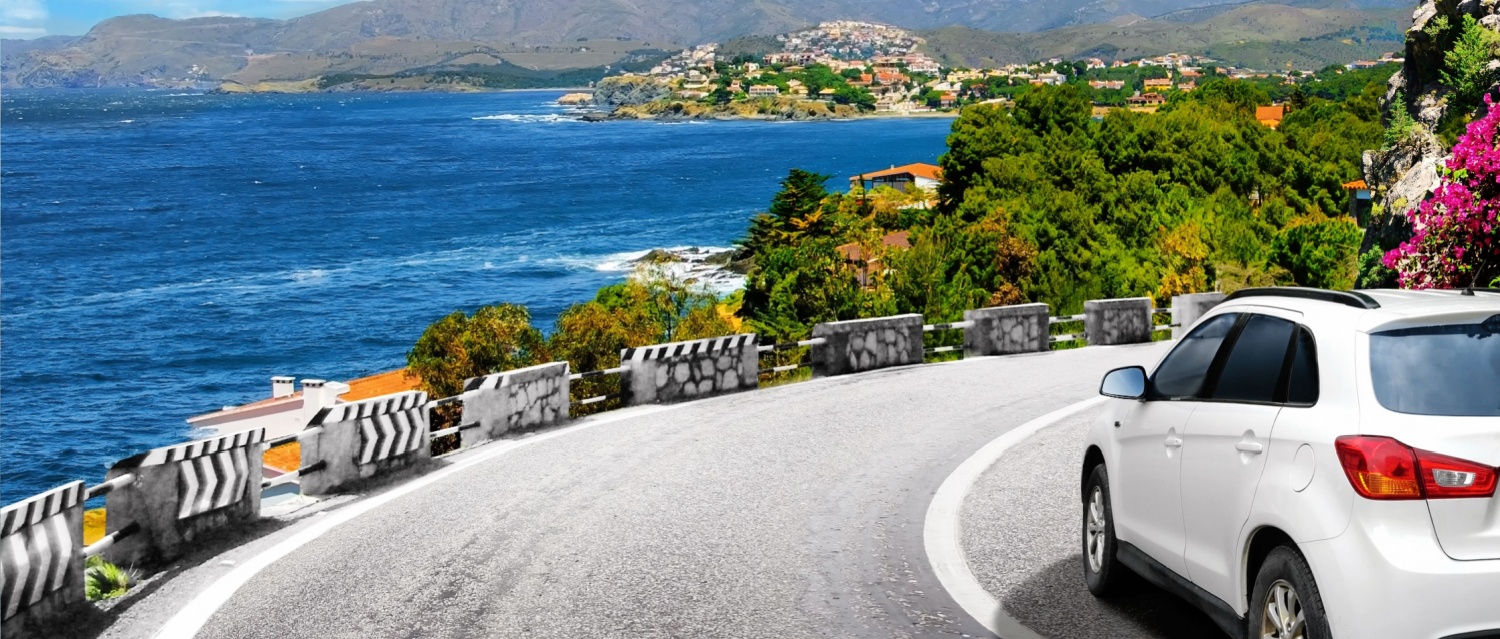
As a visitor, you can usually drive in France on a valid licence from your home country. EU and UK licences are accepted as they are; drivers with other non-EU licences, such as US, Canadian or Australian ones, are generally expected to carry an International Driving Permit alongside them. You drive on the right, so adjust your headlamp beam and take a little care at junctions and roundabouts.
Carry your licence, your vehicle documents and your insurance certificate at all times, plus a warning triangle and a reflective vest inside the car. If you bring a car from your home country, display its national identifier – for UK vehicles that now means “UK”, not the old “GB”. Check that your insurer covers you for driving in the EU and carry proof; UK drivers can confirm the current position on GOV.UK.
Residents face an extra step, and the rules depend on where your licence is from. Whether, and by when, you must exchange it for a French permis comes down to the agreement between France and the country – or, in the US, the state – that issued it. As a worked example, UK licences issued before 1 January 2021 stay valid until they expire, while those issued on or after that date must be exchanged via the ANTS process within a year of your residence card, with a €40 stamp. If you’re driving over from the UK for the first time, our guide to driving to France from the UK covers the crossing and what to pack.
Low-emission zones and Crit’Air
Many French cities operate low-emission zones (Zones à Faibles Émissions, or ZFEs), and these apply to foreign-registered cars too. To drive into one you need a Crit’Air sticker, an emissions badge that classifies your vehicle. Paris, Lyon and Grenoble run the strictest schemes, and you’ll need a sticker driving off the ferry into cities such as Caen, Rouen and Le Havre.
There was a real chance this would change in 2026. Parliament voted in April to scrap ZFEs, but the Conseil constitutionnel struck that measure down on 21 May 2026 on procedural grounds. So the zones remain law, and Crit’Air stickers are still required – though the debate could return, so it’s worth checking before you drive into a big city.
Order the sticker only from the official French government Crit’Air site. It costs only a few euros, lasts the life of the vehicle and can take a few weeks to reach an address abroad, so order it in good time. Fines for driving in a zone without one start at around €68.
Tolls and motorways
Most French autoroutes are toll roads (péages). You either take a ticket and pay on exit, or drive through free-flow tolling that reads your plate and expects payment within 72 hours. Miss that window and a fine follows automatically, so keep a note if you use a barrier-free stretch.
If you make the trip several times a year, an electronic tag such as Ulys or Emovis lets you use the fast lanes and settle automatically. As a rough guide, motorway tolls run at roughly €9 to €10 per 100km, and a long haul like Paris to Nice comes to around €85 to €95. There’s no annual road tax to offset it.
Fuel is worth budgeting for, as France sits among the pricier markets in Europe – around €1.95 a litre in mid-2026, with supermarket forecourts usually cheaper than motorway stations. If you’re covering these running costs from income in another currency, it’s worth planning how you manage your money in France; fixing a rate with a specialist like Smart Currency Exchange stops a falling exchange rate quietly inflating your fuel, tolls and insurance.
Trains and Eurostar

Once you’re in France, the rail network is fast and reliable. The high-speed brand is TGV INOUI, with OUIGO as the budget option, TER for regional journeys and Intercités for longer and overnight routes. Book on SNCF Connect, which has an English-language version and mobile tickets.
From the UK, Eurostar links London and Paris in about two and a half hours, with fares from around £40 one way if you book early. It’s a low-stress alternative to flying or driving, and border and (in time) ETIAS checks happen before you board.
A few habits save money and hassle. Book a couple of months ahead for the best fares, as prices rise with demand. TGV tickets are tied to a specific train, so a missed departure can mean buying again. And remember the TGV station can sit several kilometres outside a town centre.
Ferries and Le Shuttle
If you’re travelling from the UK or nearby Europe and want your own car with you, you have two main options across the Channel. The short crossings run Dover to Calais in about 90 minutes (P&O, DFDS and Irish Ferries) and Dover to Dunkirk with DFDS. Eurotunnel LeShuttle carries cars from Folkestone to Calais in about 35 minutes and is the quickest way across.
For western France, Brittany Ferries sails from Portsmouth, Poole and Plymouth to Caen, Cherbourg, St Malo and Le Havre, which suits owners in Normandy, Brittany and the south-west. DFDS also runs Newhaven to Dieppe. Which route works best usually comes down to how close the French port is to your home rather than the crossing time alone.
Flights and regional airports
For buyers coming from further afield, flying in is the usual route. Paris (Charles de Gaulle and Orly) connects to most of the world, and France then has a dense network of regional airports, so many owners buy near one on purpose. Bergerac, Limoges, Bordeaux, Toulouse, Nice, Montpellier and Biarritz are all served by direct European flights, which is handy for onward hops or short visits.
One 2026 change is worth knowing if you rely on a small airport. After France raised its air “solidarity tax” sharply in 2025, some carriers cut French routes and seats. Bergerac returned for summer 2026, for example, while a few smaller routes stayed suspended, so it pays to check flights season by season before you count on a particular airport.
Separately, France has banned some short domestic flights where a direct train does the same journey in about two and a half hours or less, mainly on links involving Paris. For most owners that simply nudges you towards the TGV, which is often quicker door to door anyway.
City public transport in France
In the cities, public transport is frequent and good value. Paris simplified its fares from 2025, so zones no longer matter for single tickets: a single is about €2.55, a day pass around €12.30 and a monthly Navigo around €90, with a flat €14 fare to and from the airports. Load tickets onto a Navigo Easy card or the app, and validate every trip.
Other cities run their own systems – Lyon, Lille, Marseille and Bordeaux all have metro or tram networks with local passes. In rural areas, though, buses can be rare, especially on Sundays. If you’re house-hunting, it’s worth weighing local transport links as you shortlist; our guide to where to buy in France, region by region can help you match an area to how you plan to travel.
Bringing vs buying a car
If you become resident, any car you keep in France must be registered there within a month, which means getting a carte grise through the ANTS portal. You can bring a car from your home country, but importing it involves customs clearance, a certificate of conformity from the manufacturer (roughly €100 to €300) and a regional registration tax.
For many owners, buying a French-registered car locally is simpler than importing one from abroad. Either way, factor it into your move to France alongside insurance and the licence steps above.
What should I do next?
Where you go from here depends on how far along you are:
- Just travelling for now: check your passport’s dates, plan around the 90/180 rule and expect EES checks at the border.
- Recently moved or about to: check where your driving licence was issued to see whether you need to exchange it, and sort your Crit’Air sticker before you drive into a city.
- Still buying: weigh transport links as you shortlist, and read the French property buying process and the costs of buying property in France so nothing catches you out.
Summary
Transport in France still works well, and driving, trains, ferries and flights all remain straightforward for overseas owners. The real 2026 change is at the border: EES is now live for all non-EU visitors and counts their days automatically, while ETIAS is not yet running and needs nothing from you for now. Driving-licence rules depend on where your licence was issued, and residents may need to exchange theirs. Crit’Air zones survived a 2026 abolition attempt and still apply. Fares, tolls and fuel move with the market, so treat the figures here as a guide and budget your running costs with a little care.
Frequently asked questions
Yes. UK licences are valid in France, but if you become a resident, you may be required to exchange your licence. Make sure to carry your licence, insurance and registration documents when driving.
Yes. France has an excellent road network, including scenic departmental roads and smooth autoroutes. Be aware of strict speed limits, radar enforcement and the need to carry safety equipment in your car at all times.
France’s rail system is efficient and widespread. TGV high-speed trains connect major cities, and local services reach rural areas. Book early for the best prices and always validate physical tickets before boarding.
Cities like Paris, Lyon and Toulouse offer metro, bus and tram networks. Contactless cards and travel apps make it easy to navigate, and multi-ride passes offer good value for frequent users.
Yes, especially from rural areas to business hubs like Paris or Lyon. However, many short-haul routes are being phased out due to environmental policies. High-speed trains now replace many under-2.5-hour domestic flights.
Sources
- European Union – Entry/Exit System (EES) and ETIAS (accessed July 2026)
- GOV.UK – Driving in the EU (accessed July 2026)
- service-public.gouv.fr – Exchanging a driving licence (accessed July 2026)
- French government – Crit’Air certificate (accessed July 2026)
- SNCF – SNCF Connect (accessed July 2026)