

From award-winning food markets in Normandy to medieval squares in Dordogne and the sunny streets of southern France, these seven market towns offer something worth getting up for on a Saturday morning – and plenty to enjoy for the rest of the week.
One of the pleasures of living in France is having a weekly market on your doorstep. You can pick up vegetables grown a few miles away, discover what is in season and gradually get to know the people behind the stalls. Before long, buying your cheese or choosing Saturday’s lunch becomes a social occasion as much as a shopping trip.
But if you’re thinking of buying a home in France, there’s another reason to seek out a good market town. Markets bring people into town, supporting local cafés, restaurants and shops. And unlike some holiday destinations, the best market towns have plenty going on outside the summer season.
We’ve chosen seven French market towns where you could enjoy that experience throughout the year. Four have been recognised in TF1’s national Votre Plus Beau Marché competition, while several offer opportunities to buy a home within walking distance of the market square.
1. Dieppe, Normandy – France’s favourite market
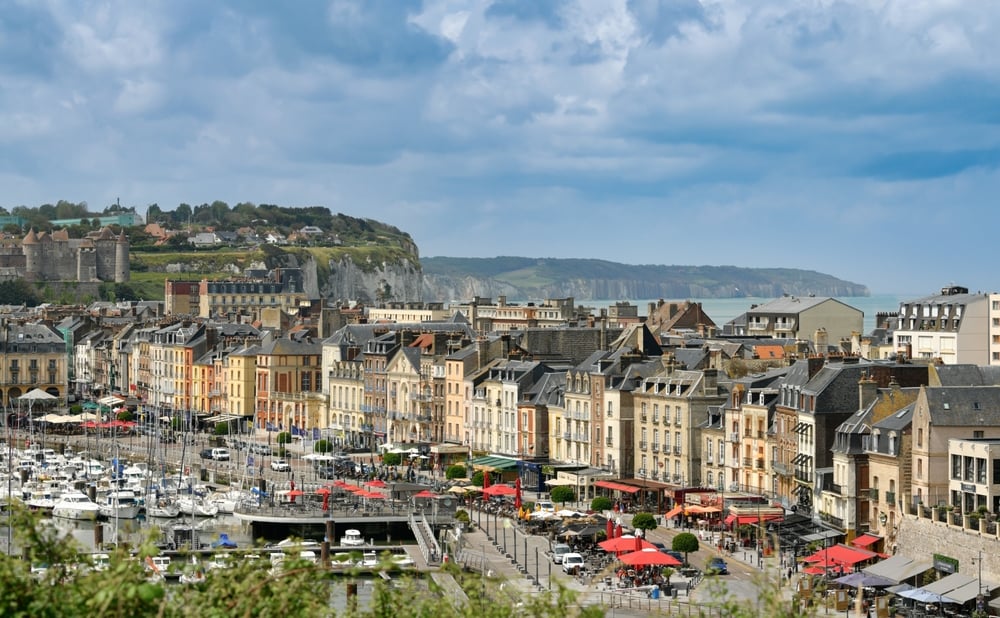
Market day: Saturday
If you want a market with a national reputation, Dieppe is an excellent place to start. Its Saturday market was voted France’s favourite in 2020, beating markets from across the country.
More than 200 traders can fill the streets around the historic centre, selling everything from Normandy cheeses and seasonal vegetables to flowers, clothing and freshly caught seafood.
Fish is particularly important here. Dieppe remains a working fishing port, so you can buy local seafood, including the scallops for which this stretch of the Normandy coast is famous.
The market is only part of the attraction. Dieppe has a busy commercial centre, a marina, a beach and restaurants serving local residents as well as visitors. Its fishing industry and everyday services help sustain activity beyond the summer holidays.
For British buyers, accessibility is another advantage. The ferry connection with Newhaven makes Dieppe particularly convenient for regular visits or a second home.
Property buyers can look for apartments in the historic centre, traditional townhouses or houses in the surrounding Normandy countryside. If you want the beach, shops and market within walking distance, central Dieppe is worth exploring.
2. Dinan, Brittany – a medieval market with a modern community
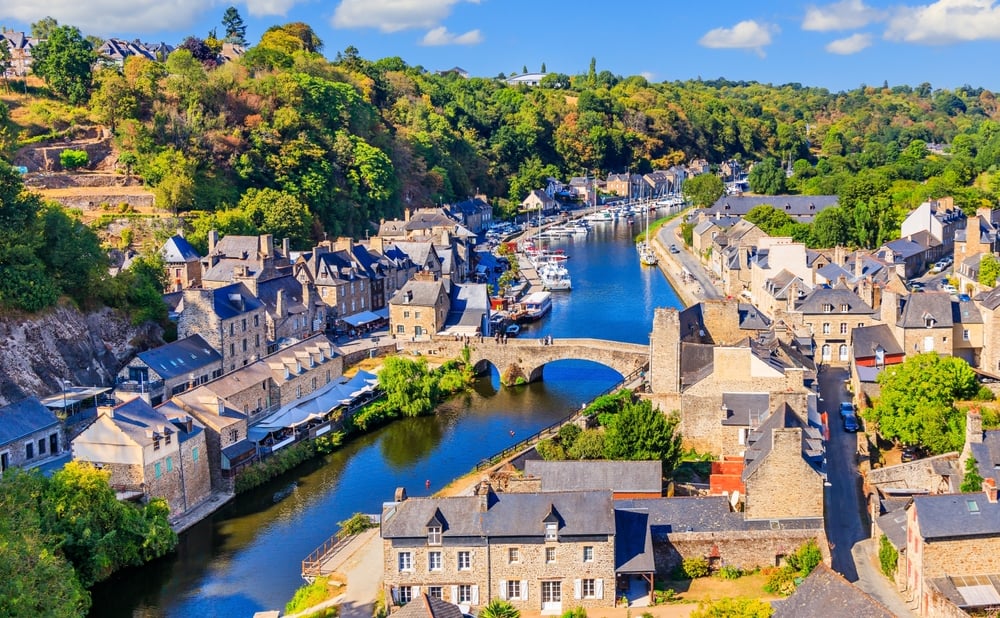
Market day: Thursday
Dinan’s Thursday market is one of Brittany’s best-known, finishing sixth nationally in the 2024 Votre Plus Beau Marché competition.
The setting is a considerable part of its appeal. Market stalls spread across Place Duguesclin and Place du Champ Clos, surrounded by the medieval streets and half-timbered houses for which Dinan is famous.
In summer, the market can attract around 160 traders, selling fresh produce, Breton specialities, flowers and household goods. Look out for the traditional galette-saucisse, a sausage wrapped in a buckwheat pancake, or pick up some Breton butter and cheese for lunch.
Dinan also has a permanent population of around 14,000 and a commercial centre that operates beyond the tourist season. Its renovated covered market, La Cohue, offers food businesses, places to eat and artistic activities from Tuesday to Saturday.
You can spend your afternoons exploring the town’s independent shops, walking down to the picturesque port on the River Rance or visiting nearby Saint-Malo and the Emerald Coast.
For property buyers, Dinan offers an appealing choice between historic townhouses, apartments and traditional Breton stone homes in the surrounding countryside. It’s particularly attractive if you want a smaller town with plenty of amenities rather than a purely rural location.
3. Villeréal, Lot-et-Garonne – 700 years of market tradition
Market day: Saturday
Villeréal may be a small town, but its market has a formidable reputation. It finished second nationally in the 2026 Votre Plus Beau Marché competition.
The market dates back to 1269, when this medieval bastide town was established. Its centrepiece is a remarkable timber-framed market hall, surrounded by arcaded buildings that have sheltered traders and shoppers for centuries.
Around 80 traders attend the regular Saturday market, with more stalls spilling into neighbouring streets during the summer. You’ll find duck specialities, local cheeses, fruit, vegetables and the produce of the surrounding Lot-et-Garonne countryside.
Despite its modest size, Villeréal has cafés, restaurants, shops and a supermarket. The market remains a regular meeting place for people living in the surrounding villages, making it especially appealing if you’re considering a country home.
The town sits close to the Dordogne border, within reach of Bergerac, Monpazier and the villages of southern Périgord.
Property buyers can choose between characterful stone townhouses, village homes and detached country properties with gardens.
For example, this three-bedroom house just 3km from Villeréal was advertised for €197,950, with 4,500m² of land.
4. Ribérac, Dordogne – a Friday tradition in the French countryside
Market day: Friday
If you’re dreaming of a country home in France but don’t want to spend every day on your own, Ribérac deserves a look.
Its Friday market is one of the best-known in this part of western Dordogne, attracting shoppers from the surrounding countryside. The streets fill with traders selling vegetables, cheese, bread, flowers and regional specialities.
There’s a seasonal rhythm to shopping here. Summer brings tomatoes, melons and stone fruit, while autumn and winter offer walnuts, mushrooms and other produce associated with the Périgord.
Ribérac is also a practical town for everyday living. It has supermarkets, independent shops, cafés, restaurants and services that support the surrounding rural population.
This is a different proposition from some of Dordogne’s more heavily visited medieval towns. Ribérac is less dependent on sightseeing and more focused on the needs of people who live nearby.
For property buyers, the surrounding area offers traditional stone houses, farmhouses and village properties, often with generous gardens.
You can also buy in the town itself. This four-bedroom house in central Ribérac, advertised for €119,900, has a terrace and original period features.
5. Sarlat-la-Canéda, Dordogne – where winter brings its own delicacies
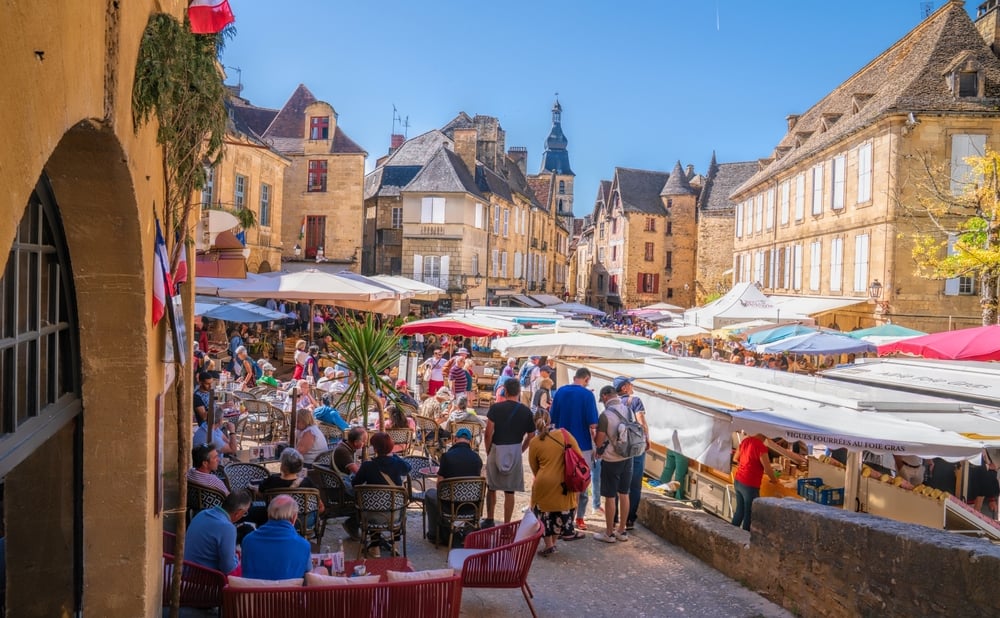
Market days: Wednesday and Saturday
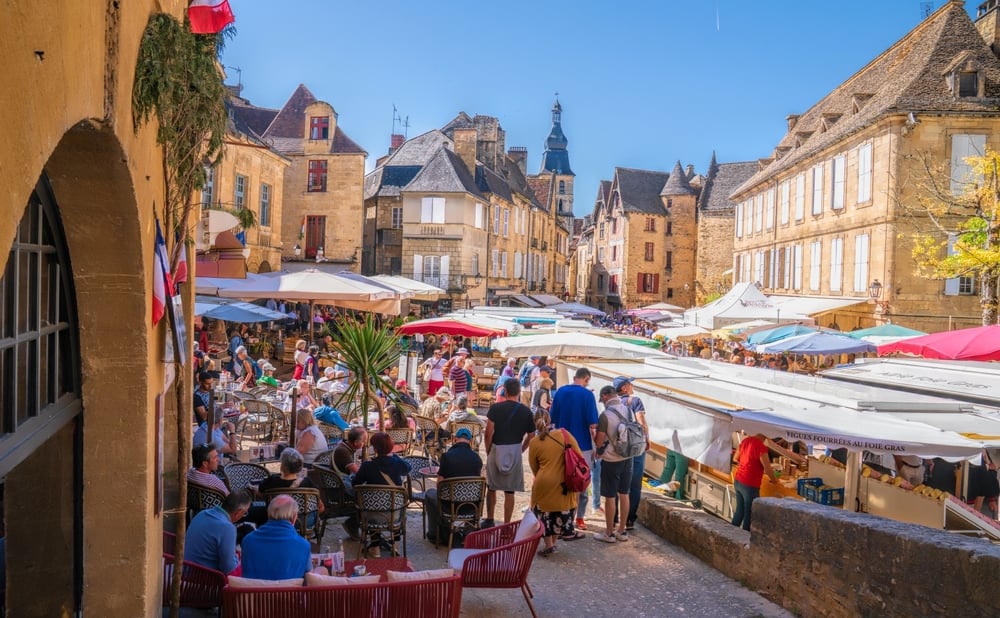
Sarlat is one of Dordogne’s most famous towns, with honey-coloured stone buildings, narrow medieval streets and a reputation for excellent food.
Its markets take place throughout the year, with a smaller food market on Wednesday mornings and a larger Saturday market that fills the historic centre.
Here you can buy many of the ingredients that have made Périgord cooking famous: walnuts, duck, goose, local cheeses, mushrooms and seasonal fruit.
And while summer attracts large numbers of visitors, winter brings its own attractions. From December into March, Sarlat holds specialist truffle markets, while January’s truffle celebrations provide another reason to visit.
Sarlat also has a covered food market in the former Sainte-Marie church, a striking building converted into a contemporary market space.
There is a considerable difference between the busy summer streets and quieter winter months, but the town retains shops, restaurants and everyday services for its permanent residents.
For property buyers, Sarlat offers historic apartments and townhouses as well as country homes in the surrounding Périgord Noir.
This two-bedroom house near the medieval centre was advertised for €190,000, with a garden and rooftop terrace.
6. Béziers, Hérault – an award-winning market near the Mediterranean
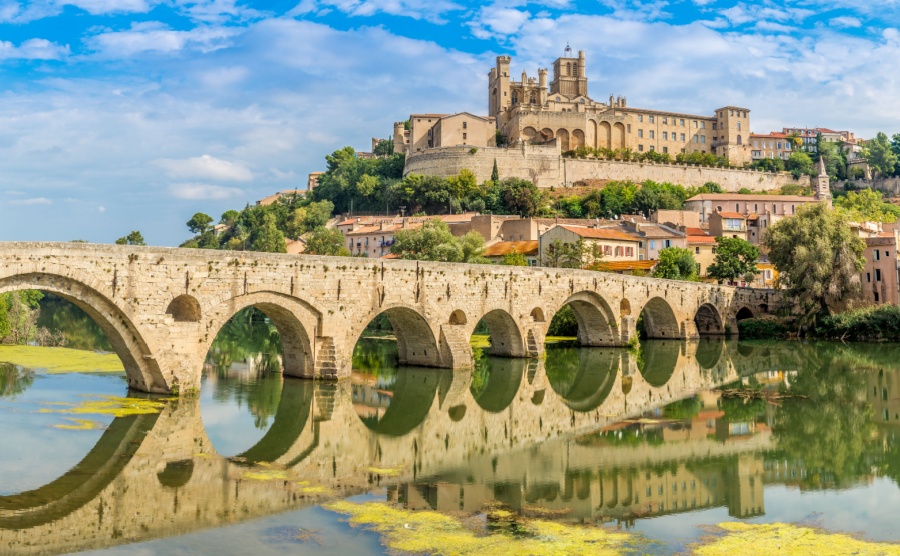
Market: Les Halles, with regular opening throughout the week
Béziers has a particularly strong claim to market fame. Its renovated covered market, Les Halles, won the 2025 Votre Plus Beau Marché competition, taking the national title.
The market is housed in a handsome 19th-century building in the historic centre. Inside, food traders offer regional produce, meat, cheese, fish and other specialities, alongside places where you can stop for something to eat.
Unlike a weekly street market, Les Halles offers opportunities to shop and eat on several days of the week. It’s an important part of the city’s food scene and one of the attractions of living in central Béziers.
Béziers is also a substantial city with year-round shops, restaurants, cultural events and services. The Canal du Midi passes nearby, while Mediterranean beaches are within easy driving distance.
For buyers, the attraction is the combination of southern French weather, city amenities and access to the coast. You could choose a historic apartment in the centre, a modern home in a residential neighbourhood or a village house among the surrounding vineyards.
The choice can be surprisingly affordable. This two-bedroom apartment in a historic Béziers building was advertised for €180,000, with high ceilings, period features and balconies.
7. Pézenas, Hérault – a market tradition dating back to 1434
Market day: Saturday
Just inland from the Mediterranean, Pézenas combines historic architecture, independent shops and a weekly market that has been held for almost 600 years.
The market was formally established in 1434, and every Saturday morning around 120 traders set up stalls through the centre of town.
You can buy fresh fruit and vegetables, cheese, olives, flowers, clothing and handmade goods. There is also a separate year-round organic market featuring local producers.
Pézenas has long been associated with artists and craftspeople, and its narrow streets are lined with galleries, workshops and independent shops. The town also has a connection with the playwright Molière, who performed here in the 17th century.
Although visitor numbers increase in summer, Pézenas remains a functioning town with schools, supermarkets, healthcare and other everyday services.
For property buyers, its position is particularly appealing. You can reach Mediterranean beaches in around half an hour, while the surrounding vineyards and villages offer plenty of opportunities for rural living.
Homes range from historic apartments in the centre to village houses with terraces and detached properties outside town.
For example, this two-bedroom apartment in the heart of Pézenas was advertised for €245,000, with 120m² of living space and original stone features.
How to choose a French market town to live in
A good market is a wonderful starting point when choosing where to live in France, but there’s more to consider than how many stalls appear on Saturday morning.
Visit during the week, preferably outside the main holiday season. Check which cafés and restaurants are open, whether you can walk to the shops and how easily you can reach healthcare, transport and other services.
It’s also worth looking beyond the town centre. A country house five or ten minutes from a thriving market town can offer you the garden and views you want without giving up convenient access to everyday life.
And if you’re planning to retire to France, think about how your needs might change. A home within walking distance of the market, shops and cafés could be more practical in the long term than a remote property where every journey requires a car.
Most importantly, spend some time in the town when the market isn’t taking place. If you still enjoy being there on a quiet Tuesday in February, you may have found somewhere worth calling home.