

When most people picture moving to Spain, the same handful of names come to mind – Madrid, Barcelona, Seville, Málaga, Valencia. All wonderful cities. But Spain has a quieter, less obvious side, one that rewards those willing to look beyond the obvious, and it’s often considerably easier on the budget too.
Across the peninsula, a string of smaller cities offer something the Costas rarely can: genuine Spanish life, year-round communities and a slower, more grounded pace. Here are seven of the best.
Contents
Girona, Catalonia
- Population: approx. 104,000
- Nearest airport: Girona-Costa Brava (local) or Barcelona, 113km
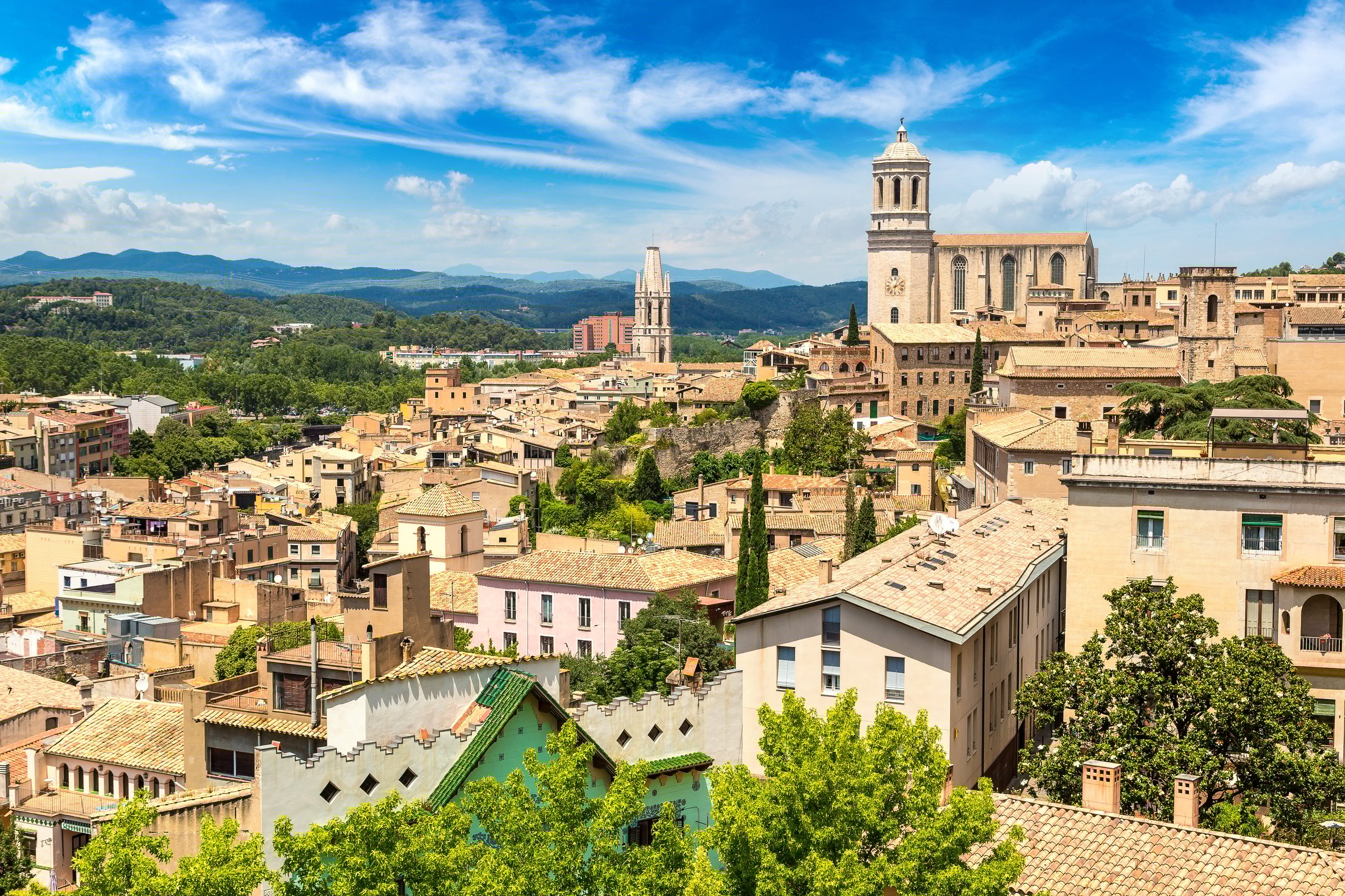
For most visitors, Girona is simply the airport for cheap flights to Barcelona. It’s a shame, because this medieval city – with its ancient city walls, two rivers and cobbled Jewish quarter – deserves far more attention.
The old town is genuinely beautiful, full of independent restaurants and cultural venues including the Auditori concert hall and the beloved Cinema Truffaut, an independent cinema with an eclectic programme. Shoppers are well served both in the city centre and at the out-of-town Espai Gironès retail park.
There’s a solid British community in and around the city, and families have good schooling options including the International School of Montjuïc and Saint George’s private English school.
Property in Girona is more affordable than Barcelona, though prices have risen steadily in recent years. It remains one of Catalonia‘s best-value cities for buyers seeking culture, convenience and connectivity.
Burgos, Castile and León
- Population: approx. 175,000
- Nearest airport: Bilbao, 170km; Madrid, 250km
Arriving into Burgos by road, the outskirts offer little promise. But walk into the centre and the city opens up entirely – a magnificent Gothic cathedral, covered arcades, tapas bars worth lingering in, and an atmosphere that’s proud, unhurried and deeply Spanish.
The cathedral is a UNESCO World Heritage site, and the city’s cultural calendar includes El Hangar, a respected venue for live music and contemporary art. History enthusiasts will enjoy the legacy of El Cid, whose story is woven into the fabric of the city and the surrounding landscape.
Burgos doesn’t have an international school, though there are English language academies. One practical note: the weather here is continental, and winters can be cold and grey. If year-round sunshine is a priority, Burgos may not be the right fit.
Property outside the city centre includes some pleasant villas at accessible prices. In the centre itself, apartments dominate. Overall, it remains one of the more affordable cities in northern Spain.
Huesca, Aragón
- Population: approx. 54,000
- Nearest airport: Zaragoza, 85km; Reus, 200km
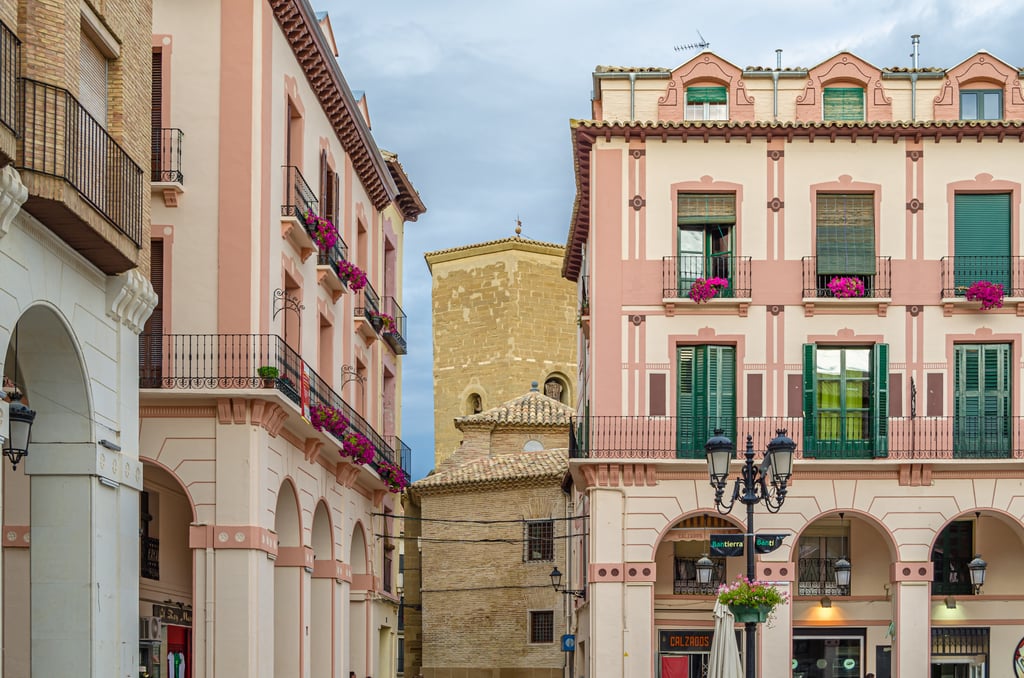
Huesca sits quietly beneath the Pyrenees, largely unknown to overseas buyers and rarely overrun by tourists. Its Gothic cathedral anchors a compact old town of ancient streets, while the surrounding landscape offers some of the best outdoor pursuits in Spain – skiing in winter, hiking, climbing and rafting in summer.
The international community here is small but welcoming, with French and German residents joining a modest number of British expats. The city’s 54,000 inhabitants are known for being open and sociable, and the overall pace of life has a genuinely authentic quality.
Zaragoza – Spain’s fifth-largest city – is just 30 minutes away by train, giving Huesca residents easy access to a wider range of services, transport links and amenities. For buyers seeking an active, outdoors lifestyle in real Spain, Huesca is well worth considering.
Jerez de la Frontera, Andalusia
- Population: approx. 213,000
- Nearest airport: Jerez Airport (local)
Jerez is best known for sherry – jerez means sherry in Spanish – and for the world-famous Real Escuela Andaluza del Arte Ecuestre, the Royal Andalusian School of Equestrian Art. But it’s the day-to-day quality of life here that makes it such a compelling place to live.
Children play freely in the streets; families gather in the evenings; the pace is laidback and the community spirit is strong. Retired buyers and families alike find it easy to settle here. The British community is active, with clubs and social groups across the city, and schooling options include Sage College and an international school.
Jerez also has a world-class motorsport circuit – the Circuito de Jerez – which has hosted the MotoGP and historic Formula One races, giving the city an unexpected international profile. It sits close to Cádiz, one of Spain’s most atmospheric coastal cities, and the wider Sherry Triangle region is a food and wine lover’s dream.
Logroño, La Rioja
- Population: approx. 151,000
- Nearest airport: Bilbao, 140km
Logroño is the capital of La Rioja, a name most people know from the wine list rather than the map. That’s slowly changing – the city has been gaining recognition as one of Spain’s most liveable places – but it remains refreshingly uncommercialised.
The Camino de Santiago – the famous pilgrimage route to Santiago de Compostela – passes through Logroño, bringing walkers each year, but the city itself isn’t tourist dependent. It has a genuine local identity, excellent food and wine culture, and a high street dominated almost entirely by independent shops – something increasingly rare in Spanish cities.
The cost of living is low. Two-bedroom apartments can be rented from around €750–850 per month, and property purchase prices remain modest by Spanish standards. If you can cover your costs by renting out a UK property, Logroño could make the maths work comfortably.
One practical consideration: a car is advisable here. Public transport connections to surrounding towns are more limited than in some other cities on this list. There’s also no international school, and Spanish is genuinely essential for daily life – though for those willing to learn, this is Castilian Spanish in its clearest form.
Córdoba, Andalusia
- Population: approx. 324,000
- Nearest airport: Seville, 130km; Málaga, 170km
Córdoba is one of those cities that surprises you with its scale. Walking through its maze of white-washed lanes, it feels intimate and village-like – then you remember you’re in a city of over 300,000 people.
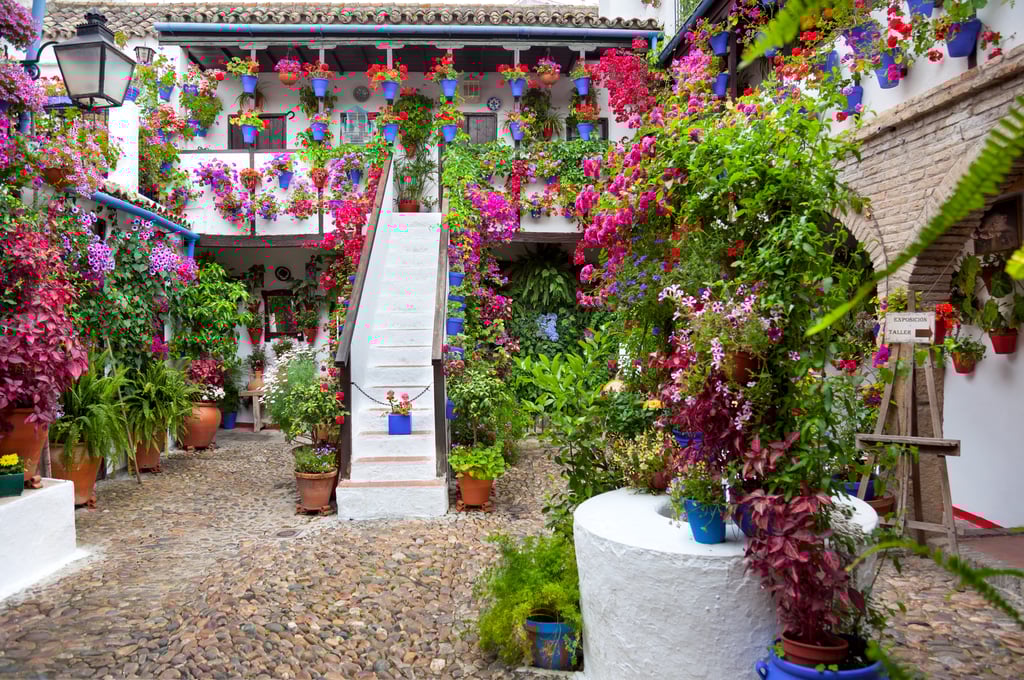
At its heart is the Mezquita-Catedral, one of the great architectural achievements of the medieval world and a symbol of the era when Jews, Christians and Muslims lived side by side in Moorish Andalusia. Each spring, the patio festival fills the city’s private courtyards with flowers – one of the most genuine and affecting local traditions in Spain.
The Sierra Morena keeps temperatures slightly cooler than other parts of Andalusia, and the city has ample parks and green space for those who prefer shade over sun-loungers. British school options include Colegio Británico de Córdoba and The British School of Córdoba. The cost of living is lower than on the coast, and Córdoba is exceptionally well connected by high-speed rail to Madrid, Seville, Málaga and beyond.
San Sebastián (Donostia), Basque Country
- Population: approx. 189,000
- Nearest airport: Biarritz, 48km; Bilbao, 110km
San Sebastián regularly features among Spain’s highest-rated cities for quality of life, and once you’ve spent a few days here, it’s easy to understand why. The bay is genuinely spectacular, the old town (Parte Vieja) is one of the liveliest in Spain, and the food culture – centred around the extraordinary pintxos bar scene and a remarkable concentration of Michelin-starred restaurants – is virtually unmatched anywhere in Europe.
The city is well connected to the UK by air, rail and ferry. It sits just 20km from the French border, giving it a cosmopolitan, international feel that’s quite distinct from southern Spain. Cycling is popular, surfing is excellent and the mountains begin at the city’s edge.
For families, St Patrick’s English school provides schooling, and the city has four universities. Real Sociedad – the city’s football club – provides a focal point for local sporting culture.
One honest note: property here is among the most expensive in Spain. If San Sebastián captures your heart but the budget doesn’t quite stretch, the surrounding Basque countryside and nearby coastal towns offer more accessible options within easy reach of the city.
When you’re ready to buy
Wherever in Spain you decide to put down roots, you’ll need to move your money from pounds into euros – and the exchange rate you get can make a meaningful difference to your budget. Smart Currency Exchange specialises in helping overseas property buyers get the most from their money, with tools including forward contracts that let you lock in today’s rate for a future purchase.