

Spain is still home after 20 years – but the last five have brought COVID, Brexit and significant shifts to the property market that every overseas buyer should know about. Our writer Sally, who has lived there since 2006, shares her experience.
I arrived in Spain in 2006 with hopes for the future mixed with slight anxiety. It wasn’t that I was nervous about changing countries; I had already done that several times, but rather wondering how long it might take to feel part of this new community.
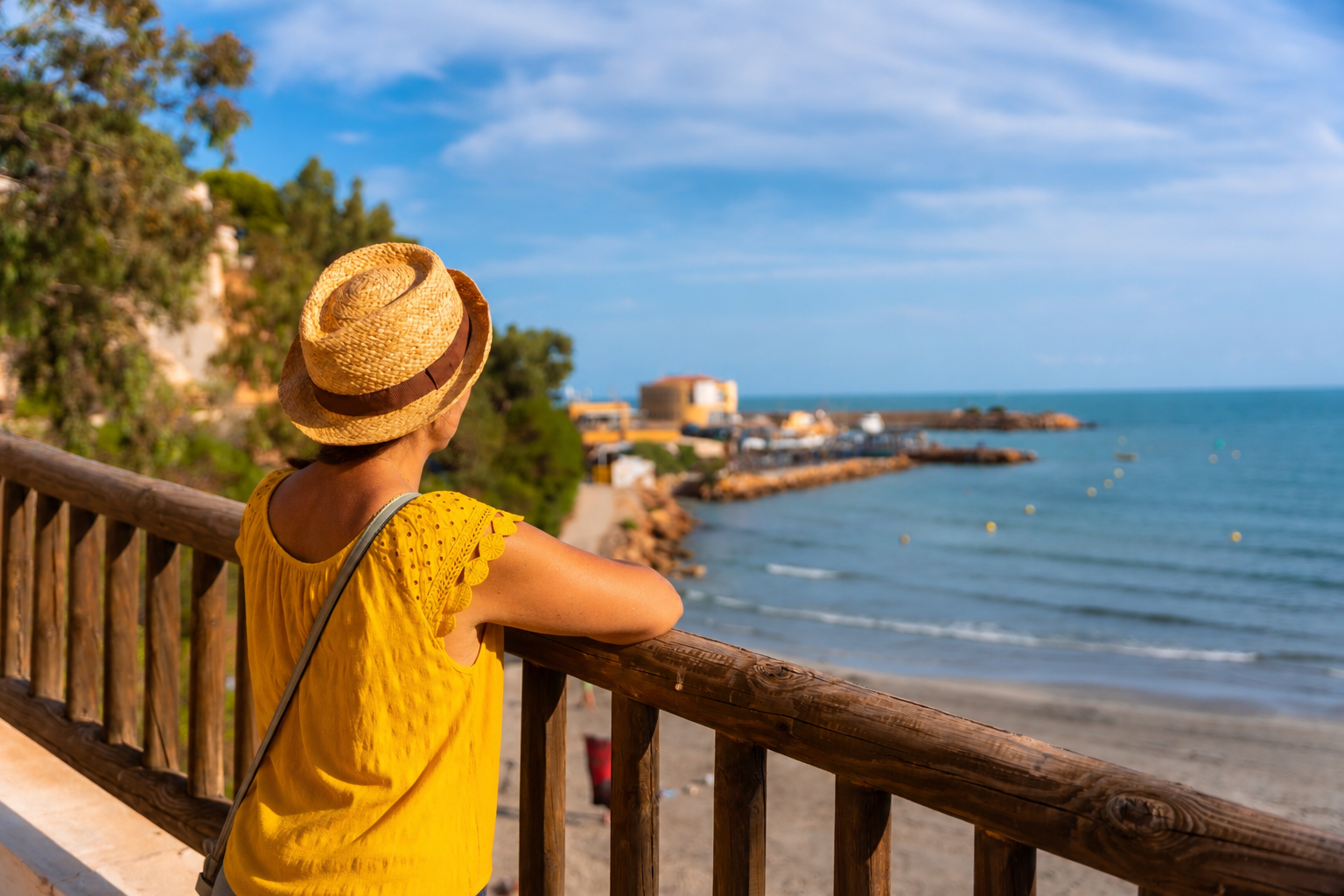
I remember running along the paseo in glorious sunshine, feeling uplifted as the waves gently licked the shore and small boats bobbed up and down. I had been living in the countryside in France before and it was a new experience having an apartment a few steps from the beach. The town felt so “alive” after years in a pretty but very quiet rural France.
A lot has happened in the past 20 years, and I now live in a town four kilometres from the sea. Meanwhile, Spain itself has changed, in part due to governments of different political persuasions, in part because of technological progress and social media. For someone like me, a British passport holder, the arrival of Brexit brought some of the forced changes.
Since 2021, life here has changed for everyone in Spain.
Aftermath of COVID
Spain had one of the most restrictive lockdowns in Europe. We were allowed out of our homes for just one hour a day and could not go further than one kilometre without filling in an online form to say why we were going and to where. Mostly it was to the supermarket or the doctor’s.
When, at last, life returned to normality, it took several years for it to feel like genuine normality. With that came changes: prices being one of the most obvious and unpleasant.
Small businesses, bars, cafés and restaurants that had suffered badly during lockdown, now felt free to recoup some of their losses by increasing the cost of everything. Today, most menú del diá cost 30% more than in 2021. Beer costs around 22% more and a cortado coffee will cost anything upward from €1.40, which was considered expensive five years ago.
Supermarkets, too, made up for lost revenue by increasing prices across the board. Wages haven’t increased to the same extent, meaning that we get less for our Euro. Now, with the war in the Gulf, prices are moving upwards again, though the government has stepped in to limit the increase in petrol and diesel. Temporary measures placed at the start of the war are due to end next month, meaning that electricity and gas will cost quite a bit more.
Still, Spain’s cost of living is one of the lowest in Europe and Spanish pensioners have done quite well, with several increases since 2021 which brought state pensions up to an equivalent of a basic wage. Minimum wages have also increased.
Spain’s cost of living is still one of the lowest in Europe
Social changes
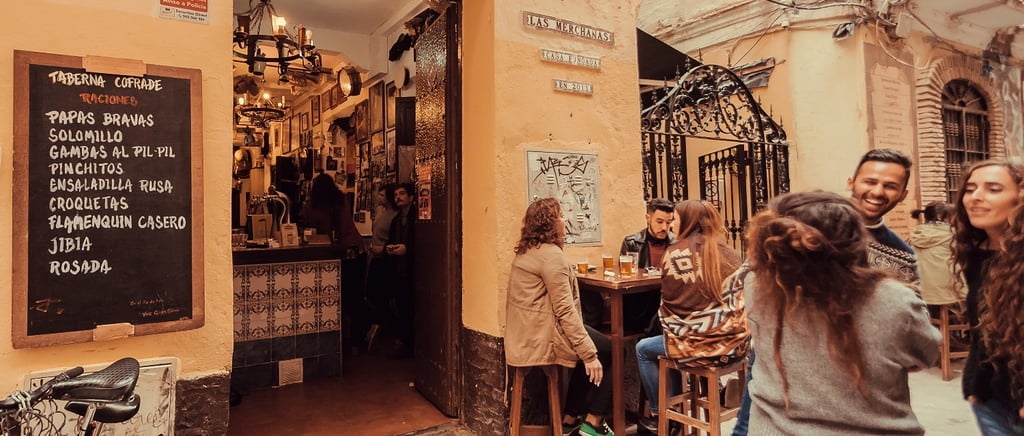
Despite the rising costs, Spanish people still frequent their tapas bars and restaurants as before. These are the very essence of local Spanish life. Thank heavens that remains much the same. Maybe they don’t stay quite as long and have one less beer, but the social side still matters.
The government has brought in many social laws over the years, mostly to give more rights to women, marginalised groups and working parents. Maternity leave is now the same for both men and women and some pedestrian crossings are painted in the LGBTQ colours – just one sign that Spain is LGBTQ friendly.
The government is also moving to ban social media for under-16s – controversial in some quarters, though teachers and many parents are in favour. Mobile phones are already banned in most schools.
Housing
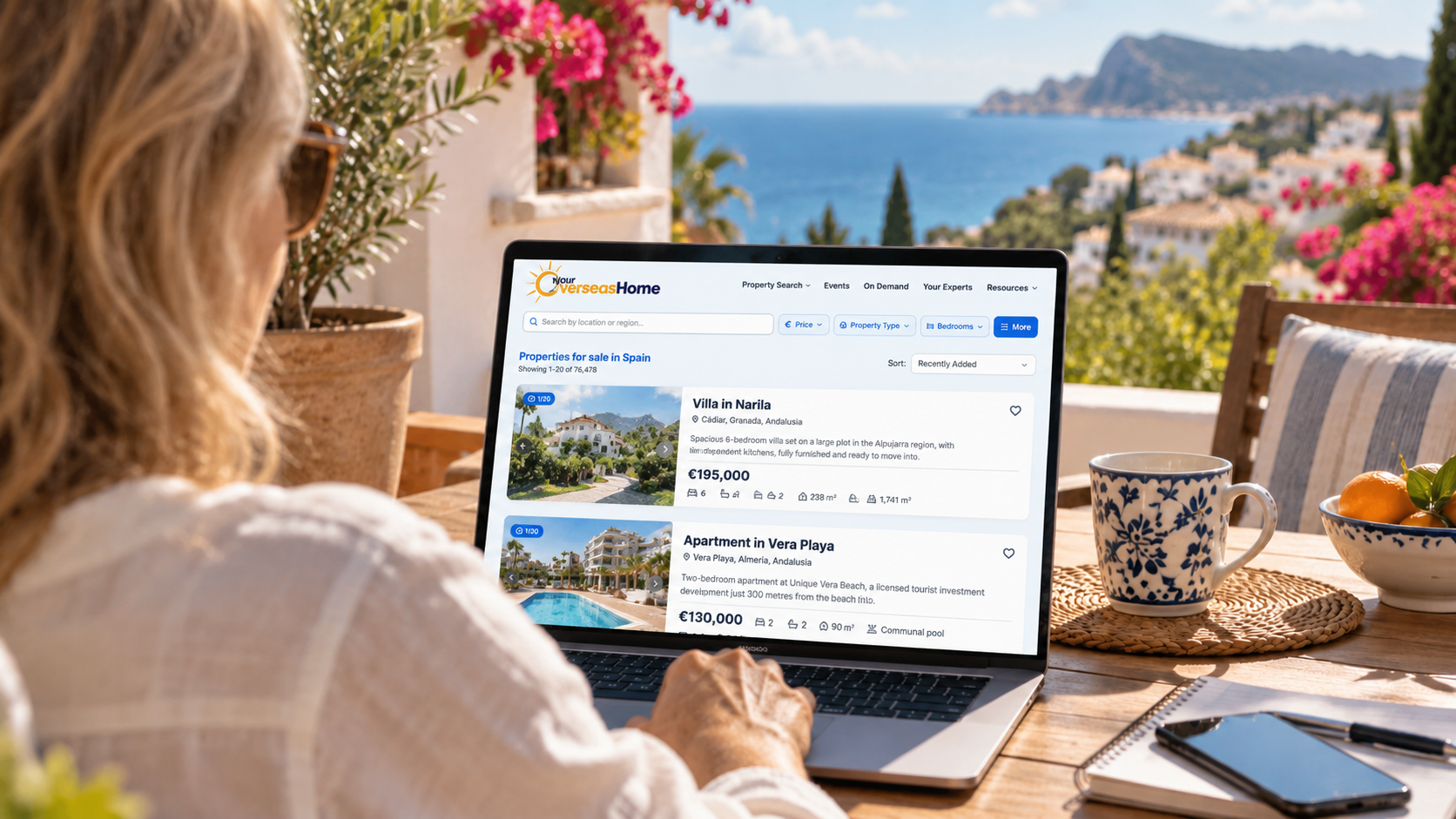
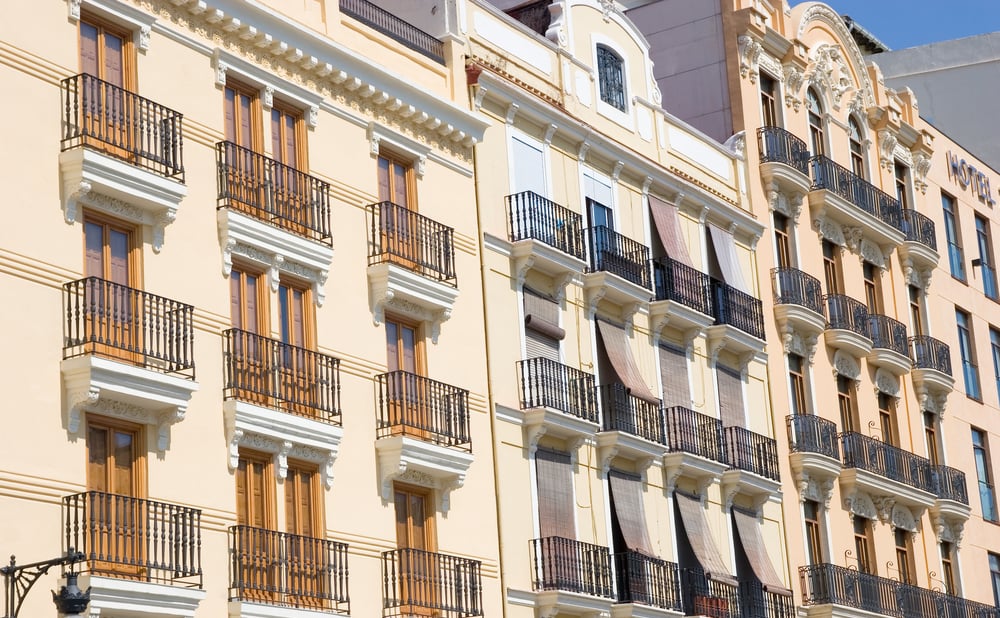
I think one of the largest changes during the past five years has been in housing, or rather, the lack of it. This is undoubtedly the cause for major concern for most Spanish people. When I moved here, rental properties were abundant and reasonably priced. The property market for houses and apartments was buoyant, with all types available.
Since COVID this has completely changed. Many point to the rise of short-term holiday lets on platforms like Airbnb as a factor – though the reality is more complex. Many individuals have turned to tourism to supplement low incomes. It is the large multinational companies and hedge funds that have really caused the damage, buying up whole blocks, evicting the tenants and then letting the apartments at a much higher rent.
The autonomous communities and the government have introduced a range of measures to improve the situation, with mixed results. Experts don’t expect a crash – prices are high because demand consistently outstrips supply, particularly for resale property in popular locations. For buyers, that picture has an upside: property here holds its value.
Brexit
Brexit for me hasn’t been a total disaster, as I had residency before 2021 and so my life here remains the same as before, thanks to the Withdrawal Agreement. I still get my healthcare for free and I can come and go from Spain without worrying about the 90-day rule. I have always paid my taxes here and I have the same rights as the Spanish.
The change has affected many. Several people who were very happy owning a second home here decided to sell up because of the new restrictions on movements, and others come less frequently. The 90-day rule has been the biggest frustration for retired owners who simply want to spend time in their Spanish home.
But there are ways around it. Spain’s non-lucrative visa, digital nomad visa and long-term residency options all offer routes to spending more time here legally – and for many buyers, making the move permanent has turned out to be the better decision. It’s worth speaking to a specialist about which visa suits your situation.
Speak to a Spain property expert
The new EES entry/exit system, which came into force in April, has added some friction at passport control, with queues causing delays for some travellers. The EU says the system is working as intended, catching cases of overstaying and invalid documentation. Arriving with time to spare and paperwork in order helps things run more smoothly.
Changes in bureaucracy
In some ways, life has become easier. Many government procedures are now online, which saves the long waits that used to come with visiting offices in person. The mandatory appointment system – cita previa – introduced during COVID has never quite gone away, but the online alternative means you can often sidestep it entirely, provided you’re comfortable working through Spanish-language documentation.
Bank apps are very efficient now and it may be only rarely that you need to visit the physical building, saving time and queues. Bizum, an interbank system permitting direct payment from your account to friends, family and online businesses for free, has become the most popular banking service in Spain. This year, it will be extended for use in shops across the country. It is also being looked at by other countries as it is quick and efficient.
DGT, the Spanish traffic authority, now has comprehensive online access, allowing you to book MOT tests, check how many points you have on your licence and keep up with new laws and rules.
Regional healthcare apps also help save time. You can check your test results, apply for appointments, schedule vaccinations and more.
All these have come about or improved because of COVID and the restrictions on physical movement. One of the few good things to have happened.
Summary
After my 20 years here, life is still good, people are still friendly and I wouldn’t change it. Prices are higher, so perhaps I will go out a little less in the evening. I can still afford organic produce from my local market, the health service is still very good and the countryside and coastal areas are still beautiful. For two years, I have had my garden as an oasis of calm in an otherwise busy town. Plus, wine and cava are still well within budget!