

Owning a home in Italy should be your dream come true, not a buying nightmare! So, what are the common pitfalls buying property in Italy, and how do you avoid them?
Buying a home in Italy is a thrilling prospect – whether you’re dreaming of a countryside farmhouse with a vineyard or a small apartment overlooking a bustling piazza. But while the buying process is secure and legally protected for international buyers, it’s not without its complexities. Misunderstandings about taxes, timeframes, renovation laws or language barriers can lead to costly delays or headaches.
Thankfully, many of these hurdles are entirely preventable with the right preparation. Working with trusted, bilingual professionals and understanding Italy’s unique property rules will help ensure your purchase goes smoothly – from first viewing to moving-in day.
We’ve pulled together the most common pitfalls overseas buyers face when buying in Italy, and how to sidestep them completely.
In short: Common pitfalls include underestimating purchase costs, signing contracts before completing legal checks, overlooking planning restrictions and choosing the wrong location. You can avoid many of these problems by allowing plenty of time, budgeting for additional fees and working with independent legal and property professionals who understand the Italian buying process.
Contents
- Underestimating the time it takes
- Getting caught out by hidden costs
- Ignoring potential language barriers
- Skipping crucial property checks
- Legal and financial traps to be aware of
- The risks of buying older or protected buildings
- Choosing the wrong location
- Pitfalls when buying off-plan property
- Final thoughts: how to avoid mistakes when buying in Italy
Underestimating the time it takes
Many buyers arrive in Italy with dreams of a swift property purchase, but property transactions here tend to move at a more relaxed pace than in other countries. From the moment you submit an offer to the day you collect the keys, the process usually takes anything from two to six months – and that’s assuming everything goes smoothly.
After you’ve agreed on a price with the seller, there’s a preliminary contract (“compromesso”) which sets the terms and includes your deposit – typically around 10% of the price. The formal completion, marked by the “rogito” (final deed), often doesn’t happen for several months.

Delays can arise from banking processes, local administration, legal checks or holidays (which are taken seriously in Italy). To prevent frustrations, build in plenty of time and begin gathering paperwork early. If you need a mortgage, speak to lenders before making an offer. Non-resident buyers may face stricter lending criteria and additional paperwork, including proof of overseas income, tax returns and details of existing financial commitments. Getting an early indication of how much you can borrow will help you avoid delays later.
Having a local expert, such as a bilingual estate agent or solicitor, will keep your timeline realistic and your expectations in check.
Getting caught out by hidden costs
Your dream Italian home might fit your property budget beautifully – but don’t forget to leave room for the extras. Many buyers fail to account for the additional expenses that come with buying property in Italy, which can amount to 10–15% on top of the purchase price.
Plan your viewing trip and understand the questions to ask
Additional costs include notary fees, purchase taxes, estate agent commissions and any legal or translation services you need. The taxes you’ll pay depend on the type of property, who you’re buying from and whether you qualify for Italy’s first-home tax relief (prima casa). For example, purchases from private sellers generally attract registration tax of 9%, or 2% with qualifying relief, while purchases subject to VAT usually attract rates of 10% or 4% respectively. Budget for a survey and any mortgage-related fees, too. And don’t forget legal and translation services – essential if you don’t speak fluent Italian – as well as surveys, mortgage fees and possibly geometra (land surveyor or building specialist) assistance.
There are ongoing ownership costs to consider, too. These may include municipal property tax (IMU), which generally applies to second homes but not most qualifying main residences, and waste collection tax (TARI). If you’re buying an apartment or a property within a shared development, you’ll also need to budget for communal maintenance charges (spese condominiali). These can vary considerably depending on the building, its facilities and its location.
Carefully budget beyond just the sale price – your property consultant or adviser can help estimate accurate ownership costs upfront.
Ignoring potential language barriers
While it might sound romantic to sign a deal in Italian and immerse yourself in the culture, in reality, a language barrier can lead to confusion and costly miscommunication. Property purchase involves legal documents, property contracts, tax declarations and technical terminology – all in Italian by default.
Misunderstanding clauses in the compromesso or rogito could result in unexpected commitments, payment schedules or legal responsibilities. Worst case? Facing legal action for non-compliance with terms you didn’t fully grasp.
Always work with a bilingual notary or independent legal adviser. Many overseas buyers also use a translator for complex documents or negotiations. It’s an extra cost, but one that offers protection and peace of mind.
If you’re planning to live in Italy long term, consider starting Italian classes early. It won’t solve every problem overnight, but it’ll help you build connections, engage with locals and better navigate ownership obligations.
Skipping crucial property checks
Some buyers fall in love with their dream home and rush ahead without fully assessing the property’s condition. This is especially common with older homes, which make up a large portion of Italy’s rural and village housing stock.
Don’t make this mistake. A beautiful villa might hide outdated plumbing, unstable foundations or irregular land boundaries. That romantic renovation project could quickly spiral into a financial headache if structural issues or non-compliant works are found.

Hiring a qualified geometra or surveyor is essential. They’ll inspect the structure, confirm that renovations have been approved and check planning permission history. They’ll also look at seismic safety ratings – crucial in certain regions like central Italy – and the energy performance certificate (APE), which is legally required.
In addition, geometra reports reveal any shared access rights, land registry discrepancies or local building restrictions. It’s a small investment that could protect you from future legal disputes or renovation nightmares.
One mistake to avoid is signing paperwork before completing your legal and technical checks. In Italy, even an accepted purchase offer can create binding obligations, while the preliminary contract (compromesso) formally commits both parties to the sale. Ask your notary and an independent legal adviser to review the documents before you sign, and arrange appropriate property checks so you know exactly what you’re agreeing to.
Legal and financial traps to be aware of
The Italian legal and tax system can trip up even the most financially-savvy buyer – especially if you’re moving assets or income from another country. It’s vital to get tailored advice from experts who understand international buyers and cross-border wealth.
If you’re moving permanently to Italy, it’s important to review your UK savings and investments before becoming an Italian tax resident. Tax advantages available in the UK, including those associated with ISAs, may not apply in Italy. Premium Bonds, investment funds, ETFs and trusts can also have different tax implications depending on your circumstances. A financial adviser familiar with both countries’ rules can help you understand what you may owe and whether any changes are worth making before you move.
Timing matters when selling UK assets or accessing your pension. If you’ve become an Italian tax resident, selling a UK property or withdrawing money from a UK pension could have different tax consequences than if you’d remained in Britain. UK tax exemptions, including those associated with your main home or pension lump sums, don’t necessarily apply in the same way in Italy. Speak to a qualified cross-border tax adviser before making major financial decisions, particularly if you’re planning to sell your UK home to fund your Italian purchase.
All these issues highlight why you should consult a cross-border accountant or solicitor before moving funds or finalising the sale. One well-timed consultation could save thousands in future taxes or compliance headaches.
The risks of buying older or protected buildings
Many overseas buyers dream of owning a slice of Italian history – a Tuscan farmhouse, a baroque city apartment or an ancient trullo in Puglia. But age often brings legal restrictions, especially if the property is protected under cultural heritage legislation.
Known as “vincoli”, these restrictions apply to homes with historical, architectural or artistic significance. If your building has listed features – frescoed ceilings, medieval structures, antique balconies – local regulations could limit changes, sales or restoration work.
Buying in areas known for cultural protection (like many Umbrian or Lazio hill towns) means extra diligence is vital. You’ll need permission to alter façades, extend walls or change floor plans. Bringing in a geometra or consulting with local arts heritage boards (soprintendenze) can confirm what’s allowed and whether state permission is required.
Don’t assume you’ll be able to renovate freely – in extreme cases, you could face delays of several years, or total bans on proposed upgrades. A character property is a joy, but know what you’re getting into before making an offer.
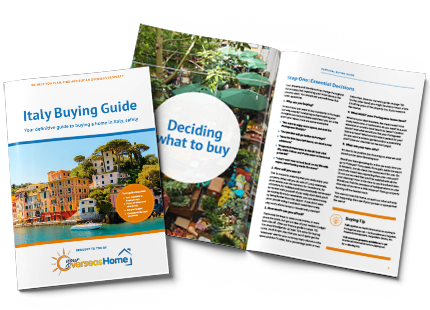
Planning to buy property in Italy?
Download our free Italy Buying Guide for practical advice on finding a property, navigating the buying process and preparing for your move.
Get your free guideChoosing the wrong location
Italy’s regions vary hugely in lifestyle, climate, amenities and property value. A buyer dreaming of warm winters might not fare well in the snowy Apennines, while a tranquil rural retreat may disappoint if it turns ghostly outside of summer. Choosing the right region or town is one of the most important – and personal – parts of buying in Italy.
Famous cities like Rome, Venice or Florence deliver international appeal – but also high costs, heavy tourism and competitive markets. Lesser-known spots just outside these centres can offer better value and quieter surroundings. Similarly, Sicily, Abruzzo or Le Marche offer gorgeous landscapes at a fraction of the price of Tuscany or Liguria.
Buyers seeking community life should prioritise year-round towns with full-time populations, rather than seaside spots that empty in winter. And if you don’t speak Italian, a more expat-friendly area with English-speaking neighbours and local services may ease the transition.
Local agents can help you assess what each region has to offer. Be honest about your plans: will this be a full-time move, an occasional holiday home or a rental investment? Each requires a different location strategy.
Pitfalls when buying off-plan property
Buying off-plan homes in Italy – especially in new developments or resort areas – can be cost-effective, but comes with its fair share of risk. These properties, still under construction or just a blueprint on paper, leave buyers relying heavily on the developer’s word.
One major risk is construction delays. If your home is part of a phased development, you could be surrounded by building works, dust or noise for years. Access roads might be incomplete, and services like internet or utilities may lag behind. If buying for immediate rental income or relocation, this can be frustrating – and expensive.
Upfront payments tend to be staged. You might pay 10–30% as a deposit, with the rest due as milestones like roof completion or final inspection are reached. If the developer hits financial trouble, you risk losing money unless legally protected.
The finished property might also underperform. Size, layout or finish quality could differ from marketing brochures. Choose reputable builders with a track record and visit other completed sites they’ve done.
Italian law provides important protections for buyers purchasing properties under construction. For qualifying purchases, developers must provide a bank or insurance guarantee (fideiussione) protecting payments made before ownership transfers, as well as a ten-year insurance policy covering certain serious structural defects. Before signing anything, have an independent legal adviser check that the development meets the relevant requirements, the guarantees are valid and the contract clearly explains what happens if construction is delayed or the developer encounters financial difficulties.
Final thoughts: how to avoid mistakes when buying in Italy
Buying property in Italy can be an exciting life decision – rich with culture, history and stunning scenery. But the process involves more than just picking a pretty home. With professional support, realistic timelines and deep research, buying safely is not just possible – it’s easier than ever.
At Your Overseas Home, we’ve helped thousands of international buyers successfully purchase in Italy. Our local experts, legal partners and consultants are here to guide you from the first viewing to final handover – ensuring you avoid costly errors and achieve your dream home with confidence.