
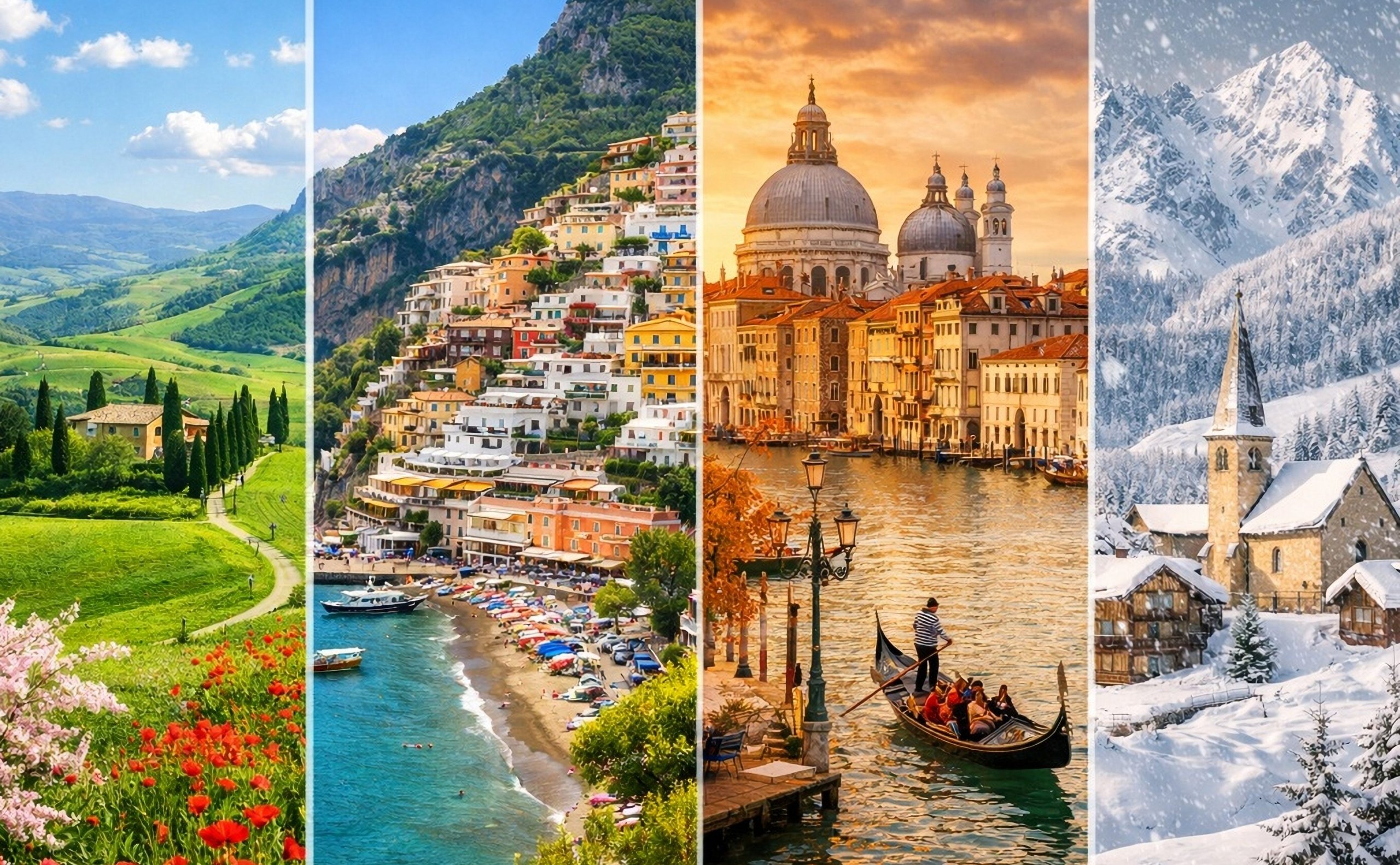
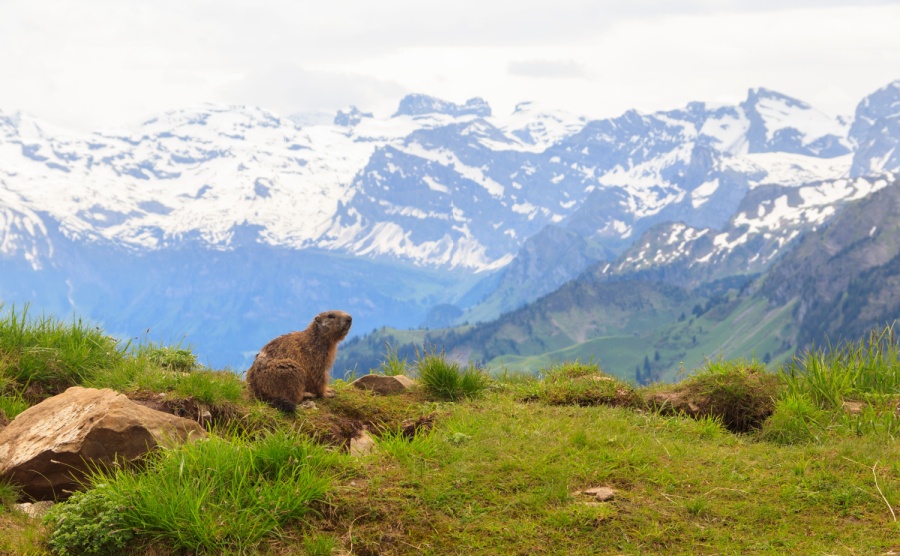
Are you a lizard type, who likes to spend long hot summers soaking up the sun? Or more of a marmot, keeping busy and active in a cool climate? You’ll see both in Italy, but maybe not in the same place or the same time.
From the Alps in the north to the southernmost tip of Sicily, there is 800 miles (1,300km) of varied landscape. From snow-capped mountains even in summer, via hilltop towns and plains, to wooded valleys there is a climate in Italy to suit every lifestyle.
Which Italian province has the best climate?
This is, of course, wildly subjective. But in a recent climate index compiled by Il Sole 24 Ore using data from 3b Meteo, they used 16 weather parameters for the period 2015-2025 to get a picture of the climate of 112 provincial capitals. Points were awarded and rankings determined for sunshine hours, rainfall, humidity etc. to conclude which Italian provinces had the best all round climate.
Bari, Puglia
Perhaps surprisingly given that it is so far south, Bari, the capital of the Puglia region, was concluded to have the best climate, as it achieved high rankings in most categories. That included low rainfall, a good temperature range with few really cold days and 2,500 hours of sunshine annually.
If a city lifestyle isn’t your thing, bear in mind that within the Bari province there are some gorgeous small towns that are perfect for holidays or year-round living.
Just along the coast are Monopoli, Polignano a Mare, and Molfetta, which will have a similar climate to Bari.
Inland you’ll find trulli in the countryside and in the UNESCO recognised Alberobello. Nearby is Locorotondo, which has great views from its elevated position and gets a pleasant breeze. The historic streets are particularly magical at Christmas, with photos of the decorations going viral every year. You could find “Your home from home in Puglia”.
Top 10 for climate
Other Italian provinces ranked in the Top 10 for climate were Barletta-Andria-Trani, also in Puglia; Pescara in Abruzzo; Ancona in Marche; Chieti in Abruzzo; Livorno in Tuscany; Pesaro e Urbino in Marche; Trieste in Friuli Venezia Giulia; Enna in Sicily and Imperia in Liguria. Most of these are near the Adriatic coast.
Which climate do you prefer?
Do you enjoy spending your time skiing and hiking in the crisp mountain air or sunbathing on a sun-drenched beach? Italy’s regions offer different lifestyle opportunities related to the weather and landscape. Which climate would best suit the lifestyle you dream of having in Italy?
“The hotter the better”
Summer in Italy really hots up from June to the beginning of September. While, most of the country has good temperatures up to 30°C (90°F), those who really adore lots of sun, sea and beach time, head south and to the islands.
Where in Italy gets the highest temperatures?
Valleys and plains in southern regions tend to be the hottest. The highest temperature ever recorded in Europe was near Syracuse, Sicily, which peaked at over 48.8°C (119°F).
The regions of Sardinia and Puglia also get high temperatures in July and August. However, with so much coastline around these region you are never far away from a refreshing sea breeze or a café selling delicious gelato or granita.
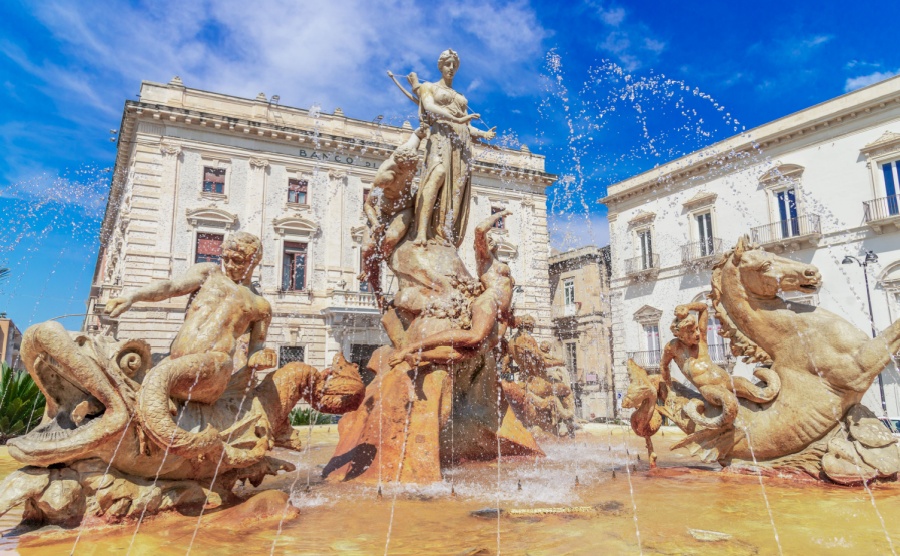
In the province of Enna on Sicily temperatures can get as high as 45C. Mind you, it is the homes on the lower-elevations that feel the highest temperatures. Because the town of Enna is in an elevated position and gets a breeze the temperatures are much more comfortable there.
“I want to see blue skies”
Lack of sunshine with day after day of grey skies can really affect your health, causing fatigue, depression and disruption to your sleep patterns. Waking up to a blue sky is certainly a great way to start the day.
Where in Italy gets the most hours of sunshine?
- South Italy – The regions of Sicily, Sardinia, Calabria, Puglia, Campania and Basilicata get the most annual sunshine hours. Usually between 2,500 and 2,700 hours per year. As a comparison London averages 1,600 and Washington D.C. 2,520. On the climate index Agrigento, Siracusa and Catania, on the island of Sicily, took the top three spots for hours of sunshine.
- Central Italy – Central regions get a good amount of sun, ranging between 2,200 to 2,480 hours per year.
- North Italy – Even parts of Northern Italy can get between 1,800 to 2,000 hours. Particularly, Emilia-Romagna, Veneto, Lombardy, Trentino-Alto Adige and Aosta Valley. These northern regions have stunning scenery, that attract hikers and cyclists in summer and winter sports enthusiasts from November to April. Coastal areas around Imperia, Liguria boast a similar amount of sunshine as in central regions.
“I want sunshine – but not too hot”
A sea breeze
In the south, areas that get a sea breeze can feel much fresher. They are also less humid than northern towns. I would also recommend changing your daily routine, so that you rest in the afternoons and go out early morning or late in the evening. Keeping the house closed during the day and open to the breeze at night.
In central Italy the temperatures can still get hot, but are more comfortable. For example, the Marche region enjoys sunny weather in the summer, but daytime high temperatures rarely go over 30C.
The Italian Riviera in the Liguria Region also enjoys moderate temperatures in summer and mild winters. This is because the coast is sheltered by the mountains, creating a micro climate. Trieste is another coastal area that has good temperatures without getting extreme heat.
Cooler up the hill
You can also find that hill top villages can be 10 degrees cooler than down in the plains. Examples include, Orvieto (Umbria) and Apricale (Liguria), San Gimignano (Tuscany) and Locorotondo (Puglia).
“I want lower heating bills”
To reduce energy consumption and emissions, Italy is divided into six official climate zones (A to F) by Presidential decree.Based on average annual temperatureseach zone has specific regulations for when you can put your heating on, and set a maximum daily usage (Your local Municipality can adjust these depending on local weather conditions.)
Warmer zone, lower heating bills
By following the official heating schedule, you can ensure your home stays warm while keeping bills low. Plus, with the amount of sunshine in Italy, solar panels are a very viable option.
A case study:
My property is in Zone C. Which means I can have my heating on from 15 November to 31 March at 19°C for up to 10 hours. In reality, last winter we put the radiators on about five times over the whole winter, and only lit the log burner in the living room from early evening to take the chill off.
Which climate zone is my property in?
Identifying which zone your property is gives you a rough idea, which months you might expect to need some heating. Also, you can identify which regions have the mildest winters. You can find the zone your property is in by using this climate zone tool online. Below is a brief table as an example. For each area your heating should be set at 19C.
| Zone | Cities | Heating Period | Daily limit |
| A | Lampedusa, Linosa. | 1 Dec – 15 Mar | 6 |
| B | Agrigento, Palermo, Catania, Reggio Calabria. | 1 Dec – 31 Mar | 8 |
| C | Naples, Salerno, Cagliari, Taranto. | 15 Nov – 31 Mar | 10 |
| D | Rome, Florence, Genoa, Pescara. | 1 Nov – 15 April | 12 |
| E | Milan, Turin, Bologna, Venice | 15 Oct – 15 April | 14 |
| F | Belluno, Trento, Cuneo | No restrictions | No restriction |
“I like to experience all four seasons”
To see wild flowers in the Spring, summer sunshine, autumn colours and a cool winter, head to the central and northern regions. Tuscany, Piedmont and Lombardy are particularly beautiful through the seasons.
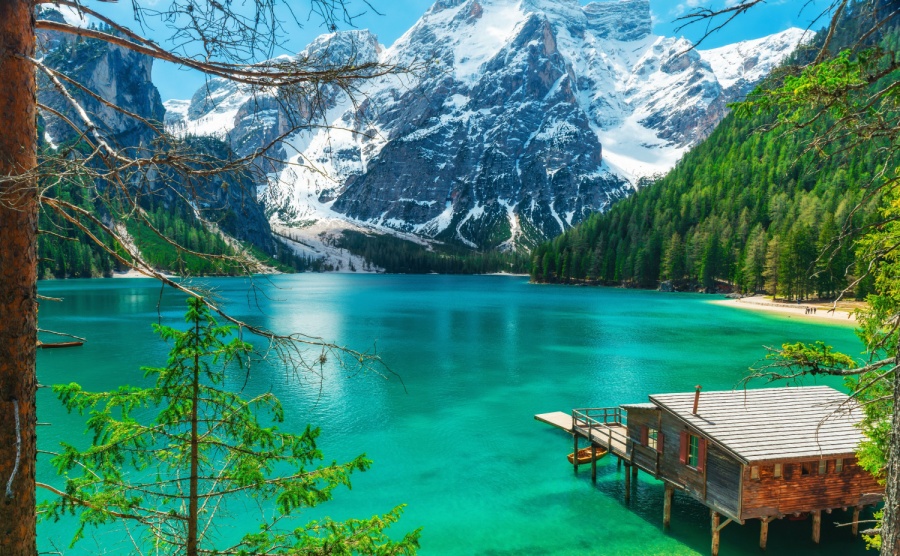
The wild flowers and woodland leaves turn a view into a continuously changing picture. You will also become aware of what produce is in season and when the grapes and olives are harvested.
“I don’t mind a bit of rain if it makes everything green”
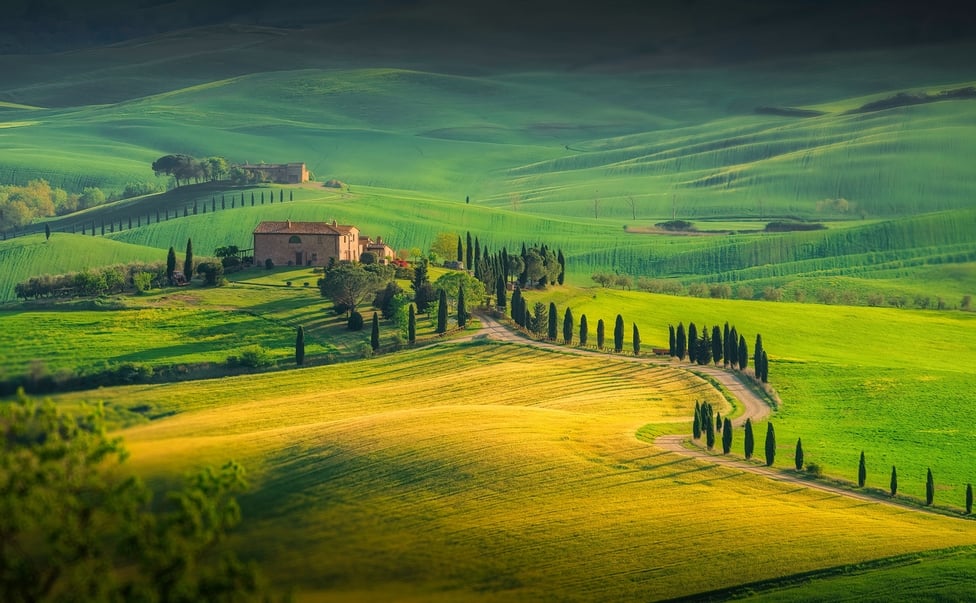
While southern regions do get the most sun and the least rain it does mean that parks and gardens aren’t as green as those further north. If you want a lawn the best regions to have a lush green garden are Tuscany and Umbria. Here the combination of rain and sun is what makes the landscape of rolling hills so green and beautiful.
The coastal area of Liguria is the place to grow exotic plants, palms and mediterranean herbs. While, the microclimate around Lake Maggiore and Lake Como is perfect for azaleas and rhododendrons.
Also, we mustn’t forget Abruzzo, which has two nicknames “The Green Lung of Italy” and the “Greenest Region in Europe”. This is because over a third of the region is national park and nature reserve.
“Let it snow, let it snow, let it snow”
If you are looking for the region with the best snowfall in Italy, Aosta Valley (Valle d’Aosta) holds the crown. Particularly, Breuil-Cervinia, Courmayeur and La Thuile. Temperatures in the region are mostly dependent on altitude. At high altitude it can dip to -20C in winter. While summers in the valleys can reach 30C.
If you want to invest in a property in a ski-resort, the Dolomites offer good year round rental potential. In summer, temperatures can reach 25C, making it ideal for hiking. While in winter it is sunny with snow and temperatures between -10C and 4C.
An Italian climate that best suits your lifestyle
If you are a very active person who enjoys outdoor sports and activities the southern regions have a suitably mild climate in Spring, Autumn and parts of the winter. If you are planning to be in Italy in the summer months, temperatures may suit an active lifestyle more in the central and northern regions.
If you are looking for a slower pace of life, relaxing in the sun, the southern regions pretty much guarantee blue skies and no rain from June to the end of August. If it does rain, it passes over very quickly. Therefore, you can reliably arrange evenings out. Italian towns confidently organise free outdoor concerts and festivals on summers evenings.
To make the most of your time in Italy, I recommend finding an area where local Italians share your interests, such as cycling, art, and photography. Be prepared to alter your daily routine, to suite the climate. Take an afternoon nap, go out late in the evening, try out the Italian lifestyle. You’ll feel healthier for it.