
In the west of France along the Atlantic coast, the Vendée is a department within the Pays de la Loire region.
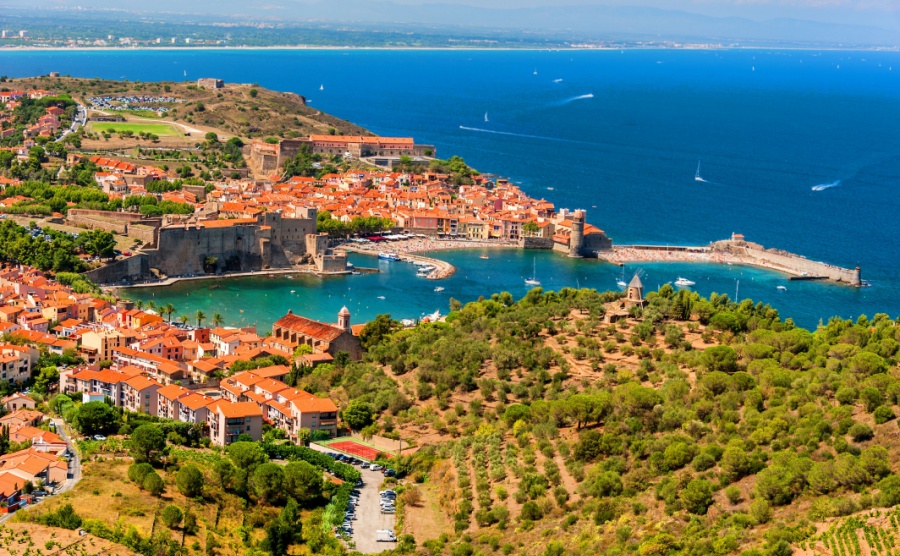
A property in the Vendée offers sun-soaked beaches, lush green countryside and a community-oriented way of life. It’s a compelling option for those seeking both quality and value.
It’s easy to reach from the UK, or via Paris from further afield.
Whether you’re looking for a holiday home, permanent residence or retirement destination, this article will guide you through everything you need to know about buying property in the Vendée in 2026. From choosing your location to understanding legal requirements and securing a mortgage, we’ll break down the process step-by-step.
Inspired by the coastal charm and countryside tranquillity of the Vendée? Browse our full range of Property for sale in France to discover listings in this beautiful western region and beyond. Whether you’re searching for a seaside escape or a rural retreat, there’s a home that fits your budget and lifestyle goals.
Download the France Buying Guide
Contents
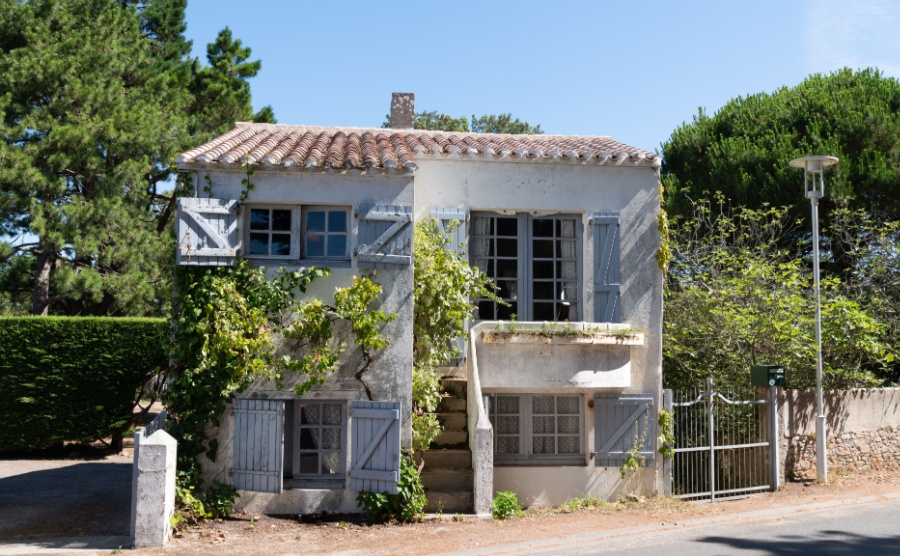
Why buy in the Vendée?
The Vendée combines natural beauty, affordability and a relaxed lifestyle that appeals to both French and international buyers. If you’re seeking a French home that offers value for money while maintaining a high quality of life, this region has distinct advantages.
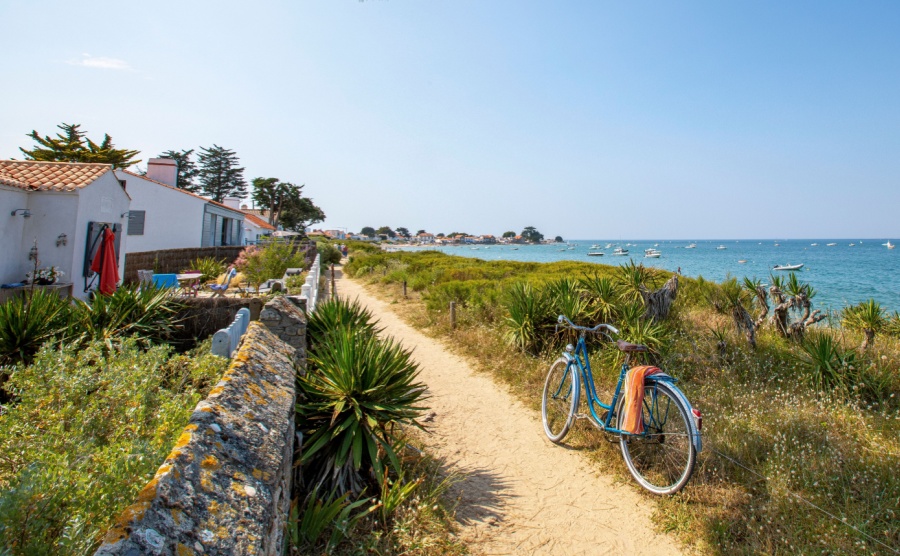
The coastline is a major draw, boasting over 140 kilometres of sandy beaches and resorts. Popular with French families but less crowded than the Riviera, the Vendée enjoys a mild oceanic climate that means warm, dry summers and comparatively mild winters. According to Weather and Climate, the region receives more than 2,000 hours of sunshine annually, making it one of the sunniest spots on the French Atlantic coast.
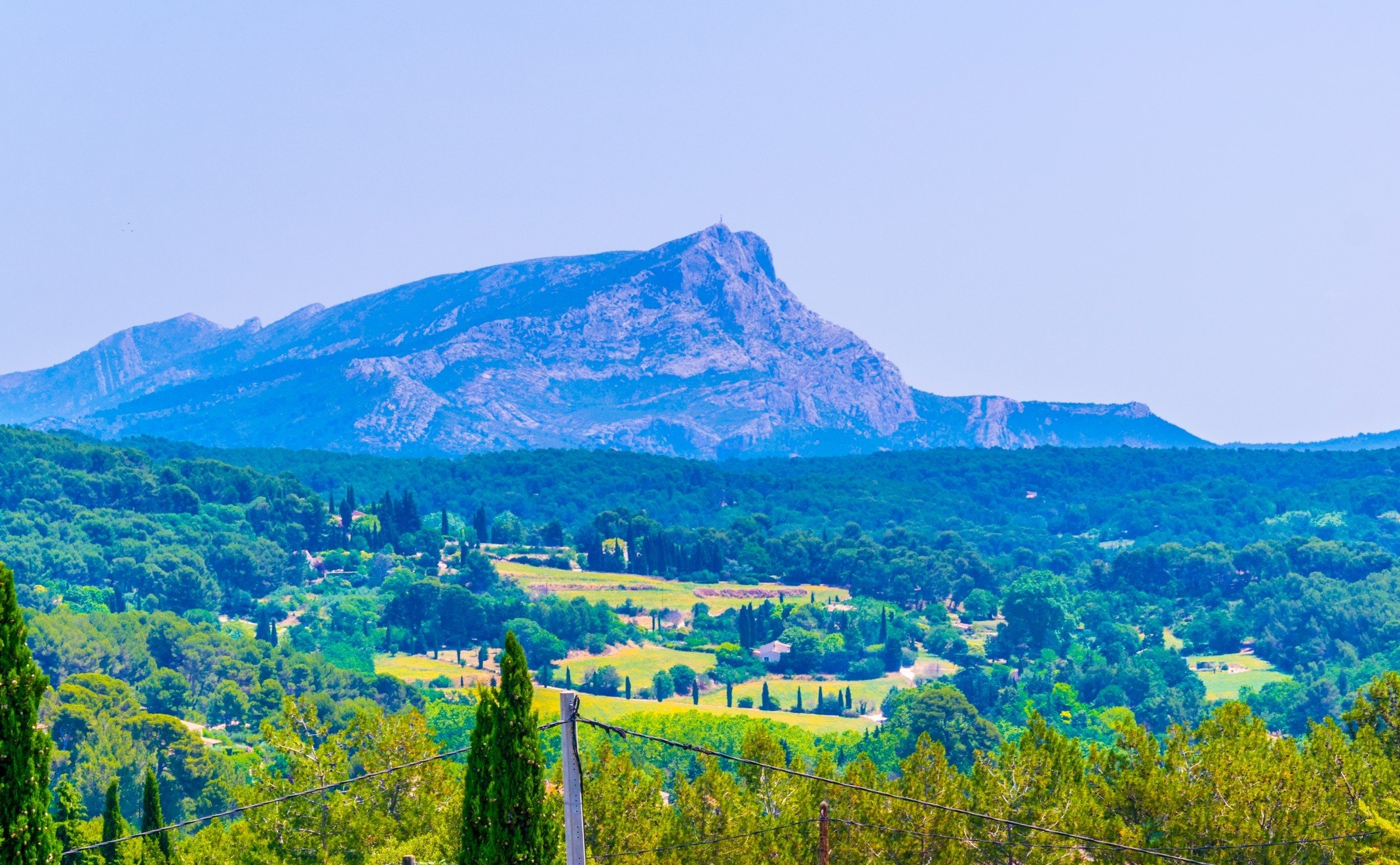
Inland, you’ll find gently rolling hills, lush forests and winding rivers, providing endless opportunities for hiking, cycling and canoeing. There is also a strong sense of local community, particularly in rural towns and villages. Markets, festivals and seasonal events contribute to an active local calendar and many British buyers appreciate how easy it is to integrate, especially where local councils offer support for newcomers.
Most importantly, the Vendée offers a slower pace of life. Whether you plan to relocate or buy a holiday home, this region makes it easy to unwind – without giving up on essential services or accessibility.
How to reach the Vendée
The Vendée is less than half the way down France, so it’s a longish drive from major Channel ports, but certainly doable in an afternoon. Allow for three hours from Saint-Malo, four from Cherbourg and about five from Dieppe or Roscoff.
From Paris, La Roche-sur-Yon is roughly 400km by road, taking about four hours by car. By rail, direct TGV services from Paris Montparnasse to La Roche-sur-Yon can be as quick as three hours, so about six hours in total from London.
By air, Nantes airport is around an hour from La Roche-sur-Yon by car or train. It has direct flights to the UK and other European countries.
Vendée property market news, 2026
Property prices in the Vendée are quite mixed, as you might expect for a rural area far from Paris, but with great beaches. According to local notaires, median completed-sale prices are €2,200/m² for houses and €3,200/m² for apartments. Property portal prices are around €2,800/m² for houses and €3,200/m² for apartments. Notarial data reflects completed sales, while portal estimates give a more immediate view of asking-market conditions.
The market is very mixed, rather than simply cheap, but the general picture is of around a 25% increase in the past decade but with a small drop in the past year. Le Figaro’s June 2026 report shows a department-wide median of €2,189/m², down 3% over one year but up 24% over five years. That points to a market where timing, property type and location matter a great deal.
The coast remains the premium market. MeilleursAgents lists house prices at €4,303/m² in Saint-Gilles-Croix-de-Vie, €3,589/m² in Talmont-Saint-Hilaire and €3,411/m² in Saint-Jean-de-Monts, compared with €2,594/m² in La Roche-sur-Yon, €2,135/m² in Luçon and €1,669/m² in Fontenay-le-Comte.
That gives buyers a clear choice: pay more for coast, rental demand and walk-to-beach convenience, or look inland for more space and lower entry prices.
If you allow 70 square metres for a two-bedroom apartment that suggests average prices at €200,000. For a three-bedroom house of 150 square metres, around €375,000.
If you need to borrow, the Notaires de France put 20-year mortgage rates at around 3.3% in April 2026. The practical message for readers is: there may still be room to negotiate, especially away from the coast or on homes needing work, but well-priced coastal homes are unlikely to feel like a bargain.
Property highlight: Maison de maître with gîte, pool and barn
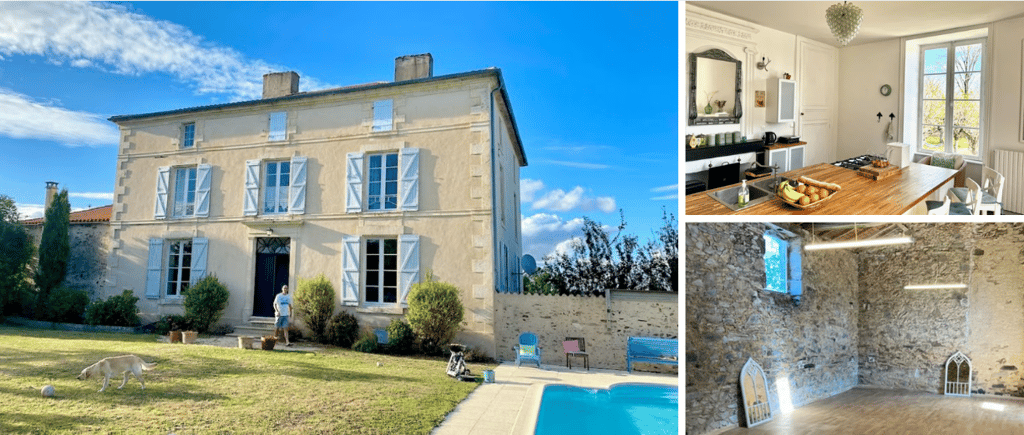
Location: La Châtaigneraie, Vendée
Price: €357,000
Bedrooms: 5, plus 2-bedroom gîte
Size: 250m² internal, approximately 1 acre plot
Description: Within walking distance of the market town of La Châtaigneraie, this elegant maison de maître is accompanied by a fully renovated two-bedroom gîte, making it well suited to extended family, guests or holiday rentals. The property offers a total of seven bedrooms, four bathrooms, two reception rooms and a generous garden with a swimming pool, recently upgraded with a new heat pump. A large barn with a sprung floor, additional outbuildings and meadowland provide plenty of flexibility for hobbies or storage. Convenient access to the Vendée coast and nearby towns including Fontenay-le-Comte and Vouvant.
Where to buy property in the Vendée
The Vendée offers an enviable mix of seaside resorts, lively towns and rural retreats. On the coast, Les Sables-d’Olonne stands out as the department’s most famous resort. Known worldwide for the Vendée Globe yacht race, it combines a bustling marina, long sandy beaches and a thriving cultural scene. Homes here – from seafront apartments to modern villas – command higher prices but deliver strong rental potential.
Further south, La Tranche-sur-Mer and Saint-Jean-de-Monts appeal to families and retirees looking for year-round amenities in a relaxed coastal setting. With cycle-friendly streets, water sports and lively holiday markets, these towns are popular with both domestic and international second-home buyers. Expect to find apartments with balconies overlooking the Atlantic as well as traditional houses just inland at more accessible prices.
The island of Noirmoutier is a coveted option. Linked to the mainland by a causeway and a bridge, it offers a unique island lifestyle with beaches, salt marshes and charming fishing villages. Properties here, particularly in the historic quarter of Le Vieil, often come at a premium but have enduring long-term appeal.
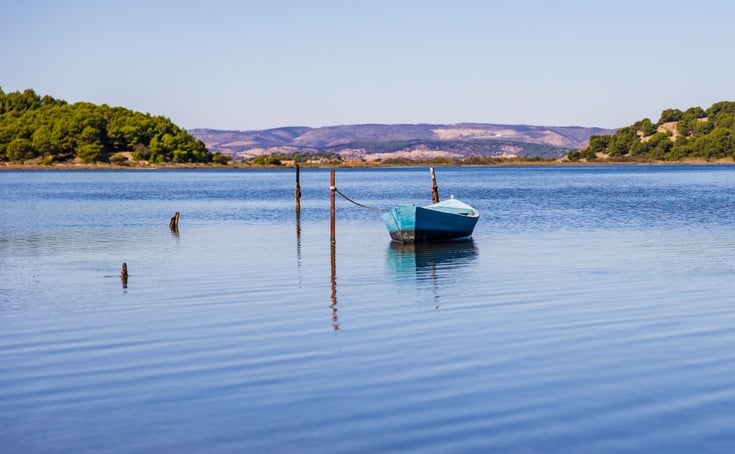
Inland, the Marais Poitevin – often called the “Green Venice” of France – draws those who love canals, waterways and tranquil landscapes. The regional hub of Fontenay-le-Comte provides a lively historic centre with Renaissance architecture surrounded by countryside.
For affordability without losing amenities, towns like Challans and La Roche-sur-Yon are excellent choices. As the administrative capital, La Roche-sur-Yon offers schools, healthcare and shopping, making it a solid option for permanent relocation. Challans, meanwhile, combines a bustling market tradition with proximity to the coast, offering good value for money.
Whether you’re drawn by island charm, lively resorts or rural tranquillity, the Vendée offers a wide range of options – all backed by a high quality of life and year-round appeal.
What sorts of property are in the Vendée?
The property market in the Vendée is diverse and caters to a wide range of buyer profiles. Whether you’re looking for a stone farmhouse, a coastal villa or a compact apartment, availability is generally good and prices remain competitive compared to more saturated parts of France.
According to INSEE data, over 70% of homes in the Vendée are owner-occupied main residences, and around 24% are used as second homes. This shows the strong local demand but also signals a healthy market for holiday properties – especially near the coast. Detached houses are the dominant property type, especially inland, where you’ll find charming farmhouses, village homes and 19th-century cottages.
In coastal towns and cities like Les Sables-d’Olonne, La Tranche-sur-Mer and Saint-Jean-de-Monts, modern apartments with sea views are available, although they do command a premium. These towns are particularly popular with both tourists and retirees, making them ideal for buy-to-let investors focused on seasonal or long-term rental income.
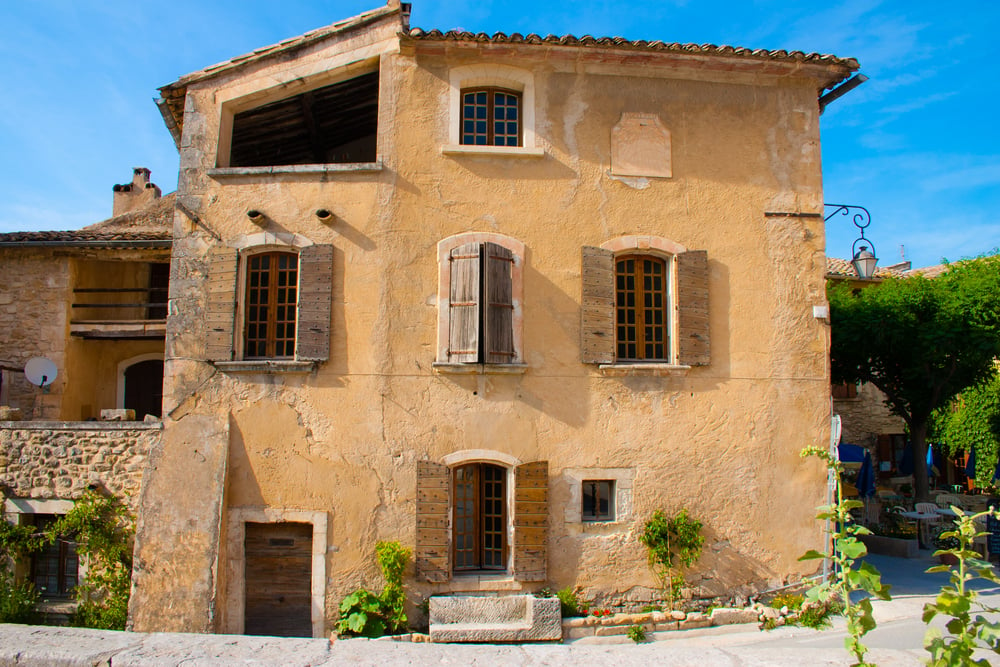
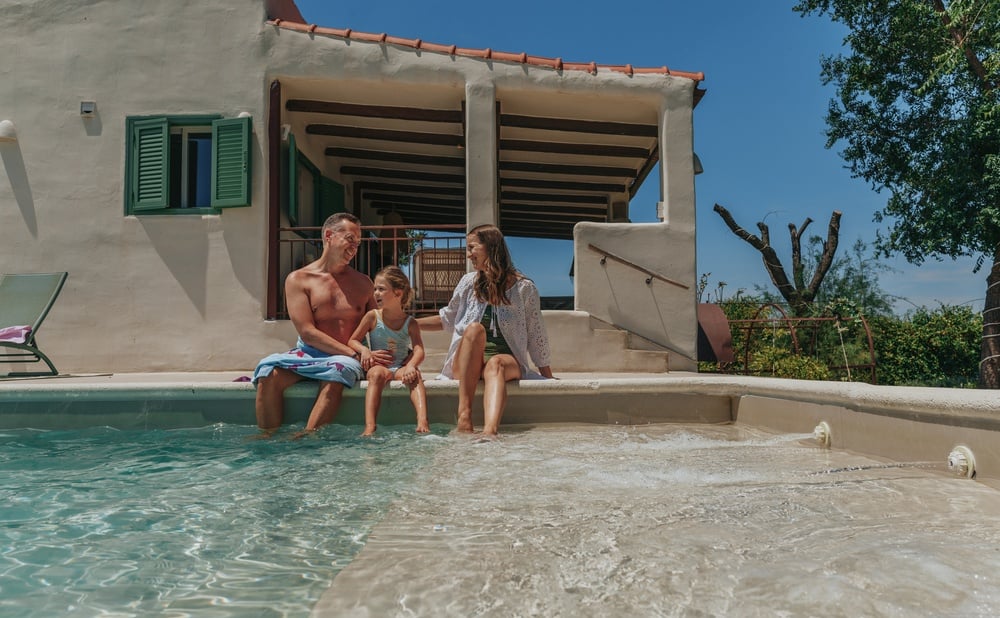
Many homes come with generous gardens, outdoor terraces and sometimes even pools. Building styles vary, with traditional stonework, timber-beamed interiors and terracotta roofs common among older properties. For buyers looking for modern amenities, plenty of new-build developments are springing up in more urbanised areas like Challans and La Roche-sur-Yon, the department’s administrative centre.
Property highlights – renovated country house with gardens
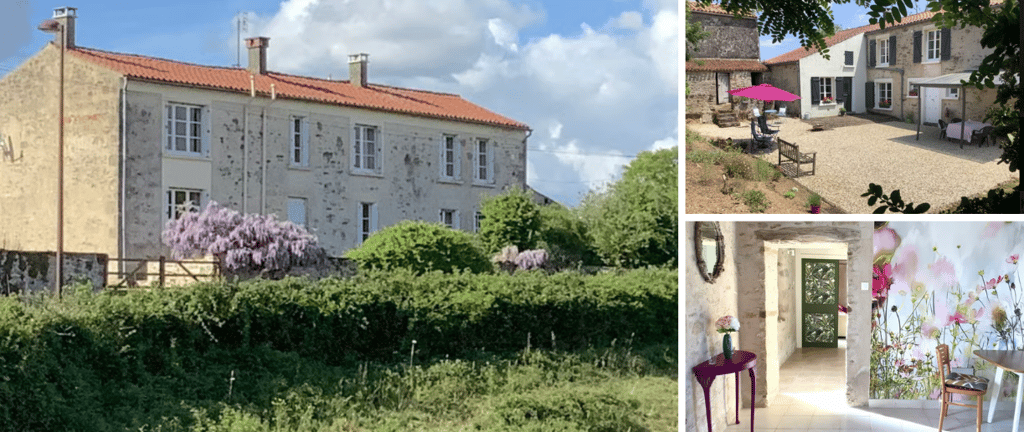
Location: Saint-Cyr-des-Gâts, Vendée
Price: €230,000
Bedrooms: 3
Size: 180m² internal, 4,209m² plot
Description: Beautifully restored by the current owners, this traditional stone country house combines period character with bright, spacious living areas in the heart of the Vendée countryside. Set within just over an acre of fenced gardens, the property includes a wildflower meadow, paddock, boules court and a choice of sunny and shaded seating areas. A two-storey stone barn, hangar and additional outbuildings provide excellent storage and workshop space. Situated on the edge of the village of Saint-Cyr-des-Gâts, local amenities are just a five-minute walk away, while the medieval market town of Fontenay-le-Comte, the Atlantic coast and La Rochelle are all within easy reach.
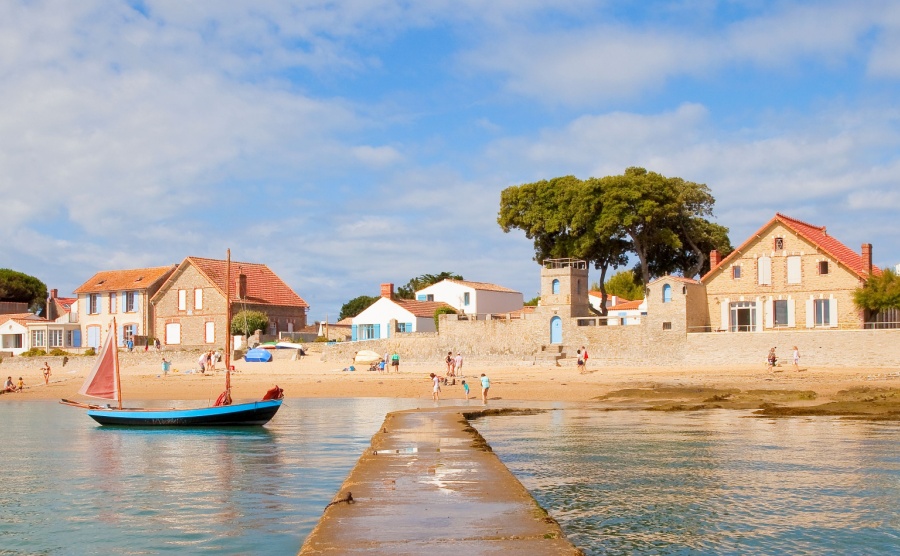
Steps to buying property in the Vendée
Buying property in the Vendée follows the standard process seen throughout France, which is designed to be transparent and legally robust.
Here’s what you need to know:
- Define your criteria:
Decide on your ideal property type, budget, proximity to amenities and whether you want to be near the coast or inland. This will help guide your research and keep your viewing list focused.
- Research the local market:
Use government data portals such as Demande de Valeur Foncière to look up recent sale prices. This is more accurate than relying on asking prices alone.
- Prepare your finances:
If you need a mortgage, begin speaking with a French mortgage broker early. Most non-residents will need to provide at least a 20–30% deposit and supporting documents with certified translations. Currency transfer planning is also essential. Fluctuations can add or subtract thousands from your budget. Consider using a forward contract from a specialist provider.
- Choose your experts:
Work with a bilingual notaire for legal checks. An independent lawyer is also advisable for international buyers. Your Overseas Home has a network of recommended professionals.
- Arrange viewings:
We recommend booking an inspection trip to explore shortlisted areas and meet local estate agents. Plan appointments in advance with help from property consultants or at a Your Overseas Home virtual event.
- Make an offer:
Once you’ve found the right property, submit your offer in writing, often with assistance from your estate agent. If accepted, you’ll sign the preliminary contract (compromis de vente) and pay a deposit – usually 5–10%.
- Finalise the sale:
The notaire will carry out legal checks, register the contract and set a signing date for the acte de vente. Completion typically takes 8–12 weeks. You’ll pay the remaining purchase amount on completion.
Remember, a well-planned purchase avoids delays and unexpected costs. Our experts are available to walk you through the process.
Typical costs and taxes
As with any French property transaction, buyers in the Vendée must account for several additional costs beyond the agreed sale price. These typically include:
- Notaire fees: These cover stamp duty, registration taxes and the notary’s own professional fee. For older properties, these usually add up to around 7–8% of the sale price. For new builds, they may be closer to 2–3%.
- Estate agent’s fee: This may be paid by the buyer or seller – always check who is responsible. It is often included in the listing price but can represent up to 6% of the sale amount.
- Homeownership taxes: You’ll pay both taxe foncière (land tax) and taxe d’habitation if the home is furnished and not your principal residence. Some buyers may also face empty home surcharges depending on the municipality.
- Utility setup and insurance: Budget for setting up gas, water, electricity and internet. Home insurance is mandatory at completion and costs vary depending on property size and location.
Depending on your personal situation, additional costs – such as translator fees, mortgage arrangement costs or inheritance planning – may also apply. Consulting a bilingual legal adviser before signing any contracts is highly recommended.
By factoring in these costs early and working with experienced professionals, your purchase in the Vendée can proceed smoothly and without hidden surprises. For tailored advice and assistance, speak to one of our property consultants today.
Still deciding where to buy property in France? Discover more top locations like the Vendée in our region-by-region guide to buying in 2025. And when you’re ready to take the next step, our in-depth article on how to buy property in France will walk you through the full process, from legal tips to financial planning.
Frequently asked questions about buying property in the Vendée
The Vendée offers a strong combination of affordability, lifestyle appeal and rental potential. Coastal towns like Les Sables-d’Olonne attract seasonal tourists, while rural inland homes provide value and long-term liveability.
Yes. A notaire is a legal requirement in all French property transactions. They handle legal checks, ensure taxes are paid, and oversee the transfer of ownership. International buyers often benefit from hiring an independent legal adviser too.
Expect notaire fees (7–8% for older properties), estate agency commissions (up to 6%), and annual taxes like taxe foncière. Mortgage, legal and currency exchange costs may also apply depending on your situation.
Absolutely. The Vendée is known for its welcoming communities, mild climate and high quality of life. Many towns offer healthcare, schools and transport links that make year-round living both practical and enjoyable.