

Whether you’re picturing a modern apartment by the sea or a countryside retreat to renovate, this guide will help you prioritise your requirements, narrow down your search and take the right steps to finding your dream home in Spain.
Buying property in Spain starts with understanding what you’re really looking for – not just in a property, but in a way of life. Spain offers everything from contemporary coastal apartments to centuries-old village houses with thick stone walls and shaded courtyards, and the choice can feel overwhelming at first.
Knowing what to look for in a Spanish home, what you can realistically afford and how to choose the right location for your needs will help you cut through the noise and focus on properties that genuinely suit you. With a clear brief and a bit of local insight, the search becomes far more manageable – and far more enjoyable.
How to find a home in Spain
Finding a home in Spain as an overseas buyer means working through a few key decisions in roughly this order: decide your budget and intended use, identify your preferred region, narrow down by property type, search online portals to build a shortlist, then arrange a viewing trip with local agents. Most buyers need two or three trips before they commit. Working with a specialist agent or property consultant from the start reduces the number of false starts significantly.
Contents
- First step to finding a home in Spain: decide your budget and where it takes you
- Choosing your region
- How to search for property in Spain online
- Planning a viewing trip to Spain
- Types of viewing trip
- What to consider when searching
- Save time with a property consultant
- How it works
- Summary
- FAQs about property hunting in Spain
First step to finding a home in Spain: decide your budget and where it takes you
Prices vary significantly by region, proximity to the coast and property type. As a broad guide for 2026:
| Budget | What it typically buys |
|---|---|
| Under €150,000 | Apartment in an inland town or a property needing significant renovation; coastal options at this price are now very limited |
| €150,000-€250,000 | One or two-bedroom coastal apartment in an established area; larger rural property inland |
| €250,000-€400,000 | Two or three-bedroom apartment near a major coast; smaller villa inland; townhouse in a market town |
| €400,000-€600,000 | Three-bedroom villa with pool in mid-range coastal locations; larger apartment in prime areas |
| €600,000+ | Premium coastal villas, island properties, or city-centre apartments in Madrid or Barcelona |
* Prices in high-demand coastal areas have risen sharply over the past two years, so treat these ranges as a starting point rather than firm expectations – particularly in Málaga, Palma and premium stretches of the Costa del Sol and Costa Blanca.
On top of the purchase price, allow 10-15% for buying costs – transfer tax (ITP) or VAT on new builds, notary fees, land registry fees and legal costs. The exact figure varies by region and whether the property is resale or new-build.
Choosing your region
The Costas – del Sol, Blanca and Brava – attract most international buyers because of their flight connections, established communities and year-round amenities. But the market has broadened considerably and buyers are increasingly looking elsewhere. Some of the best locations to consider include:
Costa del Sol and Andalusia – Spain’s busiest market for overseas buyers. Málaga, Marbella and Estepona offer everything from studio apartments to large villas. Rental demand is strong year-round. See properties for sale on the Costa del Sol.
Costa Blanca – covers a wide range of budgets. The southern stretch around Torrevieja and Orihuela Costa is among the most affordable coastal property in Spain; the northern section around Jávea and Dénia is quieter and more local in feel. See properties for sale on the Costa Blanca.
Mallorca and the Balearics – higher entry prices than the mainland, but strong short-let potential and a well-developed international community.
Valencia region – growing international interest, lower prices than the Costas and excellent transport links. See properties for sale in Valencia.
Inland and rural Spain – significantly lower prices, but access, infrastructure and resale markets need careful research before committing.
How to search for property in Spain online
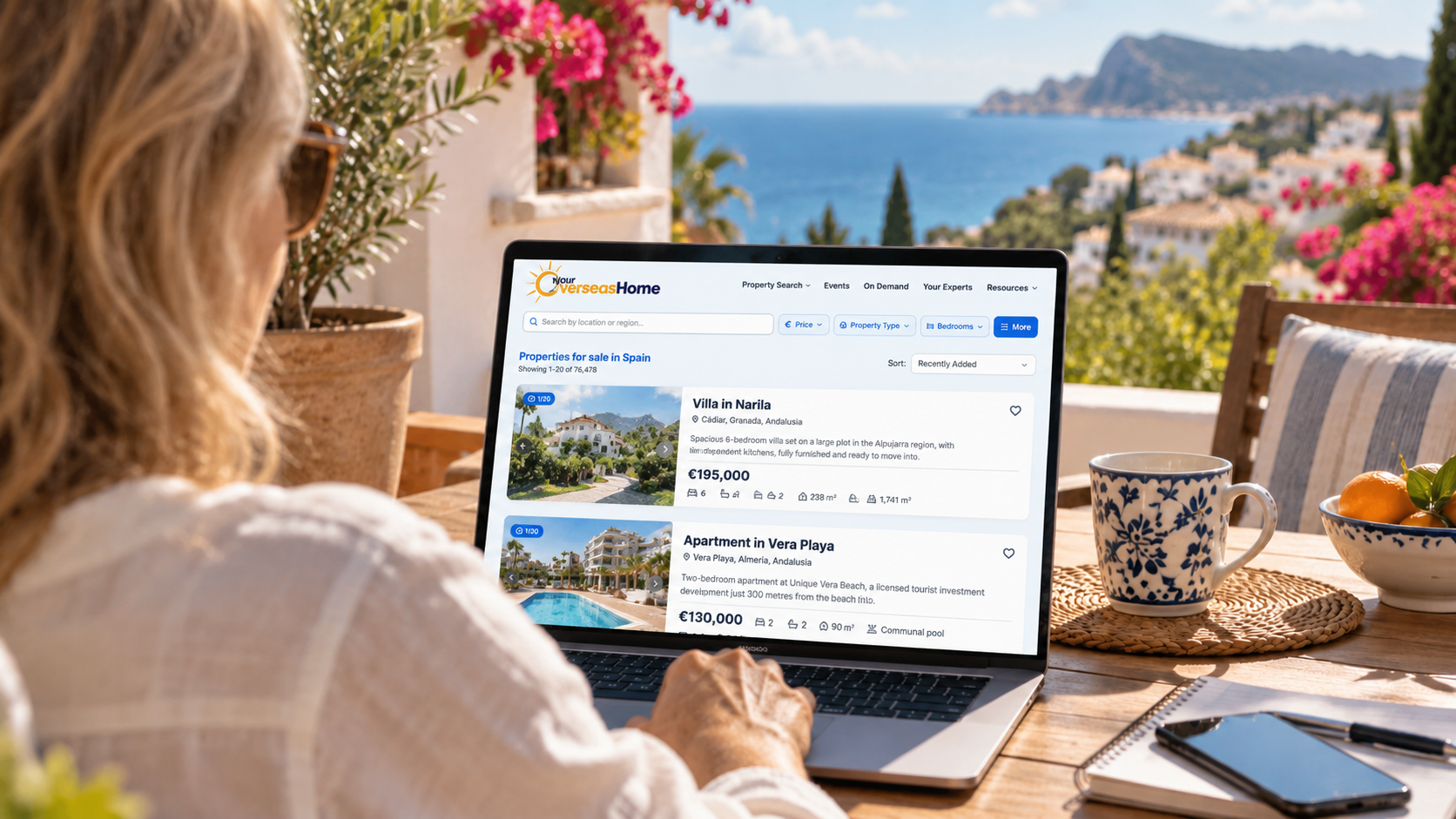
Your journey to finding the perfect property in Spain will likely start with an online search. Property portals are an excellent resource for comparing regions, property types and prices across thousands of listings.
Some reliable property portals to consider include:
- Your Overseas Home – features over 40,000 properties listed for sale across Spain.
- Zoopla – a UK-based site offering international property listings, including in Spain.
These portals allow you to filter your search by budget, property type (apartment, house, villa etc), and specific features (like rural settings or golf communities).
One of the biggest advantages of searching online is the ability to explore neighbourhoods remotely using tools like Google Earth, and to connect with locals through community groups on Facebook or Meetup.
Search homes for sale in Spain
Planning a viewing trip to Spain
A key part of finding your ideal Spanish home is visiting in person. While floorplans, photos and virtual tours help, there’s no substitute for stepping into a property and getting a feel for your surroundings first-hand.
Although property viewings happen year-round, many buyers travel in spring or autumn to avoid the heat and crowds of summer. However, if you’re buying with rental income in mind, visiting in peak season is smart, as it gives you a better sense of how busy the town or street is and the kind of rental potential you might expect.
How long your trip lasts depends on how many agents you’ll see, how spread out the properties are and how much exploring you want to do yourself. Leave time for solo research as well as your planned viewings. Give agents a few weeks’ notice so they can arrange access – resale properties may still be occupied and sellers need to be contacted in advance.
Download the Viewing Trip Guide
Types of viewing trip
Viewing with an estate agent
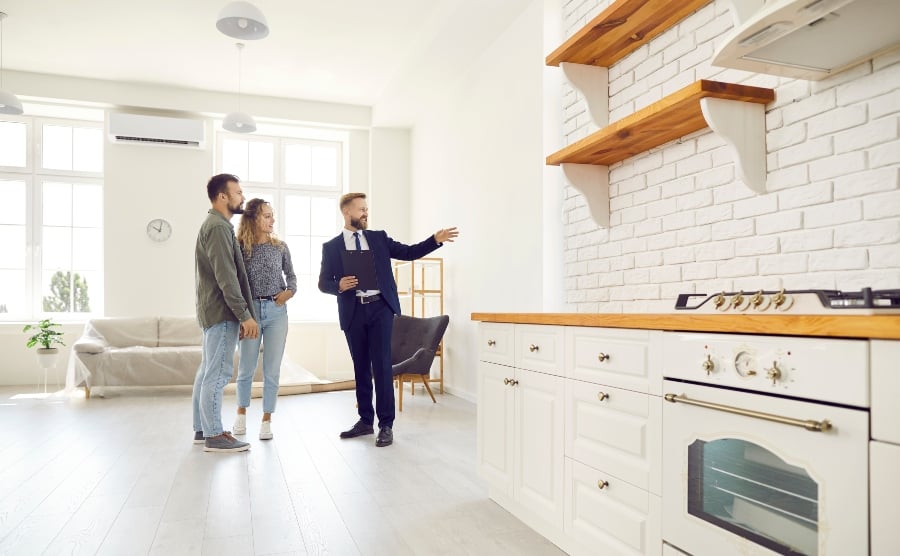
By the time you arrive, you’ll have built a rapport with your agent over calls or emails. A good agent will arrange viewings based on your shortlist and may suggest new properties that fit your criteria. Many agents live locally – some might also be expats – and they’ll often show you around the area, pointing out amenities like golf courses or international schools.
If you’re ready to buy, you may end your trip by reserving your chosen property. But it’s also normal to take time to reflect, even after you’ve returned home. You can begin the purchase process from the UK too.
Inspection trip with a developer
Developers sometimes offer subsidised three-day trips to view their properties, with flights and accommodation included. These are efficient but can be restrictive – you might not get the chance to explore independently or see homes from other providers.
Planning your own trip
You can also book your own flights and accommodation, then contact agents or developers while you’re there. They’ll usually collect you from your hotel to show you around. It means more research on your part, but the pace and schedule are fully your own.
Whichever route you choose, planning ahead is key. Spain’s market moves quickly, so let agents know your travel dates and location in advance so you can make the most of your trip.
What to consider when searching
From online searches to in-person viewings, there are key factors to help you narrow your options:
- What type of property are you after?
- How many bedrooms do you need?
- Do you want outside space or a view?
- How far is the nearest airport?
- What are the local towns like?
- Do you need schools or medical facilities nearby?
- What’s the distance to the beach or shops?
- For rentals: is the property in a zone that permits tourist lets? Spain’s holiday rental rules vary by region and are tightening in some areas.
Work with an agent before your trip to view as many suitable homes as possible. It helps to divide your list into must-haves and nice-to-haves so they can focus your time effectively.
Speak to a Spain property expert
Save time with a property consultant
If you’re struggling to find the right property or don’t have hours to spend online, our consultants can fast-track your search. With over 15 years of experience helping international buyers, they know the market and can match you with trusted agents and experts.
A short consultation can save you hours of research and help clarify your next steps. You’ll get personal introductions to local professionals, including estate agents, lawyers, visa specialists, tax advisors, currency specialists and more.
How it works
Tell us your plans – location, property type, budget – and we’ll connect you with the right partners. For example, if you’re looking in Costa Blanca, we’ll introduce you to an agent who knows the area and regularly works with overseas buyers.
Your consultant can also link you up with legal and financial experts to help make your purchase smooth and stress-free. Even if you’re undecided – Málaga or Almería? Holiday let or personal use? – we can offer guidance to help you move forward.
Summary
Finding a home in Spain in 2026 means working through a logical sequence: fix your budget, understand what it buys in different regions, choose a property type, search online to build a shortlist, then travel to view in person. The Costas remain the most active markets for international buyers, but Valencia, the Balearics and rural areas are all worth considering depending on your budget and intended use. Online portals let you research effectively from home; a good local agent gives you access and context you can’t replicate from a screen. Most buyers need two or three trips before they commit, and a property consultant can shorten that process considerably.
FAQs about property hunting in Spain
Begin with an online property portal to shortlist areas and property types that fit your budget and intended use. Once you have a clear brief, contact local agents who work regularly with overseas buyers – or ask a property consultant to make introductions. You’ll need a Spanish NIE number before you can complete a purchase, so it’s worth starting that process early.
Both are established markets with strong year-round appeal. The Costa del Sol – particularly around Málaga, Marbella and Estepona – offers a larger, more varied property market and generally higher values. The Costa Blanca covers a wider price range; the southern stretch is among the most affordable coastal property in Spain. The best fit depends on your budget, how often you’ll visit and what matters most in day-to-day life.
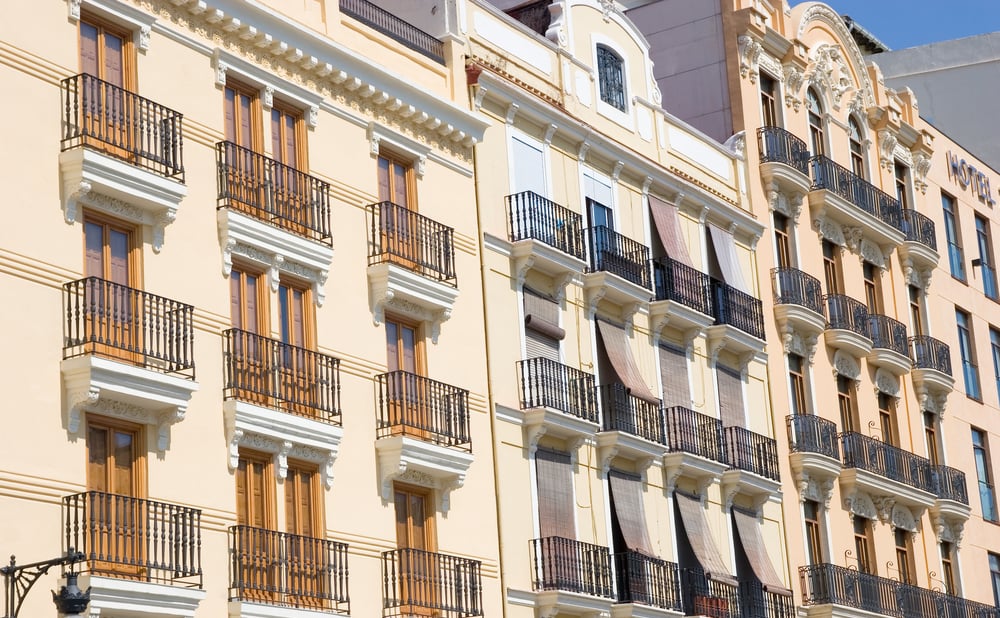
A traditional Spanish home is usually defined by its structure rather than its postcode. Look for features such as thick walls designed to keep heat out, tiled or terracotta floors, wooden shutters, small balconies or Juliet railings and an internal patio or courtyard. In older townhouses and village properties, rooms are often arranged around this central space rather than large open-plan living areas. In rural homes and fincas, you may also find beamed ceilings, uneven floors and smaller windows. These details add character, but they can also affect light, heating and renovation costs, so it’s important to decide how much authenticity you want versus modern convenience.
The cost of a Spanish property varies hugely depending on location, property type and proximity to the coast. As a broad guide, apartments in inland towns or smaller cities can start well below €150,000, while coastal apartments in popular areas often begin closer to €200,000–€250,000. Villas and larger homes typically range from €300,000 upwards, with prime coastal or island locations costing significantly more. It’s also essential to budget an additional 10–15% on top of the purchase price for taxes and buying costs, which will differ slightly by region and whether the property is new-build or resale.
Start with lifestyle rather than price. Think about how often you’ll use the property and what daily life needs to look like for you. If you’re visiting for short breaks, proximity to an airport and a lock-and-leave apartment may matter most. For longer stays or permanent living, access to healthcare, year-round communities, shops and reliable internet become far more important. Climate also varies more than many buyers expect – northern Spain is greener and cooler, while southern regions are hotter and drier. Spending time in different areas outside peak holiday season is one of the best ways to work out where you’ll feel at home long term.
You might also like: