

Having lived in Italy and France, I was confident about moving to Spain. After all, it couldn’t be that different, could it?
In many ways it isn’t. A café society, shops closing during the heat of the day, long lunches, a heroic appetite for paperwork and delicious regional food.
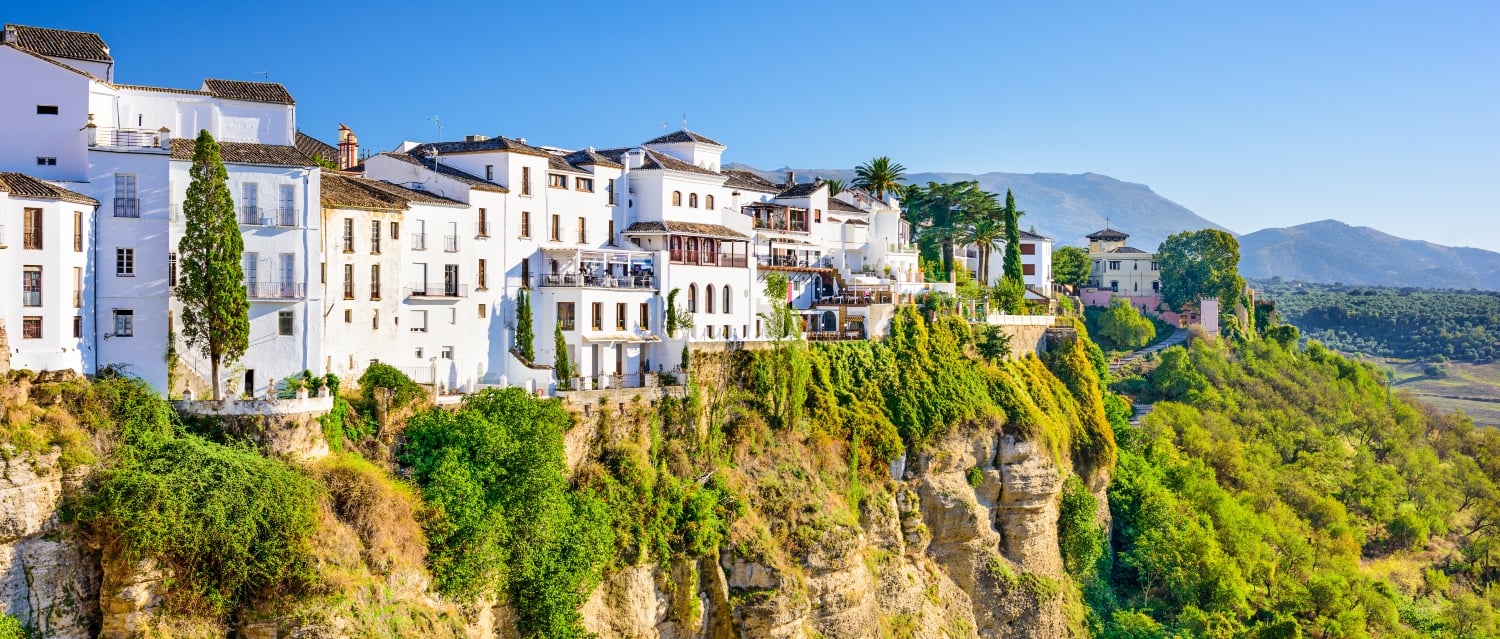
Shortly after settling down in a small town on the coast, I discovered that though there are many similarities between the three countries, there are many things specific to Spain. So began a learning curve which is continuing, even after 20 years here.
Spain’s own rules of politeness
In Britain, politeness is an art form. Yet each country has its own culture and customs and some in Spain are surprising.
Restaurants: In Barcelona, it is quite normal to call out clearly to attract a waiter’s attention – perhaps with “¡Oye!”, “¡Ei!” or “¡Escolta!”, depending on the language being spoken. To British newcomers, accustomed to elaborate attempts at eye contact, this can initially feel surprisingly direct.
Queues: Then there are everyday courtesies. When joining a queue in the post office, bank, chemist or anywhere, it is polite to ask “quién es la ultima?” “Who is the last in the queue?” This is because queues may not be in an exact straight line, some people might be sitting down and so it isn’t always obvious. Even if it is, you should still ask the question.
Kissing: The Spanish are very demonstrative people. In informal situations, you may find that a handshake feels surprisingly formal. A kiss on both cheeks is the norm, even when being introduced to someone for the first time. Well, it isn’t really a kiss but rather an air-kiss, just brushing the cheek. You always lean to your left first to touch your right cheek to the other person’s right cheek. Then, you switch to the other side for the left cheek. Just two kisses are expected, unlike in France, where it can vary from two to four kisses, depending on the region. Men, on the other hand, might hug or shake hands.
Spain has its own soundtrack
Nothing prepared me for the sounds of Spain. Even in Italy, which certainly isn’t quiet, they don’t reach the noise level of Spanish life. Perhaps less in the more reserved north of the country but elsewhere it’s difficult to have a quiet conversation in a restaurant as it seems as though all the clientele are shouting over each other. Spanish children appear to arrive with impressive lung capacity. For many Spaniards the sound suggests a room full of life rather than a disturbance.
After two decades, I still occasionally long for a volume control. Yet when I return from somewhere quieter, Spain can feel wonderfully alive.
Motorbikes: Something common to both Italy and Spain is the noise from motorbikes, though I think they are even louder in Spain. The owners derive great pleasure from revving at full throttle when waiting at traffic lights and then roaring off so they can still be heard four streets away. It’s something you just have to get used to, annoying though it is.
Late-night rubbish collections: In some towns and cities, residents are asked not to put household rubbish out until the evening, particularly during hot weather. This means the garbage trucks usually chug down the streets to collect it around 1am.
Car Horns: Like in most countries, Spanish drivers use the car horn to say hello to a friend, announce they have arrived or warn a pedestrian. But Spanish drivers do it more!
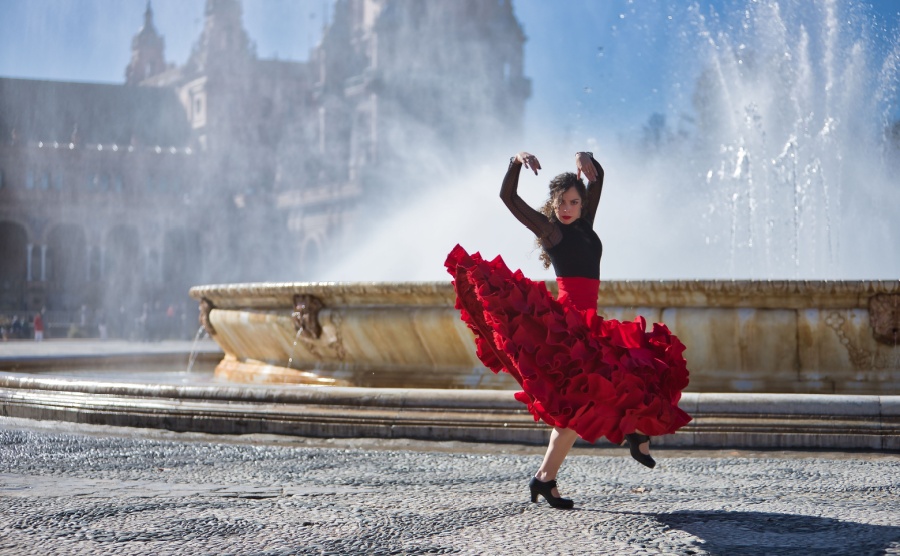
Loud music: In summer, with windows open, loud music fills the air, often competing between residents with one playing hip hop and another playing flamenco. Cars are also a source of loud music when it’s hot, the Spanish love noise.
Customs that soon start to make sense
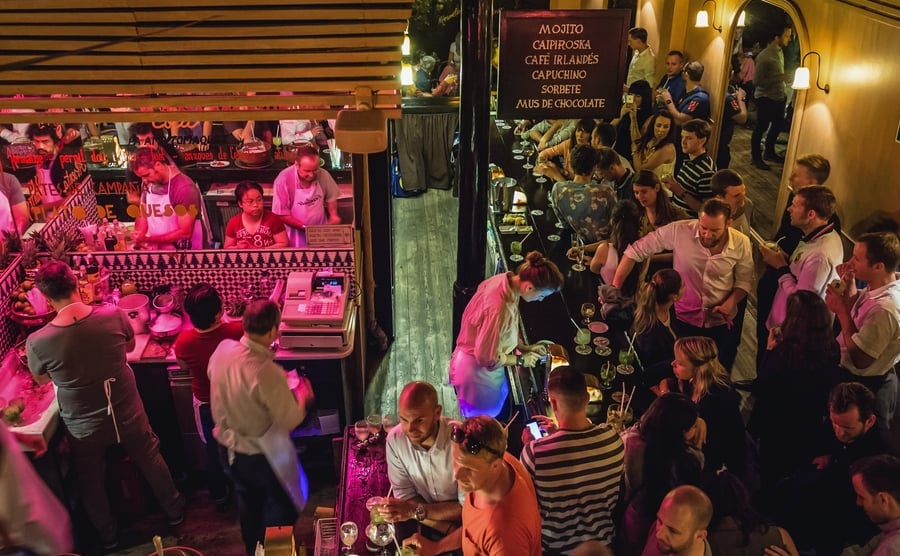
Bar floors: In some bars, especially in Madrid, Seville and San Sebastian, you walk into a traditional bar and see the floor littered with small, waxy paper napkins, toothpicks and olive pits. It is not a sign of neglect. In fact, it is the ultimate badge of honour. In some old-school bars, particularly busy standing-room establishments, you may still see paper napkins, toothpicks and olive stones dropped on the floor. Staff come around to sweep them up regularly.
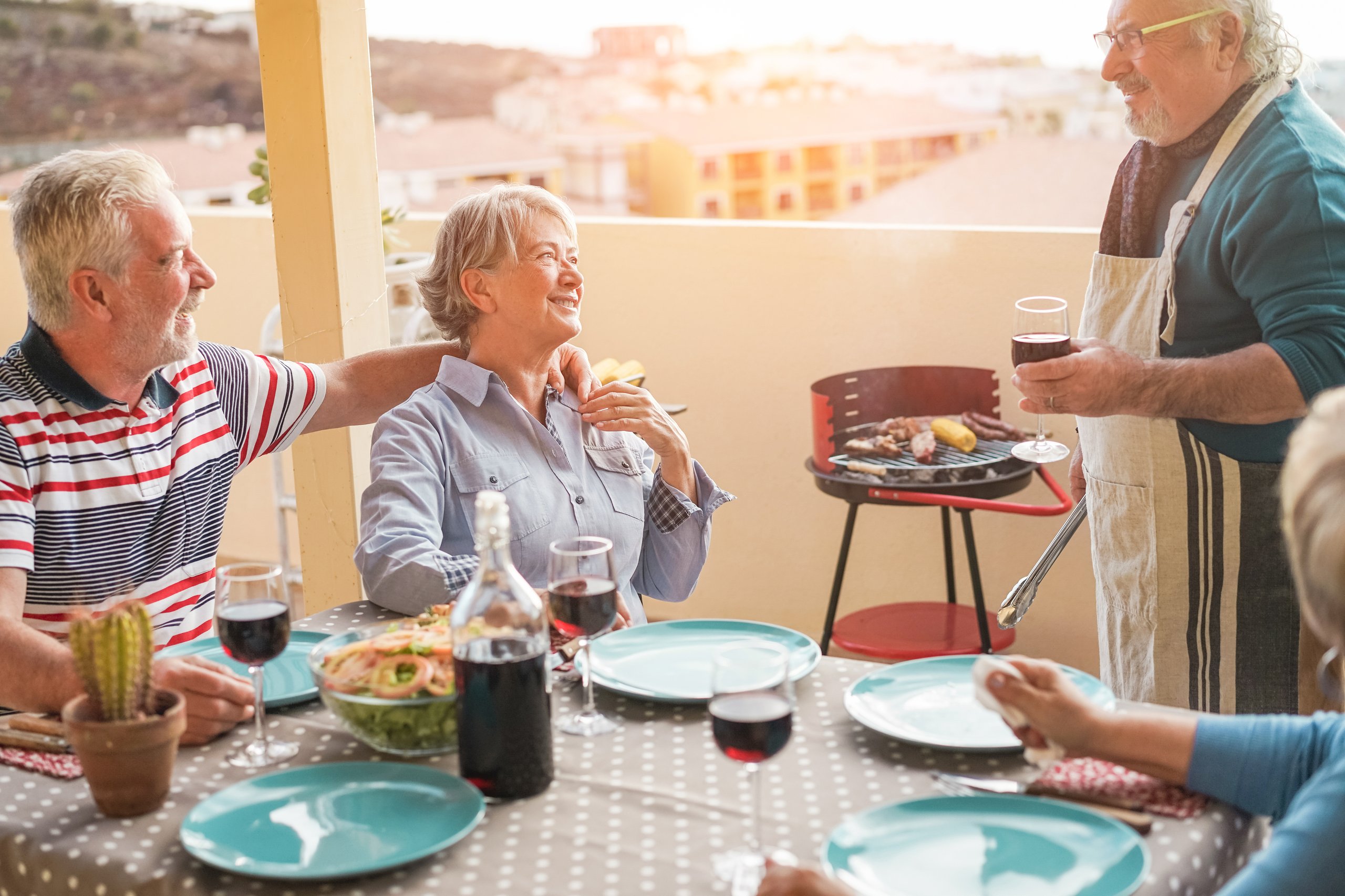
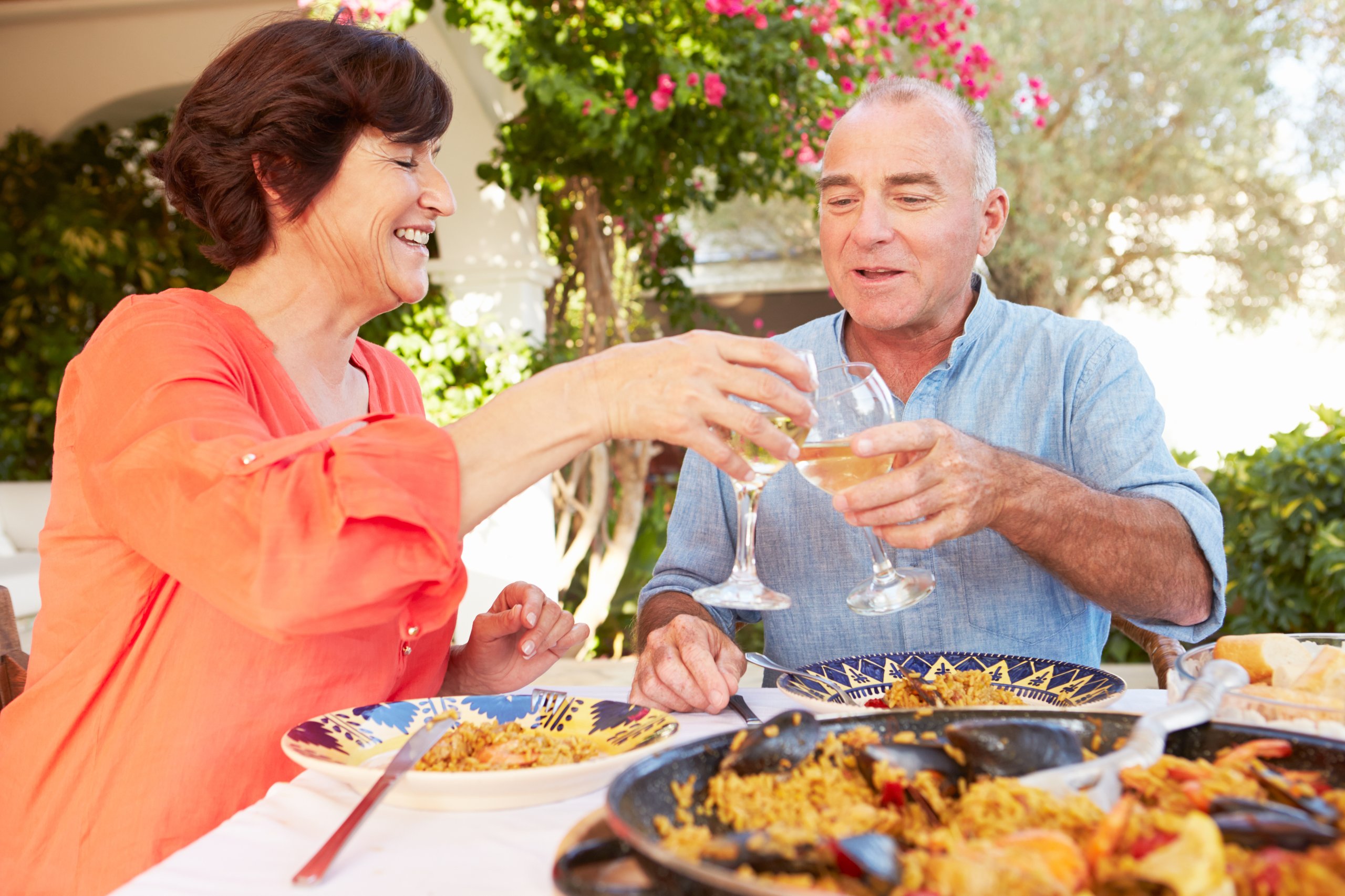
Late meal times: The Spanish eat much later than the rest of Europe. For those coming from northern countries in particular, it takes some getting used to. In major tourist locations, restaurants may open early to accommodate foreigners used to eating dinner at 6pm or 7pm but you won’t find any Spaniards there.
As a rule of thumb, lunch is between 2pm and 4pm and dinner from 9pm to midnight (this is in southern Spain where the temperatures dictate when people go out). In my region, restaurants open at 8pm and stay open until 11 or later at weekends.
Coming from France, as I did, it was actually a relief for me not to have to eat lunch around midday or 1.15pm at the latest. 2pm suits me perfectly as the Spanish day is later all round. Shops don’t open before 10am and often later than that; offices open at 9.30, occasionally at 9am. Concerts start at 10pm or 11pm and so life revolves around a later clock. For some who move here, it is something they cannot get used to and they stick to their country’s eating times at home. I understand it but it does mean that their day doesn’t truly coincide with that of the rest of the population.
Surnames: People often wonder why the Spanish have two surnames. It is to show who both the mother and father are, so the family history is not forgotten. Parents can choose which comes first, and the same order is normally used for subsequent children. History is saved and neither family side is left out or erased.
Walking barefoot is frowned upon: You won’t often find people walking around the house without shoes or slippers in Spanish households. Many Spaniards believe that walking barefoot on cold tiles will instantly cause you to catch a cold or get ill.
Taken together, these small habits give daily life in Spain much of its character. Some take longer to get used to than others – the 1am rubbish truck may never become music to your ears – but most soon become part of the rhythm of living here. The more you join in, particularly by learning some Spanish, the easier it becomes to feel at home. Before long, you may find yourself eating at 10pm, asking who is last in the queue and wondering why visitors keep trying to open the shutters at lunchtime.