



Moving to Spain is one thing – building a social life there is another. From learning enough Spanish to charm your neighbours to finding your people through the U3A, one long-term resident shares what actually worked, and what didn’t.
One concern for people moving to a new country is “will I be able to make new friends?” Fortunately, Spain is a friendly place and with some effort on your part, you will make new friends – but not necessarily immediately.
I live in northeast Spain where locals are perhaps more reserved than those in the south, and it takes time for them to get to know you and to welcome you into their fold. Once they do, you have good friends for life! Throughout Spain, you will find people welcoming if you join in local activities and blend in well with local culture.
The expat communities are always happy to see new faces and can be great sources of information for a newcomer and, of course, they speak your language.
Contents
First things first
Twenty years ago, I moved to Spain from southwest France. Before the move, a local friend who had spent many years in South America came once a week to teach me basic Spanish in return for packs of his preferred cigarettes. It was a bit of a problem for me as I already spoke Italian and trying to get my brain to adjust to Spanish was a hurdle I had to overcome. The two languages are similar but also very different. Eventually, I managed to push Italian to the back of my brain (though even now I will use Italian words when Spanish ones don’t readily come to mind).
All this effort proved invaluable when I arrived in Spain to a new world and a new way of life.
My advice to anyone planning to move to Spain is to learn the basics of the language. You don’t need to be fluent but any knowledge of how to speak will help you to make friends in the local community and give you the confidence to go about your daily tasks.
Evening classes, online courses, even Duolingo can all give you that special start in your new home.
“Hola” with a smile
Unless you have moved to a predominantly British (or other nationality) enclave, your neighbours are likely to be Spanish. To get to know them, you can greet them with just a simple “hola!” and a smile. They will usually respond warmly and if you notice they have a dog, look up the words in Spanish for “lovely dog!” (“Qué perro tan bonito!”) This can apply to their garden, car or anything you notice. They might think you speak fluent Spanish, so a phrase I urge you to learn is “I speak a little Spanish, I am learning.” (“Hablo un poco de español, estoy aprendiendo.”) I used this method to get to know my immediate neighbours and we all got on well with some Spanish, gesticulations and occasionally a little English. Don’t expect everyone to speak your language, though English is more widely used in coastal and tourist hotspots.
Meeting the expats
Certain areas of Spain have very large British (and other foreign) communities. This can even extend to shops, bars and other businesses, where English is the lingua franca. You can choose a local bar and go there frequently, so you are recognised. Explain that you have come to live in this place and are not a tourist passing through. As you get to know the local clientele, you will find it easy to communicate and be part of the crowd.
The people who have trodden the path to Spain before you will be only too happy to pass on their tips and knowledge. Just a word of warning though, not everything you are told will be accurate, so do check, especially if it’s to do with laws.
British and international groups and associations
There are several ways to meet like minded people through the many national, international and local groups and associations. As in the UK, you will find a local branch of the U3A in areas where there is a British community. Activities are organised by the members and can include golf, walks, coffee mornings, book clubs and local interest.
Membership of The Royal British Legion is available to all adults, not just members or ex-members of the forces.
The royal British Legion is present, divided between north and south Spain. Delivery of welfare services and the membership and fundraising activities of the Legion’s branches throughout southern Spain.
The British Society of Catalunya has branches in Barcelona and the Empordà/Costa Brava area. They focus on community building and charity.
I joined the U3A and was delighted with the variety of activities to suit all tastes. Cycling, golf, hiking, snorkeling, petanca (boules) for the sport minded; arts and crafts, cookery for the creative. Local interest plus various lunches and events offered throughout the year. I made a few good friends through the U3A but you will not like everyone and not all will share your personal interests. Eventually, you will work out who you want to spend time with.
Expecting too much too quickly
Friendships take time to develop. Initially, it’s comforting to talk to everyone either in English or simple Spanish but eventually you will find a small core of friends and the rest will be acquaintances.
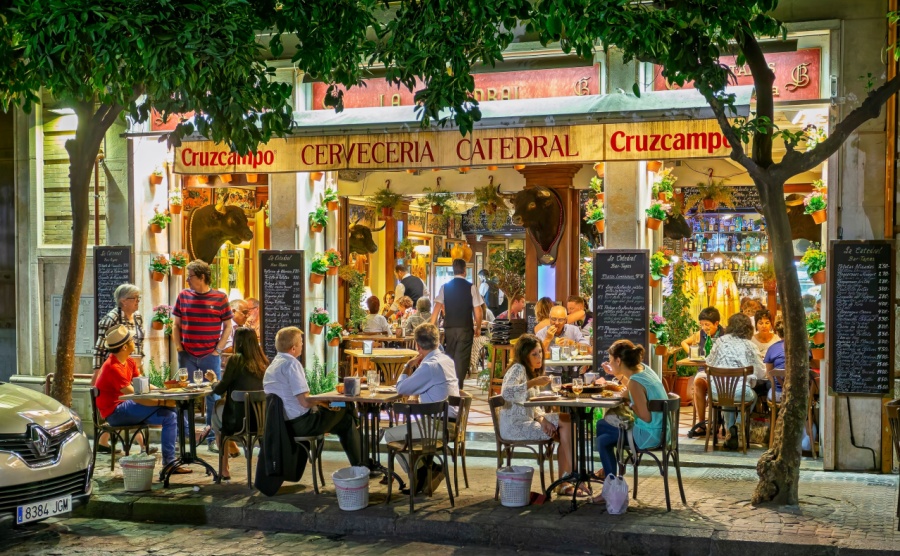
As mentioned earlier, Spanish people will take time to feel ready to invite you to a gathering or event and even longer to invite you into their homes. This is not anti-foreigner, family always comes first in Spain. Much socialising takes place out of the home, in bars, parks, restaurants. The reason is the majority of Spanish people live in small apartments, where space is limited, so they prefer to meet outside.
Some people will like you, some won’t
…and vice versa.
Sometimes, you just won’t gel with other people. Adults tend to be set in their ways, and it is more difficult to make real friends as we get older. We don’t need many, just a few who will be there for you when you need them (and you for them). Being friendly to those you meet is great but don’t expect to get close to many. In my 20 years here, I have four really good Spanish friends and four expat friends. I know dozens of people of all nationalities and enjoy their company from time-to-time, but I know who to trust and who to count on.
Trying to be all things to all the people you meet won’t work. Take your time, find out who is genuine and enjoy the wider circle of all nationalities that you come across.