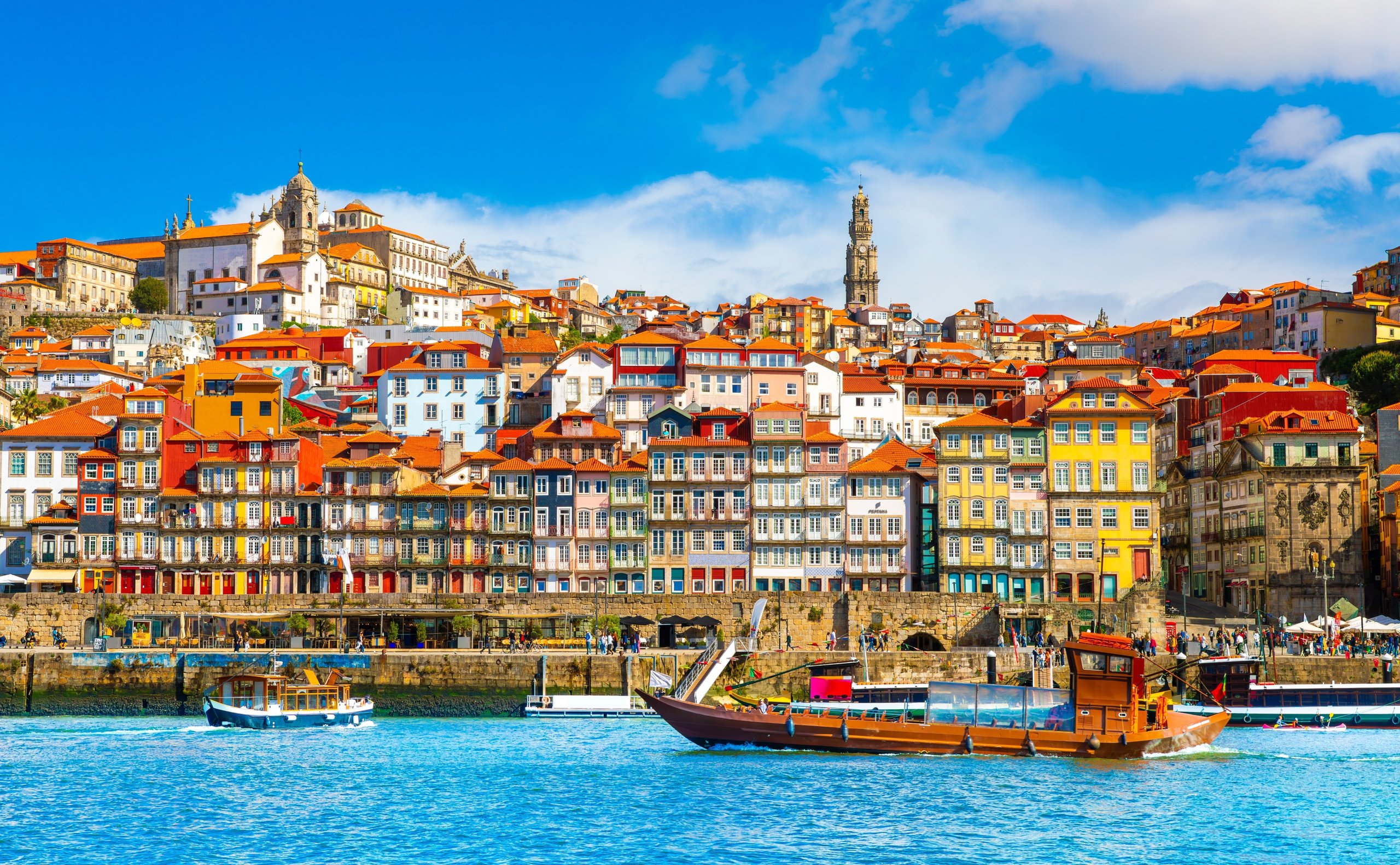
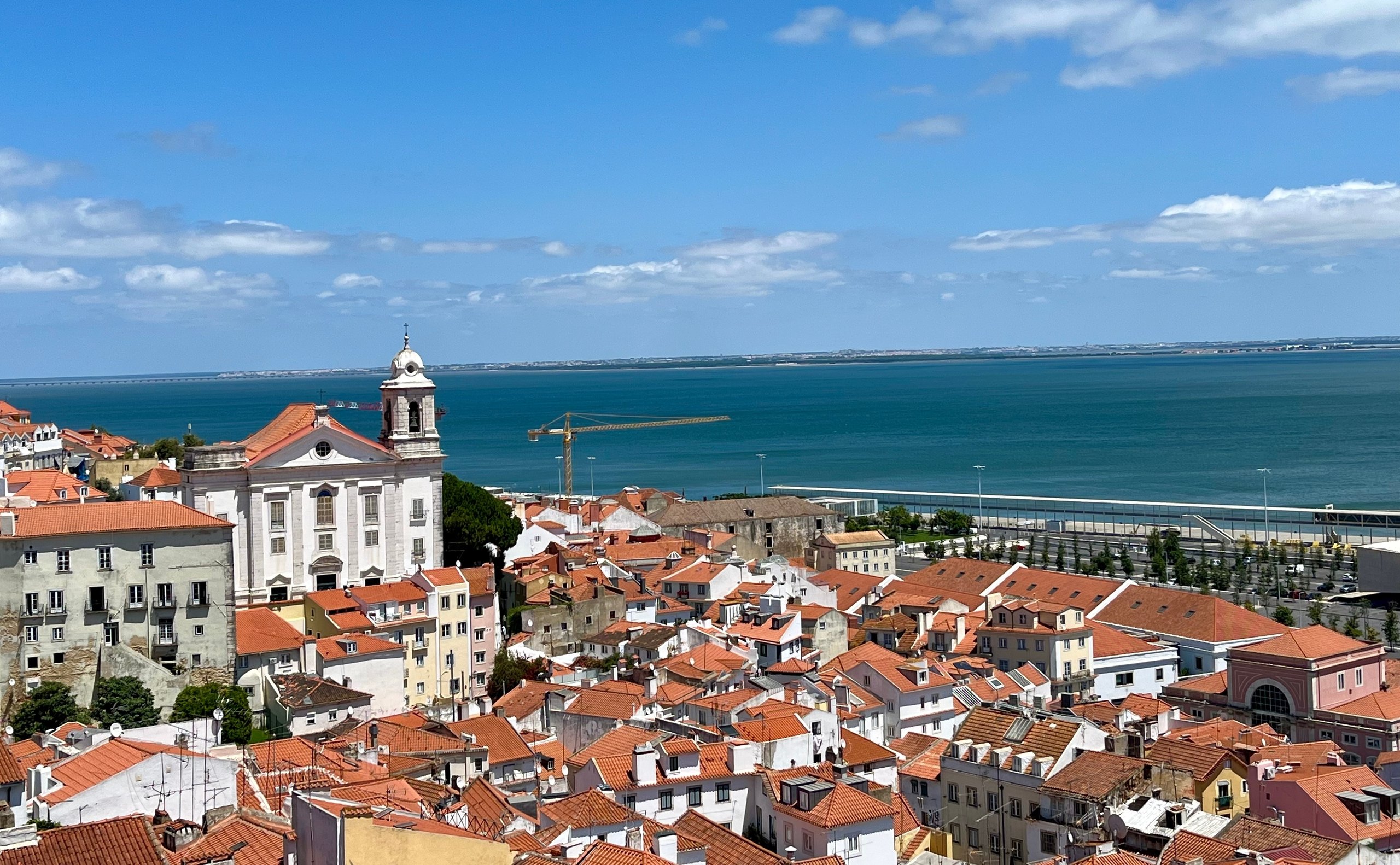
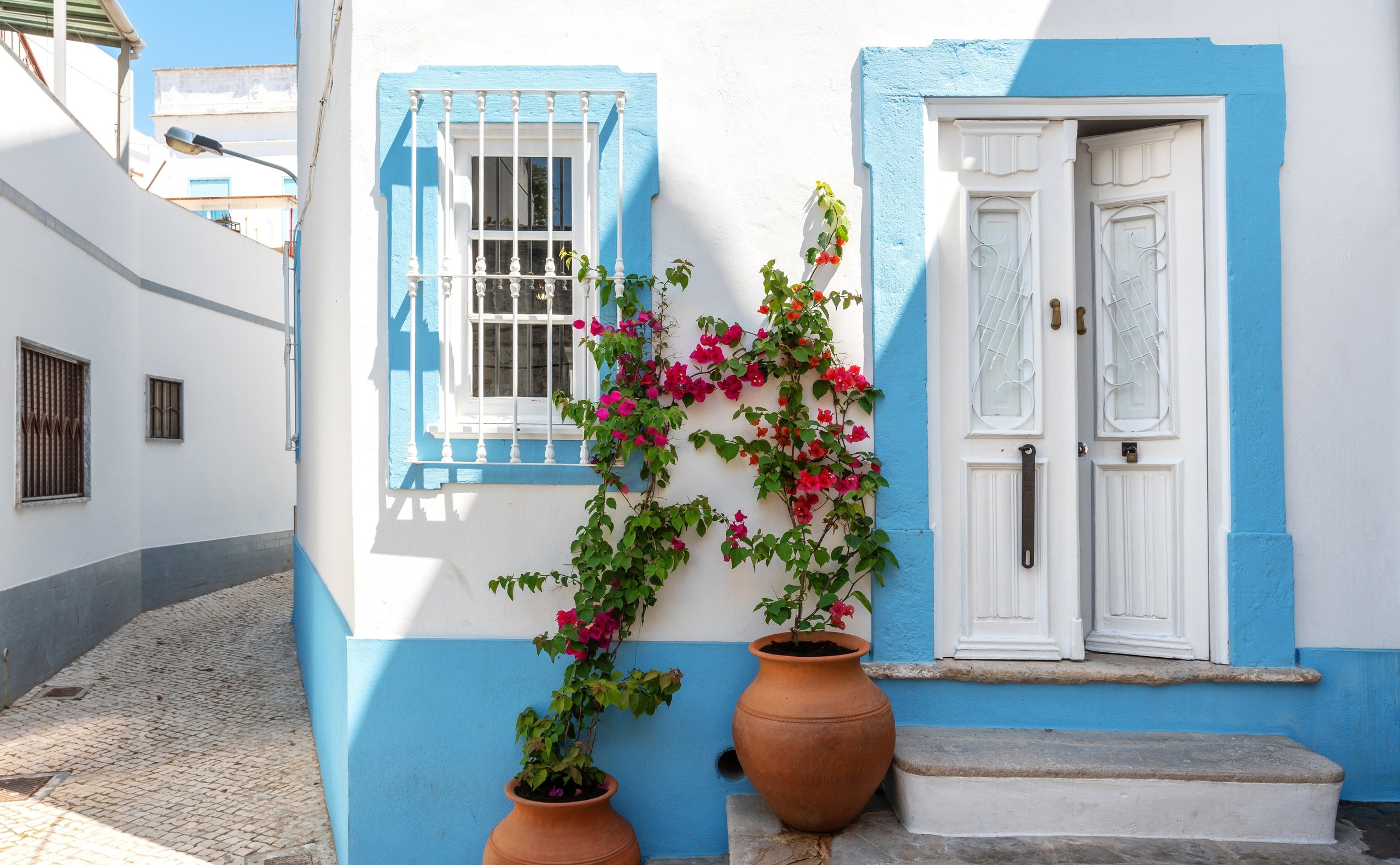


Portugal has long appealed to international retirees for its sunshine, healthy climate and leisure opportunities. More surprising is how well it performs once the practical questions begin.
In Your Overseas Home’s 2026 study of the easiest places for British citizens to retire overseas, Portugal came third out of 14 countries. Only Ireland, where British citizens benefit from the Common Travel Area, and Spain finished ahead of it.
Portugal scored better than other European and longer haul destinations across a range of factors representing both fewer obstacles for a retiree, and positive advantages. It took first place for safety, third for cost of living, fourth for the affordability of its income requirement and fourth for visa processing compared with the other destinations assessed. It also finished fifth for travel from the UK and ease of settling in.
Moving to Portugal is not paperwork-free. Applicants must prove income, arrange accommodation and insurance, obtain criminal-record documents and work through consular and AIMA appointments.
The difference is that the hurdles are identifiable, the financial bar is comparatively modest and no costly property purchase or investment is required simply to qualify.
Are there cheaper ways to take your pet to France? Yes, but the savings come from planning rather than dodging the rules. Shop around for your animal health certificate, compare routes by total journey cost and book your French vet appointment early if your dog needs tapeworm treatment before returning to Great Britain. If your main home is in Great Britain, do not rely on a French pet passport shortcut – you will usually need a new AHC each trip.
Contents
- The D7 visa fits how many people now retire
- Portugal’s income threshold is unusually attainable
- You can wind down without switching off completely
- Safe and affordable
- It is close enough to keep Britain in your life
- A health condition is not normally a visa barrier
- The process is clear, but it is not always quick
- Why Portugal finishes so high
The D7 visa fits how many people now retire
Portugal’s strongest advantage is its D7 residence visa, the route used by many retirees and people living from their own income.
It is available to non-EU, EEA and Swiss citizens, so the same basic route can serve British applicants after Brexit as well as Americans, Canadians, Australians and other third-country nationals. Portugal’s official government service describes it as a residence visa for retirees and people living from their own income.
Our Portuguese immigration lawyer, Joana Neto Metre of Matlaw, puts it plainly: “When someone is retired, in early retirement or gradually reducing their professional activity, the most appropriate visa is, generally, the D7 visa.”
That wording matters. Retirement is not always a clean break. You might draw a pension while retaining a few clients, receive rent from a UK property or live partly from investments. The D7 is built around stable means of support rather than a rigid idea of retirement.

Accepted income may include pensions, rent, dividends, interest, investment income, royalties and similar regular sources. The central test is whether you can support yourself in Portugal without depending on employment income.
Portugal’s income threshold is unusually attainable
For a single applicant in 2026, the official means-of-subsistence benchmark is €920 per month, equivalent to €11,040 over 12 months. In practice, applicants should expect to demonstrate both stable income and sufficient accessible funds, with each application assessed on its complete financial evidence.
In our international comparison, that placed Portugal fourth for the affordability of its income requirement. The figure used for Portugal was less than half the €28,800 benchmark in our Spain calculation and a little over a third of the €31,000 used for Italy.
Requirements rise when a spouse or dependent children are included, but Portugal’s starting point remains far more approachable than many popular retirement destinations.
It also allows a more rounded view of your finances than a single monthly pension figure may suggest. “If your monthly income is slightly below the reference amount, this does not necessarily mean that your application will be refused,” says Joana. Savings, investments, assets and other financial resources may help demonstrate that you can support yourself.
Indeed she points to a client of Matlaw whose income at first appeared below the limit. “we carried out a comprehensive analysis of all their sources of income and financial resources to determine whether the legal requirements could nevertheless be satisfied. By carefully structuring and presenting their financial situation, we were able to overcome those issues and successfully proceed with their applications.”
Someone with a modest pension but accessible savings and regular dividends may have a stronger case than the pension figure alone suggests. Your complete financial position matters.
You can wind down without switching off completely
Find a webinar for your plans
Choose what you need help with and when you want to attend. We will take you straight to the most relevant upcoming events.
The D7 can also suit a genuine semi-retiree. A former surveyor, designer or management consultant may want to accept occasional work without rebuilding a full-time career.
“Holding a D7 visa or residence permit does not prevent the holder from carrying out occasional professional activities, such as providing consultancy services,” says Joana, provided the relevant Portuguese tax and, where applicable, social-security obligations are met.
The main basis of the application must still be adequate passive or stable income. If consultancy earnings are essential to meeting the threshold, another visa may be more appropriate.
But if the work is occasional and your retirement income already supports you, Portugal does not necessarily require you to turn down every interesting project that comes your way.
Safe and affordable
Portugal’s safety score was one of the main reasons it finished third overall. For a retiree, safety is not an abstract league table. It affects whether you feel comfortable using public transport, walking home after dinner, leaving a property empty while visiting family and dealing with daily life without constant anxiety.
Affordability helped too. Portugal ranked third for cost of living in our comparison, behind Turkey and Spain.

National rankings cannot tell you what a particular home in central Lisbon, the Algarve or rural inland Portugal will cost, but they show that normal household spending can compare favourably with many alternatives.
A workable retirement budget depends on groceries, utilities, maintenance, transport, insurance and trips back to the UK, not cheap property alone. Portugal scores well because it performs broadly across those practical costs.
It is close enough to keep Britain in your life
Portugal came fifth for ease of travel from the UK. It cannot compete with Ireland or France, but direct air links through Lisbon, Porto and Faro make family visits and quick trips back far more manageable than retirement in North America, Australia or New Zealand.
You also have the option of travel via Spanish airports, and it’s a pleasant if rather long train trip from the UK via France and Spain.
Portugal gives you a real change of lifestyle without putting half the world between you and home.
British retirees can also continue receiving their UK State Pension in Portugal and it is normally increased each year, rather than frozen at the rate paid when they leave.
Eligible UK State Pension recipients may also be able to register an S1 form for UK-funded state healthcare in Portugal.
A health condition is not normally a visa barrier
Health was Portugal’s weakest category in our comparison, ranking 11th among the 14 destinations. However, this should not be read as a verdict on Portuguese hospitals or doctors. The underlying index measures population health as well as healthcare, including smoking, mental wellbeing, chronic illness and substance-use disorders. Portugal performed considerably better for its care system, preventative treatment and longevity.
Moreover, the visa question and the health of Portugal’s population are separate issues.
“A pre-existing health condition does not prevent a person from obtaining a residence permit in Portugal,” says Joana Mestre. Portuguese law does not generally treat a medical condition as an independent reason for refusal, apart from limited public-health grounds involving specified infectious or contagious diseases.
Applicants will need appropriate insurance during the immigration process. Once resident, they can register for Portugal’s National Health Service, while eligible British pensioners can use the S1 route.
The process is clear, but it is not always quick
There is one important corrective to the idea that retiring to Portugal is easy: simple does not mean fast.
Portugal’s official service gives a 60-day deadline for the residence-visa application, but that is not the same as the full journey.
Our lawyer advises allowing as much as a year from beginning to end because the timetable can depend heavily on AIMA appointments. Do not build your move around the rosiest possible date.
“There is very little an applicant can do to expedite the process,” says Joana.
What you can do is prevent self-inflicted delay. Documents should be complete, consistent, properly legalised or apostilled where required and submitted on time. Requests from the authorities need prompt answers. This is where using a good law firm in Portugal can be worth its weight in gold.
Portugal’s official visa guidance lists general requirements including a valid passport, travel insurance, a criminal-record certificate and proof of sufficient means.
A criminal record is not automatically fatal to your application. General residence rules refer to offences punishable in Portugal by more than one year in prison, alongside public-order and security considerations.
Anyone with a conviction should take advice and may need to provide the judgment, evidence that the sentence was completed and proof of rehabilitation or good conduct.
Why Portugal finishes so high
Portugal does not win every category. Learning Portuguese requires effort, healthcare access varies by location and AIMA delays can test the patience of even the most organised applicant.
Yet ease is about the whole journey.
Portugal offers a visa designed around pensions and private income, a relatively low financial threshold, room for a carefully managed semi-retirement, strong safety, manageable living costs, annual UK State Pension uprating and realistic travel back to Britain.
That is why Portugal came third in our 2026 ranking.
It is not a country where you can arrive with a suitcase and sort everything out later. It is a country where, with sufficient income, sound documents and a realistic timetable, the route from “one day” to legal residence is unusually clear.