
Buying property in the Algarve still appeals to many overseas buyers because the region makes repeat visits, winter stays and property management easier than in many parts of Portugal. The practical reality in 2026 is that convenience comes at a price, especially in central coastal areas, so you need to compare locations carefully before you make an offer.
This guide explains what to expect from Algarve property prices, where to focus your search, what buying costs to budget for and which legal, rental and planning checks matter most.
Buying property in the Algarve in 2026 can still work well for holiday-home buyers, retirees and rental-led buyers, but it’s a mature, higher-priced market. The safest approach is to compare areas by budget, airport access, rental rules, running costs and resale appeal, then check the legal position before signing a promissory contract.
The legal details Portugal buyers often think about too late
Learn how ownership structure, inheritance rules, wills and tax planning can affect your Portugal purchase.
Contents
- Is buying property in the Algarve still a good idea in 2026?
- How much does property cost in the Algarve?
- Where should you buy property in the Algarve?
- Central, eastern or western Algarve: which suits you?
- Buying costs, mortgages and currency planning
- Can you rent out property in the Algarve?
- How to buy property in the Algarve step by step
- Buyer trade-offs to think through
- What should I do next?
- Summary
- Frequently asked questions
Is buying property in the Algarve still a good idea in 2026?
The Algarve remains one of Portugal’s easiest regions for overseas buyers to understand. It has Faro Airport, established resort towns, a deep stock of apartments and villas, English-speaking professionals and a mature property-management sector. For buyers who want a home they can use regularly from the UK, that infrastructure is a real advantage.
The trade-off is price. The Algarve is no longer a simple value play. Many buyers find that the locations with the shortest airport transfers, strongest rental demand and best resale depth also have the tightest budgets.
That doesn’t make the Algarve a poor choice. It means your buying decision needs to be more specific. A villa near Vilamoura, a townhouse in Tavira, a lock-up-and-go apartment in Lagos and a rural home near Silves all sit in the same region, but they behave very differently as purchases.
If you are still comparing Portugal as a whole, read our guide to where to buy property in Portugal alongside this article. If you are ready to understand the national process, start with how to buy property in Portugal.
How much does property cost in the Algarve?
Algarve property prices vary sharply by town, distance from the coast, condition, outdoor space and rental potential. Asking-price benchmarks are useful, but they are not the same as completed sale prices. A sea-facing apartment, golf villa, rural renovation and newer townhouse should not be compared by price alone.
Our latest Algarve vs Silver Coast Portugal comparison used March 2026 asking-price data that put Faro district, the Algarve benchmark, at around €3,988 (£3,420) per square metre. On that basis, a 100 square metre property priced at the district asking average would be roughly €398,800 (£342,000).
That does not mean every buyer needs €400,000 to enter the market. It does mean that older assumptions about finding a good coastal one-bedroom apartment from €150,000 should be treated carefully. At that level, you are more likely to be looking at smaller properties, inland locations, renovation needs or compromises on outdoor space, parking or access.
| Budget | What it may buy in the Algarve | Buyer caveat |
|---|---|---|
| €250,000 (£214,000) | Apartment-led search, often with location or size compromises | Check service charges, parking and year-round demand |
| €400,000 (£343,000) | Stronger apartment choice, some townhouses and smaller villa options | Prime central areas may still feel tight |
| €650,000 (£557,000) | Better villa choice, especially away from the most expensive resort pockets | Pool, garden and maintenance costs matter |
| €1m (£857,000)+ | Prime villas, golf homes and coastal stock | Due diligence is still essential, especially on extensions and rental use |
For a serious 2026 budget, plan around three figures: the purchase price, the full buying costs and the amount you need to hold in euros before completion. If your funds are in pounds, currency movement can affect your buying power between offer and final deed.
Where should you buy property in the Algarve?
The best place to buy in the Algarve depends on how you will use the property. A buyer planning six weeks of family holidays has different needs from someone retiring full time or buying with rental income in mind.
| Buyer priority | Good starting points | Why these areas may work |
|---|---|---|
| Frequent UK trips | Faro, Olhão, Loulé, Vilamoura, Tavira | Shorter transfers from Faro Airport and practical services |
| Premium resort market | Quinta do Lago, Vale do Lobo, Vilamoura | Deeper luxury stock, golf communities and established resale demand |
| Better value | Inland Loulé, Silves, São Brás de Alportel, Castro Marim | More space for the budget, with more driving required |
| Rental-led purchase | Lagos, Albufeira, Vilamoura, Tavira | Strong visitor demand, but local accommodation rules must be checked |
| Full-time relocation | Faro, Tavira, Loulé, Lagos, Portimão | Better access to shops, healthcare, transport and year-round services |
| Quieter ownership | Western inland areas, eastern Algarve villages | More local feel, but fewer services on the doorstep |
Many buyers start with the coast and then move slightly inland once they compare price, space and everyday convenience. In our experience, that is often where the better long-term decisions happen. Being ten or 15 minutes from the beach can make a large difference to what you can afford.
If you are comparing specific towns, our guides to buying property in Lagos and buying property in Tavira are useful next reads.
Central, eastern or western Algarve: which suits you?
The Algarve is often described as one market, but buyers usually make better decisions when they split it into central, eastern and western areas.
Central Algarve
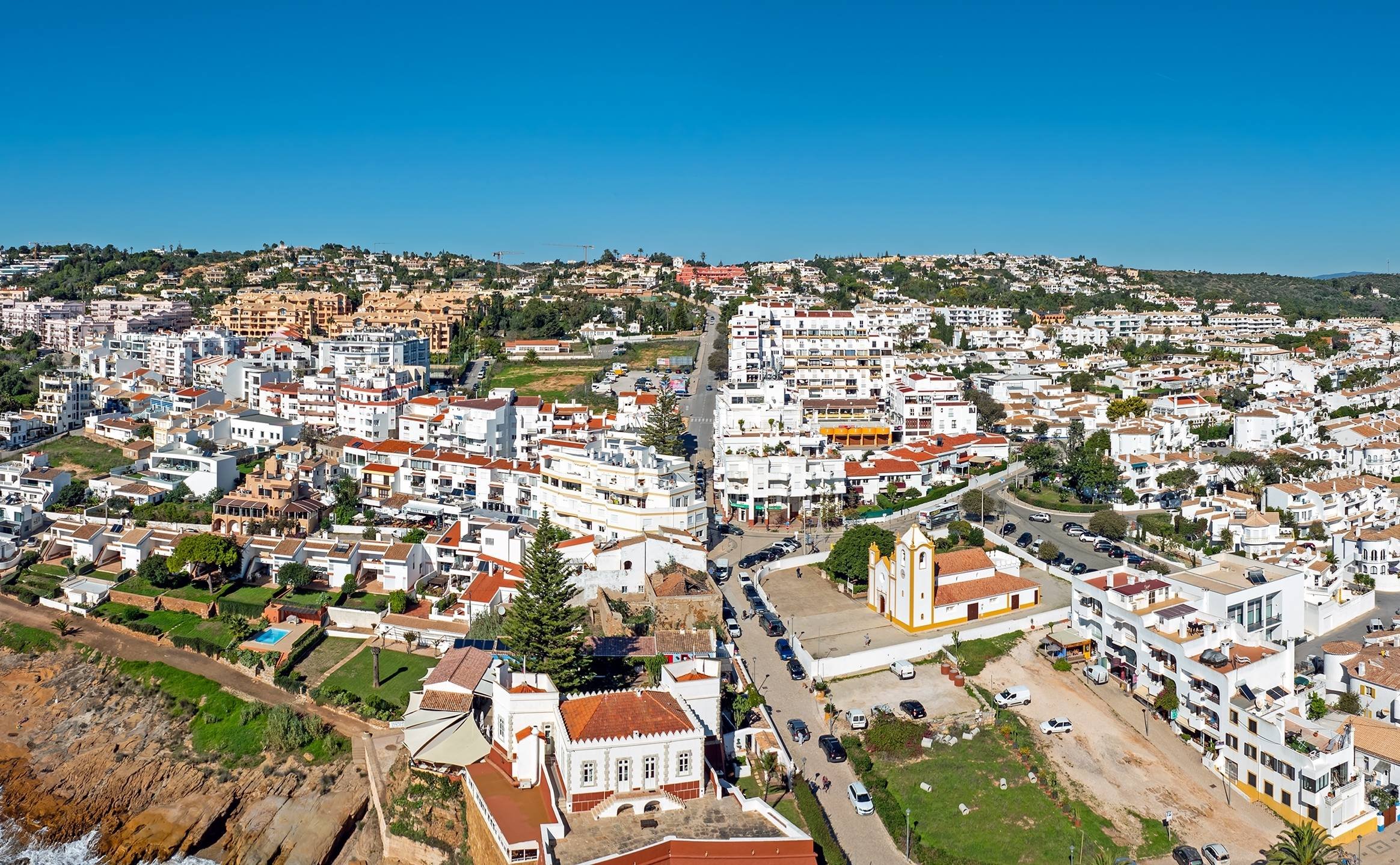
Central Algarve includes Faro, Loulé, Vilamoura, Albufeira and the premium resort areas around Quinta do Lago and Vale do Lobo. It is the easiest part of the region for buyers who want airport access, established property managers and a large choice of apartments, villas and resort homes.
The downside is cost. Buyers looking for outdoor space, a pool or walking distance to amenities can find budgets stretch quickly. If you are buying here, pay close attention to service charges, golf or resort fees, condominium rules and resale demand outside the highest season.
Central Algarve often suits buyers who value convenience over maximum space. It can also suit rental-led buyers, but only where the property’s licensing position and management costs are clear before purchase.
Eastern Algarve
Eastern Algarve includes Tavira, Olhão, Castro Marim, Vila Real de Santo António and the areas around the Ria Formosa. It is often attractive to buyers who want good access to Faro Airport without paying central resort prices.
Tavira is one of the most popular choices for overseas buyers who want a year-round town rather than a pure holiday resort. Olhão has improved its profile in recent years, especially for buyers who like being close to Faro and the islands. Further east, buyers may find better value, but they should check transport, healthcare access and local amenities carefully.
The eastern Algarve can work well for retirees and longer-stay buyers. It may also suit rental buyers, but demand is more town-specific than in the busiest central resort areas.
Western Algarve
Western Algarve includes Lagos, Alvor, Portimão, Sagres, Aljezur and inland areas such as Silves and Monchique. Lagos is one of the strongest western markets, with year-round services, marina appeal and good rental demand. Alvor and Portimão offer different price points, while Sagres and the far west feel more exposed and seasonal.
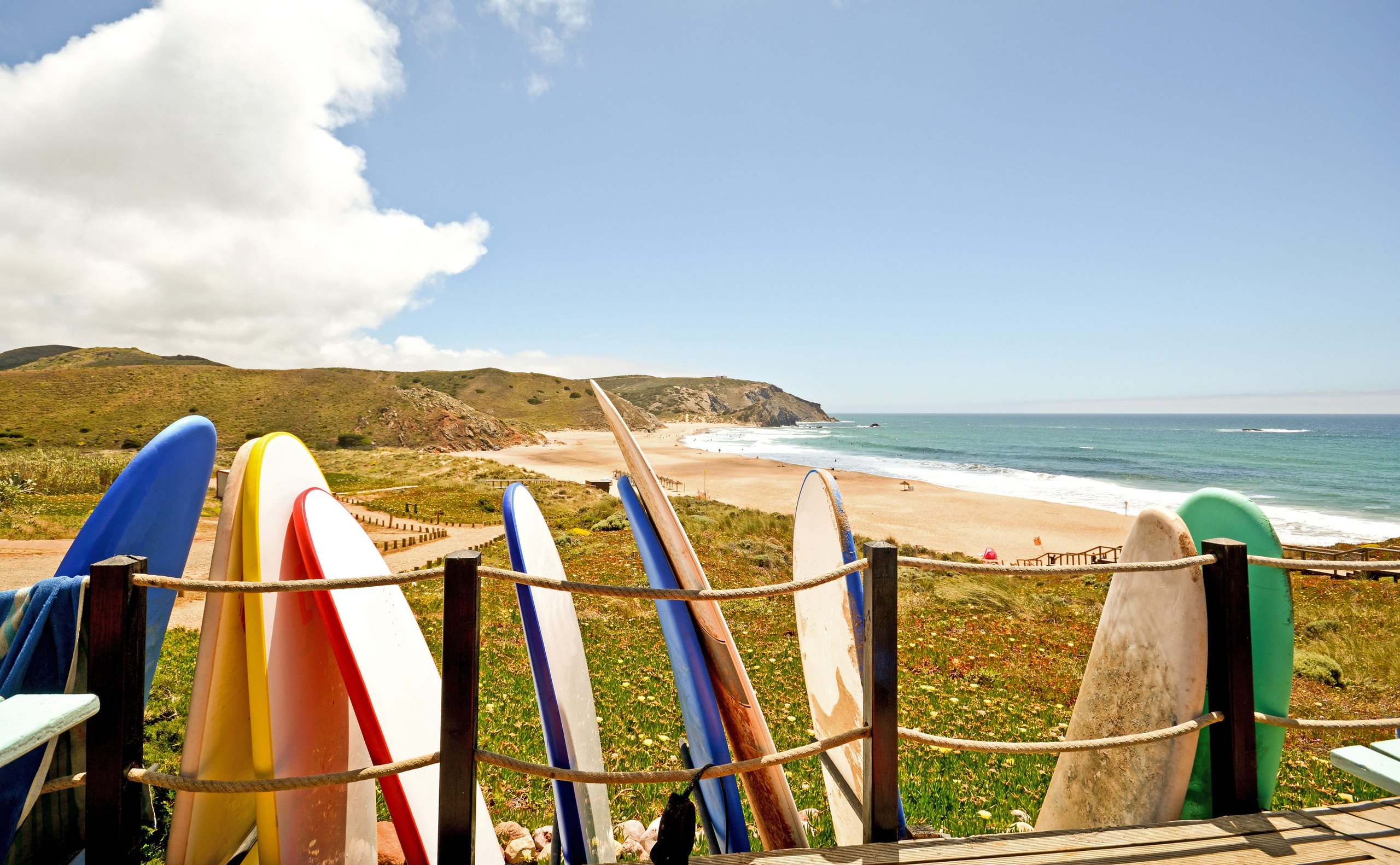
This side of the Algarve suits buyers who want more dramatic coastline, surf access or a little more distance from the central resort market. Transfer times from Faro Airport are longer, so think carefully if you expect frequent short trips.
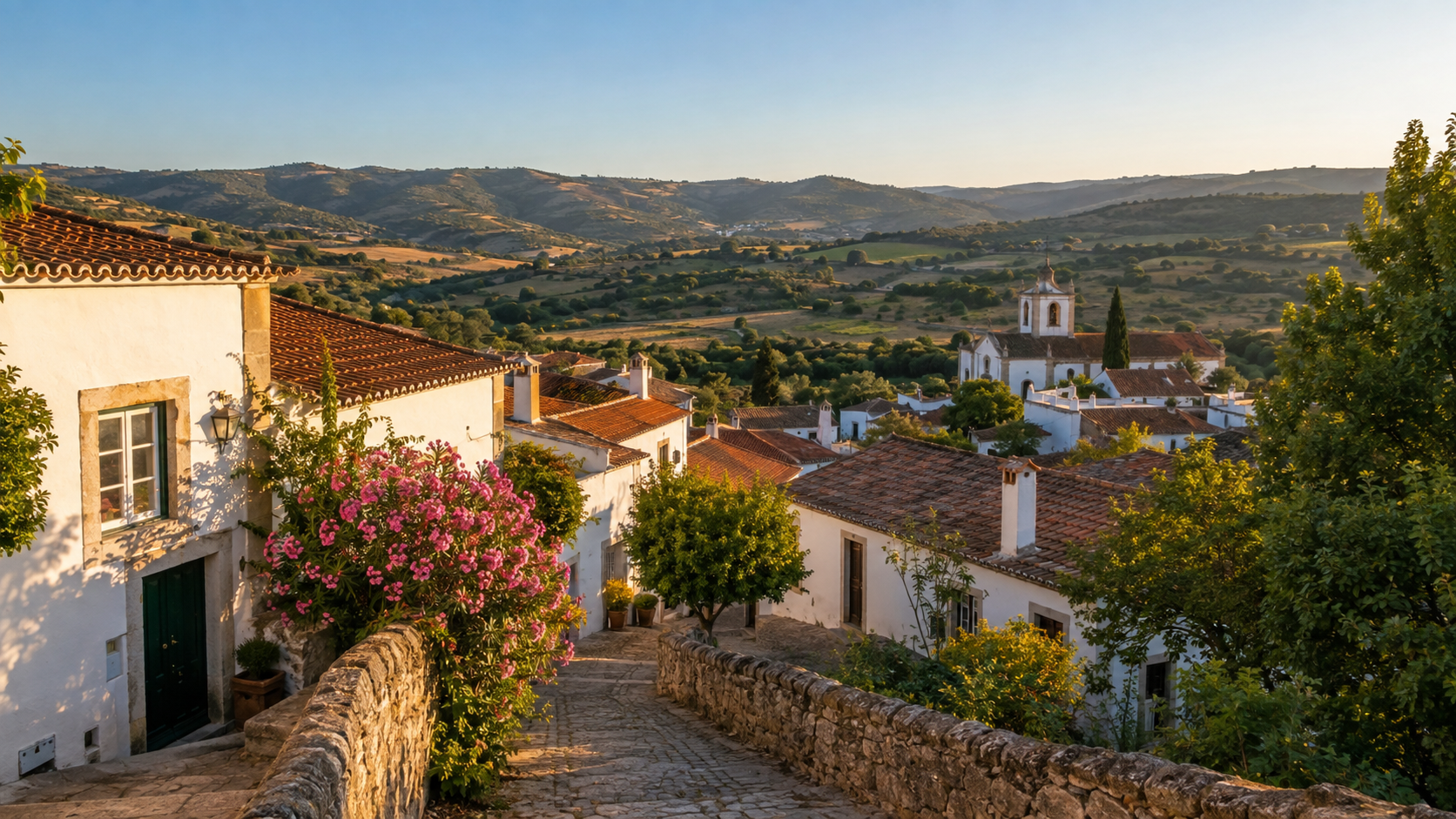
Inland western areas can offer more space for the money, but legal checks become especially important on rural homes. Your lawyer should confirm boundaries, access rights, planning history, water arrangements and any restrictions on future works.
Buying costs, mortgages and currency planning
The price you agree with the seller is not your full buyer budget. You also need to account for taxes, legal work, notary fees, registration, mortgage costs if applicable and currency exchange.
As a working estimate, many overseas buyers should budget around 8–10% on top of the purchase price for buying costs in Portugal. The exact figure depends on the property price, whether it will be your main home or second home, the type of property and the complexity of the purchase.
For a clearer breakdown, read our guide to the costs of buying property in Portugal. As an example, on a €400,000 Algarve purchase, an 8–10% planning range means setting aside roughly €32,000–€40,000 for buying costs before allowing for furniture, improvements or currency movement.
If you need finance, do not assume the bank will lend against the price you offered. Many international buyers borrowing in Portugal should plan around 60–70% of the bank’s valuation, not necessarily the purchase price. A lower valuation can increase the cash you need to complete.
Our guide to getting a mortgage in Portugal as an international buyer explains deposits, documentation, fixed and variable rates, lender checks and valuation risk in more detail.
Currency also needs a plan. If your savings, pension or sale proceeds are in pounds, your final euro cost can change before completion. It’s worth speaking to Smart Currency Exchange early so you can discuss payment timing, forward contracts and how to protect your budget.
Can you rent out property in the Algarve?
Yes, many buyers rent out Algarve homes, but you should not assume every property can be used for short-term lets. Portugal’s Alojamento Local rules have changed in recent years and local councils have more influence over how short-let licensing works in their area.
Before buying, ask your lawyer to check whether the property has an existing local accommodation registration, whether that registration can continue after purchase and whether the local council has restrictions that affect new licences. If the property is in a condominium, you also need to check the building rules.
Rental income should be calculated on a net basis, not just weekly summer rates. Management fees, cleaning, maintenance, insurance, utilities, platform fees, tax, vacancy and currency movement can all reduce returns.
| Rental question | Why it matters |
|---|---|
| Does the property already have an Alojamento Local registration? | Existing use may be helpful, but transfer and local rules need checking |
| Is the municipality restricting new licences? | Local restrictions can change the rental case |
| Does the condominium allow short lets? | Building rules can stop a plan that looks workable online |
| What are realistic annual occupancy levels? | Peak-season income can hide weak shoulder-season demand |
| Who will manage the property? | Remote ownership needs reliable local support |
For more practical ownership planning, read our guide to managing your Portuguese property. If rental income is central to the purchase, treat it as a business decision and ask an accountant to explain the tax position before you commit.
Legal and planning checks before you buy
Portugal has a clear buying process, but overseas buyers still need independent legal support. Your estate agent, seller and developer are not substitutes for your own lawyer.
A good lawyer should check title, registration, debts, planning permission, habitation licence, energy certificate, boundaries, access, condominium minutes and any alterations made to the property. This matters in the Algarve because many attractive homes have been extended, renovated or adapted over time.
Coastal and rural properties need extra attention. If a home is near cliffs, dunes, protected land or agricultural land, ask your lawyer what you can legally repair, extend, rebuild or rent out. If a swimming pool, annex, garage conversion or terrace was added later, make sure the paperwork matches the property you are viewing.
Water is another practical issue. In villa searches, especially where there are pools or larger gardens, ask about irrigation, water-saving systems, maintenance costs and drought resilience. A property can look easy to run during a viewing and feel very different once you own it through a hot summer.
For more detail on choosing legal support, read our guide to hiring a property lawyer in Portugal.
How to buy property in the Algarve step by step
Buying property in the Algarve follows the wider Portuguese purchase process. The exact timing depends on finance, legal checks and the seller’s position, but many straightforward purchases take around two to three months from accepted offer to completion.
- Set your full budget. Include purchase price, buying costs, mortgage deposit if needed, currency movement, furniture, insurance and first-year running costs.
- Choose your search area. Compare central, eastern and western Algarve by how you will use the property, not just by the homes you like online.
- Appoint an independent lawyer. Do this before signing anything or paying a meaningful reservation fee.
- Get your NIF. You will need a Portuguese tax number to buy property. Your lawyer can usually help arrange this.
- Check finance early. If you need a mortgage, get an affordability view before you make an offer.
- Plan a viewing trip. Use the trip to test drive times, parking, noise, winter services and local amenities, not just the property itself.
- Make an offer. Your agent will usually present this to the seller. Make sure any conditions are clear.
- Sign the promissory contract. The Contrato de Promessa de Compra e Venda normally sets the key terms and deposit, often 10–30%.
- Complete final checks. Your lawyer confirms the legal position, funds are prepared and the notary appointment is arranged.
- Sign the deed. The Escritura completes the transfer and the property is registered in your name.
If you are still early in the process, our Portugal Buying Guide is a useful step-by-step companion.
Buyer trade-offs to think through
The Algarve rewards buyers who are clear about priorities. It can be tempting to chase every advantage at once: beach access, airport convenience, outdoor space, rental income, value and low running costs. In practice, most purchases involve a trade-off.
| Trade-off | What to think about |
|---|---|
| Central convenience vs better value | Shorter transfers and established services usually cost more |
| Coastal access vs more space | Moving inland can improve budget, but increases car dependence |
| Rental income vs personal use | Peak rental weeks may be the same weeks your family wants to visit |
| Villa with pool vs lower running costs | Pools, gardens and larger plots increase maintenance and water use |
| Resort property vs independent home | Resorts can be easy to manage, but charges and rules need checking |
| Older character vs lower risk | Older homes may need more legal, structural and planning due diligence |
| Quiet location vs resale depth | A peaceful setting may narrow the future buyer pool |
Many buyers find the best answer by ranking their top three non-negotiables before viewing. For example: “within 45 minutes of Faro Airport, two bedrooms, walkable to restaurants” is easier to act on than “somewhere near the coast with rental potential”.
What should I do next?
If the Algarve is now your main focus, take three practical steps before you book viewings.
First, compare live stock on our Portugal property portal so you can see what your budget buys in different parts of the region. Save examples from central, eastern and western Algarve, then compare them by drive time, outdoor space, condition and likely running costs.
Second, speak to a Portugal property specialist before you commit to an area. A short conversation can help you sense-check whether your budget matches your expectations and whether your preferred towns suit the way you plan to use the home. You can enquire about Portugal property support here.
Third, plan your euro budget. If you will move money from pounds to euros, talk to Smart Currency Exchange before your offer is accepted. That gives you time to understand your options rather than making a large transfer under pressure.
Summary
Buying property in the Algarve in 2026 still makes sense for many overseas buyers, especially those who value airport access, year-round services and a well-established buyer network.
The region is more expensive than many alternatives in Portugal, so treat price, property type and location as linked decisions.
Central Algarve offers convenience and premium stock, eastern Algarve can give better value with good access and western Algarve suits buyers who want Lagos, surf areas or more space inland.
Budget around 8–10% on top of the purchase price for buying costs, then add a currency buffer and any first-year set-up costs.
If you need finance, many non-resident buyers should plan around 60–70% borrowing against the bank valuation.
Rental income can be useful, but short-let licensing, local council rules, condominium restrictions and tax need checking before you buy.
The safest route is to appoint an independent lawyer early, compare areas in person and make sure the property’s paperwork matches your plans.
Frequently asked questions
Yes. Portugal does not generally restrict foreign buyers from purchasing property, including buyers from the UK, USA and other non-EU countries. Buying a property does not automatically give you residency rights, so check your visa position separately if you plan to stay long term.
Prices vary by town, property type, size and condition. As a broad guide, a €250,000 (£214,000) budget is likely to be apartment-led with compromises, €400,000 (£343,000) can open up stronger apartment and townhouse options, and €650,000 (£557,000) gives a better villa search. Prime resort and coastal homes can sit well above €1m (£857,000).
Many international buyers should plan for a 30–40% deposit, plus buying costs. Portuguese lenders often base lending on the lower of the purchase price and bank valuation, so a valuation gap can increase the cash you need to complete.
Sources
- Turismo de Portugal – Overview 2025
- Banco de Portugal – macroprudential measures
- Portal das Finanças – Portuguese tax authority
- IRN – Instituto dos Registos e do Notariado
- ePortugal – register local accommodation
- Your Overseas Home – Algarve vs Silver Coast Portugal in 2026
- Your Overseas Home – Portugal mortgage guide
- Your Overseas Home – Portugal buying costs guide