



If you’ve come across headlines about Portugal paying people to relocate, it’s worth knowing exactly how it works, so you can see straight away whether it applies to you.
Portugal runs a genuine government grant for people who move to work in its rural interior – a beautiful, less-visited part of the country with its own appeal. It’s a smart route for remote workers and professionals in particular. For retirees and coastal buyers, the story is different. Find out more about the scheme – and who qualifies – below.
In short: Emprego Interior MAIS pays up to around €5,300 (£4,500) to workers, including US and UK nationals with Portuguese residency, who relocate to one of 165 designated interior municipalities. It’s best suited to remote workers and professionals rather than retirees or coastal buyers, and payment is staggered over 12 months.
Contents
What the grant actually pays
The scheme, run by Portugal’s employment institute IEFP under the “Trabalhar no Interior” programme, offers a genuinely useful package:
- €3,759.91 for a permanent job, self-employment or new business
- €2,685.65 for a fixed-term contract of 12 months or more
- A 20% uplift for each family member who relocates with you
- Up to €805.70 towards moving costs
For a couple relocating on a permanent contract, that typically totals around €5,300. It’s paid in two instalments: 60% shortly after approval and the remaining 40% after 12 months, once you’ve settled into the new job and home.
Who this works best for
UK and US nationals can claim this grant, and many already have. The route that works well is holding a Portuguese residence visa, most often the D8 digital nomad visa or a D2 work/business visa, then taking up a qualifying job, self-employment activity or remote-work arrangement based in an eligible interior area.
One practical point worth knowing: you don’t need residency sorted months in advance. The rules allow the move itself to happen within 180 days either side of your contract or business start date, so the visa process and the physical relocation can run close together rather than one waiting on the other.
It’s a particularly good fit if you’re already planning a remote-work move to Portugal. Pairing the visa process with this grant can make an interior relocation more affordable from day one.
For retirees on the D7 passive-income visa, this specific scheme isn’t the right fit, since it’s built around professional activity rather than pension income.
Where you have to live
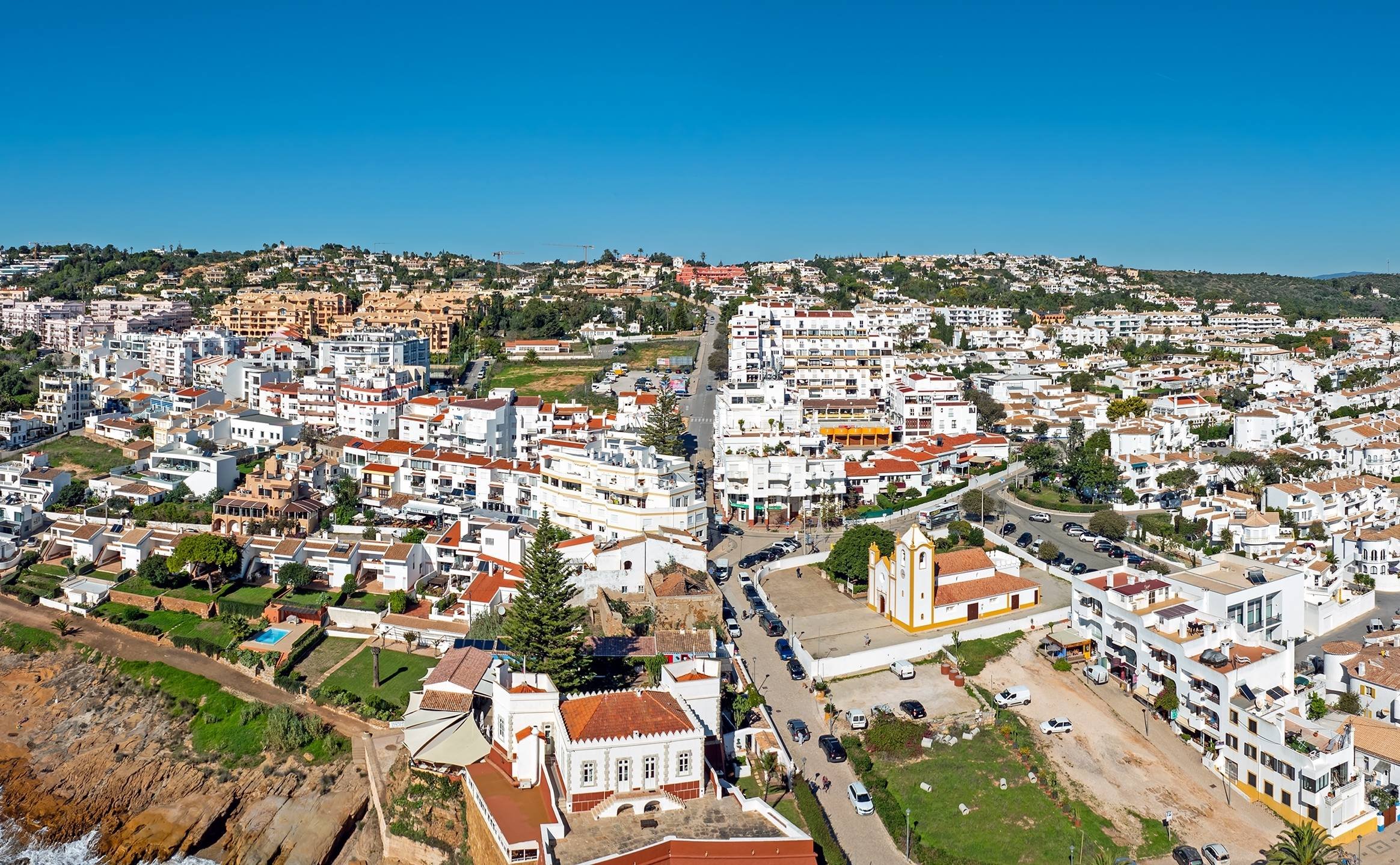
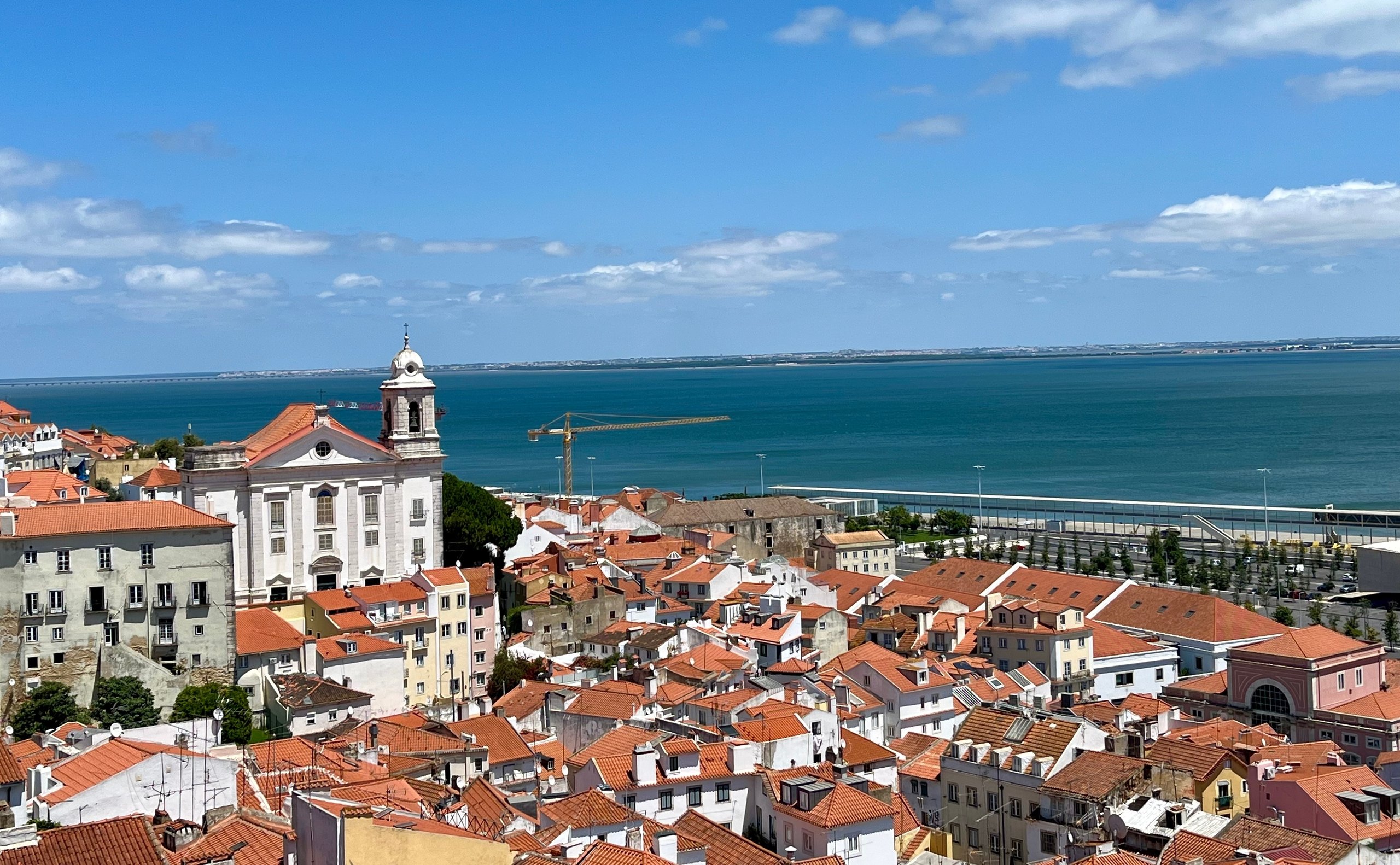
Eligible areas cover 165 municipalities and 73 parishes across regions including the Alentejo, Beira interior, Trás-os-Montes and Portugal’s border areas – many of them offering excellent value, space and a traditional slice of Portuguese life. Lisbon, Porto, most of the Algarve and the main coastal strip sit outside the scheme, so if you’re set on one of those areas, this particular grant won’t apply.
IEFP publishes the current list of eligible municipalities, well worth checking against your target town before signing a lease or contract.
Other schemes worth knowing about
A few other Portugal relocation stories get bundled in with this one, so it’s worth being clear on what each actually offers:
- Madeira’s Digital Nomad Village in Ponta do Sol is a genuinely great resource: free co-working space and a built-in community for remote workers, rather than a cash grant.
- Programa Regressar is a warm welcome-home scheme for Portuguese emigrants and their families, rather than new arrivals from the US or UK.
- The old NHR tax regime has been replaced by a newer, more targeted scheme aimed at scientific and tech roles, so it’s worth checking current eligibility with a tax adviser.
Summary
Portugal’s relocation grant, Emprego Interior MAIS, pays working-age expats up to around €5,300 to settle in the rural interior, a genuinely useful boost for remote workers and professionals with Portuguese residency. It works best alongside the D8 or D2 visa route and requires a move to one of 165 designated municipalities.
FAQs
This particular grant is built around professional activity, so it suits remote workers and professionals best rather than retirees.
Yes, once they hold a Portuguese residence visa or permit, most often the D8 digital nomad visa, and take up qualifying work in an eligible interior municipality.
Typically around €3,760 to €5,300, depending on family size and moving costs, paid in two instalments over 12 months.
This specific grant covers designated interior municipalities. Portugal’s coastal and city areas offer plenty of other advantages for buyers, just not this particular payment.