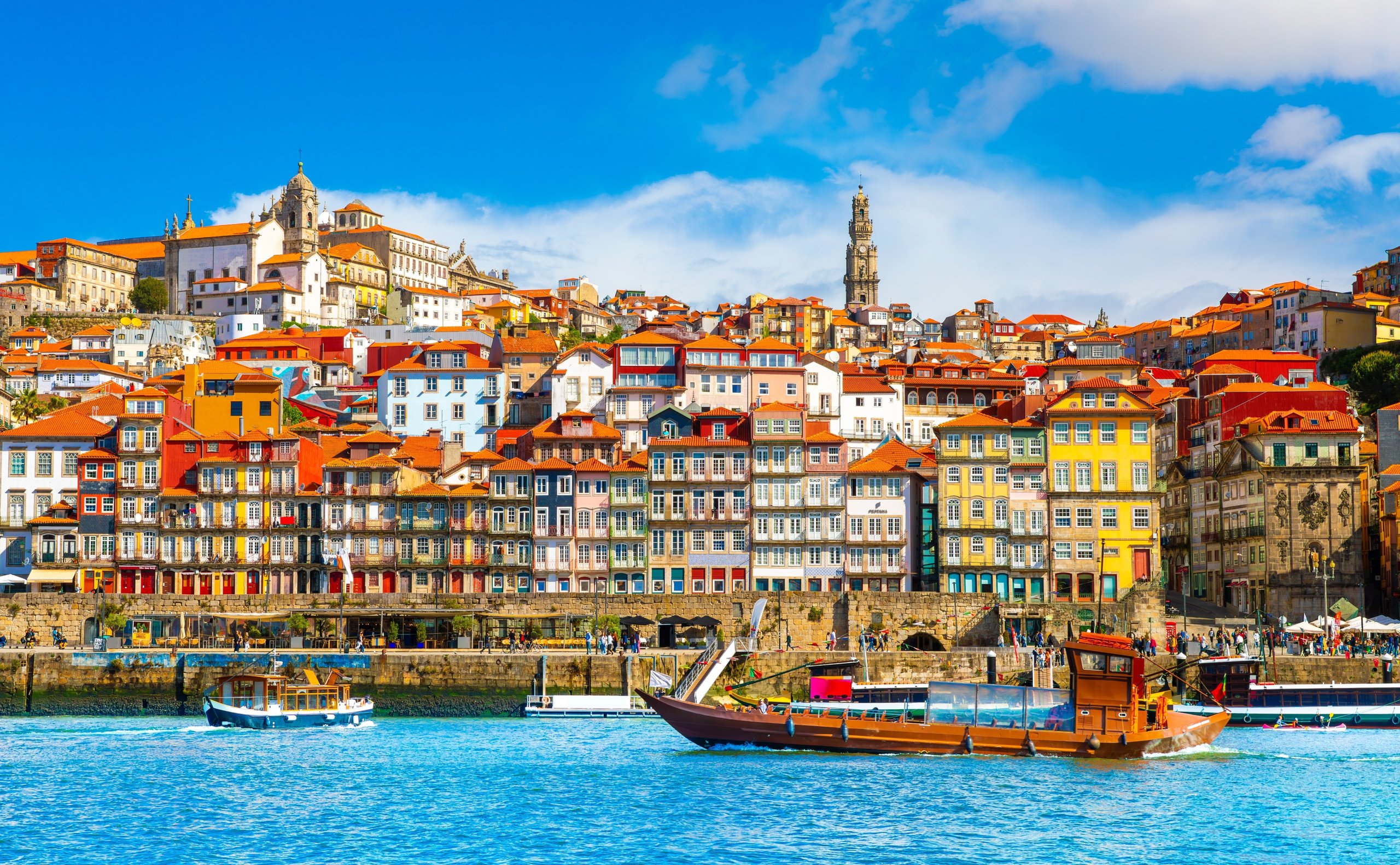
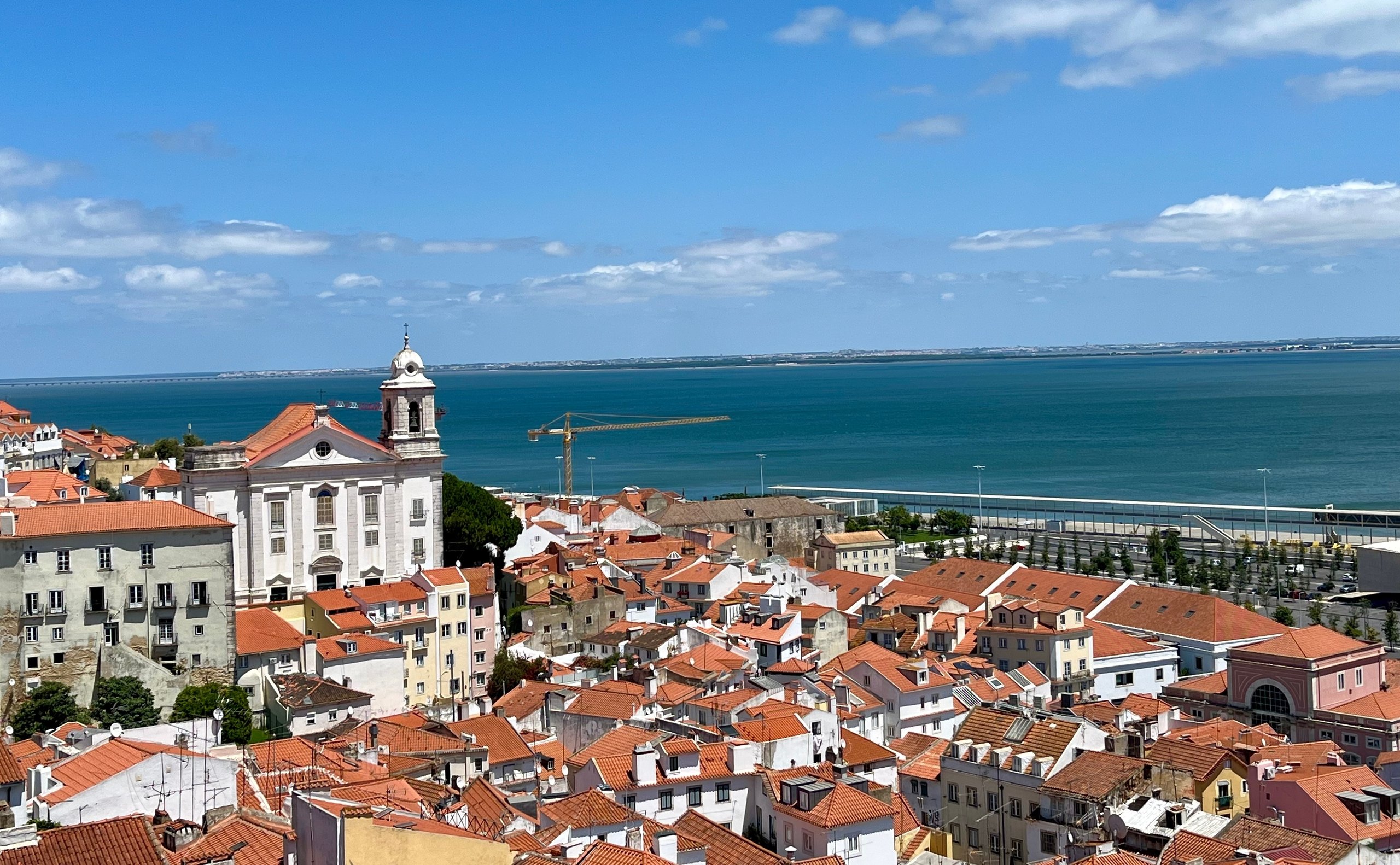
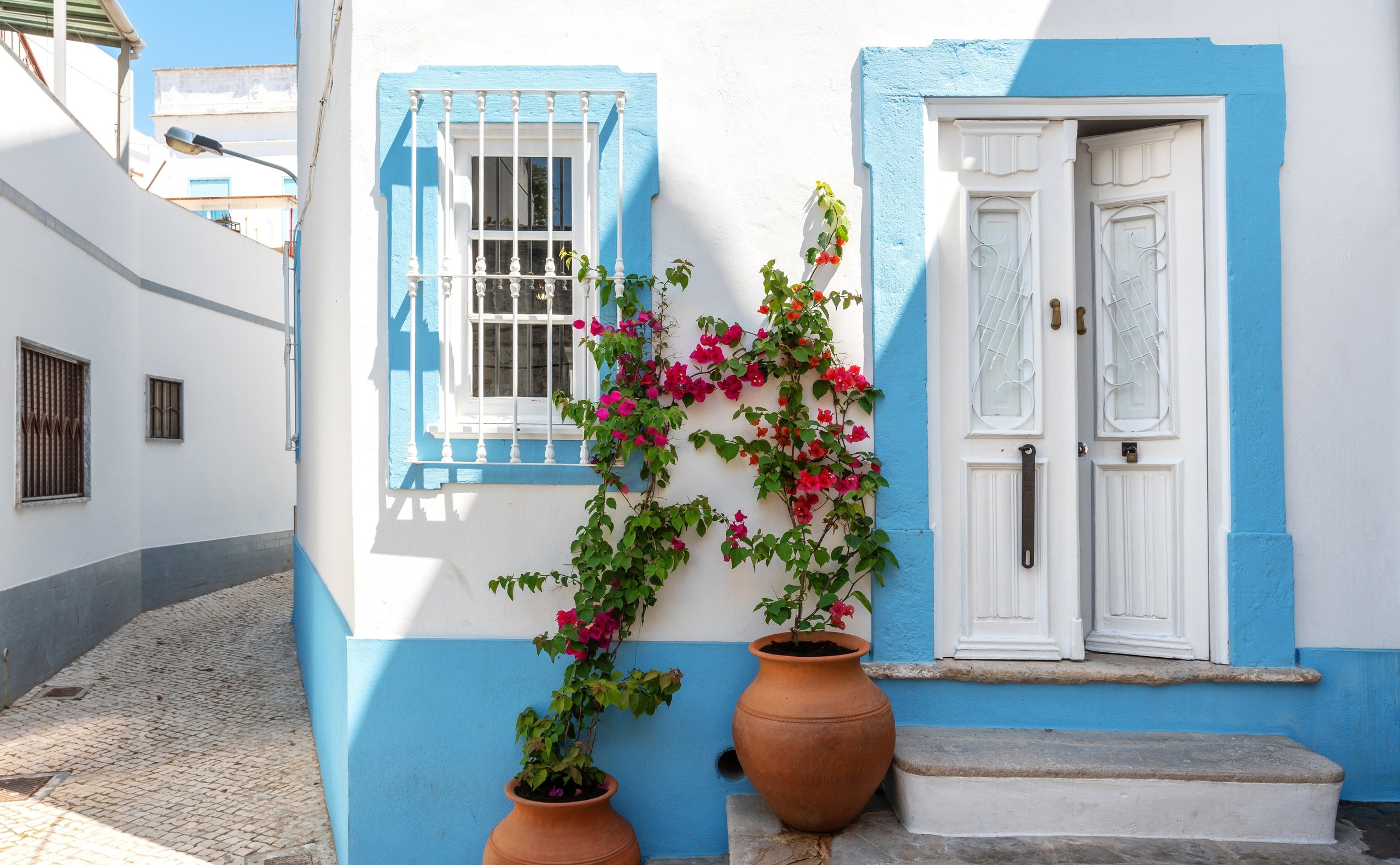

A good-looking home in Portugal for less money is still within reach, but the map has changed. The places that pair looks with low prices have moved off the coast.
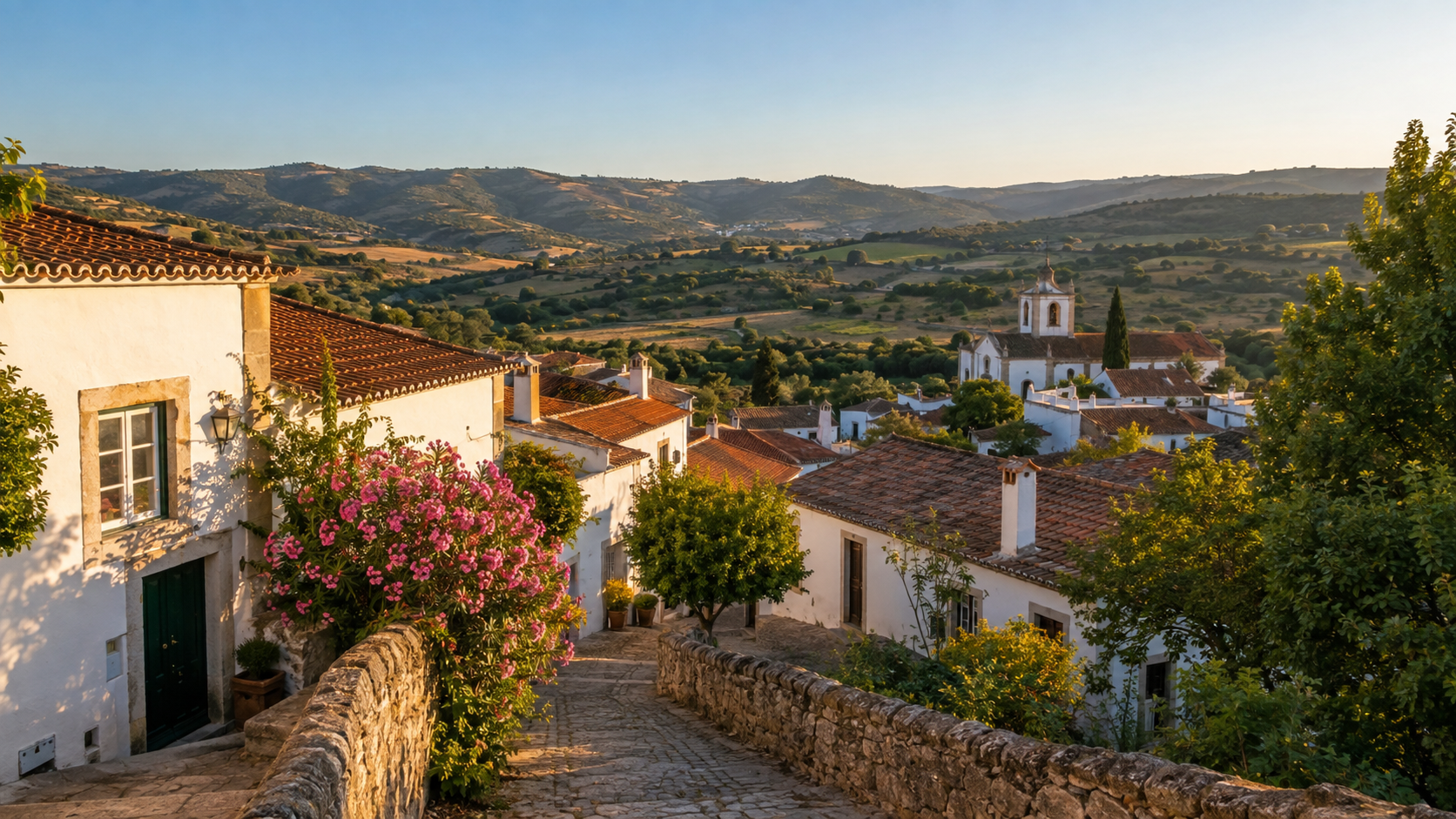
Lisbon, Porto and most of the Algarve have priced out the bargain hunters. The homes that still look good and cost less are mostly inland, in schist and granite villages, river valleys and wine country that many buyers drive straight past on the way to the sea.
Answer first: The best-looking affordable homes in Portugal in 2026 are mostly inland, across Centro and parts of the Alentejo. Schist villages around Góis and Arganil, granite country near Sabugal and Dão wine towns such as Nelas combine character with lower prices. The catch is that low prices often mean older homes, thin rental markets and more due diligence.
If you’re early in your search, start with our guide to how to buy property in Portugal, then use this shortlist to match good looks to the way you actually plan to use the home.
The legal details Portugal buyers often think about too late
Learn how ownership structure, inheritance rules, wills and tax planning can affect your Portugal purchase.
Contents
- How we chose these affordable places in Portugal
- Where the best-looking affordable homes are in 2026
- Góis – one of the clearest low-cost scenic options
- Sabugal – low prices, history and space near the Spanish border
- Arganil – mountain-edge living with better day-to-day practicality
- Oliveira do Hospital – a strong all-round Central Portugal alternative
- Nelas – Dão wine country with stronger transport logic
- Sever do Vouga – connected value between Aveiro, Porto and the countryside
- Tondela – services-led value near Viseu
- Vidigueira – an Alentejo wild card, not the cheapest choice
- What should you check before buying affordable property in Portugal?
- What should I do next?
- Summary
- Frequently asked questions
- Sources
How we chose these affordable places in Portugal
For this update, we’ve treated “affordable” as more than a low price per square metre. A very cheap house is not always good value if it needs major work, has unclear paperwork or leaves you too far from the services you’ll need day to day. And a low price is little comfort if you don’t actually like the look of the place.
So we looked for towns that score on both counts – looks and practicality – with a balance of:
- lower asking prices than Portugal’s main hotspots
- surroundings worth looking at every day: stone villages, river valleys, vineyards, mountains
- access to a larger town or city for healthcare, shopping and services
- a reasonable supply of homes, not just one or two renovation projects
- suitability for international buyers, retirees, remote workers or long-stay owners
- enough local life to make year-round ownership workable
The bands below are indicative ranges based on current online asking prices in each municipality, gathered in June 2026. They are a guide, not formal valuations or sold prices. In smaller inland markets a handful of larger or renovation properties can shift the picture quickly, which is one reason we show ranges rather than single figures.
For buying costs, legal checks and purchase-stage budgeting, it’s worth reading our guides to Portugal property buying costs, IMT tax in Portugal and the legal requirements of buying property in Portugal before making an offer.
Where the best-looking affordable homes are in 2026
The best-value good-looking homes in Portugal are mostly away from the coast. Góis and Sabugal are the strongest low-price picks, built around dark schist and grey granite. Arganil and Oliveira do Hospital sit below real mountains while keeping services within reach. Nelas, Sever do Vouga and Tondela cost a little more, but reward you with vineyards, rivers and easier daily living.
Using a working exchange rate of €1 = £0.85, several inland municipalities still sit below €1,000 (£850) per square metre on current asking prices. That is well below what buyers often see in Lisbon, Porto, coastal Algarve and the most in-demand Silver Coast towns.
| Location | Typical asking price (per m²) | Best for | Main trade-off |
|---|---|---|---|
| Sabugal | Under €600/m² (under £510/m²) | Granite country, history, space | Thinner market, longer airport access |
| Góis | Under €600/m² (under £510/m²) | Schist villages, river beaches | Limited rental depth |
| Nelas | €900–1,000/m² (£765–850/m²) | Dão wine country, services | Less dramatic scenery than the mountain towns |
| Arganil | €900–1,000/m² (£765–850/m²) | Serra do Açor, Coimbra access | Cheapest homes may need work |
| Oliveira do Hospital | €900–1,000/m² (£765–850/m²) | All-round Central Portugal value | Inland, so not a beach-base purchase |
| Sever do Vouga | €1,000–1,100/m² (£850–935/m²) | Rivers plus Aveiro and Porto | Not a rock-bottom bargain |
| Vidigueira | €1,300–1,400/m² (£1,105–1,190/m²) | Whitewashed Alentejo, wine | No longer a pure affordability leader |
| Tondela | €1,300–1,400/m² (£1,105–1,190/m²) | Caramulo mountains, Viseu access | Higher prices than the cheapest inland towns |
<!– PULL QUOTE Block type: Gutenberg Quote block Text: “The homes that still look good and cost less are mostly inland – in schist and granite villages most buyers drive straight past.” Style: left border YOH orange (#fc7030), italic, no attribution Placement: after the prices-at-a-glance table, before the Góis section –>
Góis – one of the clearest low-cost scenic options
Góis is one of the best-looking low-cost options in Central Portugal. The municipality is built around dark schist houses, with river beaches, forested hills and the kind of stone villages that draw photographers up from Coimbra at weekends. The city itself is close enough for hospitals, shopping and larger services.
Asking prices here typically fall under €600/m² (around £510/m²), putting it among the lowest-price options in this shortlist. For buyers who want outdoor space, an old stone house or a modest renovation project, Góis is still one of the more convincing answers to “where can I buy affordably in Portugal?”
The catch is market depth. Smaller inland towns do not always have a wide choice of move-in-ready homes, and the rental market can be thin. If you’re buying with rental income in mind, read our guide to short-term rental rules in Portugal before assuming a holiday-let licence will be simple.
Góis suits buyers who want a main or part-time home surrounded by nature, not investors chasing city-style rental demand. If you plan to work remotely, check broadband street by street rather than relying on municipal-level assumptions.
Sabugal – low prices, history and space near the Spanish border
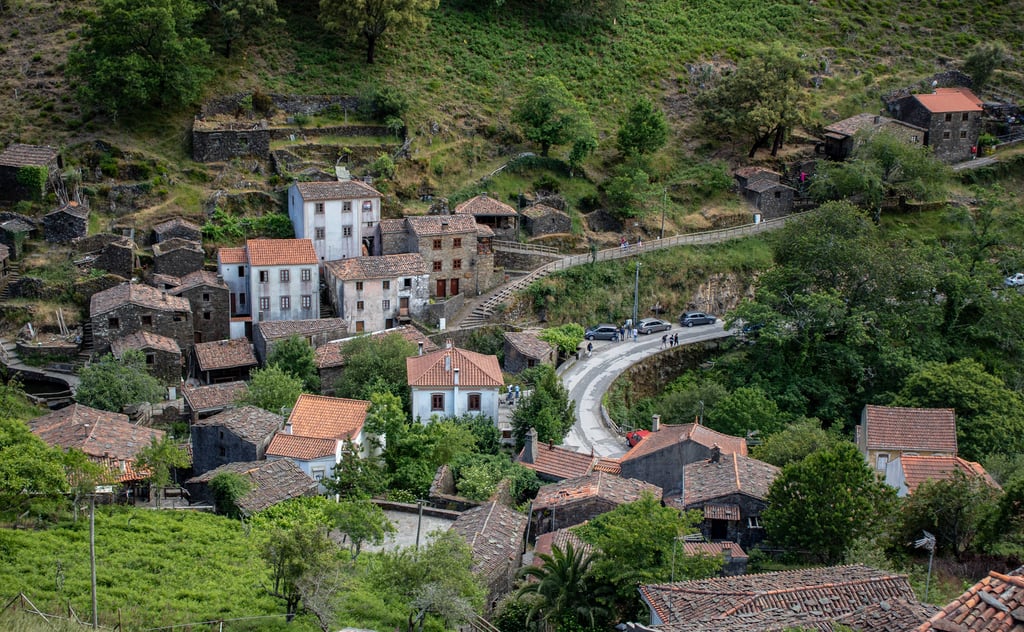
Sabugal trades on granite. The town has a medieval castle, grey-stone villages and wide open country close to the Spanish border, and it is one of the cheapest markets in this guide. If your taste runs to solid stone houses and big skies rather than coastal render, it looks the part.
Asking prices typically fall under €600/m² (around £510/m²). This is a strong fit for buyers who want space, land or a lower-cost home with character, and who are comfortable with a more rural buying process where paperwork, access rights, utilities and renovation condition all need careful checking.
The affordability comes with practical compromises. Porto Airport is a longer drive than it is from much of coastal or central Portugal, and everyday services are more limited than in larger towns. Many buyers will use Guarda for bigger shopping, healthcare and rail connections.
The biggest risk here is not the town itself but the property condition. In low-cost inland areas, older homes may have unregistered extensions, unclear boundaries, shared access tracks or work carried out without the right approvals. Our guide to finding a property lawyer in Portugal explains why legal due diligence matters before you sign.
Arganil – mountain-edge living with better day-to-day practicality
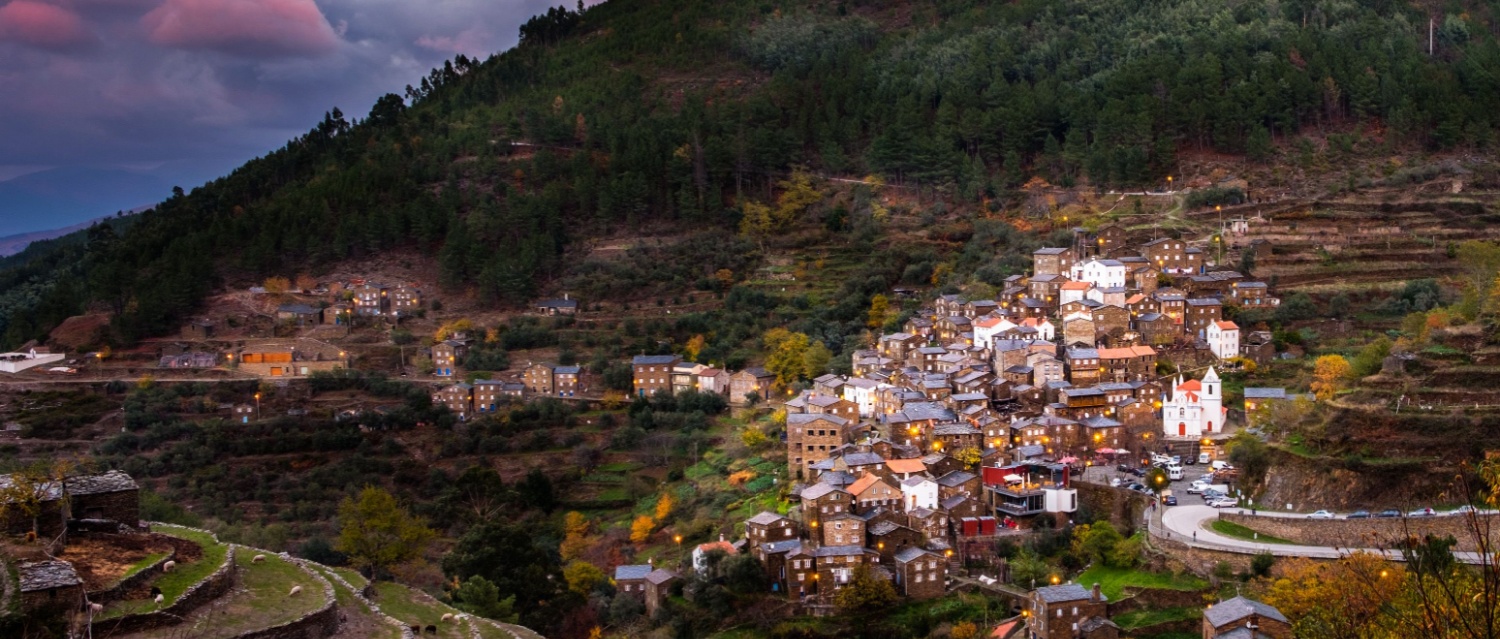
Arganil’s appeal is its backdrop. It sits below the Serra do Açor, within reach of river beaches and the schist village of Piódão, one of the most photographed in the country, while keeping Coimbra accessible for larger services. It is no longer ultra-cheap, but it remains good value for what you can see from the door.
Asking prices typically sit in the €900 to €1,000/m² band (around £765 to £850/m²), which makes it more expensive than Góis or Sabugal but still good value compared with Portugal’s better-known coastal markets. That matters if you plan to spend long periods in Portugal rather than use the home only for occasional holidays.
The area works well for buyers who want a house with outdoor space, views or a village setting. It’s also worth considering if your search includes renovation homes, though you should separate cosmetic updates from structural work, roof repairs, water systems and planning questions.
If renovation is part of your plan, read our guide to renovating your home in Portugal before building your budget. A low purchase price can be quickly offset by contractor availability, materials, surveys and project management costs.
Oliveira do Hospital – a strong all-round Central Portugal alternative
Looking at a move to Portugal?
Browse property listings on our portal or speak to an expert who knows the country.
Oliveira do Hospital pairs good looks with practicality. You get the Alva valley and the foothills of the Serra da Estrela, plus a wider range of day-to-day services than most small municipalities can offer. For many buyers that makes it a useful middle ground: better looking than a plain market town, less isolated than the cheapest rural villages.
Asking prices typically sit in the €900 to €1,000/m² band (around £765 to £850/m²). It is especially worth considering if you like the idea of Arganil but want a larger town environment. You may find a mix of apartments, townhouses, village homes and detached properties with land, depending on how far you are willing to move from the centre.
As with Arganil, the best-value homes may need work. Before viewing, ask the agent what documents are already available, including the land registry details, caderneta predial, energy certificate and any licensing information. Our article on how to find an estate agent in Portugal explains what to expect from a good agent during that stage.
Nelas – Dão wine country with stronger transport logic
Nelas sits in the heart of Dão wine country, with vineyard slopes around it and a tidy, walkable centre. It is the kind of place that looks better the longer you stay, and it gives up less in daily practicality than most deep-rural alternatives.
Asking prices typically fall in the €900 to €1,000/m² band (around £765 to £850/m²), which keeps it at the lower end of the mid-priced towns here, below Sever do Vouga, Vidigueira and Tondela. The appeal is not just price: shops, health services, rail access and a structured local centre can matter more than the lowest possible figure per square metre.
Nelas may suit retirees, long-stay owners and remote workers who want an inland base with stronger everyday infrastructure. It may also appeal if you are comparing Central Portugal with the Silver Coast property market but would rather prioritise space and budget over beach access.
This is not the area to choose if your main goal is short-term tourist footfall. It is better for buyers who want a good-looking, practical home, local services and access to the wider Viseu district.
Sever do Vouga – connected value between Aveiro, Porto and the countryside
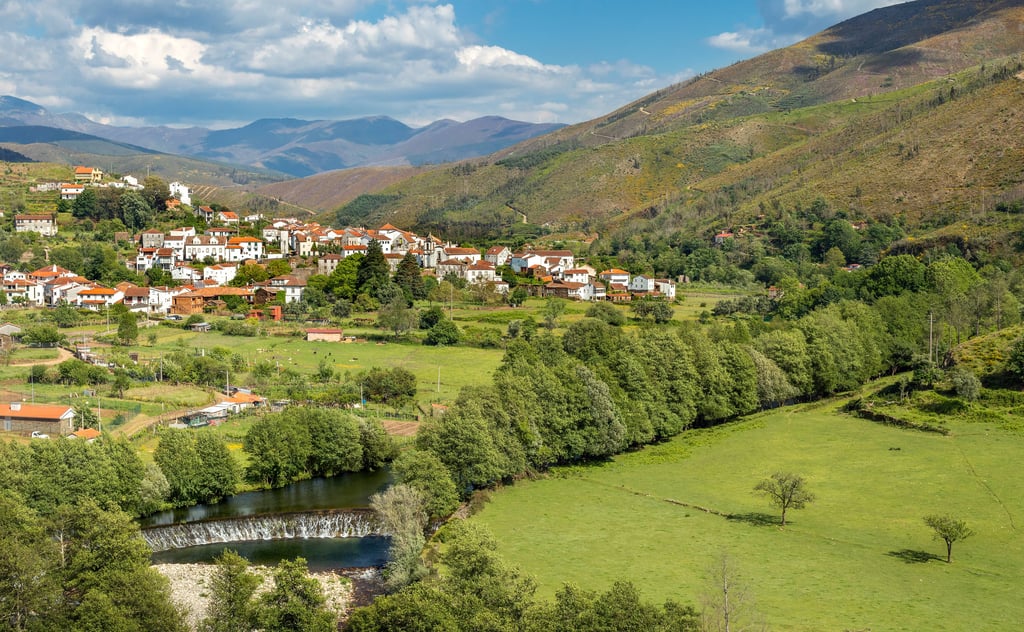
White-walled houses sit above a river weir in a green Central Portugal valley, with mountains behind.Sever do Vouga is green and well connected. Rivers, woodland and the Cabreia waterfall sit on its doorstep, while Aveiro and the wider Porto corridor are within reach. It is no longer one of Portugal’s lowest-price choices, but it remains a strong value option because of its setting and services.
Asking prices typically sit in the €1,000 to €1,100/m² band (around £850 to £935/m²). The town sits in Aveiro district, which gives it better practical appeal than many remote inland municipalities, with schools, transport, tradespeople and healthcare access all part of the picture.
This can be a good choice if you want countryside access without feeling too far from city services. It may suit hybrid workers, families and long-stay buyers who need daily logistics to be straightforward.
For buyers weighing this against more coastal options, Sever do Vouga is about compromise. You give up immediate beach access, but you may gain more space and a lower price point than in the most popular parts of the coast. Our comparison of the Algarve and Silver Coast is a useful next read if you’re still deciding between inland value and coastal access.
Tondela – services-led value near Viseu
Tondela earns its place on looks and logistics. The Caramulo mountains give it a strong outdoor setting, and Viseu is close enough for bigger services. It is the most expensive town in this shortlist, so it belongs here for value rather than rock-bottom price.
Asking prices typically sit in the €1,300 to €1,400/m² band (around £1,105 to £1,190/m²). For buyers who need year-round practicality, the mix of mountain scenery, healthcare access, shopping and road connections can be more useful than the lowest price per square metre.
Tondela may suit buyers who want a smaller-town base but still care about a broader local economy, and who don’t want to feel dependent on a car for every service.
The trade-off is clear. If your priority is the cheapest possible property, Góis or Sabugal will be more relevant. If your priority is a good-looking, workable long-stay base with better services, Tondela deserves a closer look.
Vidigueira – an Alentejo wild card, not the cheapest choice
Vidigueira is the most distinctive-looking place in this guide. This is classic Alentejo: whitewashed streets, vineyards and big open skies, with Beja within reach. It appeared in the previous version of this article as a straightforward affordability pick, but the new research changes that.
Asking prices are now typically in the €1,300 to €1,400/m² band (around £1,105 to £1,190/m²), which makes it more expensive than several Central Portugal options. It is now a lifestyle and heritage choice rather than the clearest bargain.
That doesn’t mean it should disappear. Vidigueira still rewards buyers drawn to Alentejo’s open spaces, wine heritage and warmer, drier climate. If your main brief is the cheapest affordable property in Portugal, start with Góis, Sabugal, Nelas, Arganil and Oliveira do Hospital before treating Vidigueira as a comparison point.
This is also a place where summer heat, car dependence and access to larger services should be part of the viewing-trip conversation. If you’re thinking seriously about Alentejo, spend more than a weekend there before deciding.
What should you check before buying affordable property in Portugal?
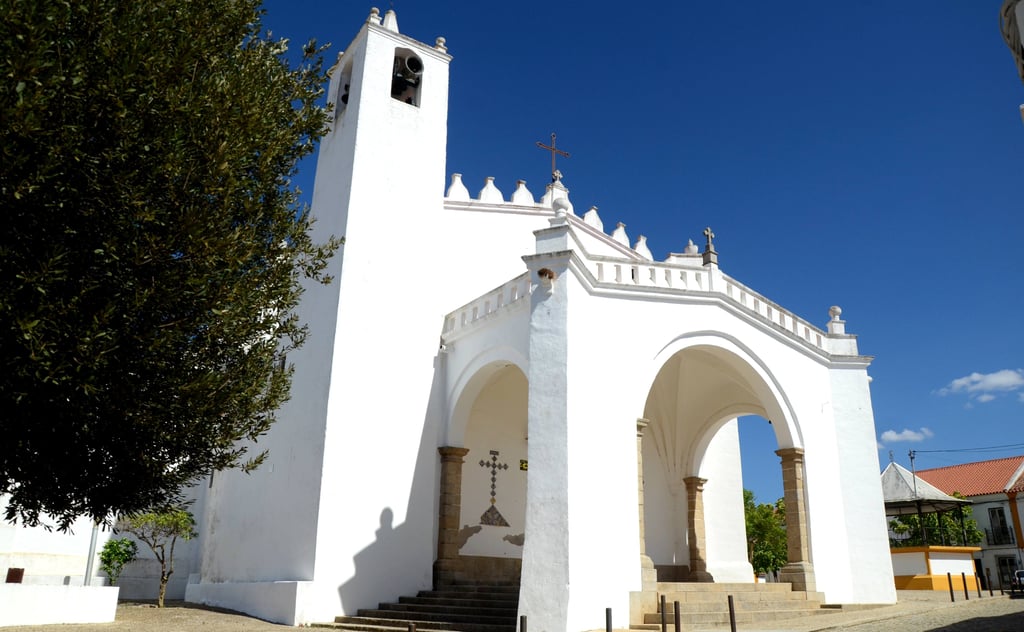
A good-looking home at a low price still needs the same care as a more expensive one. In rural Portugal, the legal and practical checks often matter more than the headline price.
| Check | Why it matters |
|---|---|
| Legal title | Confirms who owns the property and whether the details match the sale |
| Land boundaries | Rural plots can have unclear edges, shared tracks or old informal arrangements |
| Habitation licence or exemption | Helps confirm the property can legally be used as a dwelling |
| Planning history | Important if extensions, outbuildings or conversions have been added |
| Water, drainage and electricity | Some rural homes rely on wells, septic tanks or older systems |
| Internet access | Essential for remote workers and long-stay buyers |
| Renovation budget | Cheap homes can need roofs, insulation, electrics, plumbing or structural work |
| Local resale demand | A low entry price is less helpful if resale will be slow |
You should also separate the property purchase from residency planning. Buying a home in Portugal does not automatically give you the right to live there full time. If residency is part of your plan, read our guide to Portugal visa and residency options for non-residents and check the latest rules with Portugal’s immigration agency, AIMA or a qualified adviser.
A mortgage can also change what “affordable” means. Some international buyers are asked for larger deposits, and lenders may be more cautious about rural homes, renovation projects or unusual property types. Our updated guide to getting a mortgage in Portugal as an international buyer explains the main documents and lender expectations.
Finally, allow for running costs. Even if the purchase price looks manageable, you’ll still need to budget for IMI property tax, insurance, maintenance, utilities, community fees where relevant and currency movement if your income or savings are in pounds or dollars. For everyday spending, our guide to the cost of living in Portugal versus the UK gives a broader budget view.
What should I do next?
If one of these areas appeals, narrow your search before you start viewing. Choose two or three towns, then compare real homes rather than average prices alone.
A sensible next step is to:
- Set a full purchase budget, including taxes, legal fees, survey costs and currency planning.
- Read the Portugal property buying process so you know what happens after an offer is accepted.
- Check whether your chosen area suits your practical needs in winter as well as summer.
- Speak to an independent lawyer before signing or transferring deposit money.
- Plan a targeted trip using our guide to viewing property in Portugal.
In our experience, buyers who do best in inland Portugal are clear about their non-negotiables. Looks matter, but so do access, paperwork, health services, internet, tradespeople and how the property will be used through the year.
Summary
Portugal’s best-looking affordable homes are now mostly inland. Góis and Sabugal offer the lowest prices, in schist and granite country. Arganil and Oliveira do Hospital sit below real mountains while keeping services close. Nelas is a practical Dão wine-country option with better transport logic than many rural areas. Sever do Vouga and Tondela cost a little more, but offer rivers, mountains and stronger regional services. Vidigueira still rewards Alentejo lovers, but it should be treated as a lifestyle choice rather than a pure bargain. Before buying, check the paperwork, running costs, renovation condition and residency route separately.
Frequently asked questions
Based on current asking-price research for this article, Sabugal and Góis are among the cheapest of the selected areas, with asking prices that typically fall under €600/m² (around £510/m²). Prices vary by property condition, village, land size and whether the home is ready to live in.
Inland Centro is the strongest bet. Schist villages around Góis and Arganil, granite country near Sabugal and Dão wine towns such as Nelas combine character and scenery with prices well below the coast. The trade-off is older homes, thinner rental markets and more due diligence.
Inland Portugal can be a good place to buy if you want more space, lower prices and a quieter setting than the major coastal markets. It’s less suitable if you need a deep rental market, fast airport access or a wide choice of new-build homes.
Buying property in Portugal does not automatically give you residency. The real-estate route is no longer the straightforward golden visa route many buyers remember. You’ll need to look separately at visa or residence options, such as work, remote work, retirement income, family or investment routes, depending on your circumstances.
Sources
- AIMA – Living in Portugal, working in Portugal and investing or entrepreneurship routes.
- AIMA – Decreto Regulamentar da Lei de Estrangeiros: alterações.
- Portal das Finanças – Código do IMT, Código do Imposto do Selo and Código do IMI.
- gov.pt – official guidance on paying IMI (Imposto Municipal sobre Imóveis).
- ePortugal – IMT and stamp duty exemption information for eligible younger buyers.
- Municipal sources reviewed for Arganil, Góis, Sabugal and Sever do Vouga.
- Price bands are indicative ranges based on current online asking prices in each municipality as at June 2026. They are guide ranges, not formal valuations or sold prices. Individual portals are not linked because Your Overseas Home does not link to direct property-portal competitors.