

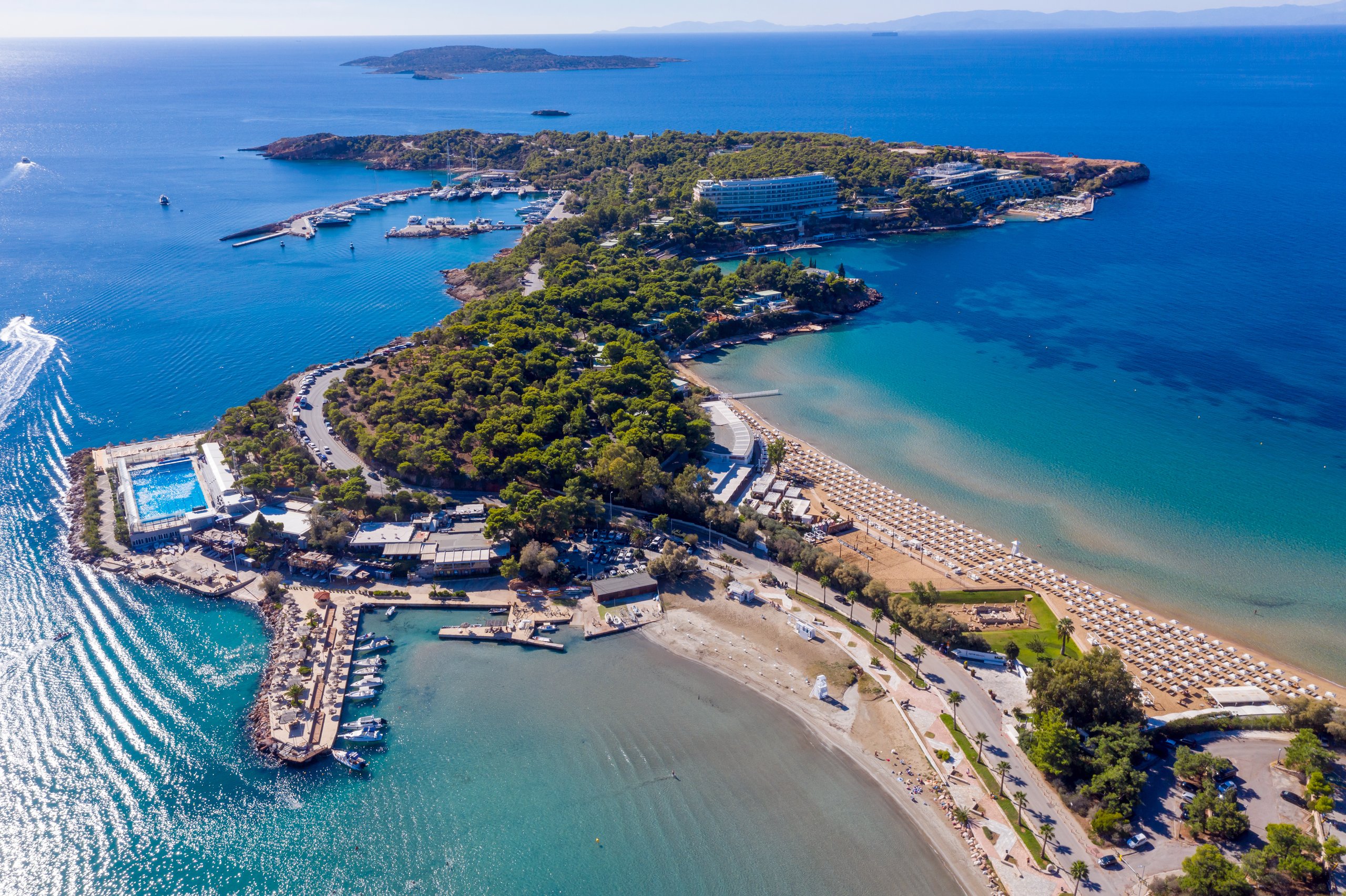
Thinking about buying on the Athens Riviera? This stretch of coastline offers sea views, modern homes and easy access to central Athens – making it one of Greece’s most practical and appealing locations for a second home or permanent move. Here’s what you need to know before you buy.
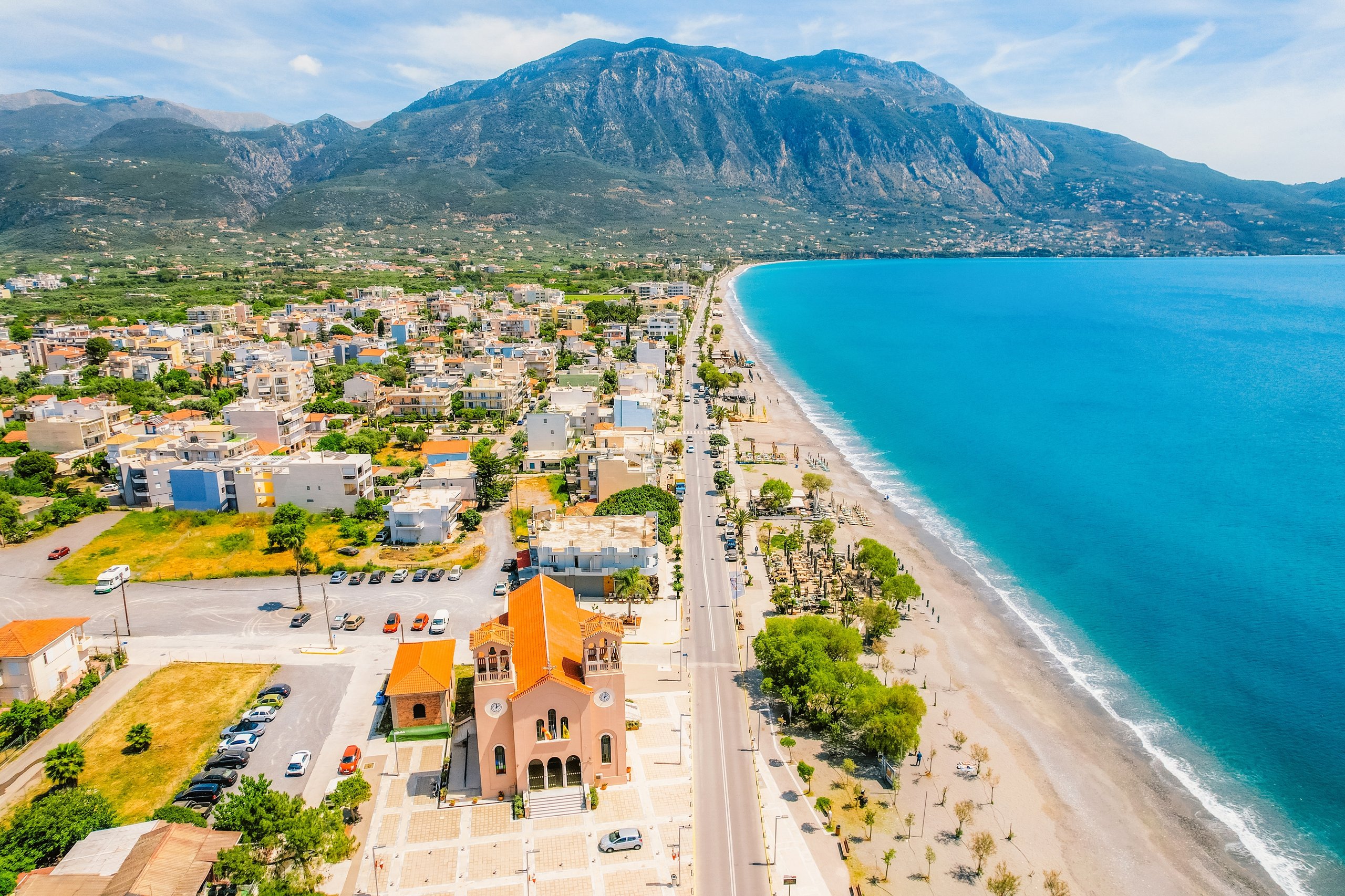
The Athens Riviera runs along the southern coast of Athens, offering a lifestyle that blends city convenience with coastal living. You’re never far from the capital’s history, restaurants and international airport, yet daily life revolves around the sea, outdoor dining and a more relaxed pace.
Download the Greece Buying Guide
Contents
Why buy on the Athens Riviera?
If you’ve spent time in Athens before, you’ll already know how intense the city centre can feel in summer. The Riviera gives you breathing space. You get cooler sea air, cleaner surroundings and a more residential feel, without losing access to everything Athens offers.
Unlike many coastal destinations in Greece that shut down in winter, this is a year-round location. That’s one of its biggest advantages if you’re planning more than just a holiday home.
Different areas along the Athens Riviera
The Riviera stretches from Palaio Faliro, just outside central Athens, down to Cape Sounion. Each area has its own feel, and where you choose will depend on how you plan to use your property.
Palaio Faliro is the closest to the city and feels more urban. It’s popular if you want quick access to central Athens and public transport. You’ll find apartments rather than villas here, and prices reflect the convenience.
Glyfada is often seen as the heart of the Riviera. It has a busy high street, international restaurants and a strong expat presence. If you want somewhere lively with everything on your doorstep, this is a solid choice.
Voula sits just next door but feels quieter and more residential. It’s popular with families and buyers looking for a balance between convenience and calm surroundings.
Vouliagmeni is one of the most sought-after areas. It’s known for its beaches, marina and lake, and property here tends to be at the higher end of the market. You’re paying for exclusivity and location.
Further down, Varkiza and Saronida offer more space and better value. These areas feel less polished but are growing in popularity, especially with buyers looking for larger homes or a quieter lifestyle.
Finally, Cape Sounion is more remote and suited to those who want privacy and dramatic coastal views. It’s less practical for full-time living but appealing for a second home.
What life is like on the Athens Riviera
Living on the Athens Riviera is about small, everyday routines rather than big lifestyle changes. Morning swims, evening walks along the promenade and outdoor dining become part of your daily life.
You’ll find that many areas remain active throughout the year. Cafés, supermarkets and services don’t disappear in winter, which makes a big difference if you’re planning to stay long term.
Transport is straightforward. The tram connects parts of the Riviera to central Athens, and taxis are widely available. If you’re further down the coast, you’ll probably rely on a car.
Healthcare is another advantage. Athens has some of the best private hospitals in Greece, and you’re never far from them when living along the Riviera.
One thing to keep in mind is the pace of bureaucracy. Like elsewhere in Greece, processes can take time, so patience is part of the experience.
What’s on your doorstep
Athens
Living on the Riviera means the capital is always within easy reach. Beyond the well-known landmarks (the Acropolis, the Parthenon and the National Archaeological Museum), it’s the everyday access that matters – from private hospitals and international schools to specialist shops and year-round cultural events. You can dip into the city when you need it, then return to the coast at the end of the day.
The Temple of Poseidon
At the southern tip of the Riviera, perched above the Aegean at Cape Sounion, the Temple of Poseidon is one of Greece’s most striking ancient sites. Commissioned by Pericles and completed in 444BC, it was built in grey marble on the foundations of a much older sanctuary. Of its original 34 columns, 15 are still standing – best viewed at sunset, when the light turns the stone a deep amber.
The Ellinikon: a project reshaping the northern Riviera
When discussing Athens Riviera, it’s worth understanding the development that is altering the region’s character more than anything else in a generation. The Ellinikon – built on the site of Athens’ original international airport – is Europe’s largest urban regeneration project, covering 6.2 million m² of coastline between Glyfada and Vouliagmeni. Developer Lamda Development is investing €8 billion in total, and construction is well advanced.
More than 40 building sites are active simultaneously. The Riviera Tower, a 50-floor residential skyscraper designed by Foster + Partners, had reached its 44th floor by early 2026 and is on course to complete in summer 2027. Residential sales receipts have already exceeded €1.5 billion. The project includes a 2 million m² coastal park, a Hard Rock Hotel and casino, a Mandarin Oriental, a new marina and Greece’s largest shopping centre.
The first public sections of Ellinikon Park open through 2026, with the Sports Park following at mid-year. First residents are expected to take occupancy from 2027, and the full scheme will take until around 2037 to complete. If you’re considering property on the northern Riviera, the Ellinikon is the defining context.
Getting to Athens Riviera
Athens International Airport is centrally located in the Attica region. The A62 road runs directly from the airport to Voula on the coast, connecting neatly with the roads running north and south along the Riviera. It’s one of the most convenient airports in Europe for coastal property owners, connecting to Athens to a wide range of destinations across Europe, the Middle East and beyond, with dozens of airlines operating year-round and seasonal routes.
From London, you’re well served. Direct flights operate from four London airports on at least six carriers: British Airways and Aegean Airlines from Heathrow, easyJet from Gatwick, Ryanair from Stansted and Luton, and Wizz Air from Luton. Around 193 flights a week link London and Athens, with a flight time of roughly three hours 45 minutes. Budget fares start from around £55 return, while full-service carriers typically sit in the £160–175 range. January tends to be the cheapest month to fly; August the most expensive.
Getting around the Riviera
The most enjoyable way to explore the coast is by car, heading south along the coastal road from Athens. Without a car, the Athens tram connects the city centre to Voula, and Metro Line M2 runs to Elliniko, where bus 122 continues south through every town on the Riviera as far as Saronida.
A useful practical note: Athens public transport now accepts contactless payment by bank card, Apple Pay and Google Pay. A 90-minute ticket costs €1.20; a three-day tourist pass including two airport trips and unlimited travel costs €20. For a first visit to the Riviera, hop-on hop-off bus tours depart from the Acropolis and stop at Glyfada, Voula, Vouliagmeni Lake, Astir beach, Kavouri and Divani Apollon.
Property types on the Athens Riviera
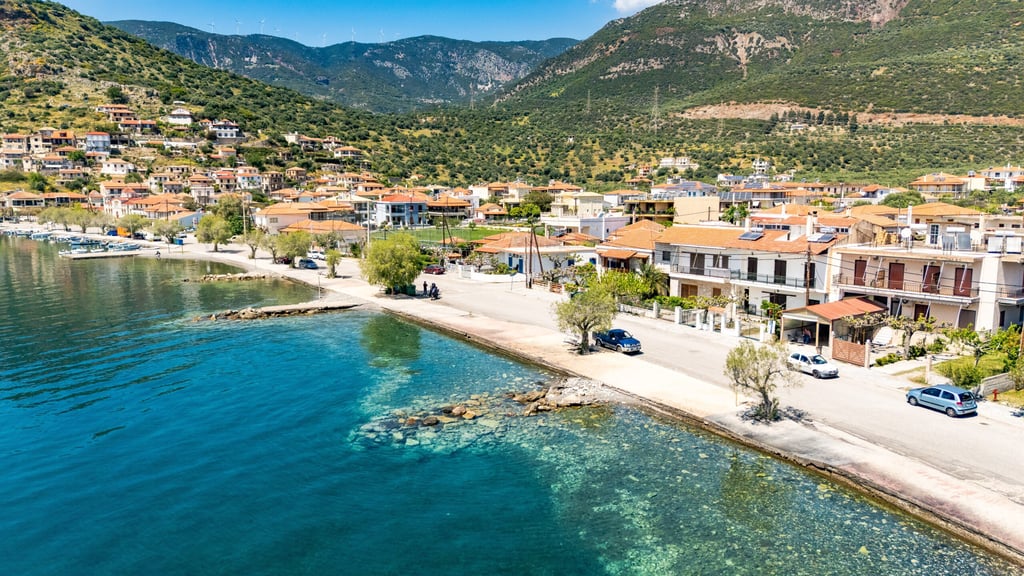
The property market here is varied, but most homes fall into a few key categories.
Apartments dominate in areas like Palaio Faliro and Glyfada. These range from older buildings to newly built developments with modern finishes, underground parking and shared amenities.
In Voula and Vouliagmeni, you’ll start to see more high-end apartments and luxury penthouses. Many come with sea views, large terraces and smart home features.
Villas are more common as you move further down the coast. In Varkiza, Saronida and beyond, you’ll find detached homes with gardens and pools, often at a lower price per square metre than closer to Athens.
Renovation projects do exist, particularly in older apartment blocks. These can offer good value, but you’ll need to factor in the time and cost of updating the property.
Is the Athens Riviera a good investment?
The property market here has performed strongly and consistently. Bank of Greece data shows Athens property prices continually growing through 2025. The Riviera itself has outperformed the wider Athens market, driven by international demand, the Ellinikon project’s transformative effect and a structural shortage of prime coastal stock.
Foreign buyers account for a large portion of Athens property transactions. It’s worth knowing that the Greek Golden Visa minimum investment for properties in Attica rose to €800,000 (£685,000) for a single property of at least 120m² in September 2024, so UK buyers looking at the upper end of the market should factor that into their planning.
As with any overseas purchase, getting the currency side right matters. Exchange rates can move significantly between agreeing a price and completing a purchase, and a forward contract – fixing a rate in advance – can protect your budget from those fluctuations. It’s worth speaking to a currency specialist early in the process.
How to buy property in Greece
The buying process in Greece is relatively straightforward, but there are a few key steps you’ll need to follow.
First, you’ll need a Greek tax number (AFM). This is required for any property purchase and can be arranged through a lawyer.
Next, it’s essential to appoint an independent lawyer. They’ll carry out legal checks on the property, confirm ownership and ensure there are no outstanding debts or planning issues.
Once you’ve agreed on a property, you’ll typically pay a reservation deposit. After that, your lawyer will complete due diligence before you move to the final contract stage.
You’ll also need to open a Greek bank account to handle payments and ongoing costs.
Property transfer tax is generally around 3.09% of the purchase price, although this can vary depending on the property and whether VAT applies.
As with any overseas purchase, working with experienced professionals makes a big difference. It helps you avoid delays and ensures everything is handled correctly.
Speak to a Greece property expert
Final thoughts on buying in the Athens Riviera
The Athens Riviera offers something that’s hard to find elsewhere in Greece – a coastal lifestyle that works all year round. You’re not relying on seasonal tourism, and you’re not cut off from essential services.
If you’ve visited Athens multiple times and want a base that feels more liveable day to day, this stretch of coastline is worth serious consideration. It’s practical, well-connected and increasingly popular with overseas buyers looking for long-term value.
FAQ about the Athens Riviera
It’s a coastal extension of Athens that offers sea views, modern housing and a more relaxed pace than the city centre. You still have access to everything Athens offers, but daily life feels more open and less crowded.
That depends on your priorities. Glyfada works well if you want restaurants, shops and a social atmosphere. Vouliagmeni suits buyers looking for a quieter, more exclusive setting. Voula often sits in the middle, offering a balance of both.
British buyers tend to favour Glyfada, Voula and Vouliagmeni. These areas have international communities, English-speaking services and good access to schools, healthcare and transport links.