




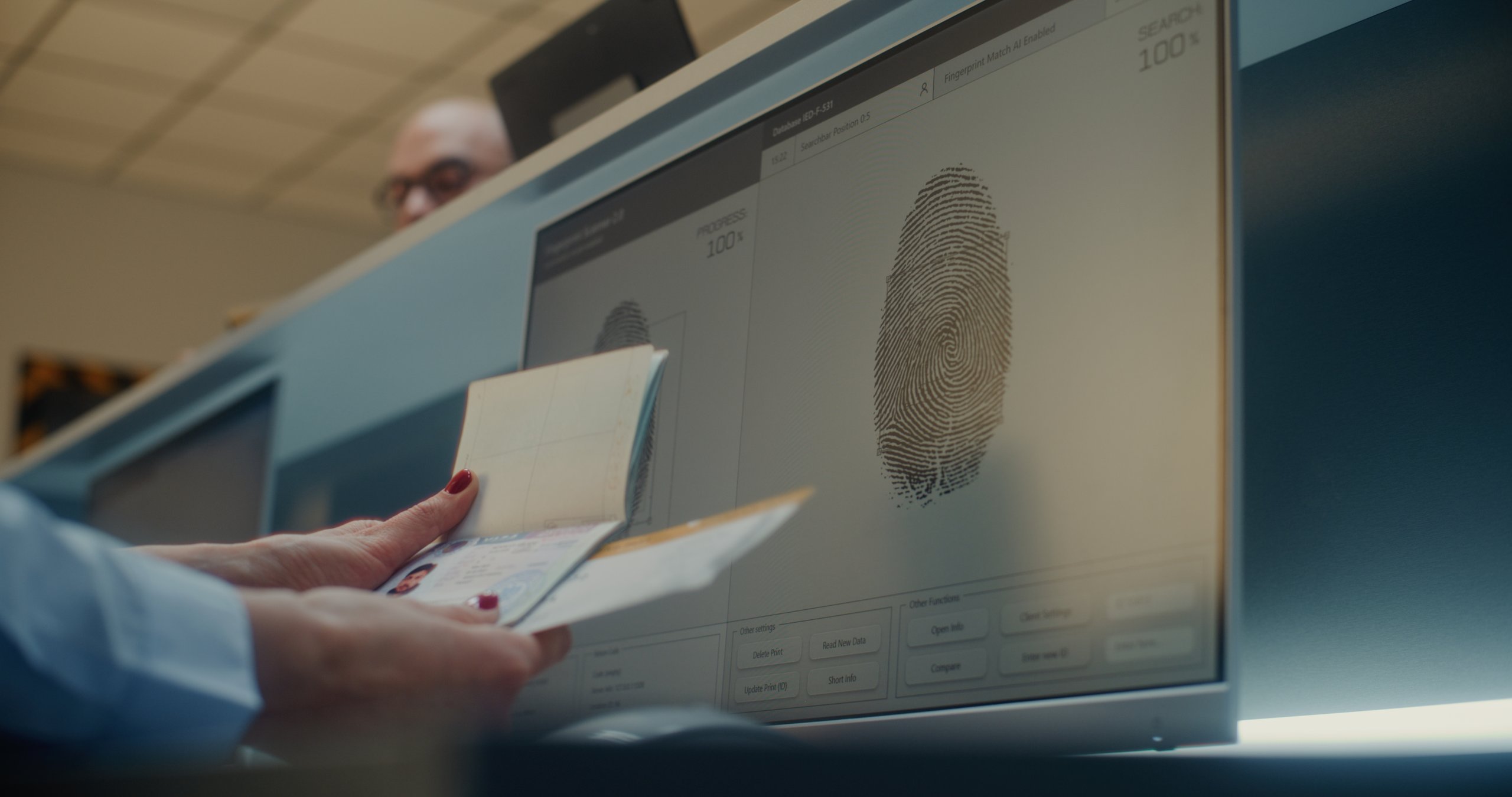
Two major changes are coming to European border controls in 2026, and one of them is already under way. If you fly into Spain, France, Portugal, Italy, Greece or elsewhere in the Schengen Area, you’ll soon encounter the EU’s Entry/Exit System, with the second scheme, ETIAS, due to follow. Here’s what these changes mean for your future trips.
Planning a break in Europe has always been fairly straightforward, but the EU is modernising its border checks and this will affect anyone visiting from a visa-exempt country, including the UK. If you’ve heard snippets about fingerprints, fees or pre-travel approvals, it can all feel like a lot. The good news is that neither system is as daunting as the headlines make out, and most of the work happens behind the scenes. Below, we break down exactly what will change and how to prepare.
Download the Viewing Trip Guide
Contents
What EES and ETIAS are designed to do
The EU has introduced two linked systems to improve how travellers arrive and move through its borders.
EES (Entry/Exit System) replaces passport stamps with a digital record of when you enter and leave the Schengen Area. It logs your fingerprints and a facial image on your first trip, then automatically keeps track of your 90-day allowance. Rollout began in October 2025, and it will be fully operational at all external borders by 10th April 2026.
ETIAS (European Travel Information and Authorisation System) is a short online form you’ll complete before travelling. It isn’t a visa but a quick security check for travellers from countries that don’t need a visa to visit Europe, including the UK, USA, Canada and Australia. The European Commission has confirmed that ETIAS is expected to launch in 2026, with full operation by 2027.
Both systems are designed to speed up border processing, strengthen security and reduce overstays. You may lose the novelty of passport stamps, but it should make the arrival process much smoother.
Which countries are affected
Both EES and ETIAS apply to the 29-country Schengen Area, which includes most EU nations plus Switzerland, Norway, Iceland and Liechtenstein.
Important exceptions for British travellers:
- Ireland is not in Schengen, so neither EES nor ETIAS applies. Travel continues under the Common Travel Area.
- Cyprus is not yet part of Schengen, so these rules do not apply until it officially joins.
How to prepare for EES
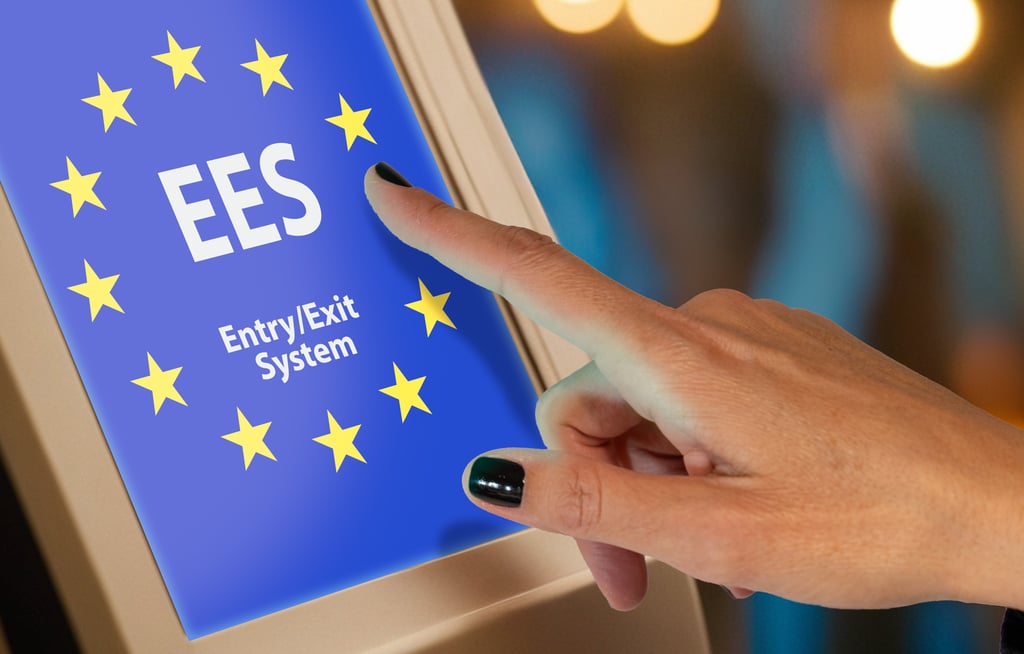
You don’t need to apply or pay anything in advance. Your biometric registration is taken at the border by a kiosk or a border officer.
To avoid any problems, check the following before you travel:
- Ensure your passport meets entry rules – Most Schengen members require at least three months of validity beyond your intended departure date, though six months is safer in case your travel plans change or you face unexpected delays.
- Be ready to answer standard questions – Border officers may ask where you’re staying or how you’re funding your trip. These rules already exist; the difference is that EES makes enforcement easier.
- Keep track of your 90-day limit – Because EES records your stays automatically, overstaying becomes much easier to detect. If you exceed the 90-days-in-180 rule anywhere across Schengen, fines or entry bans are possible.
Will EES slow you down?
Initially, queues may be a little longer while people get used to the new kiosks, although airports plan to add staff and signage. If you’re flying, all EES checks take place on arrival in Europe, not at departure from the UK. The exception is the Eurostar and some ferry ports, where border controls operate in the UK.
How to prepare for ETIAS
You cannot apply yet. Once ETIAS opens, you’ll complete a short online form with your passport details, personal information and your destination. Your approval is then digitally linked to your passport.
Cost
The European Commission has set the fee at €20 for travellers aged 18 to 70. Those under 18 or over 70 will not pay a fee.
Validity
Your ETIAS approval lasts three years, or until your passport expires, whichever comes first. During that period, you can make multiple trips without reapplying.
Avoid unofficial websites
When applications open, many third-party sites will offer to “help” for an inflated fee. Always apply via official EU channels.
Why these systems exist
The EU isn’t doing anything unusual here. The UK already asks many visitors to apply for an ETA and the USA has used its ESTA system for years. These quick pre-travel checks have become standard practice for anyone travelling without a visa.
EES and ETIAS compared
| Feature | EES | ETIAS |
|---|---|---|
| Who is affected? | Non-EU nationals entering for short stays; biometrics taken at the border | Travellers from visa-exempt countries such as the UK, US and Canada |
| What you’ll do | Give fingerprints and a facial photo on first entry; no application or fee | Complete an online form before travel and pay a fee |
| Cost | Free | €20 for ages 18-70; free for children and over-70s |
| Validity | Digital record logs entries and exits to track your 90-day limit | Valid for up to three years or until your passport expires |
| Purpose | Modernise border checks and prevent overstays | Pre-screen visitors and strengthen security |
Key points to remember
- EES is automatic and free; you enrol at the border on your first arrival.
- ETIAS requires a short online application and a €20 fee for most adults.
- Both systems help enforce the 90-days-in-180 rule across the entire Schengen Area.
- For now, focus on EES for your next trip – ETIAS will follow later in 2026 or 2027.
- Always rely on official EU sites once ETIAS opens.
FAQs
Yes. If you’re visiting from a visa-exempt country such as the UK, you’ll need ETIAS once it launches and you’ll be processed by EES at the border. They serve different functions and operate together.
EES began rollout on 12th October 2025 and will be operating across all external Schengen borders by 10th April 2026.
Children under 12 generally do not need to provide fingerprints, and people with documented medical issues or certain official roles may also be exempt. Holders of EU residence permits or long-stay visas are not processed under short-stay EES rules.
No. EU passport holders, including Irish citizens, do not require EES or ETIAS.
EES data are stored under strict EU data-protection law. Access is limited to authorised authorities and information is deleted after a set retention period.