

Spain’s prime minister has called a snap election. With parties divided over foreign buyers, property taxes, holiday lets and how to get more homes built, we look at what the election could mean if you’re planning to buy in Spain.
Spain will go to the polls on 29 November, with housing suddenly at the heart of the election campaign. For anyone planning to buy a holiday home in Spain, the result could affect everything from the number of new homes being built to the rules on holiday lets – and potentially even the taxes paid by British buyers.
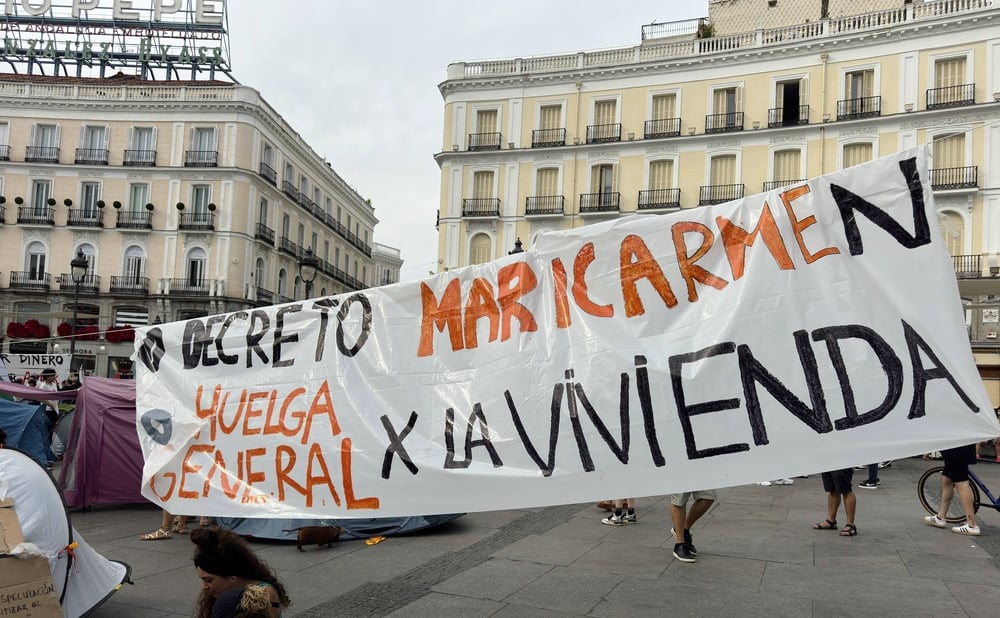
The immediate trigger for the political drama was the eviction of 87-year-old Maricarmen Abascal from the Madrid home where she had lived for 70 years. Her case helped spark protests across Spain and intensified an already heated debate about the cost and availability of housing.
Prime Minister Pedro Sánchez responded with emergency housing measures. These included stronger protection for vulnerable tenants, tighter regulation of temporary and room rentals, measures against speculative property purchases and changes to the taxation of tourist accommodation. They were rejected in parliament on 2 October by the conservative Partido Popular (PP), Vox and Catalan party Junts.
Sánchez then called a snap election – and has since approved revised versions of most of the measures, which will be put before parliament’s permanent committee while parliament is dissolved.
So what does all this mean if you simply want a place in Spain for holidays?
Holiday-home buyers aren’t the main target
Much of Sánchez’s argument is aimed at something quite different from a British couple buying an apartment in Alicante or a villa in Murcia.
His government wants to reduce the treatment of Spanish housing as a speculative financial asset. The latest proposals include restrictions aimed at so-called fondos buitre – “vulture funds” – and other companies buying property speculatively, alongside changes affecting SOCIMIs, Spain’s equivalent of real estate investment trusts.
One of the rejected measures would, until the end of 2028, have restricted property companies from buying homes for less than 70% of their market valuation, with exceptions including affordable and social housing.
That is a long way from buying your own holiday home.
The concern for international buyers is that some previous proposals designed to discourage property speculation have cast the net considerably wider.
Could the 100% property tax return?
In January 2025, Sánchez proposed increasing the tax burden on property bought by non-EU residents to as much as 100% of the property’s value. British people living in the UK and buying a Spanish holiday home would potentially have been affected.
It wasn’t just a political soundbite. PSOE subsequently submitted legislation proposing a new tax on property purchases by people and companies resident outside the EU. The proposed rate was 100% of the taxable value, minus the normal transfer tax already paid.
It has not become law, and importantly, it wasn’t included in the emergency housing measures rejected last week or their replacement this week.
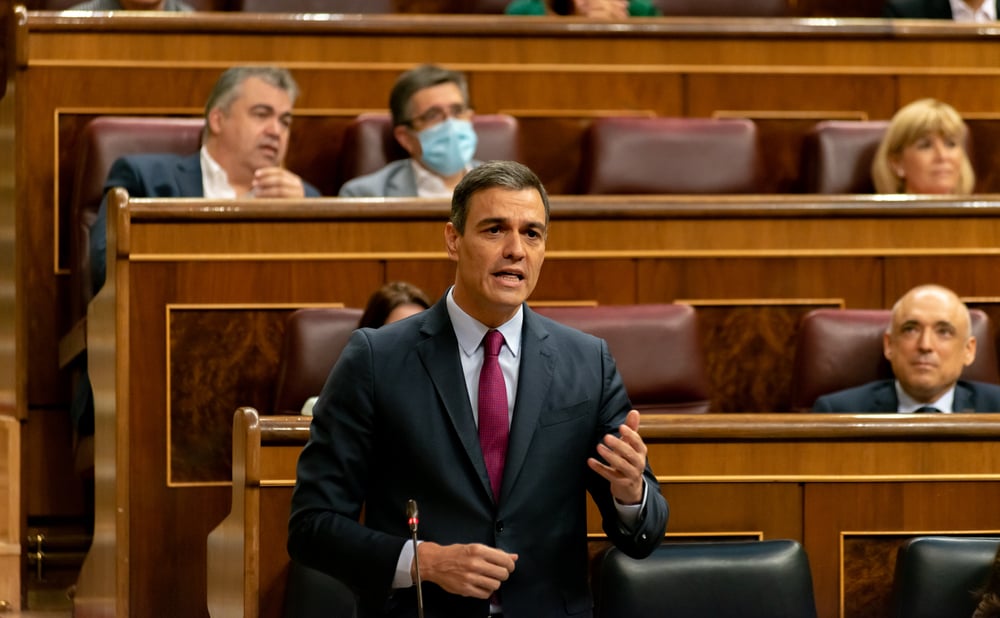
However, the election gives Sánchez an opportunity to reshape his housing programme. Buyers should therefore watch the PSOE manifesto closely to see whether the proposal returns.
If it does, that still wouldn’t make it law. The composition of the next parliament would determine what a future government could actually pass.
A very different approach from the opposition
Spain’s main opposition party, the PP, agrees that housing is a serious problem but disagrees sharply about the solution.
Its central argument is straightforward: Spain needs more homes.
The PP has set a target of addressing what it describes as a shortage of one million properties. Its proposals include releasing more land for development, speeding up planning permission, reducing bureaucracy, encouraging public-private development and cutting the time needed to build homes. Party leader Alberto Núñez Feijóo is currently proposing construction of around 200,000 homes a year.
The party is also explicitly critical of restrictions on second-home purchases and temporary rentals.
For overseas buyers, that represents a very different philosophy: rather than trying primarily to moderate prices by restricting demand, increase supply.
What else should overseas buyers watch?
Tourist rentals will be one battleground. Sánchez wants holiday accommodation taxed more like a commercial business and temporary rentals more tightly regulated. That could be relevant if you intend to let your Spanish property when you’re not using it.
Property taxation is another. PSOE has shown itself willing to consider additional taxes and restrictions where it believes property is being used speculatively, while the PP is campaigning for lower taxes and fewer restrictions on housing development.
There is also a wider question about landlords’ rights and tenants’ protections. Sánchez wants stronger eviction protections and greater security for tenants, while the PP has placed greater emphasis on property-owner protection and encouraging owners to put homes onto the rental market.
Could the election actually be good news for buyers?
Potentially, yes.
Spain’s housing shortage has become important enough to help trigger an early general election. Whichever government emerges, doing nothing about housing is becoming increasingly difficult.
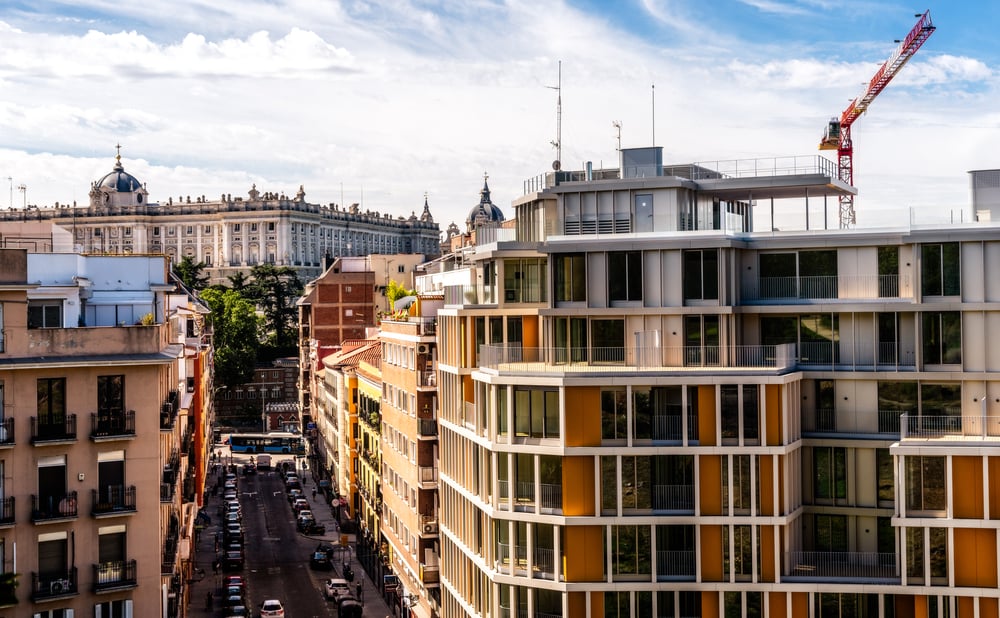
And beneath the political disagreement there is some common ground. Sánchez himself acknowledges that regulation alone cannot solve Spain’s housing problems and says hundreds of thousands more homes need to be built. His latest package includes substantial financing to encourage construction. The PP wants to go considerably further in freeing land and accelerating development.
More construction could mean greater choice for buyers, particularly in areas where demand has raced ahead of supply. Faster planning and more development could also create opportunities in places where finding a suitable property has become increasingly difficult.
So this isn’t a reason to abandon plans for a home in Spain. It is a reason to follow the election.
For most British buyers, the political argument isn’t really about stopping you owning a holiday home. It’s about a much bigger question Spain is wrestling with: how do you make enough homes available to the people who live there while remaining open to the international buyers and investment that have long been part of its property market?
The answer could start to become clearer on 29 November.