
Castellón, Valencia or Alicante? Compare the three provinces of the Valencian Community on price, lifestyle and expat life before you buy property in Spain.
One of the most sought-after regions in Spain is La Comunidad de Valencia, which covers about 23,255 square kilometres, slightly smaller than its neighbour, Catalonia. The region is divided into three provinces: Castellón (north), Valencia (centre) and Alicante (south).
Contents
Castellón, Valencia, Alicante: one region, three very different propositions
Estate agents often describe the Valencian Community as a single, sun-soaked package. It isn’t. Its three provinces share a flag, a regional government and a fondness for rice, but for a buyer they might as well be different countries. Pick the wrong one and you’ll spend your first year wondering why nobody told you the nearest decent coffee was 40 minutes away, or that you had moved to somewhere with more British expats than you expected.
Castellón: the quiet one
Castellón is the smallest province by population and the one most people skip, which is rather the point. The coast is a long, unhurried run of orange groves, beaches and low-rise resorts, with Peñíscola’s walled old town perched on its rock as the obvious showpiece. Benicàssim and Oropesa del Mar add more of the same, minus the crowds.
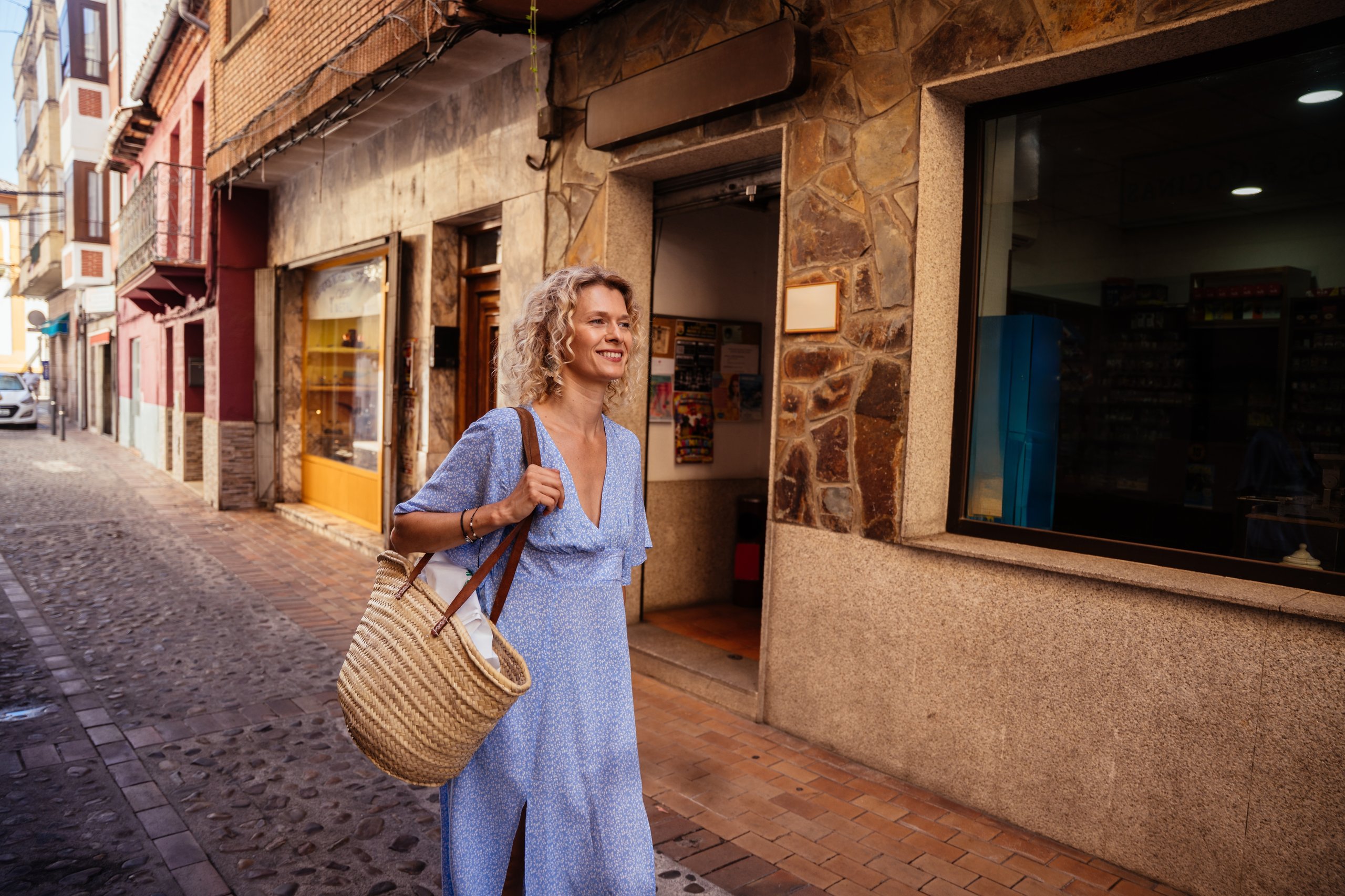
Behind the coast, the interior rises into the Maestrazgo and the Penyagolosa massif: stone villages, medieval Morella, proper walking country and very little traffic. Valencian is widely spoken, and daily life carries a distinctly local rhythm.
For buyers, the draw is value. Castellón is generally the most affordable of the three provinces, and money goes further, whether that’s a seafront flat or a village house with a bit of land. The trade-offs are real, though. Public transport is thinner, the expat infrastructure is modest, and winter in the interior can be properly cold. It suits people who want to integrate, or at least be left in peace, rather than find a ready-made community of fellow countrymen.
Valencia: the all-rounder
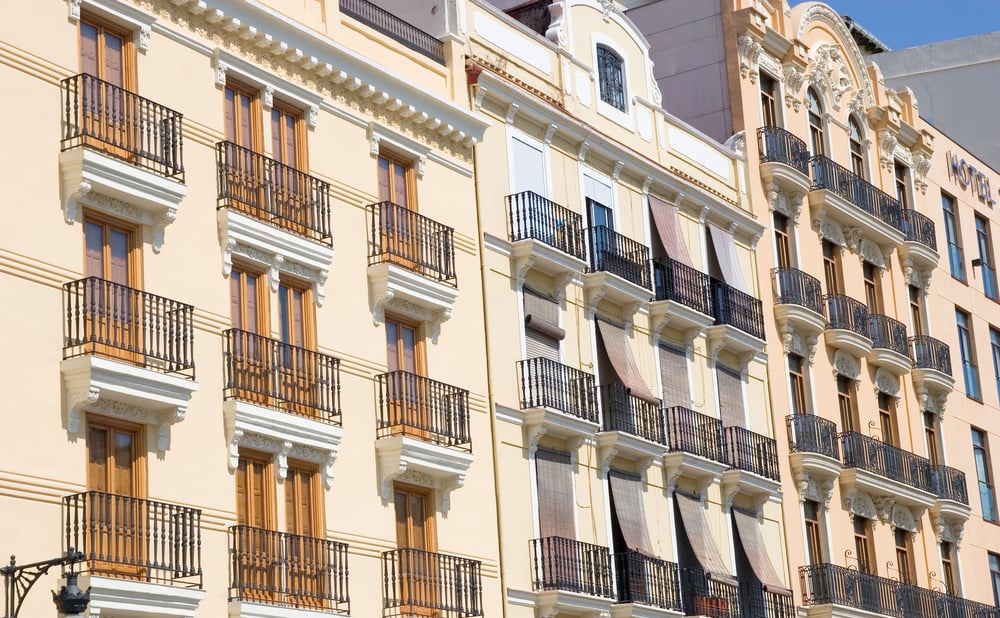
Valencia is the biggest province, the most diversified and the one with a real city at its heart. The city itself has a working port, a thriving food scene, the City of Arts and Sciences, a long beach and a climate that is warm most of the year. Around it sit the huerta farmland, the Albufera lagoon with its rice paddies, and coastal towns such as Cullera and Gandia, the latter popular with Spanish families in summer.
This is where buyers can live like locals without sacrificing convenience. Hospitals, an international airport, high-speed rail to Madrid and a proper year-round economy are all within reach. Valencian is widely spoken, but the city is cosmopolitan enough that you won’t be stranded.
The catch is price. Demand in the city, particularly from remote workers and investors, has pushed prices up considerably in recent years, and the better neighbourhoods are no longer a bargain. Buyers should also note that the October 2024 floods hit parts of the province hard, mainly south and west of the city. It’s sensible to check any property’s flood-risk history, insurance position and local drainage works before committing, rather than relying on an agent’s reassurance.
Valencia suits those who want a working, year-round life: families, remote workers and anyone who wants city amenities with a beach at the end of the tram line.
Alicante: the international one
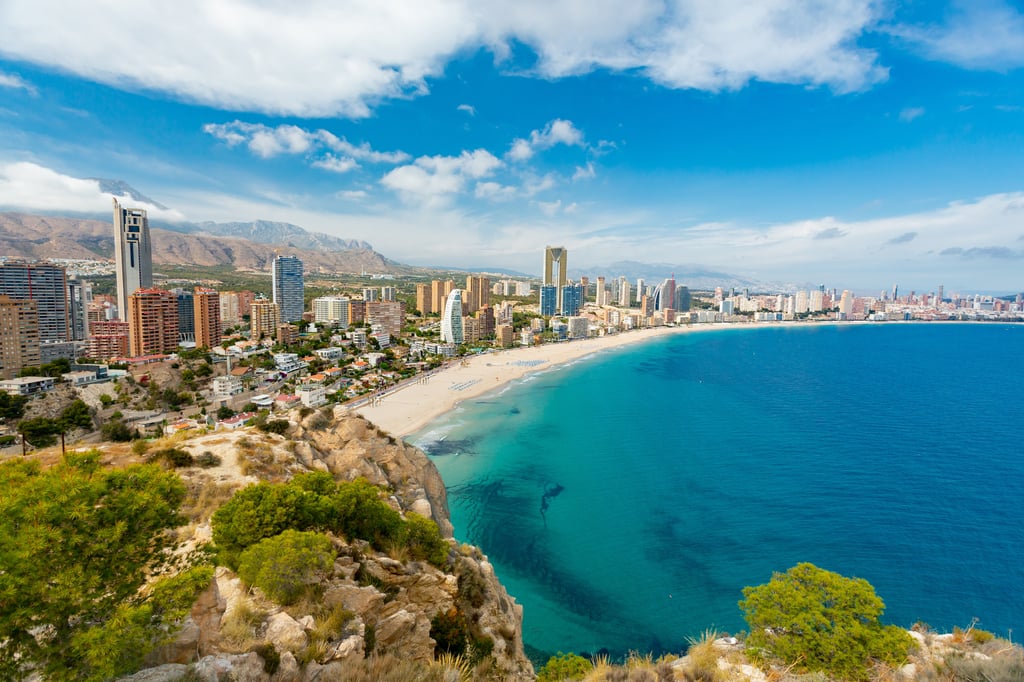
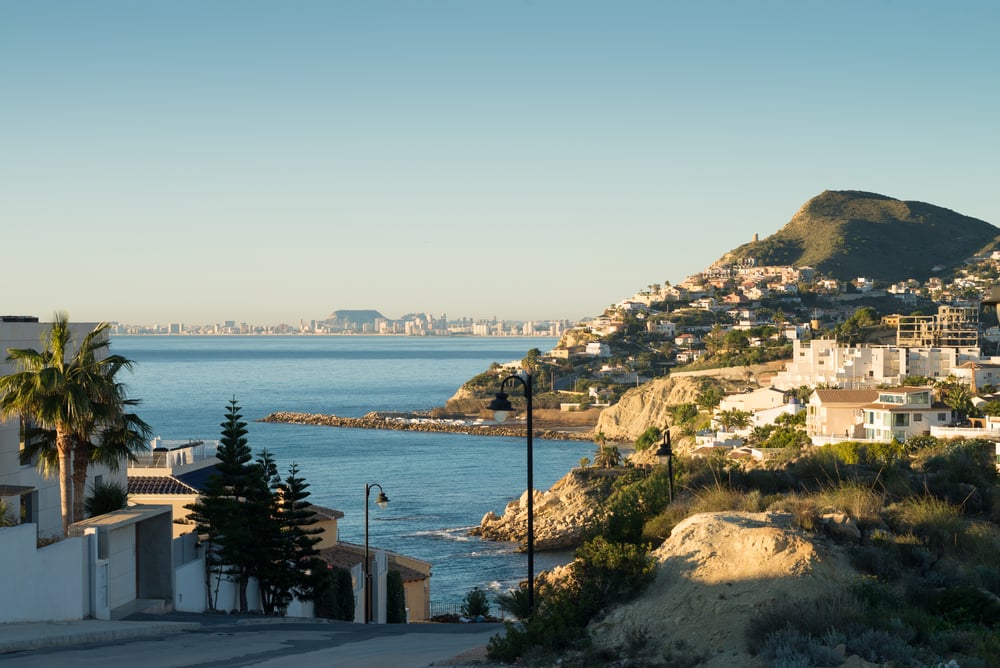
Alicante is the driest, sunniest and most foreign of the three. The Costa Blanca is its calling card, with Benidorm’s skyline, Torrevieja, Dénia, Jávea, Altea and Calpe, and it has by far the largest foreign resident population in the region. English is spoken in shops, surgeries and estate agents, and in some towns you could go months without needing much Spanish, though it is definitely worth learning the language if you want to be part of the local scene.
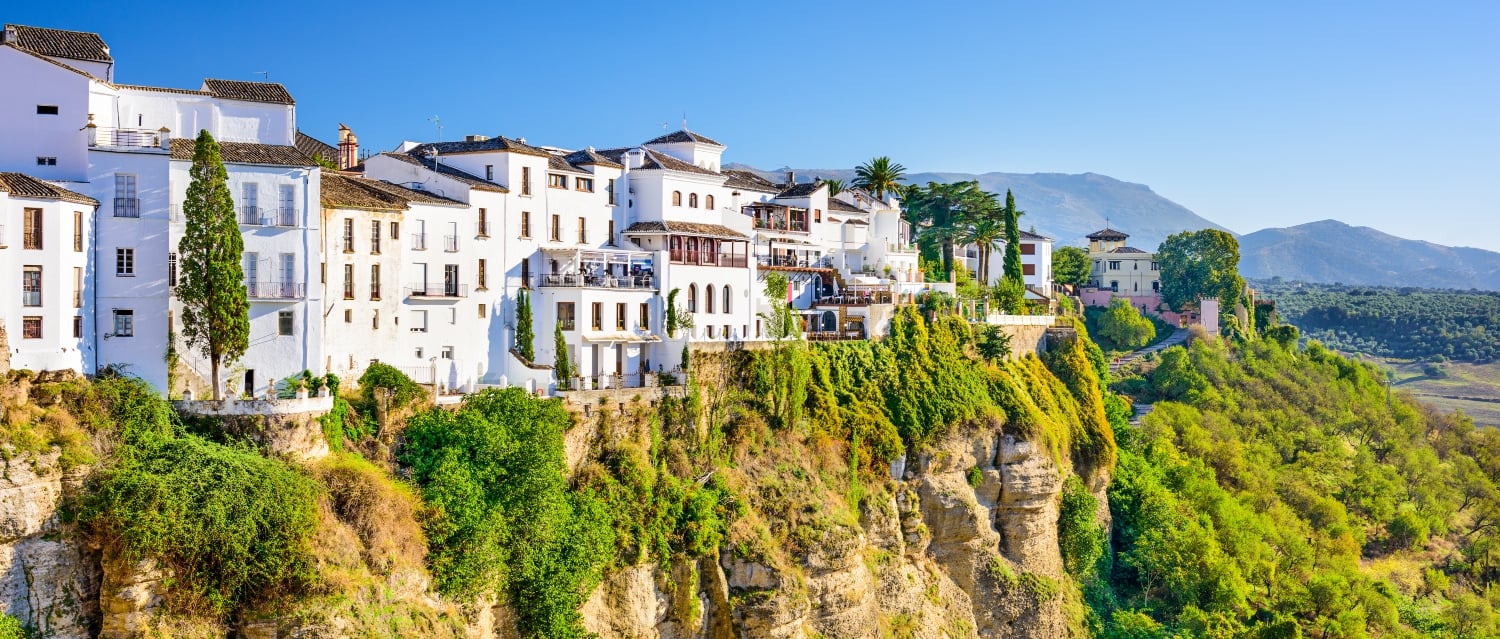
The coast isn’t uniform. Dénia and Jávea are polished and expensive, Torrevieja is busy and comparatively affordable, and Altea has a whitewashed artistic charm that is priced accordingly. Inland, the province has a different character: Elche with its palm groves, shoemaking towns such as Elda, and quiet villages where Valencian gives way to Spanish.
For buyers, Alicante offers the deepest and most liquid market. There is a vast choice of new-build and resale property, an established network of solicitors, surveyors and English-speaking professionals, and an airport with direct flights to much of northern Europe. The downside is that this popularity cuts both ways. Some areas are heavily seasonal, with half-empty streets in winter, and tourist-rental rules vary by town and have been tightening, so anyone buying with letting income in mind should check the current local regulations first.
It suits retirees, second-home buyers and anyone who wants a ready-made community and easy flights home.
Choosing between them
Put simply, Castellón offers space and value, Valencia offers a balanced working life, and Alicante offers convenience and company. None is objectively better. The real question is what kind of life you’re buying, and whether you’ll want a community that speaks your language or one that asks you to learn theirs.
- North to south: green and quiet (Castellón), urban and agricultural (Valencia), sunny and international (Alicante). It gives you a natural structure and a ready-made contrast.
- Language and identity: Valencian is strong in the north and centre but much weaker in southern Alicante, which is an angle few English-language pieces cover.
- Foreign influence: Alicante’s heavy foreign presence versus Castellón, which most foreigners have never heard of beyond Peñíscola.
- Overlooked bits: Castellón’s interior (Morella, Penyagolosa), the Albufera and Alicante’s inland towns away from the coast.
Whatever you are looking for in your home in Spain, one of the three provinces will likely suit you and all have access to flights to the UK and Europe. Why not find out for yourself and visit the three provinces, enjoying what each has to offer?
What should I do next?
Once you have a province in mind, the most useful next step is to see what your budget buys there. You can browse properties for sale in Spain and compare prices across Castellón, Valencia and Alicante.
Many buyers find that a viewing trip helps them decide. Our Spain viewing trip guide explains how to plan one, including how to fit all three provinces into a single visit.
If you’re still getting to grips with the process, you can download our free Spain buying guide. When you’re ready to talk to someone, you can find a trusted expert in Spain.
And if you’ll be moving money from another currency, it’s worth understanding how exchange rates can affect your budget. Our guide, Currency Transfer and Property Purchases Explained, covers the options, including forward contracts, which let you fix a rate in advance.
Summary
The Valencian Community covers about 23,255 square kilometres and splits into three provinces that suit very different buyers. Castellón offers space and value, though public transport is thinner and the international community is smaller. Valencia gives you a balanced, year-round working life, but prices have risen and it’s sensible to check a property’s flood-risk history. Alicante has the deepest market and the largest foreign population, although some areas are seasonal and tourist-rental rules are tightening.
None of the three is objectively better. It depends on the kind of life you’re buying, and a viewing trip across all three provinces is a practical way to decide.