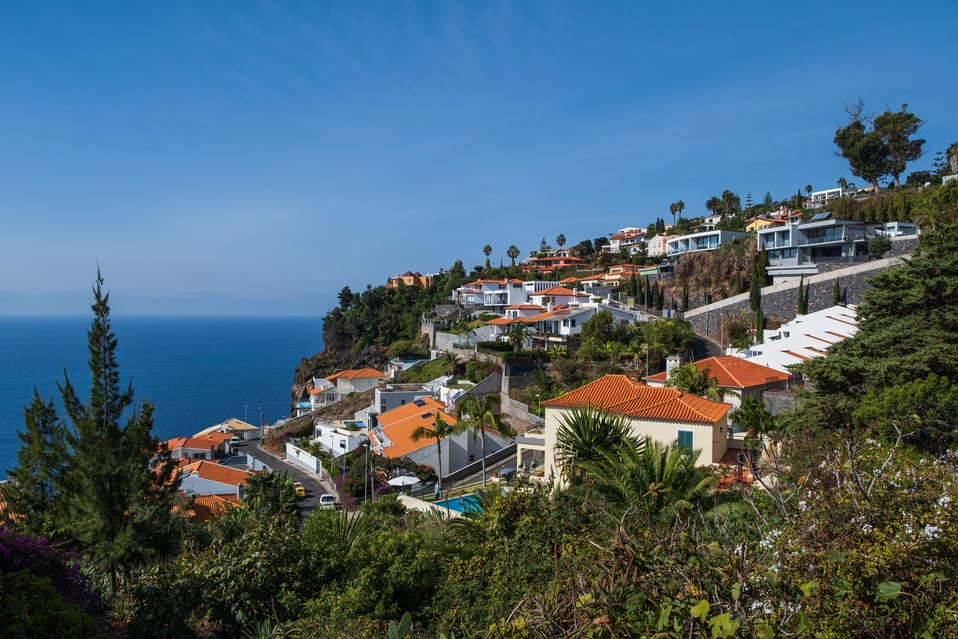
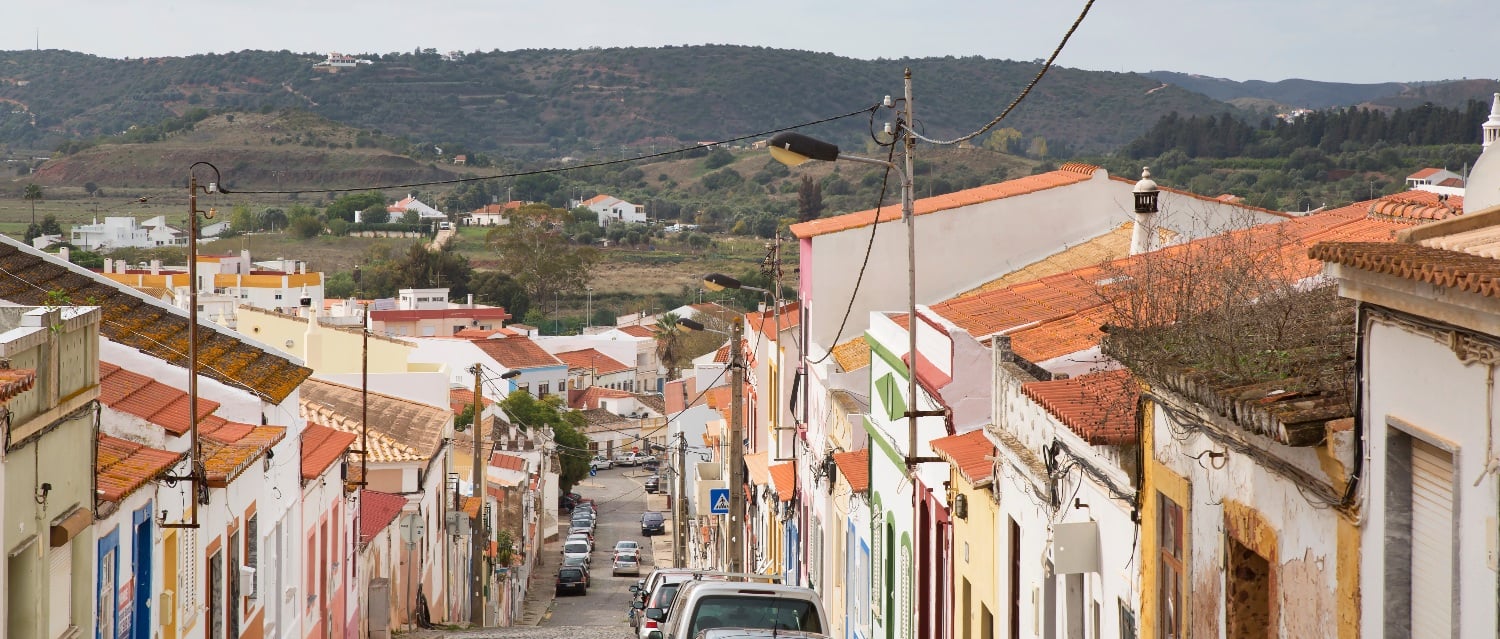
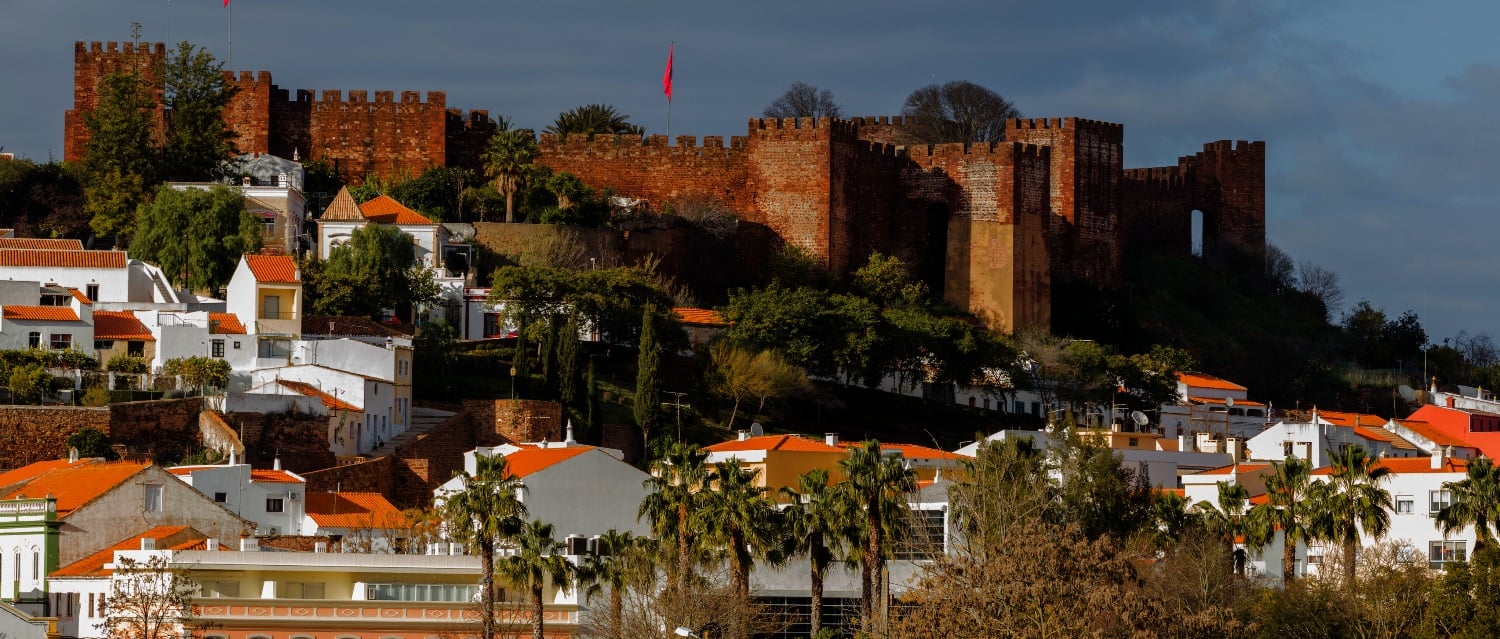

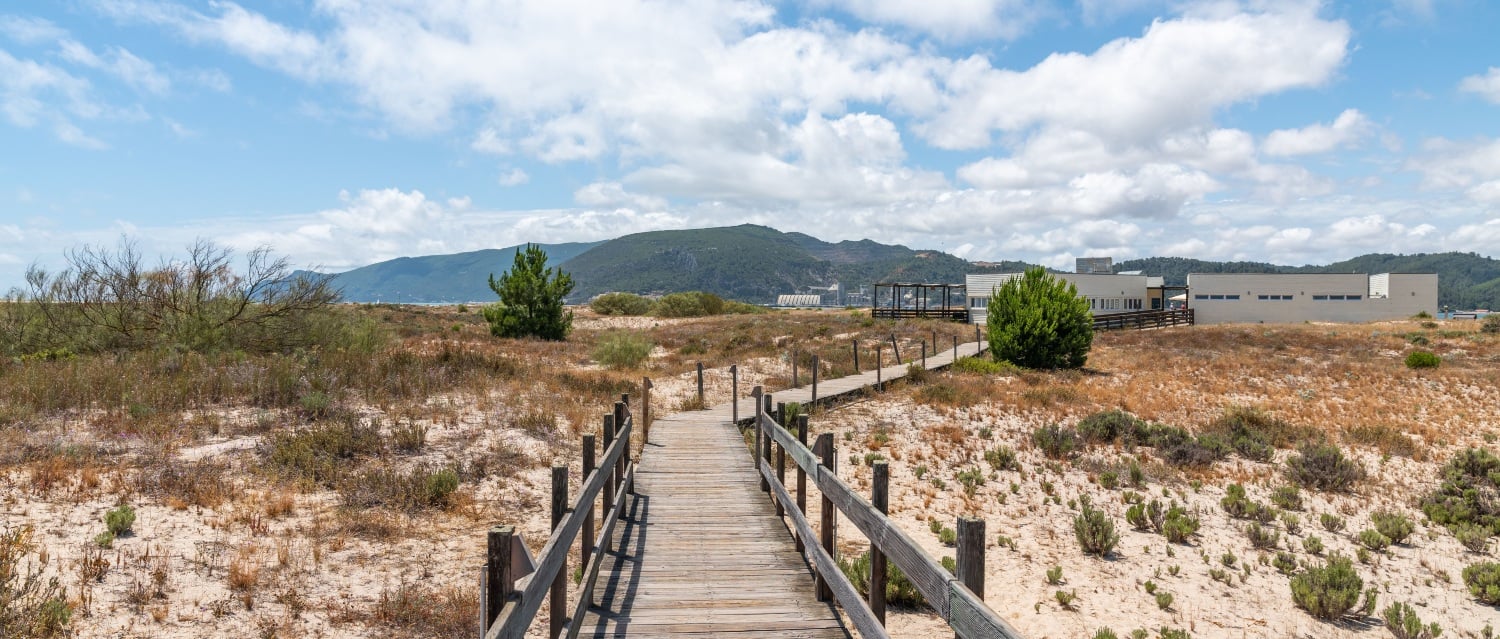
An hour south of Lisbon, where rice paddies give way to white dunes and the Atlantic stretches to the horizon, Comporta has quietly become one of the most talked-about property markets in Europe. Over 60 kilometres of near-empty beach, strict low-density planning rules and a design-led building culture have attracted buyers who could purchase anywhere – and chose here.
But buying property in Comporta is not the same as buying in the Algarve or Lisbon. Prices sit well above the national average, supply is deliberately limited and the market moves quickly. If you’re considering it, you need to understand what’s actually available, what it costs and how the process works in this particular corner of the Alentejo.
This guide covers current prices, the main areas and developments, what types of property you’ll find, the buying process and the costs involved. We’ve also included practical tips on rental income, since many buyers here plan to let their property when they’re not using it.
Key takeaway: Comporta is a protected stretch of Portugal’s Alentejo coast, roughly 90 minutes from Lisbon. Prime property prices range from €6,800 to €10,700 (£5,700–£9,000) per sqm, with top-end beachfront new builds exceeding €15,000 (£12,600) per sqm. Strict zoning limits new supply, which supports long-term values but means fewer properties come to market. Foreign buyers face no restrictions on purchasing.
Contents
- Why Comporta has attracted international buyers
- What life in Comporta is actually like
- Where to buy – Comporta’s key areas
- What property costs in Comporta in 2026
- Types of property available
- The buying process
- Costs and taxes when buying in Comporta
- Rental income potential
- If Comporta is over your budget
- What should I do next?
- Summary
- Frequently asked questions
Why Comporta has attracted international buyers
Comporta’s appeal comes down to a combination that’s hard to replicate: genuine natural beauty, tight planning controls and proximity to a major European capital. The coastline sits within the Sado Estuary Nature Reserve, and local regulations limit both building density and height. The result is a landscape that looks much as it did decades ago – pine forests, cork oaks, working rice fields and long, uncrowded beaches.
International interest has grown steadily since the early 2010s, when a handful of high-end developments began to appear. American, French, Belgian and Swiss buyers have joined the market alongside the Portuguese, drawn by the country’s political stability, safety record and what remains – by western European standards – a favourable tax environment. According to data from Statistics Portugal (INE), the broader Alentejo region saw property prices rise 13.8% year-on-year in 2024, outpacing even the Algarve’s 9.2% growth.
In our experience, buyers here tend to fall into two camps: those looking for a second home they’ll use regularly (often already owning property elsewhere in Europe), and investors attracted by the combination of capital appreciation and summer rental income. If you’re still weighing up why Portugal makes sense as a property purchase, the country’s wider appeal is worth exploring first.
What life in Comporta is actually like
Comporta doesn’t feel like the Algarve and it doesn’t feel like Lisbon. The pace here is slower and more deliberate. Days tend to revolve around the beach – and getting there is part of the ritual. Many residents use bikes or the local Mini Mokes to reach the sand via wooden boardwalks that cut through the dunes. Beaches like Praia da Comporta, Praia do Carvalhal and Praia do Pego each have their own personality, from beach clubs with table service to stretches where you won’t see another person for 500 metres.
The food is a genuine draw. Comporta sits where the Alentejo’s land-based cooking tradition meets the Atlantic seafood coast. Grilled fish, rice dishes cooked with local shellfish and slow-cooked pork are on menus everywhere, from simple beach shacks to more polished restaurants. The Cavalariça restaurant in Comporta village and Comporta Café are local staples. In summer, the Spot Market in the village sells independent crafts and fashion – it’s low-key but well curated.
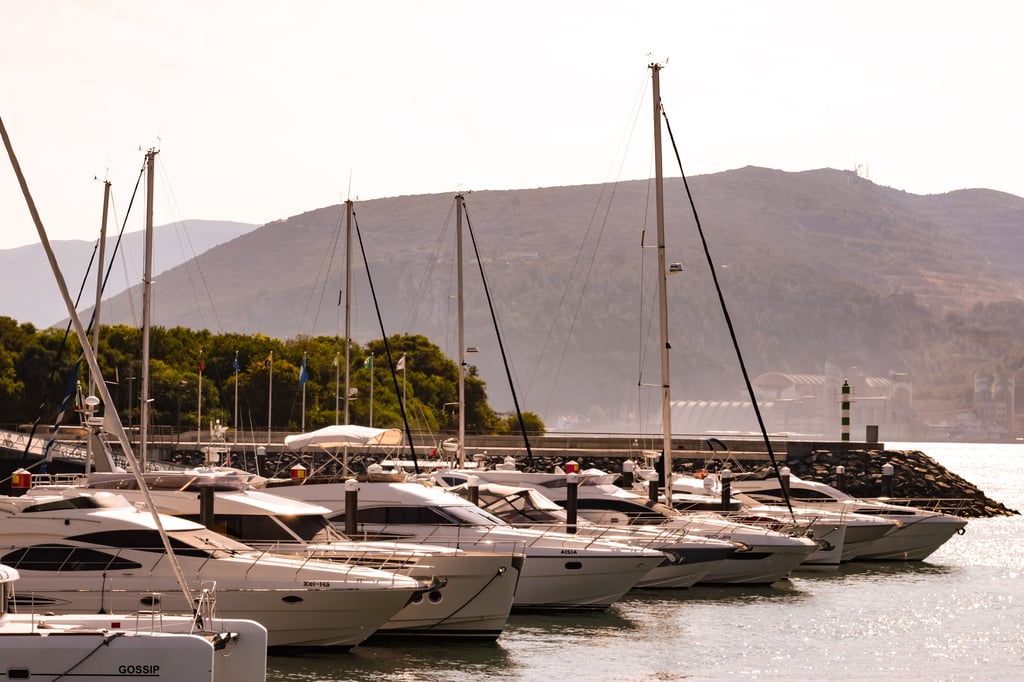
For golf, there are five courses within reach, including the Tom Fazio-designed course at CostaTerra. Tennis, padel and yoga are all easy to find. The Marina de Tróia at the northern end of the coast serves boat owners and gives access to the Tróia Design Hotel and its casino. And for anyone who enjoys wildlife, dolphin-watching trips on the Sado Estuary are a regular fixture – the estuary is home to a resident pod of bottlenose dolphins.
It’s worth being honest about the quieter months too. Outside summer, Comporta is very quiet. Some restaurants close, and the social scene shrinks considerably. Buyers who plan to spend autumn and winter here should visit during those months first. For some, the off-season stillness is exactly the point. For others, it might feel isolating – particularly if you’re used to the year-round buzz of the Algarve or Porto.
Where to buy – Comporta’s key areas
The Comporta coast stretches across several municipalities, each with a slightly different character. Here’s how they compare:
| Area | Character | Price guide (per sqm) | Best for |
|---|---|---|---|
| Comporta village | The original hub. Restaurants, shops and a relaxed social scene within walking distance. | €4,000–€7,000 | Year-round use, walkable lifestyle |
| Carvalhal and Pego | Quieter beach hamlets south of the village. Close to some of the best surf beaches. | €5,000–€9,000 | Families, beach lovers, privacy |
| Melides | Slightly further south. Dramatic coastline, vineyards and an emerging art scene. | €5,000–€9,000+ | Design-conscious buyers, investors |
| Tróia Peninsula | Connected to Setúbal by ferry. Resort-style developments with marina and golf. | €3,000–€6,000 | Golf, marina access, resort amenities |
| Grândola (inland) | The municipal capital. More affordable, with good services but no beach frontage. | €1,200–€2,000 | Budget buyers, long-term residents |
Many of the headline developments – CostaTerra Golf and Ocean Club, Spatia Comporta, Comporta Beach and Golf Resort, Muda Reserve – sit within or between these areas. Each has its own architectural identity and amenity package, so it’s worth visiting several before committing. Our guide to planning a Portugal viewing trip covers how to make the most of your time on the ground.
If you’re drawn to the Alentejo coast but Comporta’s prices are above your budget, see the section below on more affordable alternatives nearby.
What property costs in Comporta in 2026
Comporta sits at the top end of Portugal’s market. To put it in context, the national median price in Q3 2025 was €2,111 (£1,770) per sqm according to INE’s quarterly house price data. In Comporta’s prime areas, you’re paying three to five times that.
Market data from Casafari and Athena Advisers puts prime property prices in Comporta at €6,800 to €10,700 (£5,700–£9,000) per sqm. The most exclusive beachfront new builds can exceed €15,000 (£12,600) per sqm. Here’s what that means in practice:
| Property type | Typical price range | Notes |
|---|---|---|
| One-bedroom apartment (new development) | €300,000–€500,000 (£252,000–£420,000) | Often part of a resort with shared pool and services |
| Three-bedroom family villa | €1.5m–€3m (£1.26m–£2.52m) | Detached with garden and pool in Comporta, Carvalhal or Muda |
| Premium architect-designed villa | €3.5m–€6m+ (£2.94m–£5m+) | Natural materials, eco-design, resort-managed options |
| Building plot (with project approval) | €500,000–€2m+ (£420,000–£1.68m+) | Plots are scarce; approved projects command a premium |
Prices have risen sharply – Comporta and Melides saw growth of roughly 28% between 2023 and 2024. Many buyers we help are surprised by how quickly good properties move here, particularly in the €1m–€3m bracket. For a full breakdown of what you’ll pay on top of the purchase price, see our guide to the costs of buying property in Portugal.
Types of property available
Comporta’s property market is distinctive. You won’t find high-rise apartments or sprawling urbanisations here. For a broader look at what’s on offer across the country, our overview of property types in Portugal is a useful starting point. In Comporta specifically, you’ll find four main categories.
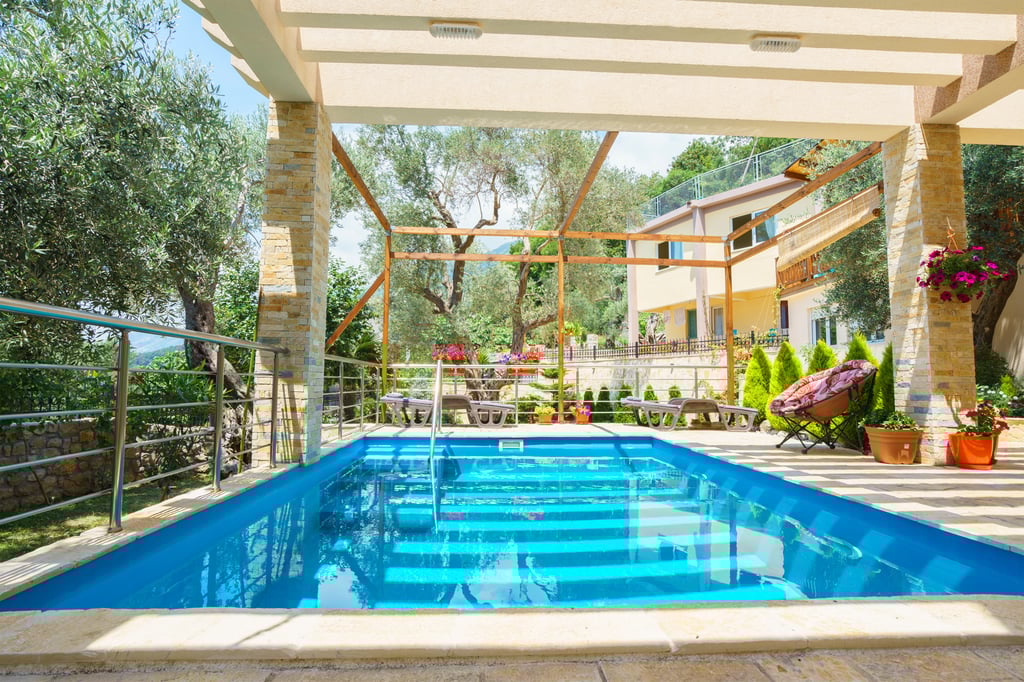
Resort villas and apartments – The largest share of new supply comes through managed resort developments. These range from one-bedroom apartments with shared amenities to four- or five-bedroom villas with private pools. Most come fully furnished, with on-site property management and the option to enter a rental programme. Developments like Comporta Beach and Golf Resort, Spatia Melides and NUMA Comporta follow this model.
Village houses – Traditional single-storey or two-storey homes in Comporta village, Carvalhal or Possanco. These tend to be smaller (100–200 sqm), often on compact plots, and may need updating. They suit buyers who want to be part of the local community rather than living in a resort setting.
Standalone villas on private plots – Custom-built or architect-designed homes on larger plots, typically in the Brejos da Carregueira area or surrounding countryside. These offer the most privacy and design freedom but involve a longer buying and building timeline.
Land with approved projects – Building plots with planning permission are available but increasingly scarce. Given the strict zoning, approved land carries a significant premium. Many buyers commission local architects who understand the planning requirements and the “Comporta style” – low-rise, natural materials, designed to sit within the landscape rather than dominate it.
Properties for sale in Portugal
The buying process
Buying in Comporta follows the standard Portuguese purchase process, but there are a few local considerations worth knowing about. Our detailed guide to the step-by-step process of buying in Portugal covers the full picture – here’s a summary with Comporta-specific notes.
Get your NIF. You’ll need a Portuguese tax number (Número de Identificação Fiscal) before you can do anything. UK buyers can apply through a fiscal representative or in person at a local finanças office. It’s a straightforward process that usually takes a few days.
Appoint a lawyer. Independent legal advice is essential – and in Comporta, it’s particularly important. Your lawyer will run due diligence checks on the property, confirm planning permissions and review the title. Given the area’s strict environmental and building regulations, you want someone who knows the local planning framework well. Our guide to hiring a property lawyer in Portugal explains what to look for.
Sign the promissory contract (CPCV). Once you’ve agreed a price, you’ll sign a promissory contract and pay a deposit – typically 10–30% of the purchase price. This is a binding agreement for both parties. If you’re new to how offers work here, our article on making an offer on a property in Portugal walks through the negotiation stage.
Complete the deed (escritura). The final signing takes place before a notary. You’ll pay the remaining balance and all purchase taxes at this point. The property is then registered in your name.
For new-build and off-plan purchases, the timeline is different. You’ll typically pay in stages linked to construction milestones, with the final payment on completion. Our partners in Portugal advise building in at least six to 12 months for a new build – and sometimes longer.
Costs and taxes when buying in Comporta
Total purchase costs in Portugal typically run between 7% and 10% on top of the property price. For a full walkthrough, our guide to Portuguese property taxes covers each tax in detail. Here’s a Comporta-specific summary:
| Cost | Rate / amount | Notes |
|---|---|---|
| IMT (property transfer tax) | 7.5% flat rate for non-residents (2026) | New flat rate introduced in the 2026 State Budget for all non-resident buyers |
| Stamp duty (Imposto do Selo) | 0.8% of purchase price | Payable on completion |
| Notary and registration fees | €1,000–€2,000 | Fixed fees, not percentage-based |
| Legal fees | 1–1.5% of purchase price | Varies by firm; agree a fixed fee in advance |
| Annual property tax (IMI) | 0.3–0.45% of tax value | Payable annually; tax value is usually below market value |
At Comporta prices, the numbers add up quickly. On a €2m (£1.68m) villa, IMT alone comes to €150,000 (£126,000). And one cost that catches many UK buyers off guard is the currency exchange. The difference between your bank’s exchange rate and a specialist broker’s rate on that same €2m purchase could be £20,000 or more. It’s worth speaking to a currency specialist early in the process to understand your options for locking in a rate – particularly given how quickly Comporta transactions can move from offer to completion.
Rental income potential
Many Comporta buyers plan to rent their property during the summer months. The area’s short season (broadly June to September, peaking in July and August) means high nightly rates but a limited letting window. For a broader look at what’s involved, our guide to renting out your property in Portugal covers the rules and practicalities.
Weekly rental rates for a well-presented three-bedroom villa with pool can reach €5,000–€12,000 (£4,200–£10,000) during peak weeks. One-bedroom apartments in managed resorts typically command €1,500–€3,000 (£1,260–£2,520) per week in high season.
Most resort developments offer in-house rental management, handling bookings, changeovers, maintenance and guest services. This makes hands-off ownership straightforward – but management fees (typically 20–35% of rental income) will eat into your returns.
If you plan to rent short-term, you’ll need an Alojamento Local (AL) licence. Comporta hasn’t imposed the kind of restrictions that Lisbon and Porto have – AL licences are still available here, and many new-build properties come with one already in place. That said, the licensing landscape across Portugal is changing, so it’s worth getting up-to-date legal advice before you commit to a rental strategy.
If Comporta is over your budget
Not everyone has a Comporta budget – and that’s fine. Portugal is compact enough that you can enjoy this stretch of coast regularly while living somewhere more affordable nearby.
Alcácer do Sal is the closest town of any size, about 30 minutes inland. It’s an attractive, historic settlement on the banks of the Sado river, with a castle, good restaurants and a growing international community. Property here costs a fraction of Comporta’s prices – you’ll find villas from around €250,000 (£210,000) and renovation projects for considerably less. It’s a realistic base for anyone who wants Comporta’s beaches within weekend reach.
Setúbal sits across the estuary, connected to the Tróia Peninsula by a 20-minute ferry. It’s a proper working city with hospitals, schools, a university and excellent seafood restaurants along the waterfront. Apartments start from around €150,000 (£126,000), and the city is seeing strong price growth as buyers priced out of Lisbon look south. You can browse property for sale in the Setúbal district on our portal.
Grândola town, which we mentioned in the areas table above, is the municipal capital of the wider Comporta region. It has supermarkets, a health centre, schools and regular bus connections. Prices here sit at €1,200–€2,000 per sqm – a fifth of what you’d pay on the coast.
For buyers comparing Comporta with other Portuguese coastal options entirely, our guides to the Algarve, Cascais and the Silver Coast are worth reading side by side. Each offers a very different proposition in terms of price, lifestyle and rental potential.
What should I do next?
If Comporta is on your shortlist, here are the practical next steps:
- Browse property listings in Portugal on our Portugal portal to get a feel for what’s available at your budget.
- Join our next Portugal property webinar – our experts cover the buying process, costs and current market conditions. See upcoming events.
- Speak to a currency specialist about your international transfer. Getting this right early could save you thousands on a purchase at Comporta’s price levels.
- Read our step-by-step guide to buying in Portugal if you’re earlier in the process and want the full walkthrough.
- Talk to a Portugal property specialist who can help you navigate the Comporta market – find an expert through our matching service.
Properties for sale in Portugal
Summary
Comporta is Portugal’s most exclusive coastal property market – a protected stretch of Alentejo coastline where strict planning controls keep development low and values high.
Prime prices range from €6,800 to €10,700 per sqm, with top-end beachfront properties exceeding €15,000 per sqm. The area has outpaced even the Algarve for price growth in recent years, driven by limited supply and strong international demand. Property types range from resort apartments starting around €300,000 to architect-designed villas above €3.5m.
The buying process follows standard Portuguese rules, with total purchase costs of 7–10% on top of the price. Rental income during the summer months can be strong, and AL licences remain available. For buyers who value design, space, privacy and a coastline that hasn’t been overbuilt, Comporta is one of southern Europe’s most compelling options.
Frequently asked questions
Yes. There are no restrictions on foreign nationals buying property anywhere in Portugal, including Comporta. You’ll need a Portuguese tax number (NIF) and an independent lawyer, but the process is well established. Our guide to whether you can buy property in Portugal covers the essentials for international buyers.
Comporta is roughly 120 kilometres south of Lisbon, which takes about 90 minutes by car via the A2 motorway and the Alcácer do Sal road. You can also take the ferry from Setúbal to Tróia (about 20 minutes) and drive south from there – it’s a more scenic route and avoids some of the traffic around Lisbon.
Comporta has delivered strong capital growth – prices rose roughly 28% between 2023 and 2024 in the prime segments. The combination of limited supply (due to strict planning), growing international demand and strong summer rental yields supports the investment case. That said, this is a high-entry-cost market, and liquidity is lower than in Lisbon or the Algarve. It suits buyers with a longer time horizon. For more on the investment angle, see our guide to investing in Portuguese property.
Comporta’s signature architectural style uses natural, locally sourced materials – timber, cork, stone and lime render – combined with clean, contemporary lines. Buildings are typically low-rise, designed to blend with the pine forests and dunes rather than stand out. Local planning rules reinforce this, limiting building heights and requiring designs that respect the landscape.
Spring (April to June) and early autumn (September to October) are the best windows. You’ll see the area at its most appealing without the peak-summer crowds, and you’ll have better access to agents and developers. Visiting in winter gives you a realistic picture of the area’s quieter months – worth doing if you plan to spend extended time here outside summer. Our guide to planning a Portugal viewing trip has practical tips for making the most of your visit.