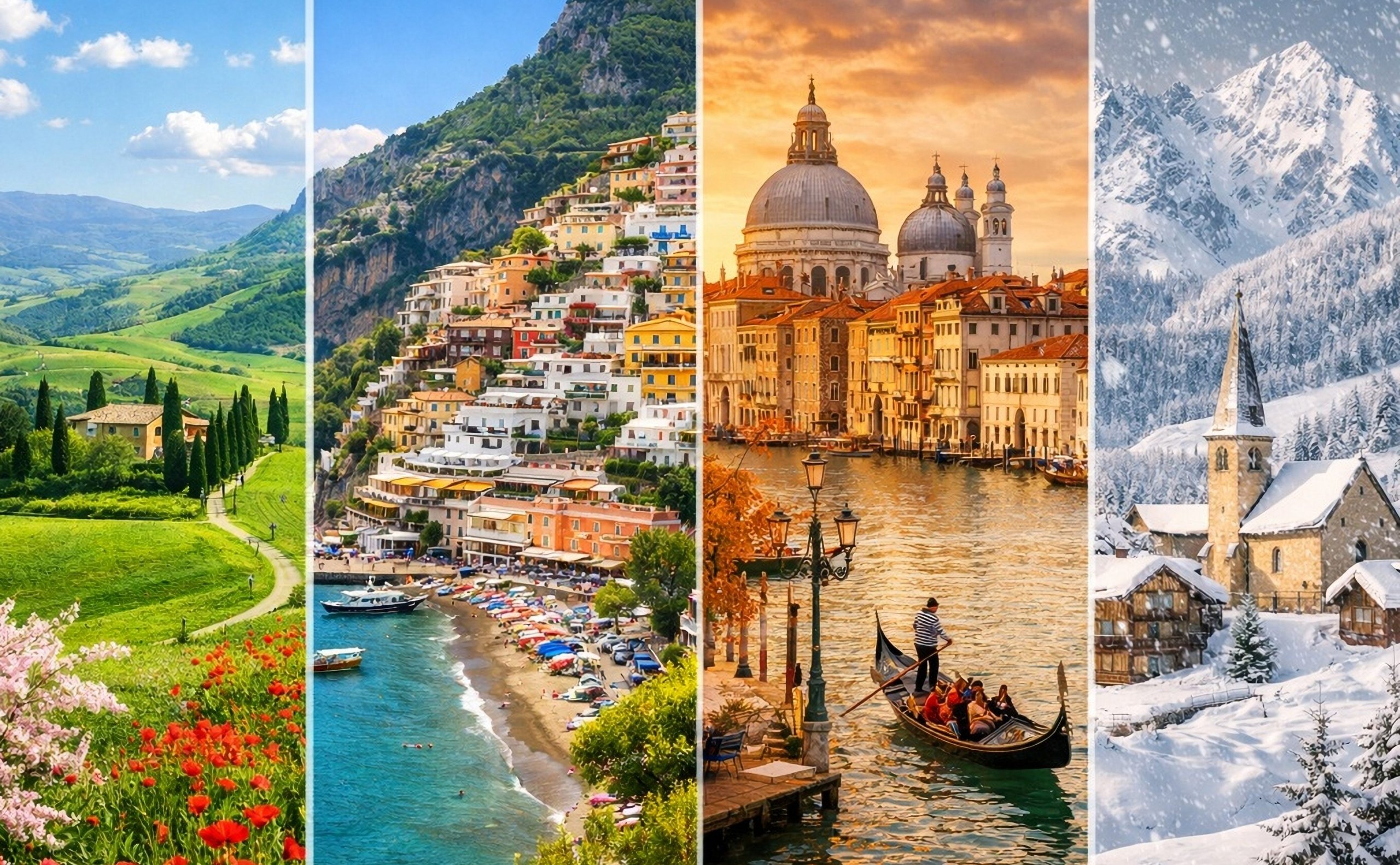

Finding the best places to live in Italy as an expat is about more than choosing the region that looks best on a viewing trip. The harder question is which places still work when you need healthcare, transport, reliable services and a home that suits your budget.
For many overseas buyers, the strongest locations are not always the best-known holiday spots. They’re the areas where property choice, local services, airport access and an established international community make day-to-day life easier.
This guide looks at six strong options for buyers planning a longer stay: Tuscany, Umbria, Lake Como, Puglia, Abruzzo and Sicily. It’s designed to sit alongside our wider guides to buying property in Italy in 2026 and where to buy property in Italy, but with a sharper focus on settling in.
Key takeaway: The best places to live in Italy as an expat are usually areas with good healthcare access, reliable transport, established international residents and enough property choice for your budget. Tuscany and Lake Como suit higher-budget buyers, while Umbria, Abruzzo, Puglia and parts of Sicily can offer better value. Always check visa, tax and healthcare rules before committing.
Contents
What makes the best places to live in Italy as an expat?
The best places to live in Italy as an expat usually share five practical strengths: access, healthcare, services, property choice and community. A beautiful setting helps, of course, but it won’t solve a two-hour drive to appointments or a home that’s difficult to maintain from abroad.
In our experience, many buyers begin with the view from the terrace and then refine their shortlist around day-to-day living. That often means asking: how far is the nearest airport, what happens if I need English-speaking professional support and will this town still work in January?
Italy’s National Health Service requires registration for Italian citizens, foreign residents and people with residence permits, although eligibility and cost can vary depending on your status. That makes healthcare in Italy for expats a practical location factor, not just an admin step.
Non-EU buyers, including many UK and US citizens, should also check residency and visas in Italy before choosing where to buy. Italy’s elective residence visa is aimed at people with sufficient independent income and does not allow employment in Italy, according to the Italian Consulate in London.
Quick comparison of Italy’s expat-friendly areas
These are guide-level indicators, not formal valuations. Property prices vary sharply by commune, condition, coast, renovation level and access. For publication, validate current price ranges against live YOH listings, agent feedback and the Agenzia delle Entrate OMI database.
| Area | Best for | Indicative buyer budget | Nearest useful airports | International community |
|---|---|---|---|---|
| Tuscany | Buyers wanting established services and strong resale appeal | Higher | Florence and Pisa | Very established |
| Umbria | Buyers wanting central Italy with better value than Tuscany | Mid-range | Perugia, Rome and Florence | Established in pockets |
| Lake Como | Higher-budget buyers prioritising access and premium homes | High | Milan Malpensa and Milan Linate | Strong around the lake |
| Puglia | Buyers wanting value, coast and town living | Lower to mid-range | Bari and Brindisi | Growing |
| Abruzzo | Buyers wanting affordability, mountains and coast | Lower to mid-range | Pescara and Rome | Smaller but active |
| Sicily | Buyers wanting value, coast and larger towns | Lower to mid-range | Palermo, Catania and Trapani | Established in key areas |
Italy’s airport network supports these choices well. ENAC lists Milan Malpensa, Rome Fiumicino and Venice as international hub airpoTuscany
Tuscany
Tuscany remains one of the easiest parts of Italy for overseas buyers to understand. It has a long-established international buyer market, strong professional networks and a broad choice of towns, villages and rural homes.
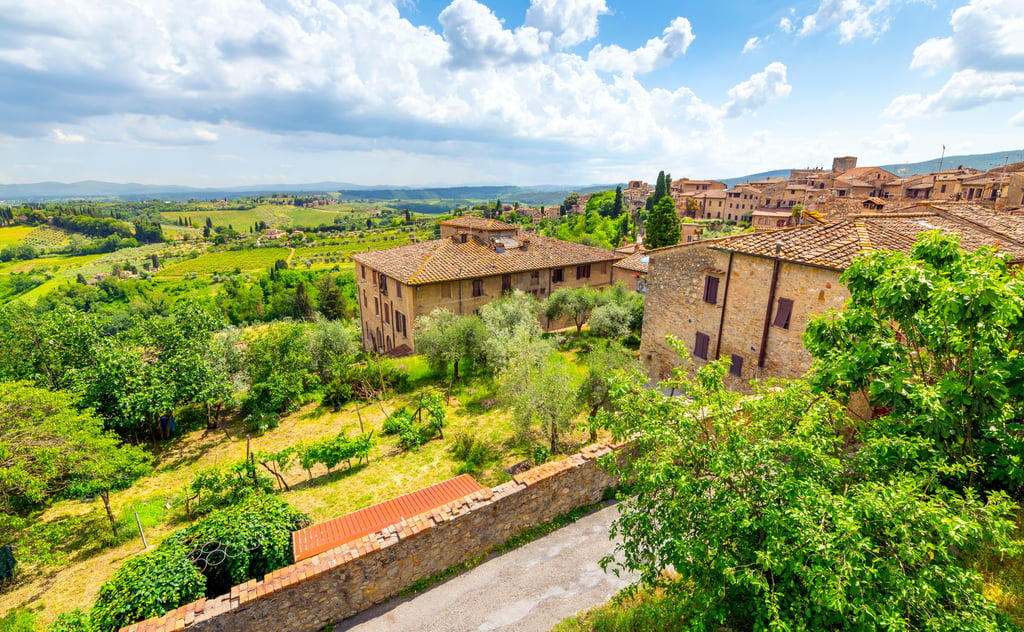
That popularity has a cost. Many buyers find that budgets stretch less far here than in Umbria, Abruzzo or parts of Sicily. Around sought-after towns, renovated homes with land can command a premium, especially where access to Florence, Pisa or Siena is straightforward.
Tuscany suits buyers who value structure. You’re more likely to find English-speaking agents, lawyers, surveyors, property managers and tradespeople used to international clients. That doesn’t remove the need for due diligence, but it can make the buying and settling-in process feel clearer.
For a deeper location angle, read our province-by-province guide to where to buy property in Tuscany. It’s a useful next step if you already know Tuscany is on your shortlist but still need to compare Florence, Lucca, Arezzo, Siena and the coast.
Best fit: buyers with a comfortable budget who want access, services and familiar routes through the buying process.
Watch-outs: higher prices, more competition for renovated homes and some rural properties that need careful checks on access, utilities and maintenance.
Umbria
Umbria is often described as Tuscany’s quieter neighbour, but it deserves its own assessment. It offers central Italy, hill towns, rural houses and access to Rome or Florence, often with more room in the budget.
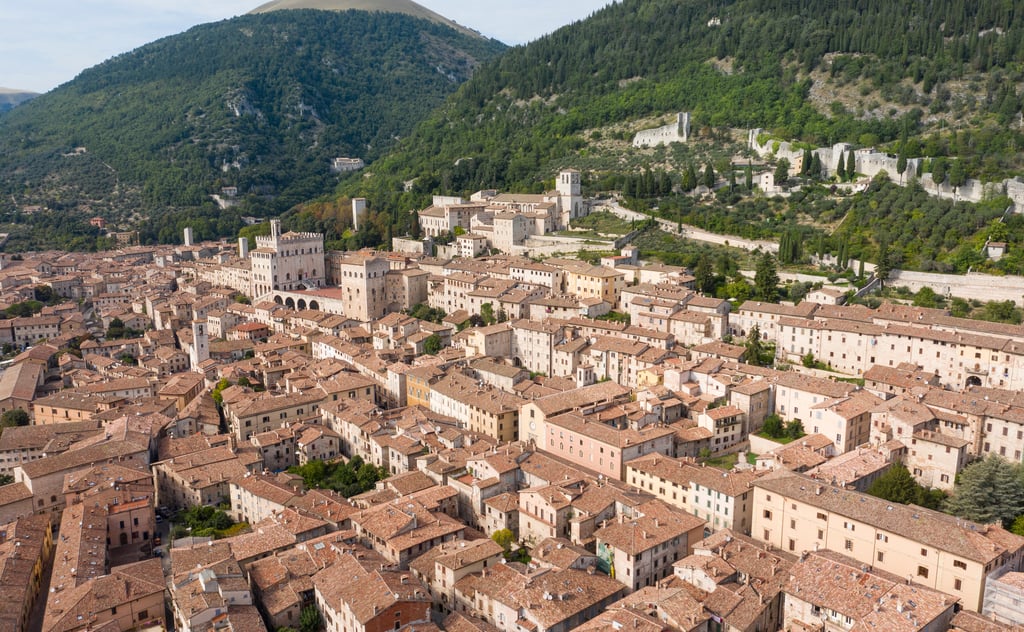
For international residents, the strongest locations tend to be near towns with good services: Perugia, Orvieto, Spoleto, Todi and areas with manageable access to rail or main roads. Perugia airport helps, but flight choice can be more limited than the larger airports serving Tuscany or Lazio.
Many buyers we help choose Umbria because they want a more residential feel than the busiest parts of Tuscany. It can work especially well if you’re planning longer stays, remote work or retirement, provided you’re realistic about transport and healthcare access.
Read more in our guide to buying a property in Umbria. You can also browse properties for sale in Umbria if you want to compare apartments, farmhouses and villas.
Best fit: buyers who like central Italy but want stronger value and less competition than Tuscany.
Watch-outs: rural properties can be isolated, and public transport may not be enough if you don’t plan to drive.
Lake Como
Lake Como is a different proposition. It’s not a value-led choice. It’s an access-led and lifestyle-led choice for buyers with higher budgets who want northern Italy, strong transport links and a premium property market.
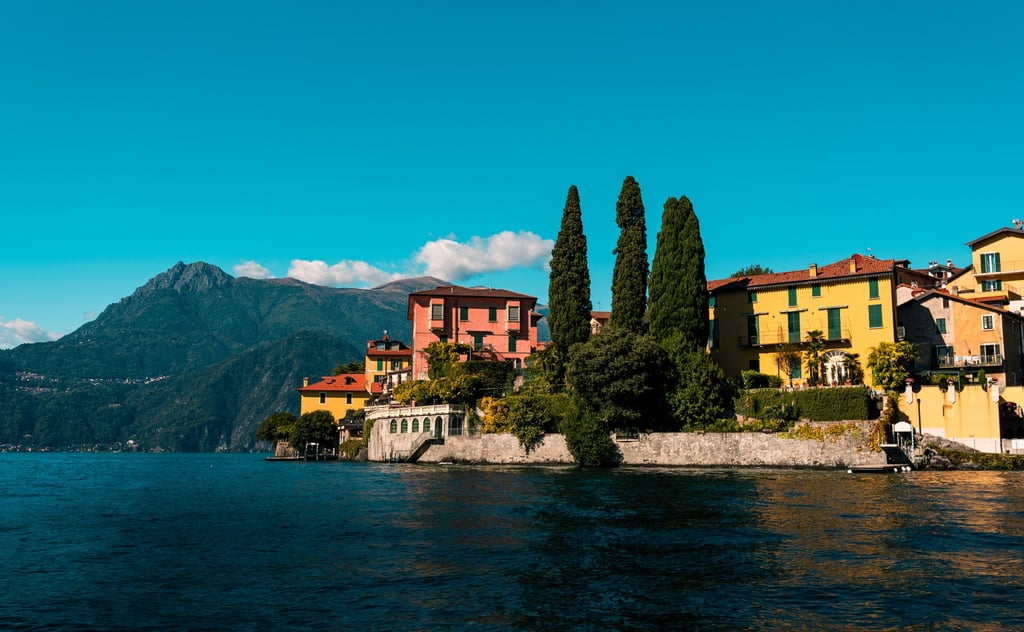
The lake works particularly well for buyers who need frequent travel. Milan Malpensa is listed by ENAC as one of Italy’s international hub airports, and Milan Linate is also part of the national airport network. That matters if you’ll split your time between Italy, the UK, the US or elsewhere.
Property choice varies widely. Apartments in well-connected towns can suit lock-up-and-leave buyers, while larger villas need more planning around maintenance, access, gardens and seasonal management. In our experience, buyers should look carefully at ferry routes, parking and winter practicality before falling for a lakeside view.
Read more in our guide to buying property in Lake Como, especially if you’re comparing lakeside towns, hillside villages and access to Milan.
Best fit: higher-budget buyers who want northern Italy, strong access and a polished second-home market.
Watch-outs: premium prices, limited parking in some towns and higher expectations around management costs.
Puglia
Puglia has become much more visible to international buyers over the past decade. It offers coastal towns, countryside homes, masserie, trulli and city living in places such as Bari, Lecce, Ostuni and Brindisi.
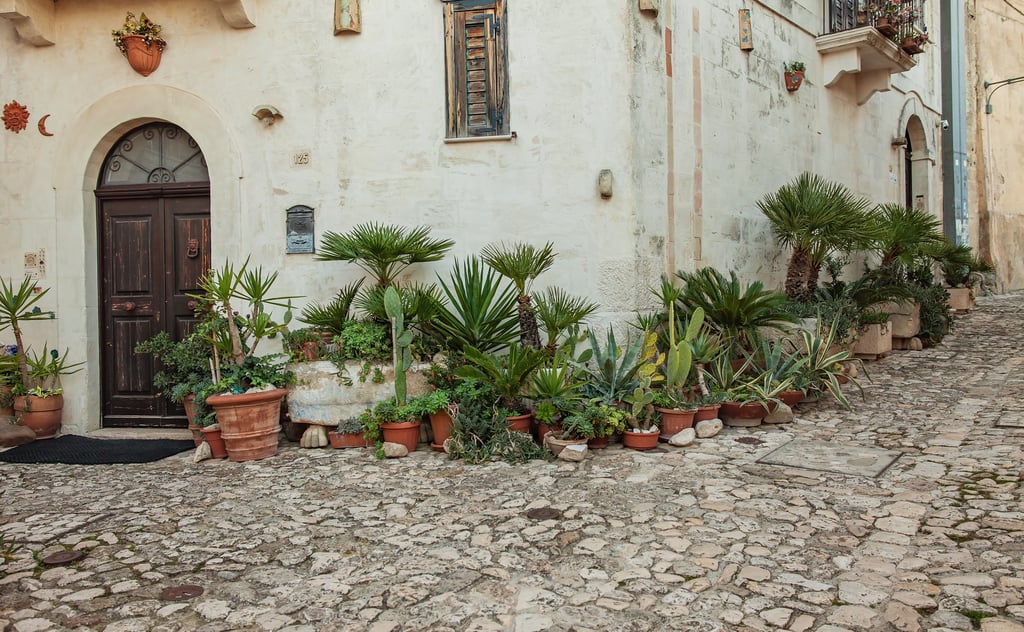
For buyers comparing Italy’s regions by value, Puglia can look attractive. The important point is to separate holiday appeal from year-round practicality. Bari and Lecce offer stronger services, while smaller towns may suit you better if you’re comfortable with Italian-language admin and a slower pace of renovation.
Our partners in Italy often advise buyers to check property condition carefully here. Some older homes need work on insulation, heating, roofing, damp or utility connections. That doesn’t make them poor choices, but it does mean your buying budget should leave room for professional checks and upgrades.
The regional market is active. In Puglia, the regional statistics office summarised Agenzia delle Entrate data showing 43,828 residential purchases in 2024, up 3.3% on 2023. Bari province accounted for almost 16,000 purchases and 36.4% of the regional total.
For a more lifestyle-led overview, read our guide to making Puglia your home. Keep in mind that this should support, rather than replace, your local legal and property checks.
Best fit: buyers seeking coastal access, town living and better value than the best-known central and northern regions.
Watch-outs: renovation costs, summer demand in coastal areas and the need to check winter services in smaller places.
Abruzzo
Abruzzo is one of Italy’s strongest options for buyers who want value without losing access to mountains, national parks and the Adriatic coast. It can work well for retirees and semi-retirees who want space and a lower purchase price than many better-known regions.
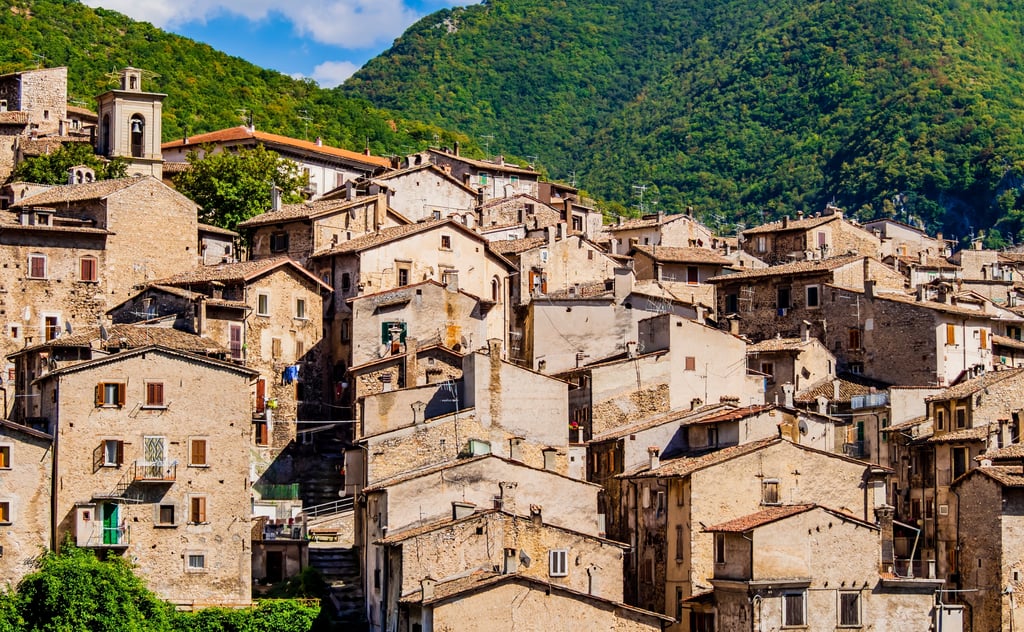
Pescara is the main access point, with Rome also relevant depending on where you buy. The region suits buyers who are comfortable driving and who prefer a local, practical setting over a heavily internationalised market.
Property can still look very affordable compared with Tuscany or Lake Como. But low prices need careful interpretation. A house that looks inexpensive may need structural work, new systems, roof repairs or improvements before it suits year-round living.
Read more in our guide to buying property in Abruzzo and compare current properties for sale in Abruzzo if value is your main filter.
Best fit: buyers prioritising value, space, coast-and-mountain access and a more local feel.
Watch-outs: smaller international communities, variable public transport and older homes needing proper surveys.
Sicily
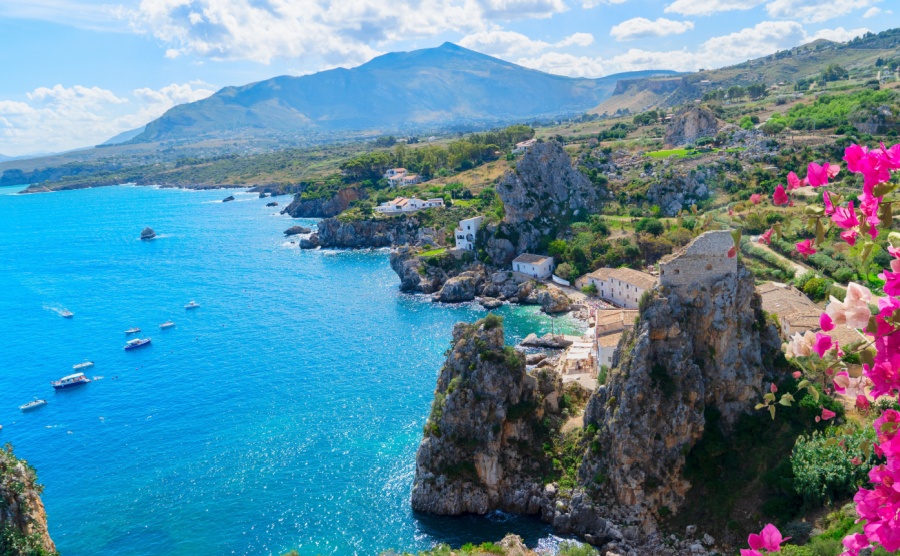
Sicily has strong appeal for buyers who want coast, food, history, warmer winters and a lower entry point than many mainland locations. It also has the advantage of multiple airports, including Palermo, Catania and Trapani, which ENAC lists among Italy’s airports of national interest or strategic importance.
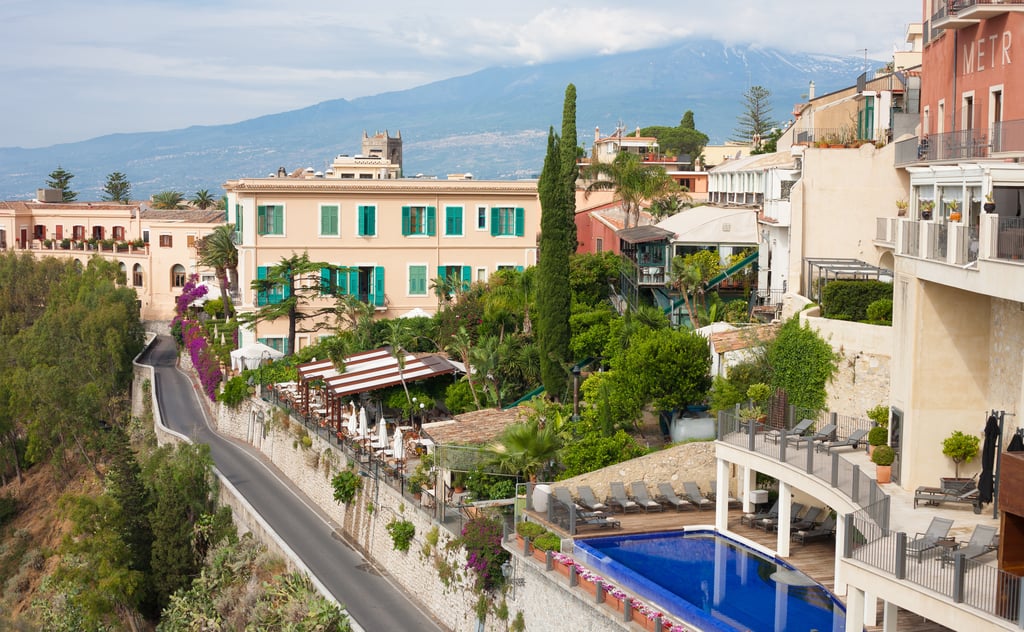
The island is not one market. Palermo, Catania, Taormina, Ortigia, the western coast and inland towns all behave differently. A low-cost inland home and a renovated coastal apartment are very different buying decisions.
Many buyers find Sicily appealing because the budget can stretch further. But it’s worth being disciplined. Check legal title, access, condition, water, drainage, renovation permissions and management options before you commit.
For more detail, read our guide to buying property in Sicily. It covers regional variation, access and property types in more depth.
Best fit: buyers seeking value, island living and a broad choice from city apartments to rural houses.
Watch-outs: local bureaucracy, renovation complexity, summer heat and the practicalities of managing an island property from abroad.
Practical checks before choosing where to live in Italy
Before you settle on an area, narrow your shortlist using practical filters rather than scenery alone.
| Check | Why it matters | What to ask |
| Healthcare | Access varies by town and region | How far is the nearest hospital, GP and specialist clinic? |
| Airport access | Important for split living and family visits | Is the route still practical outside summer? |
| Local services | Day-to-day life depends on them | Are shops, banks, pharmacies and trades open year-round? |
| Property management | Essential for second homes | Who checks the property when you’re away? |
| Residency route | Buying does not automatically give residency | Which visa or permit route applies to you? |
| Running costs | Older homes can cost more to maintain | What are the heating, repair and annual tax implications? |
| Currency planning | Exchange-rate movement affects your real budget | When do you need euros and how will you protect the rate? |
For non-EU buyers, property ownership and residency are separate issues. Italy’s elective residence visa is designed for people who can support themselves without working in Italy, so speak to a qualified immigration specialist before assuming it suits your plans.
It’s also worth planning your currency transfers early. If your deposit, completion payment or renovation budget is in euros but your savings or pension are in pounds or dollars, exchange-rate movement can change your real buying power. Smart Currency Exchange explains the currency essentials of buying property overseas, including how staged payments and forward contracts can fit into a purchase timeline.
If you’re drawn to older homes in Umbria, Abruzzo, Sicily or Puglia, build in time for technical due diligence. Our guide to essential property checks before buying in Italy explains why survey-style checks, structural reviews and local compliance questions matter before you sign.
What should I do next?
Start by choosing your top two or three regions, then test them against practical life rather than holiday impressions.
Spend time in each area outside peak season if you can. Visit local supermarkets, hospitals, train stations and town halls. Ask agents about heating, internet, property management and year-round access, not just the property itself.
Then:
- Browse Italy properties for sale to compare live budgets.
- Read our guide to buying property in Italy in 2026.
- Check residency and visas in Italy before making long-stay plans.
- Speak to an Italy property expert if you’re choosing between regions.
- Talk to Smart Currency Exchange before setting your euro budget.
Summary
The best places to live in Italy as an expat depend on budget, access and how you want daily life to work. Tuscany is practical and well served, but prices are higher. Umbria offers central Italy with stronger value. Lake Como suits higher-budget buyers who need strong northern access. Puglia, Abruzzo and Sicily can offer better value, but require careful checks on services, access and property condition. Before buying, confirm your residency route, healthcare position, local services and currency plan.
Frequently asked questions
Many international residents choose Tuscany, Umbria, Lake Como, Rome, Milan, Puglia, Abruzzo and Sicily. The right choice depends on your budget, language confidence, healthcare needs and travel patterns. Buyers who want established support often start with Tuscany or Lake Como, while value-led buyers may look at Abruzzo, Puglia or Sicily.
For retirement, many buyers prioritise healthcare access, walkable towns, year-round services and airport routes. Tuscany and Umbria suit buyers wanting central Italy, while Abruzzo and Puglia may suit those seeking better value. Sicily can work well too, especially near larger towns, but you’ll need to check summer heat, healthcare access and property management.
Buying a property in Italy does not automatically give you the right to live there full-time. Non-EU buyers usually need a visa or residence permit if they plan to stay beyond Schengen limits. Italy’s elective residence visa may suit some financially independent applicants, but it does not allow work in Italy.
Tuscany is usually easier for buyers who want established international services, stronger resale appeal and more English-speaking professional support. Umbria can offer better value and a more local setting, while still giving access to central Italy. The best choice depends on whether you value convenience, budget or a quieter base more.
Southern Italy can be very good for international buyers, especially if value is a priority. Puglia, Abruzzo and Sicily all offer opportunities, but buyers should check property condition, local services, healthcare access and winter transport carefully. A lower purchase price can still lead to higher renovation or maintenance costs if the home needs work.
It depends on your residency status and personal circumstances. Italy’s National Health Service provides access to residents and people with residence permits, but eligibility, registration route and any contributions can vary. Many buyers arrange private cover during the visa stage or while their residency and healthcare registration are being processed.
Sources
- Italian Consulate General in London – elective residence visa requirements: https://conslondra.esteri.it/en/servizi-consolari-e-visti/servizi-per-il-cittadino-straniero/visti/elective-residence/
- Sanità per Stranieri – healthcare services and National Health Service registration: https://www.sanitaperstranieri.it/en/healthcare-services
- ENAC – Italian airports, strategic airports and airports of national interest: https://www.enac.gov.it/aeroporti/infrastrutture-aeroportuali/aeroporti-in-italia
- Regione Puglia summary of Agenzia delle Entrate OMI regional residential market data, 2025: https://www.regione.puglia.it/web/ufficio-statistico/-/agenzia-delle-entrate.-osservatorio-del-mercato-immobiliare.-rapporto-sulle-statistiche-regionali-2025
- ISTAT – demographic indicators and resident population archive: https://www.istat.it/en/archivio/population%2Bregister