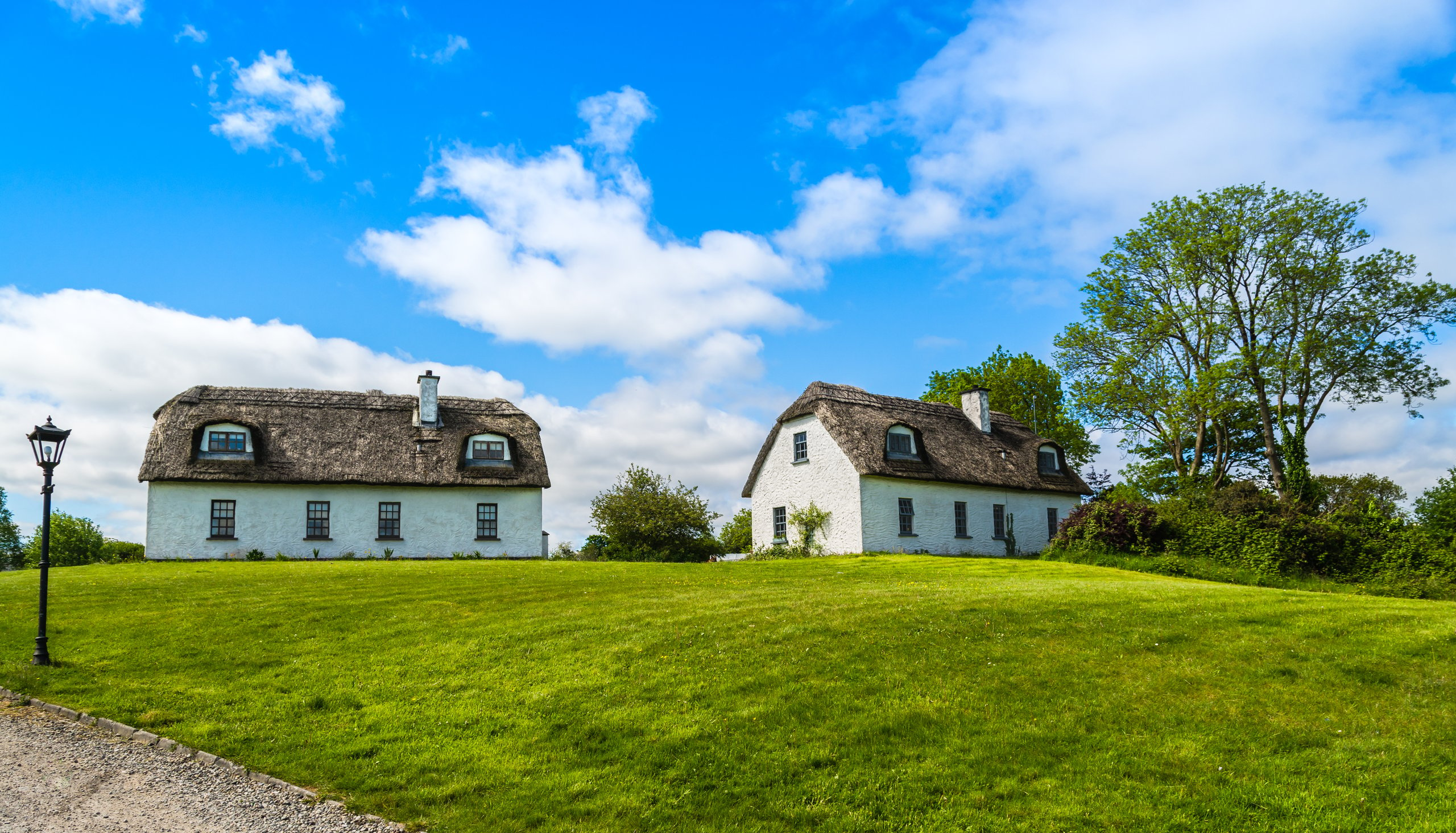
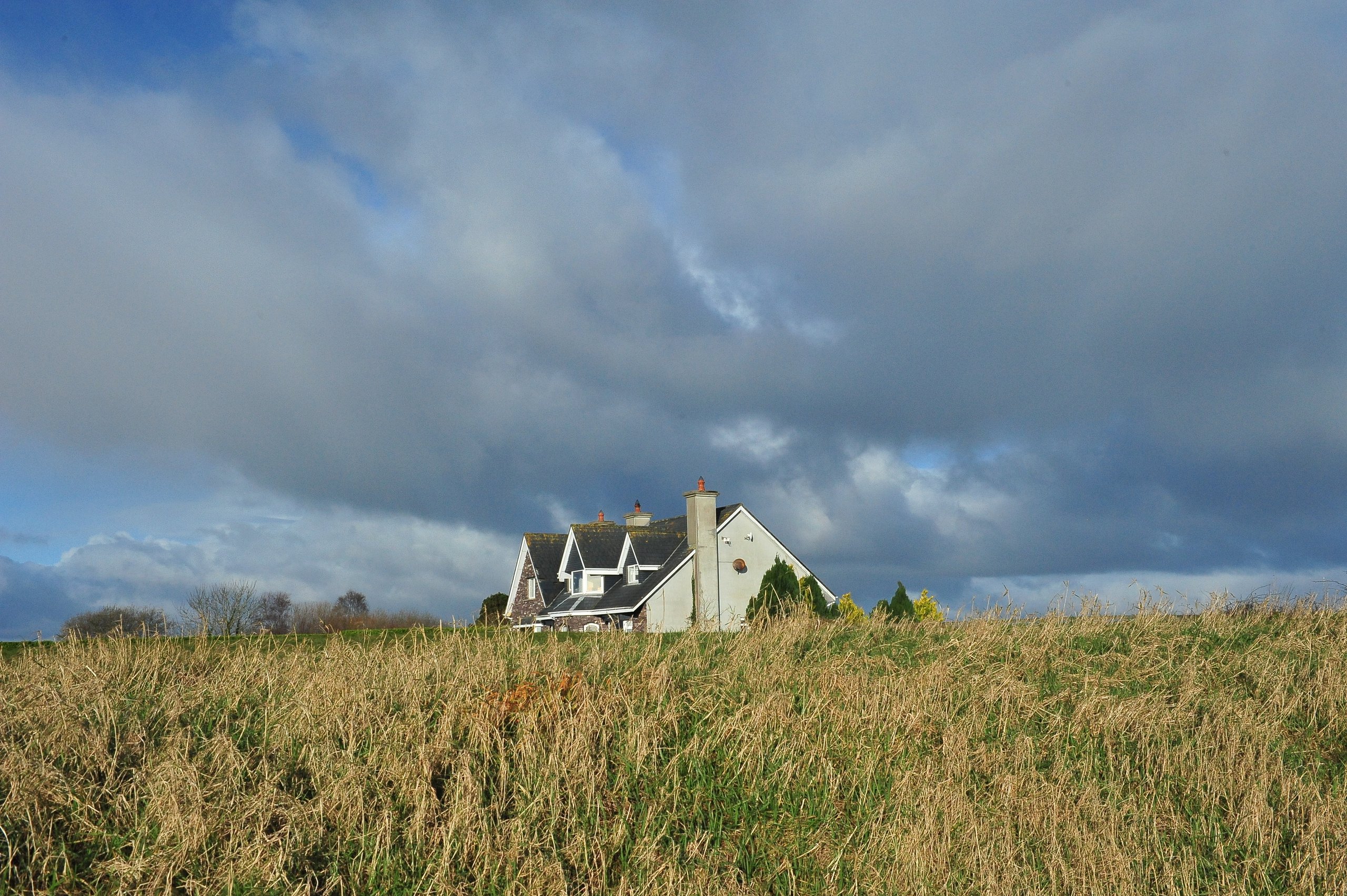



A sunny June afternoon shows an Irish cottage at its best – long evenings, dry lanes and a garden in full growth. But if you’re viewing property in Ireland, a grey November day may tell you far more about owning it.
Ireland’s wettest weather arrives in late autumn and winter. A viewing now tests a house in the conditions it faces for much of the year. It’s a useful time to spot damp, poor drainage and homes that are hard to heat – before they become your problem.
Key takeaway: A winter viewing shows how an Irish property copes with rain, wind and cold. It’s especially useful if you’re considering an older cottage, a coastal home or a rural house. One visit can’t diagnose hidden faults, so it doesn’t replace a survey. Key points: look for damp and pooling water, read the BER certificate and advisory report, and book an independent survey before you commit.
Free Viewing Trip Guide
Viewing properties abroad?
Plan your trip, compare homes and know what to ask with our free overseas Viewing Trip Guide.
Why winter is a useful time for viewing property in Ireland
Met Éireann’s long-term records show the wettest months in most of the country fall in winter, typically December and January. Recent autumns have been wet too. November 2025 was the fifth wettest November in 85 years of records. National rainfall reached 136% of the long-term average.
Heavy rain tests roofs, gutters and drainage in a way a dry day can’t. Shorter days show how much natural light reaches the main rooms, and cooler temperatures reveal whether the heating really works. In our experience, buyers who view in the colder months ask sharper questions.
Five things to look for during a winter viewing
| What to check | What a winter viewing can reveal |
|---|---|
| Damp | Musty smells, black mould in corners, peeling paint or tide marks low on walls |
| Drainage | Water pooling against the walls, overflowing gutters or a waterlogged garden |
| Heating | How long the house takes to warm up and whether every room heats evenly |
| Insulation | Cold walls, draughts round windows and doors, and condensation on the glass |
| Access | Whether the lane or boreen (a narrow country road) is passable after heavy rain |
Many buyers ask the seller to leave the heating off until they arrive. That way, you can see how quickly the house warms. Recent winter energy bills are worth asking for too.
Understanding Ireland’s energy ratings
Every home offered for sale or rent in Ireland must have a valid Building Energy Rating (BER). The rating has to appear in the advert. Ratings run from A1, the most efficient, down to G. A BER is valid for up to 10 years.
You can check a property on the SEAI National BER Register. Use the BER number from the advert or the MPRN, the 11-digit meter number on an electricity bill. The advisory report that comes with the certificate is often more useful than the rating. It lists the upgrades that would improve it. For BERs published before 6 July 2021, you’ll need the MPRN to download that report.
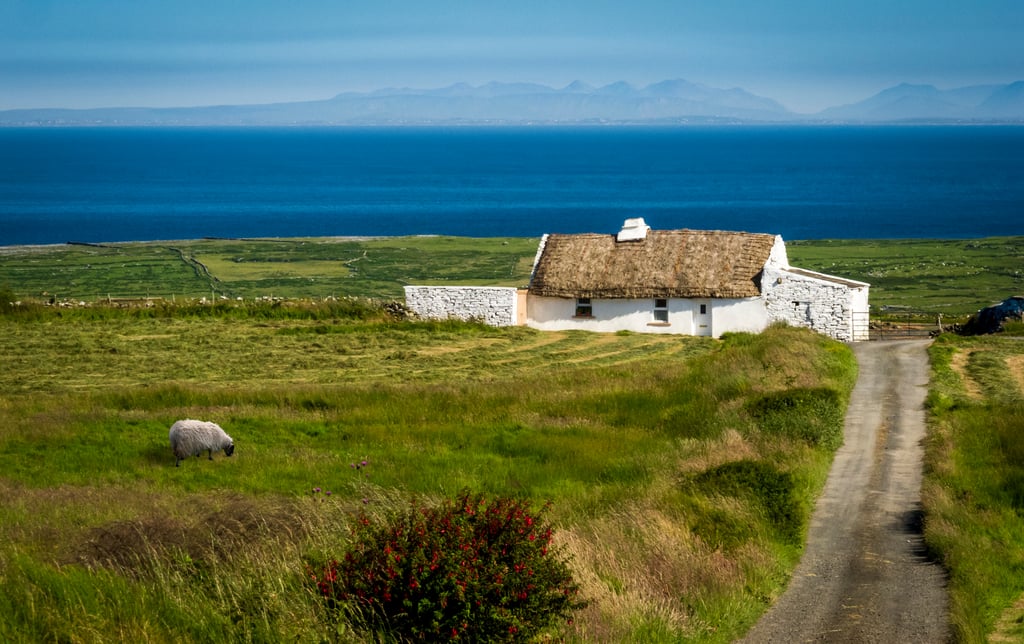
Buying an older Irish cottage?
An E, F or G rating on a stone cottage is common, and it doesn’t rule the house out. But it does mean the asking price isn’t the full price. Insulation, new windows, roof repairs and a heat pump can add a significant sum.
Before committing, many buyers look into:
- how the walls were built and whether there’s a damp-proof course
- the age and condition of the roof, chimneys and any thatch
- the septic tank or private well, both common in rural homes
- whether the building is a protected structure, which limits what you can change
Support may be available. Our guide to the grant for renovating vacant and derelict homes in Ireland explains who qualifies. If the costs don’t add up, buying land to build in Ireland may be worth comparing.
Don’t rely on appearances alone
A winter viewing sharpens your questions, but it can’t answer them all. Fresh paint can hide damp, and a dry week can make a wet site look fine. Many buyers commission a pre-purchase survey from a chartered surveyor. Look for one registered with the Society of Chartered Surveyors Ireland (SCSI).
Check flood risk too. The Office of Public Works publishes flood maps for past and predicted flooding. They cover communities rather than individual homes. Ask the seller and your solicitor about any past flooding, and confirm you can get insurance before you sign.
Two-thirds of owners in our 2026 buyer survey bought after two viewing trips or fewer. So it pays to make each visit count.
Free Ireland Buying Guide
Buying property in Ireland?
Get practical guidance on the buying process, costs and legal checks with our free Ireland Buying Guide.
What should I do next?
- Download our free Ireland buying guide for the full process, from choosing a solicitor to closing.
- Narrow your search with our guide to where to buy in Ireland for the best weather.
- If you’re budgeting for renovation work in euros, read Currency Transfer and Property Purchases Explained to see how exchange rates affect your final cost.
- Arrange an independent survey before you sign anything binding.
Sources
- Met Éireann – Climate statement for November 2025
- Sustainable Energy Authority of Ireland – Find a BER and download the advisory report
- Sustainable Energy Authority of Ireland – BER sales and rental advertising guidelines
- Office of Public Works – Flood maps
- Society of Chartered Surveyors Ireland – Guide to flooding
- Your Overseas Home Annual Buyer Survey 2026 – 78 of 117 respondents who had already bought overseas property took no more than two viewing trips. Fieldwork 16 June to 6 September 2026. Not specific to Ireland.