
Oscar Wilde called Connemara a place of “savage beauty” – and that description still holds. Here’s why so many people who visit end up wondering what it would be like to stay.
Connemara sits on the Atlantic coast of County Galway in the west of Ireland – a region of mountains, bog, coastline and lakes that looks unlike anywhere else in the country. If you’re considering buying a home in Ireland and want space, natural beauty and a genuinely Irish way of life rather than an expat enclave, this guide covers what life here is actually like, what the property market looks like and what you need to know before you buy.
Download the Ireland Buying Guide
Contents
The landscape that drew Oscar Wilde
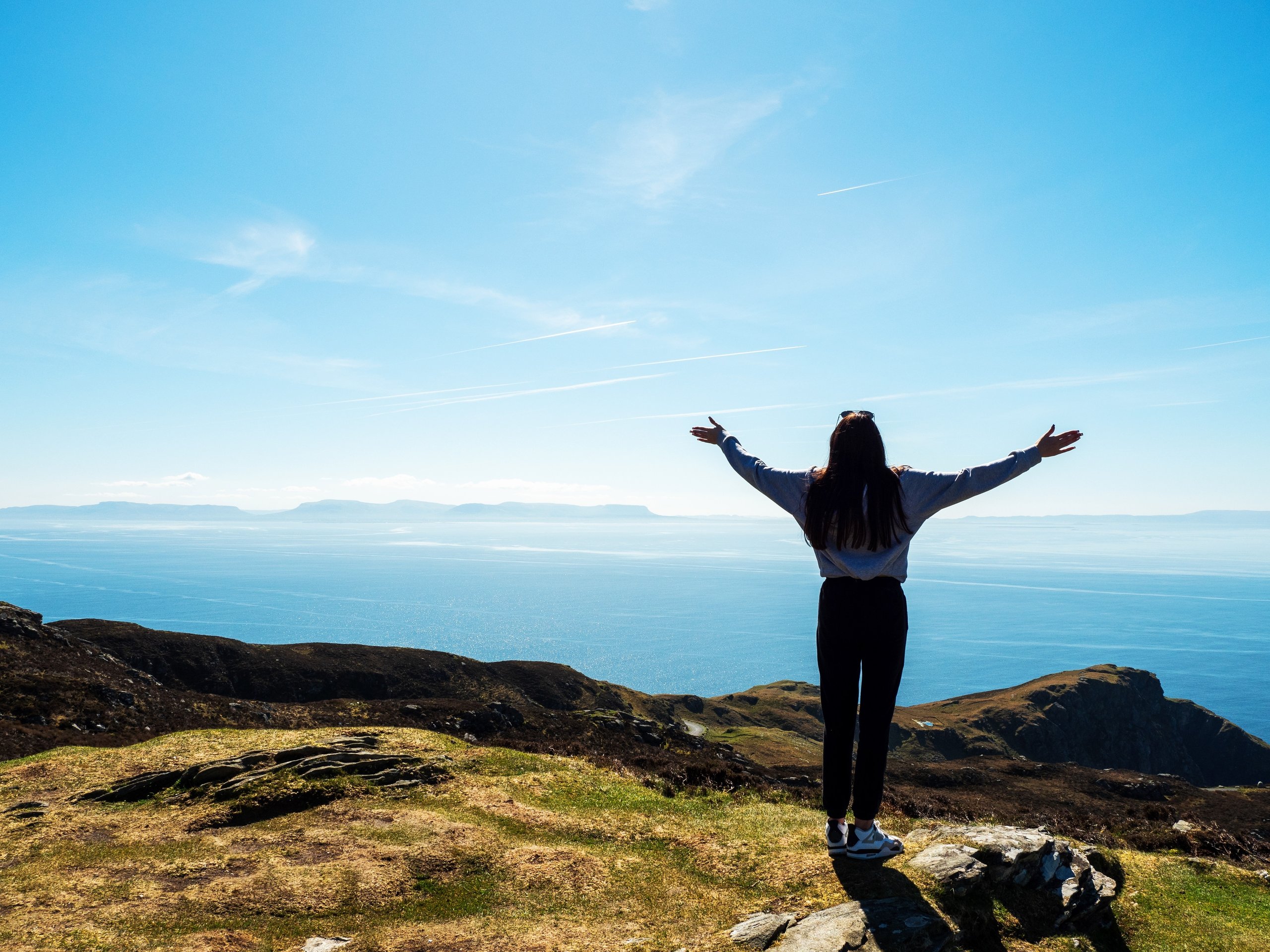
Connemara’s appeal is rooted in what’s outside the door. The terrain here is extraordinary – mountains rolling down to the Atlantic, vast blanket bogs stretching in every direction, dozens of lakes and rivers, and a coastline that feels genuinely wild. It doesn’t look like anywhere else in Ireland, and that’s exactly why people fall for it.
On days when you want to go deeper into the landscape, Connemara National Park gives you 2,000 hectares to explore. The park takes in some of the region’s finest peaks – Benbaun, Bencullagh, Benbrack and Muckanaght – and has active conservation projects focused on rare arctic and European plants, including the lesser twayblade and roseroot. It’s also where you’re most likely to spot the Connemara pony, a hardy, sure-footed breed native to the area.
Walking and hiking
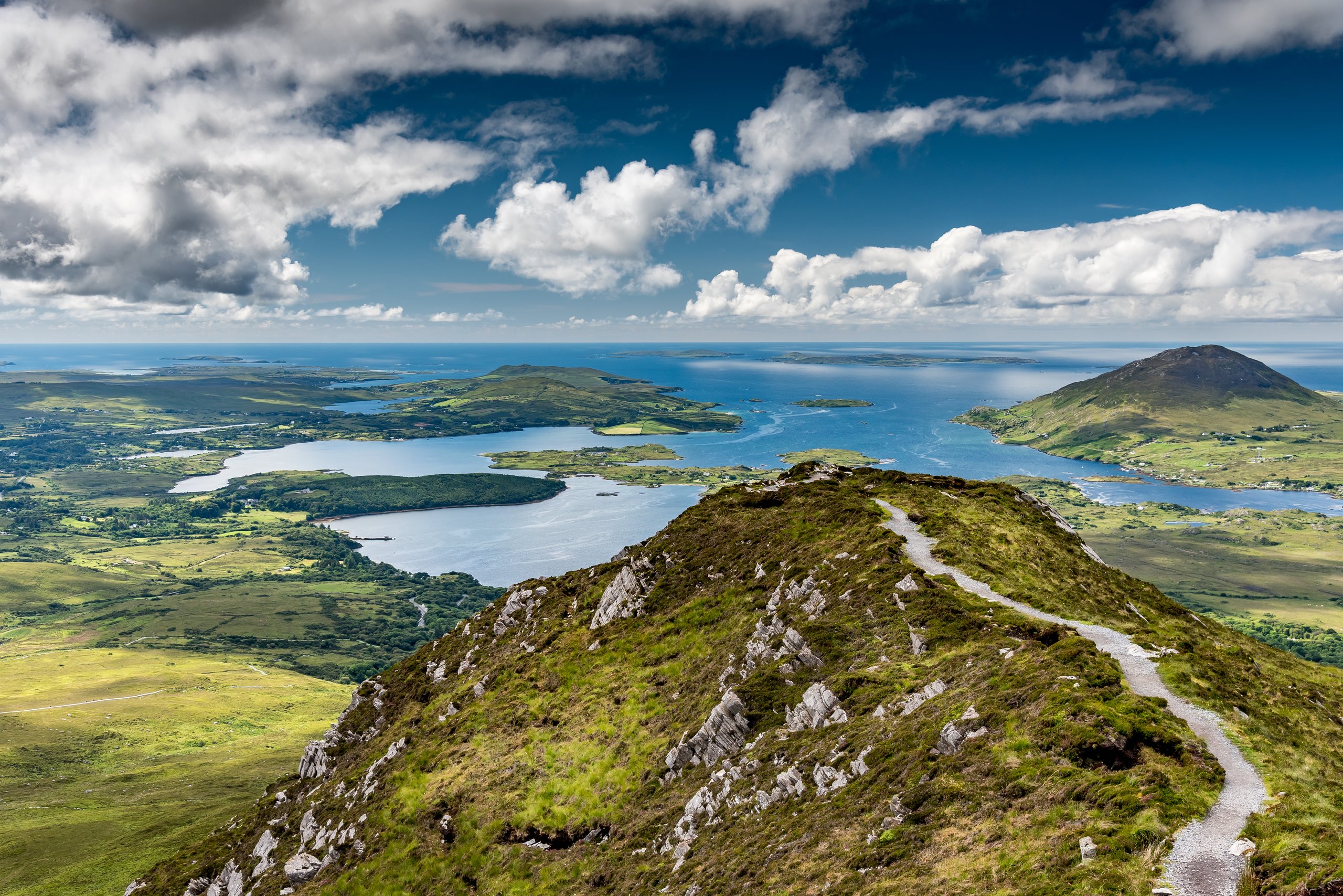
Connemara is serious walking country. The Diamond Hill Trail, within the National Park, is a popular choice that rewards you with views across the bay. For something more demanding, the Twelve Bens – a compact range of quartzite peaks at the heart of Connemara – offer a full-day challenge, with Benbaun the highest of the group at 729 metres. And for something genuinely unusual, the trails on Omey Island are only accessible at low tide, so timing your walk becomes part of the adventure.
The paths here tend to be quieter than those in more tourism-heavy parts of Ireland, which is part of the appeal. Early mornings especially – when the light is low and the landscape has barely woken up – are something you have to experience to understand.
The beaches
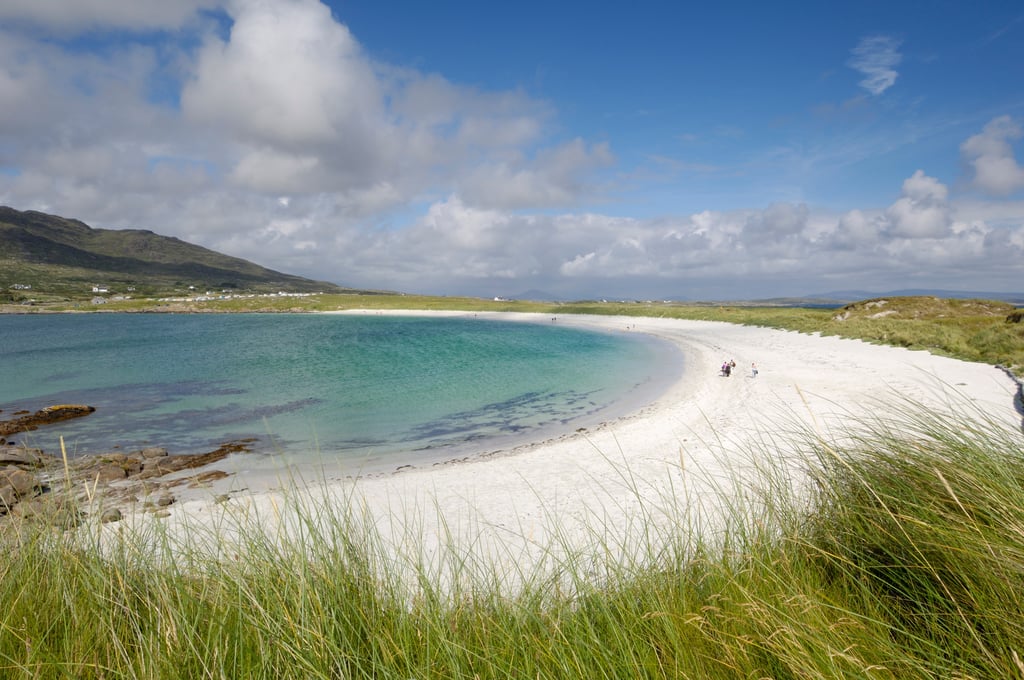
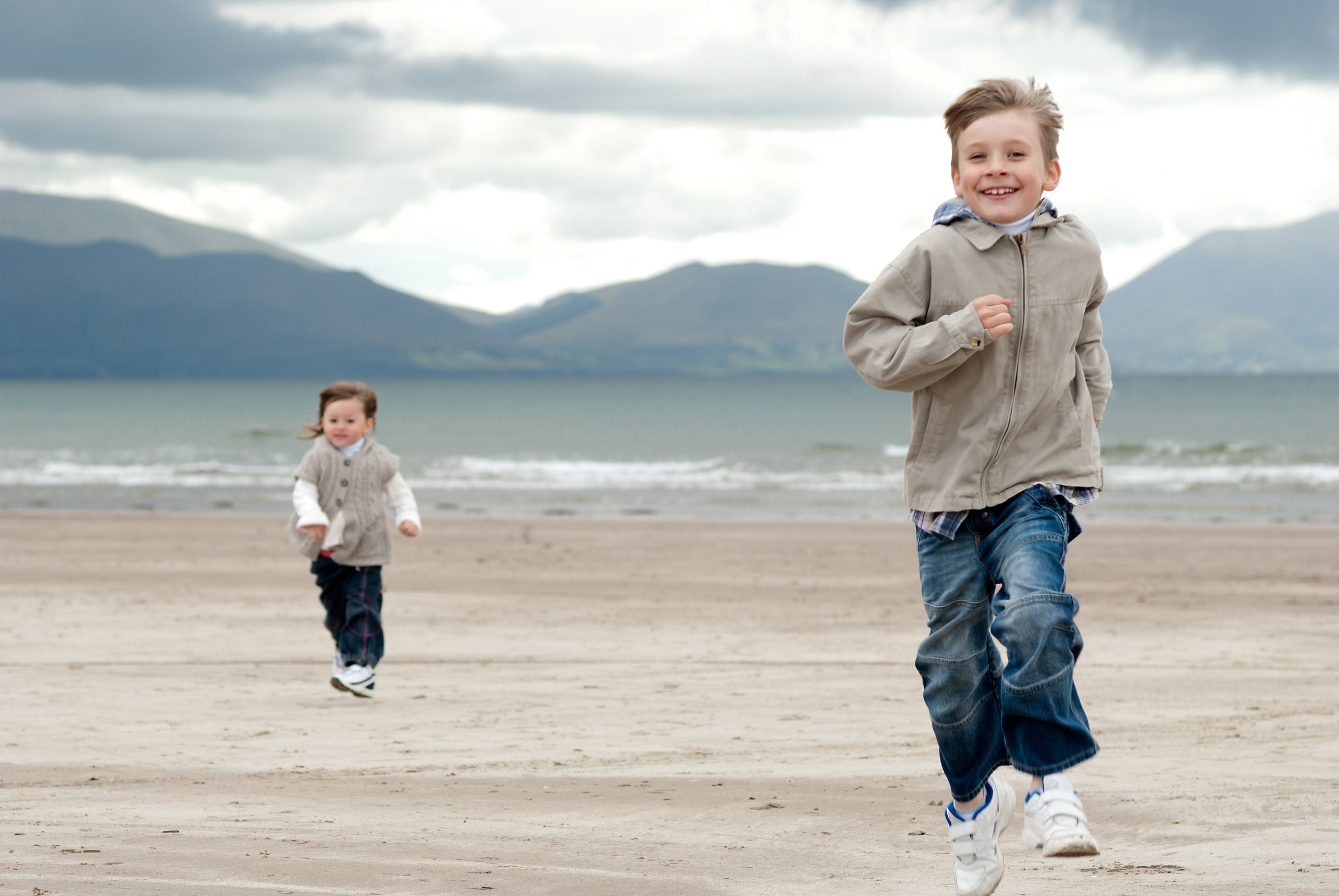
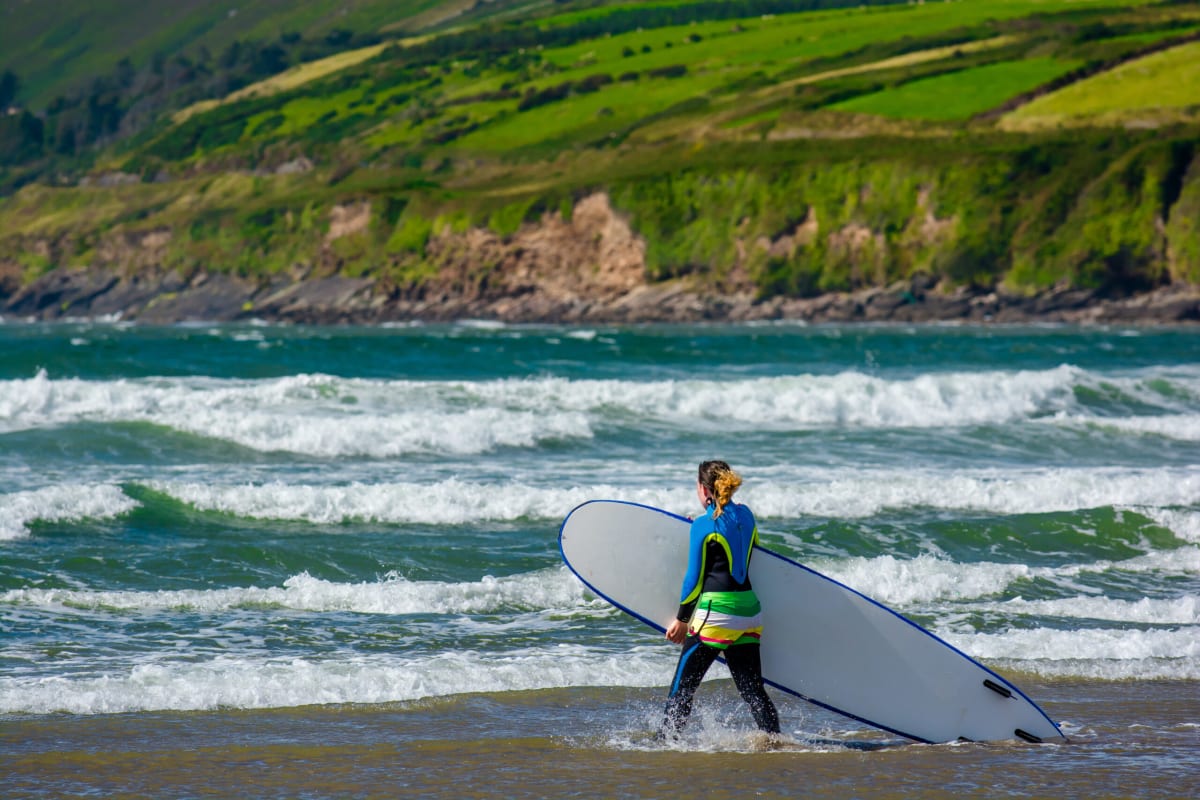
Connemara’s beaches are not the kind built for sunbathing – the Atlantic sees to that – but they are striking in a way that warmer, busier shores rarely are. Dog’s Bay is one of the most interesting: its bright white sand is made up of ground seashell fragments, giving it a texture and colour that’s completely its own. Glassilaun offers a different kind of drama, with Mweelrea looming behind you and small islands dotting the sea ahead.
Trá an Dóilín – known locally as the Coral Strand – is something else entirely. Its “sand” is actually maërl, a coralline algae that gives the beach its distinctive crushed white and pink appearance. It’s one of very few coral beaches in Ireland, and geologically quite unlike anything you’ll find elsewhere. It also holds a Blue Flag rating and has lifeguards in summer.
The food and the pubs
If you like seafood, you’re in the right place. The Connemara Smokehouse, sitting right on Bunowen Pier at the western edge of the region, produces traditionally-smoked Atlantic fish – its mackerel, tuna and organic salmon have a reputation that draws visitors from far beyond the county. Even a visit to the Smokehouse itself is worth the journey. Nearby, Duncastle Oysters are another firm local favourite.
When the evening draws in, Connemara’s pubs come into their own. Lowry’s Music & Bar has won the title of best traditional bar three times, offers live music seven nights a week and stocks what’s claimed to be Ireland’s largest selection of premium whiskey and gin. In the village of Roundstone, the Shamrock Bar has an open peat fire and the kind of unhurried atmosphere that’s becoming increasingly rare.
A living Irish language
Connemara is part of Ireland’s Gaeltacht – the areas where Irish is spoken as the community language day to day. It’s the second-largest Gaeltacht region in the country. In practice, that means you’ll hear Irish on the street, see road signs in both languages and find that locals move easily between Irish and English in the same conversation. For anyone interested in Irish culture and history, living here puts you at the heart of it.
Kylemore Abbey
Built in the 1860s and now home to a community of Benedictine nuns, Kylemore Abbey is one of Connemara’s most visited landmarks – and for good reason. The 1,000-acre estate sits against the Twelve Bens mountains and includes walking trails, a beautifully restored Victorian walled garden, a garden teahouse and regular history talks. It’s the kind of place you’ll want to take every visitor to, and one you’ll keep returning to yourself.
Community and festivals
Life in Connemara isn’t only about the landscape. The calendar has a strong social thread running through it. The Connemara Mountain Walking Festival takes place over the May bank holiday weekend, bringing together walkers of all abilities. The Letterfrack Poetry Trail offers something more reflective. And Halloween brings the Spooky Treasure Hunt, which has become a local favourite for families.
These events are genuinely good places to meet neighbours and build connections – something that matters more than most people realise when making the move to a new community.
Getting there and getting around
Connemara has its own small regional airport, primarily serving flights to the Aran Islands via Aer Arann Islands. For international travel, most people fly into Shannon or Dublin and complete the journey by road or bus. Connemara is around an hour from Galway City by car, with bus services also running the route. Dublin is roughly a three-hour drive.
It’s worth being clear: this is a rural area, and a car is more or less essential for daily life. That’s a trade-off most buyers make knowingly – the space and quiet are part of why they’re here.
The property market
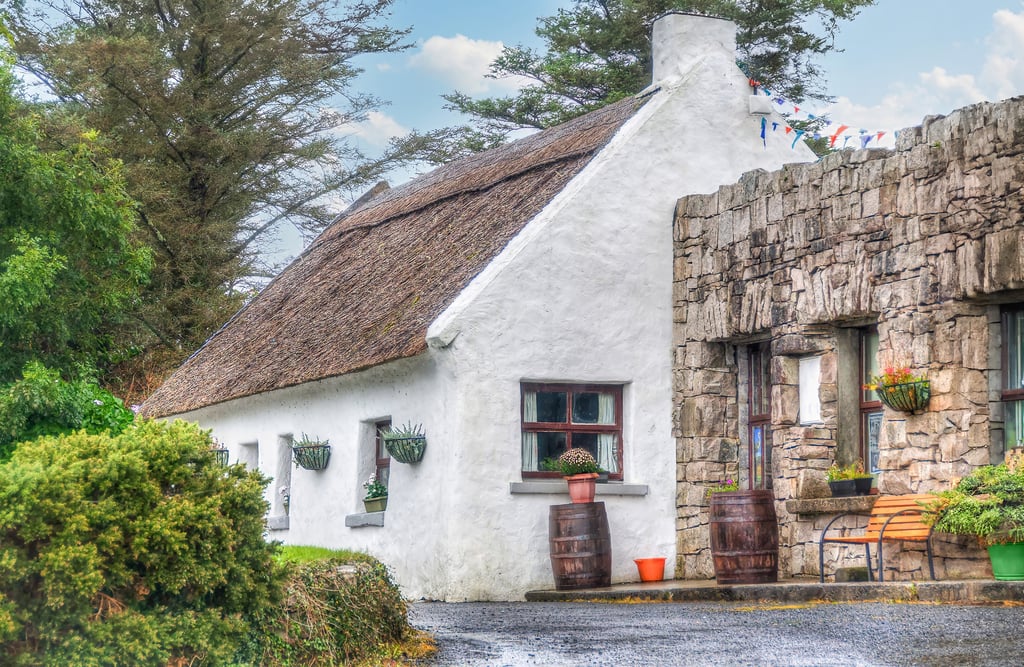
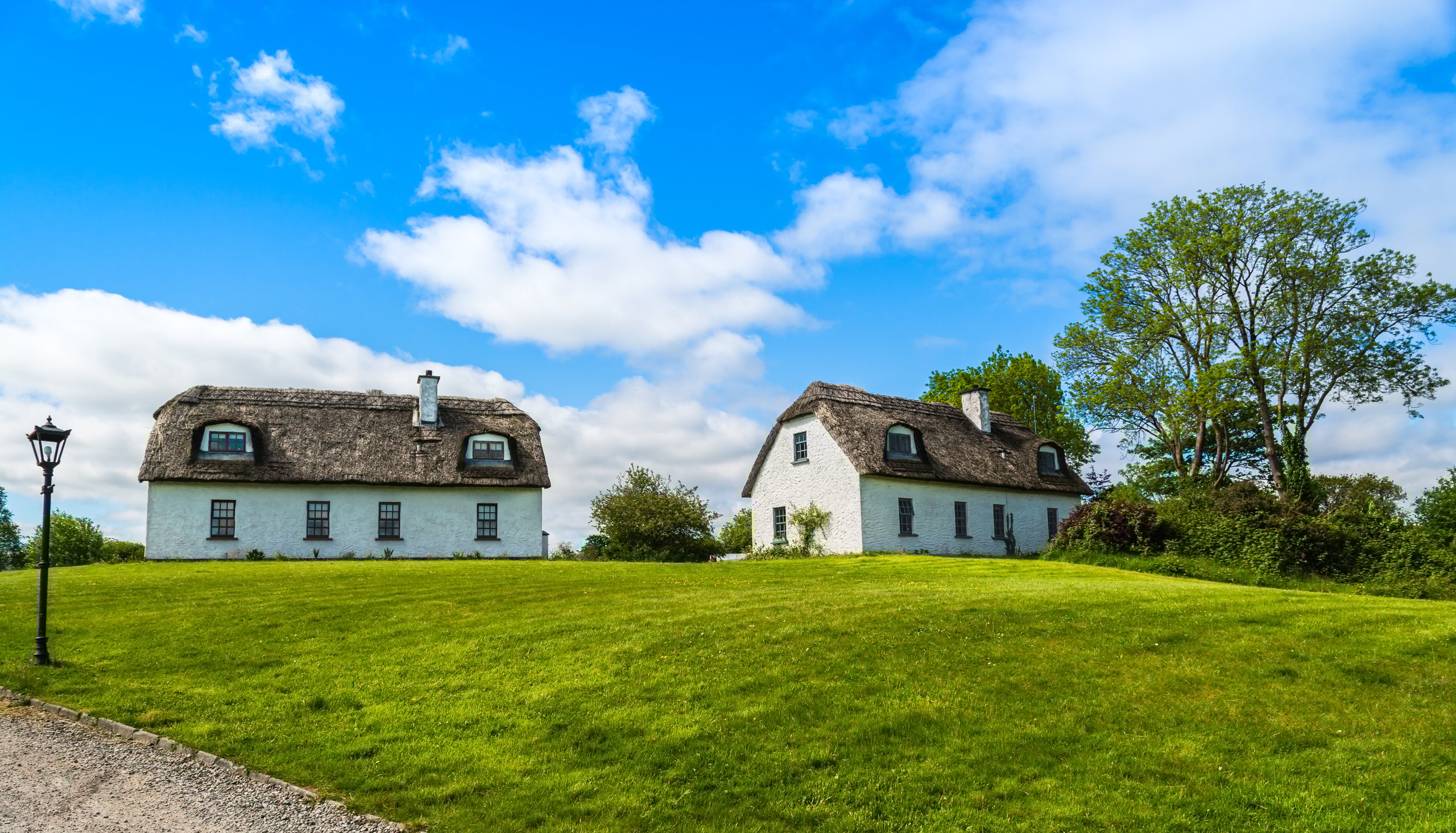
Connemara’s property market is modest in scale but has seen meaningful price growth in recent years. The mix of properties on offer is what you’d expect from a largely rural Irish region – traditional stone cottages, newer detached homes, and the occasional plot of land for those who want to build from scratch.
Entry-level homes start at accessible prices relative to much of Ireland, though values have risen steadily since 2023. A two-bedroom home is typically available from the low-to-mid €200,000s, while four-bedroom properties are generally priced from the upper €200,000s upwards – with some coastal properties selling at a significant premium.
One thing to factor in early if you’re considering a self-build or rural site: planning rules in Connemara can be restrictive, particularly in Gaeltacht areas. Local planning advice from a solicitor familiar with the area is worth getting before you commit to a site.
If you’re thinking about buying in Ireland and need to transfer funds from the UK, protecting your budget against currency fluctuations is worth planning early. Our partner, Smart Currency Exchange, can help you understand your options and lock in a rate so you know exactly what your money will buy.