

When deciding where to buy in Greece, think carefully about how you plan to use your home, as this will shape everything from location and budget to long-term value. This guide explores where your budget stretches further, where rental demand is strongest and which locations suit how you actually plan to use your home.
If you’ve spent time travelling around Greece, you’ll already know how different each region feels once you step beyond the guidebook highlights. Choosing where to buy isn’t just about scenery – it’s about access, year-round life, rental potential and how often you’ll realistically use the property. This guide helps you narrow down your options.
Download the Greece Buying Guide
Contents
- Best places to buy property in Greece for lifestyle and investment
- Buying property in Athens
- Thessaloniki for year-round living
- Crete for flexibility and long stays
- The Peloponnese for value and space
- Ionian islands for rental demand
- Cyclades for high-end investment
- Sporades for a quieter island option
- Why year-round communities matter
- Final thoughts on choosing the right location
- FAQs about buying property in Greece
Best places to buy property in Greece for lifestyle and investment
Before narrowing down locations, it helps to be clear on your priority. If you want rental income, you’ll lean towards well-connected resorts. If you’re buying for long stays or retirement, daily life matters more than proximity to beaches. And if you’re planning regular off-season visits, access becomes a deciding factor.
In general, you’ll notice three clear patterns across Greece:
- Prices rise sharply in areas with strong tourism and international access
- Inland or less-developed regions offer significantly more space for your money
- Year-round communities tend to hold value better over time
Buying property in Athens
Athens continues to attract buyers who want a base that works in every season. You’re not relying on tourism infrastructure – everything runs year-round, from healthcare to transport.
Property prices in Athens have continued to rise across the city, with the southern suburbs remaining the most expensive and the centre seeing strong growth due to regeneration and rental demand.
What this means for you in practice:
- Entry-level apartments still exist, but competition is strong
- Central areas suit short-term lets but can be noisy
- Coastal suburbs offer a better balance for personal use
Neighbourhood choice matters more here than anywhere else in Greece. Kolonaki and Glyfada attract higher budgets, while areas like Koukaki and Neos Kosmos remain popular with international buyers thanks to their walkability and long-standing rental demand, although recent restrictions on new short-term lets in central districts are starting to shape investor decisions.
Thessaloniki for year-round living
If Athens feels too intense, Thessaloniki offers a more manageable pace without sacrificing city life.
Prices remain lower than Athens overall, although growth has been strong in recent years.
What stands out:
- Strong local economy and student population support rental demand
- Easier access to northern Greece and nearby coastal regions
- Better value in suburban areas, especially outside the eastern districts
If you’re thinking long-term rather than purely holiday use, Thessaloniki deserves serious consideration.
Crete for flexibility and long stays
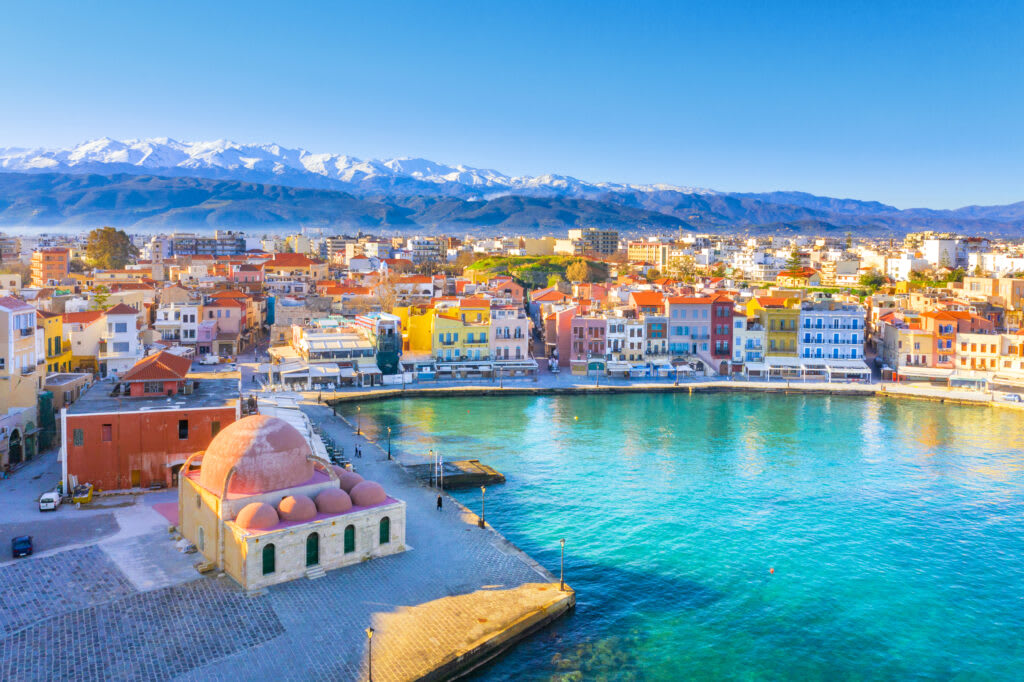
Crete continues to appeal because it works in almost every scenario. You can use it as a holiday base, a semi-permanent home or a rental investment.
The island’s infrastructure is a major advantage. The new international airport in Kasteli, backed by significant investment, is expected to strengthen access and property demand further.
From a buyer’s perspective:
- Entry prices remain accessible compared to smaller islands
- You’ll find everything from renovation projects to modern villas
- Areas like Chania and Rethymno balance tourism with local life, while smaller spots such as Agia Galini offer a quieter base.
If you plan to spend extended periods in Greece, Crete is one of the easiest places to settle into.
The Peloponnese for value and space
The Peloponnese often gets overlooked, which is exactly why it appeals to buyers looking for better value.
You’re within reach of Athens, but prices are noticeably lower and properties tend to offer more land and privacy.
Key advantages:
- Lower cost per square metre compared to island hotspots
- Growing interest in areas like Nafplio and Kalamata
- Good option if you want a quieter base without sacrificing access
If the islands feel a bit limiting in terms of access or price, this region offers a more flexible alternative.
Ionian islands for rental demand
Corfu, Kefalonia and Zakynthos remain favourites with British buyers, largely because they’re easy to reach and familiar.
Property prices have risen sharply in some areas, reflecting strong demand for holiday rentals.
What you need to know:
- Corfu offers the widest range of property types and price points
- Kefalonia appeals if you want something slightly less commercial
- Rental yields can be strong in well-located villas
If your plan includes generating income, the Ionian islands are among the most reliable options.
Cyclades for high-end investment
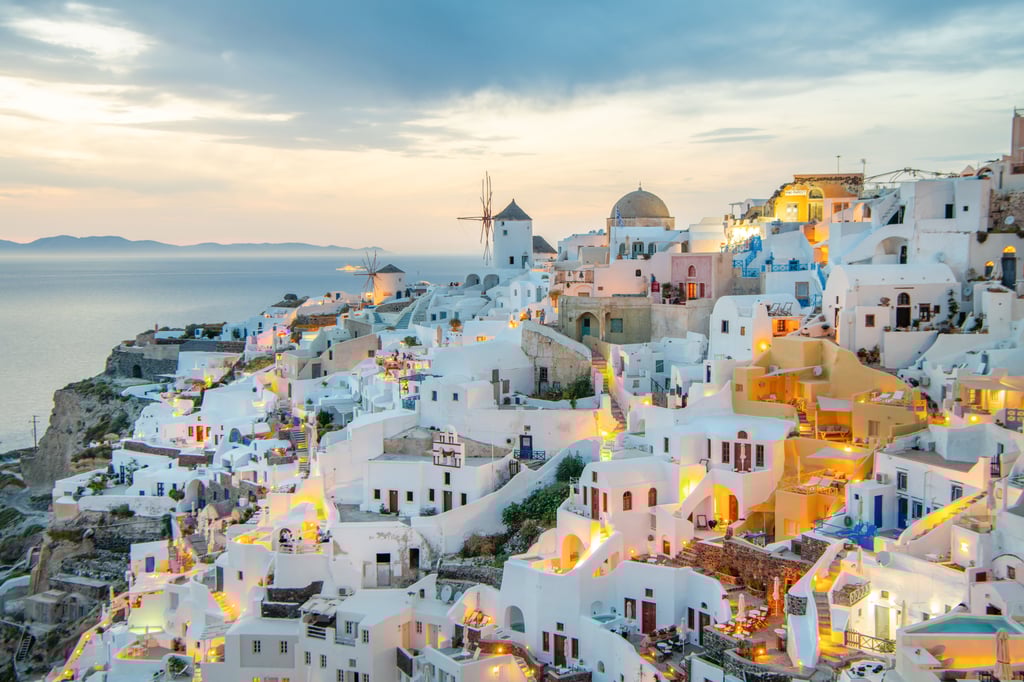
The Cyclades – including Mykonos, Santorini and Paros – sit at the top end of the market.
Prices are significantly higher, but so is rental potential.
Typical buyer profile here:
- Looking for premium property with strong seasonal returns
- Comfortable with higher purchase and running costs
- Focused on capital growth and prestige locations
This is less about affordability and more about long-term positioning in Greece’s most in-demand markets.
Sporades for a quieter island option
If you want island life without the intensity of the Cyclades, the Sporades offer a more relaxed alternative.
Skiathos, Skopelos and Skyros attract buyers who prioritise nature and a slower pace.
What makes them appealing:
- Lower prices than headline islands, although rising demand is starting to be reflected in prices
- More authentic feel outside peak season
- Good balance between accessibility and privacy
Skopelos in particular stands out if you’re looking for somewhere that feels less developed and more local.
Why year-round communities matter
One of the most overlooked factors when buying in Greece is what happens outside summer.
Areas dominated by holiday homes can feel completely empty in winter. That affects everything from shops to security.
If you plan to spend time outside the peak season, it’s worth considering:
- Towns with permanent residents
- Access to schools, healthcare and supermarkets
- A mix of local and international homeowners
This doesn’t just improve your lifestyle – it protects your investment over time.
Final thoughts on choosing the right location
The right place to buy in Greece depends less on popularity and more on how you’ll actually use your home. A busy island might suit short stays and rental income, while a mainland town could be far better for long visits or retirement.
Speak to a Greece property expert
FAQs about buying property in Greece
Crete is often the most practical choice because it combines year-round infrastructure, varied property prices and strong rental demand. If you want a slower pace, Corfu and Kefalonia are also reliable options.
Athens and the Cyclades lead for investment, but for different reasons. Athens offers year-round rental demand, while islands like Mykonos deliver high seasonal returns. The Ionian islands sit in the middle with consistent holiday income potential.
Rather than avoiding specific islands, focus on accessibility and year-round life. Very remote islands with limited flights and infrastructure can be harder to manage, rent or resell.
Crete is widely considered the easiest island to live on full-time due to its size, healthcare, transport links and mix of local and international communities.