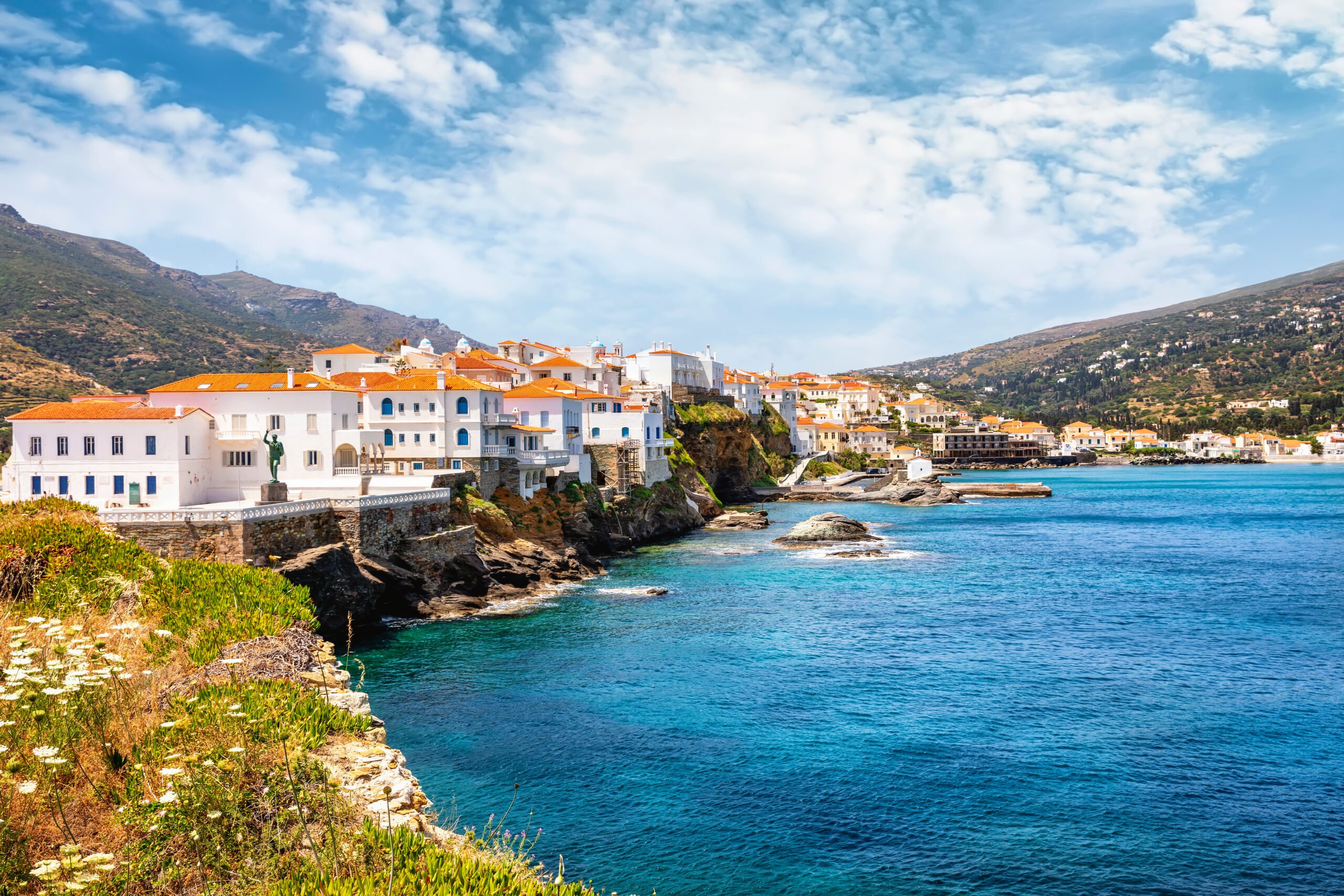





You dreamed of olive groves, sea views and long lunches in the square – but no one warned you about the quiet moments when you’d miss home. Homesickness after moving to Greece is more common than you think, especially when you’ve relocated your whole life, not just your address. Here are some tips to help you cope.
Moving to Greece is often the result of years of planning. You may have holidayed there for decades, learned a few phrases of Greek, even pictured yourself in a whitewashed village house with blue shutters. But relocating permanently – or for most of the year – is a profound emotional shift, and it’s completely normal to feel unsettled at first.
Contents
- Why homesickness after moving to Greece hits harder than you expect
- The emotional reality of relocating your whole life
- Practical ways to ease homesickness
- Adjusting to Greek village life
- Managing expectations versus reality
- When homesickness lingers
- Remember why you chose Greece
- You’re not alone
- Summary
- FAQs about dealing with homesickness after moving to Greece
Why homesickness after moving to Greece hits harder than you expect
When you’ve visited Greece on holiday, everything has felt lighter. You’ve had a return ticket, a defined timeframe and a clear purpose – to relax. Once you move, daily life takes over. You’re navigating tax offices, utility bills, school enrolment and residency paperwork. The novelty can quickly give way to fatigue.
There’s also the cultural shift. Greece doesn’t just have a different language – it has a different alphabet. The first time you try to read a road sign in rural Crete or decipher a notice pinned to the village noticeboard, you may feel like a child learning to read again. That can dent your confidence, especially if you’ve had a successful career or managed a busy household for decades.
For retirees, the loss of familiar routines can be acute. Back in the UK, you may have had weekly coffee mornings, golf club meetups or grandchildren popping in after school. In a Greek village, particularly outside major expat areas, social circles take time to build. For families, children may adapt quickly at school while you’re still figuring out where to buy printer ink or how to book a dentist appointment.
The emotional reality of relocating your whole life
Buying a property abroad is one decision. Moving your entire life is another. You’ve likely sold your UK home, downsized possessions and said goodbye to neighbours you’ve known for years. That’s a form of loss, even if you’re excited about your new chapter.
Homesickness often shows up in small ways. You might crave British supermarkets, miss the sound of familiar radio stations or feel unexpectedly emotional watching coverage of a local event back home. Winter can intensify these feelings, especially in quieter island or mainland villages where many seasonal businesses close.
It’s important to recognise that this adjustment period doesn’t mean you’ve made the wrong decision. It means you’re human.
Practical ways to ease homesickness
While homesickness is emotional, there are practical steps that make a tangible difference.
First, establish routine quickly. Find your regular bakery, your preferred kafeneio and your weekly market. Even simple habits – buying bread every morning or walking the same coastal path – create a sense of stability.
Second, tackle the language steadily. You don’t need fluency overnight. Start with everyday transactions. Learning to read the Greek alphabet is surprisingly empowering. Once you can decode street signs and menus, you feel less dependent and more at home.
Third, connect locally before retreating into expat-only circles. It’s comforting to meet fellow Britons who understand what you’re going through, however, balancing this with Greek friendships helps you integrate more deeply. Accept invitations to name days, village festivals and Easter celebrations. Even if you don’t fully follow what’s happening, being present matters.
For families, encourage children to maintain connections with friends back home through scheduled video calls, while also supporting involvement in local sports or clubs. For retirees, joining community groups, language classes or volunteering in nearby towns can provide structure and purpose.
| Challenge | Why it happens | What you can do |
|---|---|---|
| Language barriers | Greek uses a different alphabet, which can dent your confidence in everyday tasks | Learn the alphabet first, take weekly lessons and practise small daily interactions at bakeries and markets |
| Missing family and friends | You’ve left long-standing relationships and familiar routines behind | Schedule regular video calls, plan return visits and invite loved ones to stay during quieter months |
| Quiet winter months | Seasonal businesses close, especially in villages and on islands | Join local groups, start a winter project or explore nearby towns to widen your social circle |
| Slow bureaucracy | Administrative processes can move at a different pace than in the UK | Allow extra time, work with a local lawyer and treat delays as part of adapting to Greek life |
| Feeling isolated | Village life can feel insular until you’re known locally | Attend festivals, name days and community events to build familiarity and trust |
Speak to a Greece property expert
Adjusting to Greek village life
Village life in Greece moves at its own pace. Bureaucracy can feel slow. Shops may close for long lunch breaks. In August, everything revolves around local festivals and family gatherings.
Instead of fighting the rhythm, try leaning into it. If the bank closes earlier than expected, treat it as a lesson in planning ahead rather than a frustration. If your plumber arrives later than arranged, remember that relationship-building often takes priority over strict schedules.
Over time, what once felt inconvenient can start to feel grounding. The familiarity of seeing the same faces in the square each evening builds a sense of belonging that’s harder to find in larger towns.

Managing expectations versus reality
Many buyers fall in love with Greece during summer visits. But living there year-round is different. Winter on the mainland can be cold and damp. On some islands, ferry schedules reduce and tourist infrastructure shuts down.
If you’re still in the early stages of your move, consider how location affects adjustment. A lively town with year-round amenities may feel easier initially than a remote mountain village. Access to healthcare, reliable broadband and transport links all influence how connected you feel.
For retirees in particular, proximity to medical facilities and an international airport can provide reassurance. For families, checking schooling options and extracurricular activities beforehand reduces uncertainty later.
Being realistic about these factors doesn’t diminish the romance of Greece – it strengthens your long-term satisfaction.
When homesickness lingers
Most people find that intense homesickness eases after the first year, once you’ve experienced all seasons and navigated key milestones such as Christmas, birthdays and anniversaries abroad.
If feelings persist, consider small adjustments. Could you spend part of the year in the UK? Would inviting friends or family to stay break up long stretches? Some overseas homeowners find that regular visits back – planned in advance – give them something to look forward to and reduce anxiety.
It’s also worth talking openly about how you’re feeling. If you’ve moved as a couple, one partner may adapt faster than the other. Honest conversations prevent resentment from building quietly.
Remember why you chose Greece
On difficult days, remind yourself what drew you here. Perhaps it was the slower pace, the outdoor lifestyle, the lower cost of living compared with parts of the UK, or the dream of retirement under Mediterranean skies.
Take note of the small victories – your first conversation entirely in Greek, your child being invited to a local birthday party, your name remembered at the bakery. These moments signal progress.
Relocating abroad is not a holiday extended indefinitely. It’s a life transition that requires patience. Feeling homesick doesn’t cancel out your excitement or gratitude. It simply means you’re adjusting to something significant.
You’re not alone
Thousands of British retirees and families make the move to Greece every year. Many go through the same emotional curve – exhilaration, doubt, adjustment, acceptance and finally belonging.
If you’re considering buying in Greece, factor emotional preparation into your practical planning. Spend extended time in your chosen area outside peak season. Speak to other year-round residents. Build a support network before you need it.
And if you’ve already made the move and are feeling wobbly, give yourself permission to take time. You haven’t just changed countries. You’ve reshaped your entire daily life.
In the end, homesickness after moving to Greece is not a sign of failure. It’s a stage in the journey. With realistic expectations, local connections and steady routines, that unfamiliar village can gradually start to feel like home.
Summary
Moving your whole life to Greece is a major transition, particularly for retirees and families settling into village life. Homesickness is normal, especially when adapting to a new language and alphabet. With patience, routine and community connections, the feeling softens and Greece begins to feel like home.
FAQs about dealing with homesickness after moving to Greece
Homesickness usually comes in waves rather than following a strict timeline. For many retirees and families who relocate abroad, the most intense period lasts between three and 12 months – often easing once you’ve experienced all four seasons in your new home. Milestones such as your first Christmas or birthday abroad can trigger emotions, but these tend to feel easier the second time around.
Yes – completely. Even if you’ve planned your move for years and love your new life in Greece, you’ve still left behind familiar routines, relationships and surroundings. Adjusting to a new language, culture and even a different alphabet takes mental energy. Feeling homesick doesn’t mean you regret your decision. It means you’re adapting to change.
Rather than trying to “stop” homesickness entirely, focus on managing it. Build regular routines, learn the Greek alphabet to boost confidence, connect with both local residents and fellow expats, and plan visits home so you have something in the diary. Over time, as your daily life in Greece feels more natural, the sense of missing home usually softens.