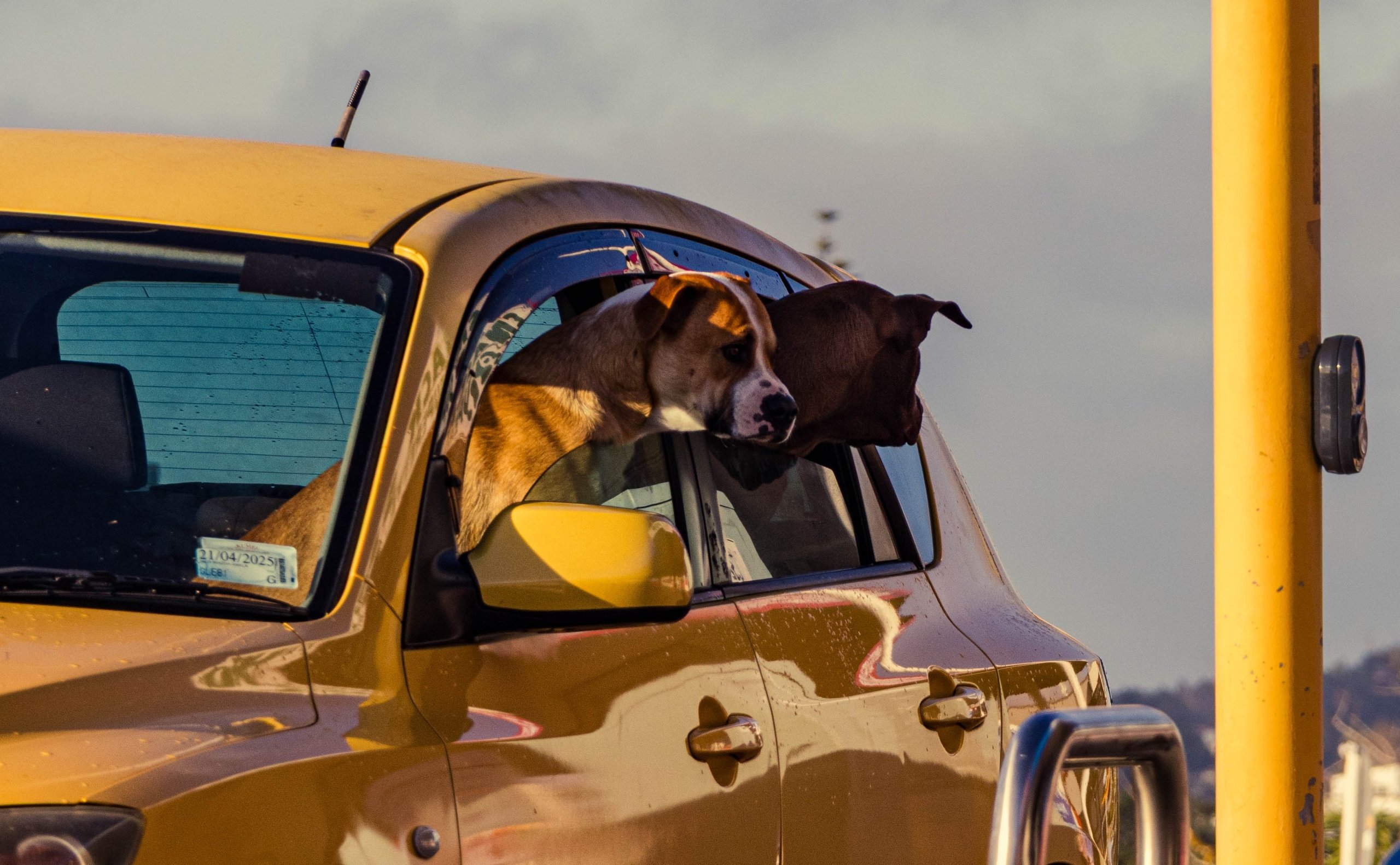

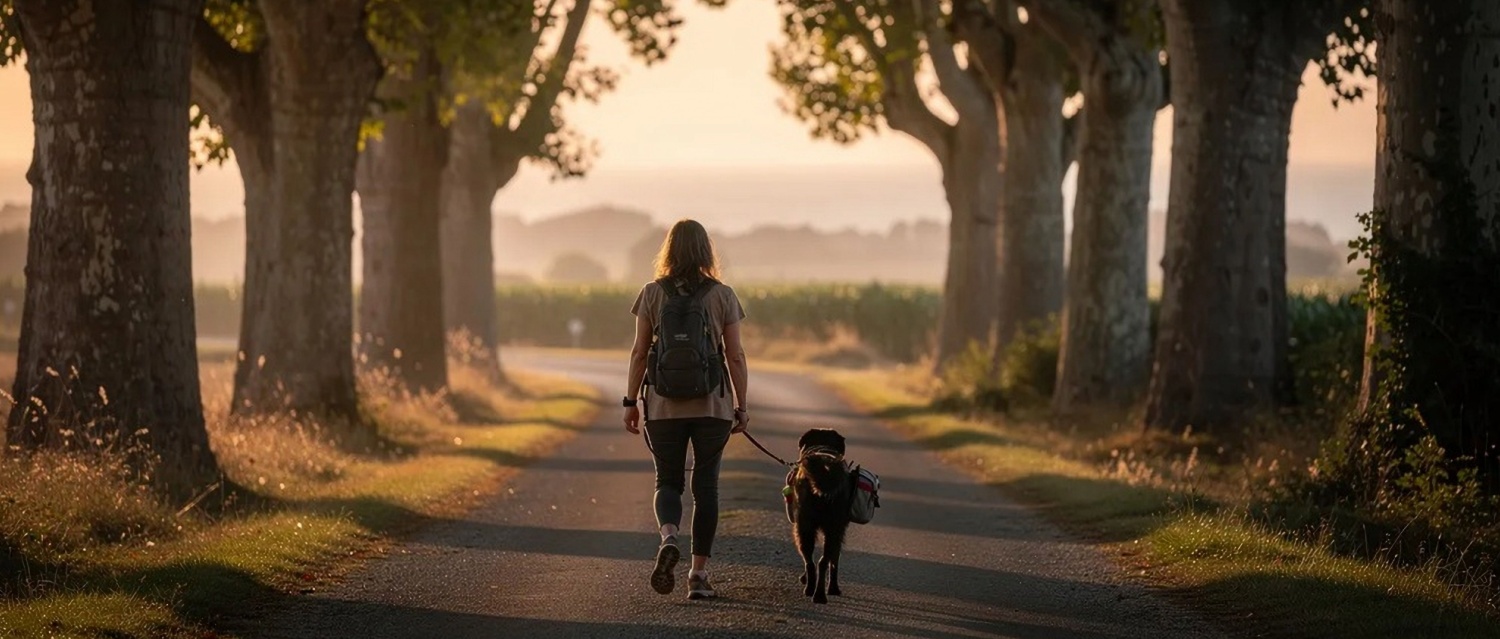
I’m in the middle of walking across France, heading from north to south, as a way of drawing a line between a life I left behind and a new one that I’m building. Just me, my dog Youna, and a tent. You can read more about my long walk in France here.
What follows is how I got here, and why this walk matters so much to me.
I can’t say I left the UK because I rejected it, or it rejected me. I never had any real issue with the country, aside from not loving the weather. But from as early as I can remember, there was a persistent, almost physical urge to go. At 24, I left without really imagining that I would come back.
The United States was my first stop. I had a happy time there, full of discovery, energy and openness. However, I knew, even then, that it wasn’t somewhere I would settle for good. It was a chapter. A good one, but a chapter, nonetheless.
Then Paris came along, and something shifted. This was the 1990s, and the city wasn’t quite what it is today. There were old open-backed buses you could hop on and off almost as they moved. I would spend entire days drifting through the city, on foot and on buses, stopping wherever I felt like it.
I loved the markets: the freshness of the produce, the way the city changed with the seasons. Strawberries would appear, closely followed by cherries, then mushrooms in autumn, stalls transforming week by week. I loved the architecture, of course, but more than that, the way people lived within it.
I didn’t just enjoy Paris. I recognised myself in it.
Returning, but not quite choosing
When the time came to leave, I wasn’t ready. I remember the journey to the ferry very clearly. It felt like a separation I hadn’t chosen, and that feeling never quite left me.
Life resumed in England. I spent twenty years there, raising my children. I wouldn’t say it was against my will, but it wasn’t quite a choice of the heart either. It was life as it presented itself, with its obligations and compromises. And then, as soon as I could, I found my way back, on my own terms.
I bought a small holiday cottage in Barfleur, on the Cotentin Peninsula. I was astonished to discover that you could still buy a house so close to the sea for what, from an English perspective, felt like a relatively modest sum.
From a property perspective, it was also a revelation. Coastal homes at that price point were becoming increasingly rare elsewhere.
That house became an anchor point. My children and I spent simple, happy stretches of time there, slightly outside ordinary life. It was a way of holding on, of not losing this country that had clearly never quite let go of me.
For a long time, I thought it would remain just that: a step along the way. I imagined eventually selling and buying a flat in Paris once the children were older. But the property market had other ideas. And then Brexit happened.
At that point, the decision came with a kind of clarity that left little room for doubt. I left everything, my legal career, my home and my certainties, and moved back to France. Properly, this time.
The decision to leave properly
The biggest challenge, without question, was working out how I was going to make a living. I had always freelanced. It fitted around the children and worked well enough in England. But moving to France stripped all of that back. I arrived without a clear plan, no network to speak of, and no real certainty about how I was going to support myself.
So, I pivoted. I shifted towards writing, not contracts this time, but creative work for paying clients. My income has, by and large, held up, even now. Artificial intelligence may be changing the landscape, but it still struggles to capture a voice or a point of view that feels genuinely human. For the moment at least, that remains an advantage.
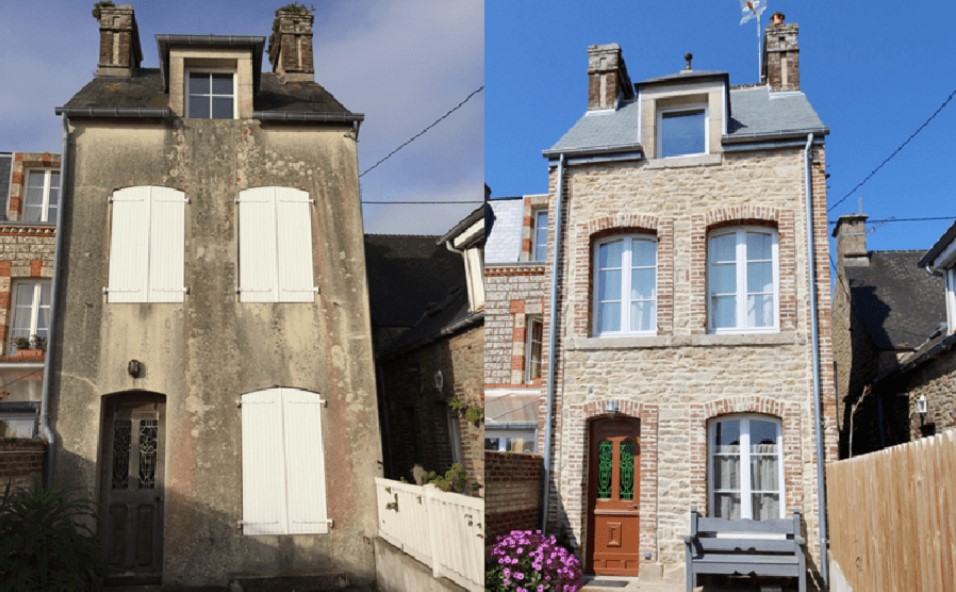
Alongside that, I created a second strand of income almost by accident. I bought a small, rather unloved fisherman’s cottage overlooking the harbour. One room per floor. The sort of place most people walked straight past. Too awkward, too compromised, too much work.
With the help of a local tradesman I had met during earlier renovations, I slowly brought it back to life. It became something quite special.
A compact, characterful space with a wood burner, layered textures, and a view that did most of the work. It functioned as well in winter as in summer, which made all the difference. And I found that I genuinely enjoyed hosting.
What became clear over time is that people don’t really buy property, they buy a feeling. A sense of escape, of warmth, of possibility. If you can offer that, the rest tends to fall into place.
Once I had begun to pay my way, I gave myself five years in Normandy. That was the deal. A proper trial, not a whim. Long enough to understand whether this was somewhere I could settle for good, or simply another chapter.
A life that worked, on paper
By the end of year three, I knew.
Normandy had been kind to me. I had built a life there that, on paper, was exactly what many people look for. I had a circle of friends that formed slowly and properly. I had even become president of a small local arts association, organising a biannual exhibition where local artists showed and sold their work from private homes. It was informal, slightly chaotic, and enormous fun.
A sandy beach lay just a few hundred yards from my door. There was a café I loved. The rhythm of life was gentle and grounded.
And yet.
The weather wore me down. Not dramatically, not in a way you could point to on any given day, but over time. It wasn’t disappointment that proved difficult, it was the repeated expectation of good weather that didn’t quite arrive. I realised I didn’t want to spend the rest of my life negotiating with the sky.
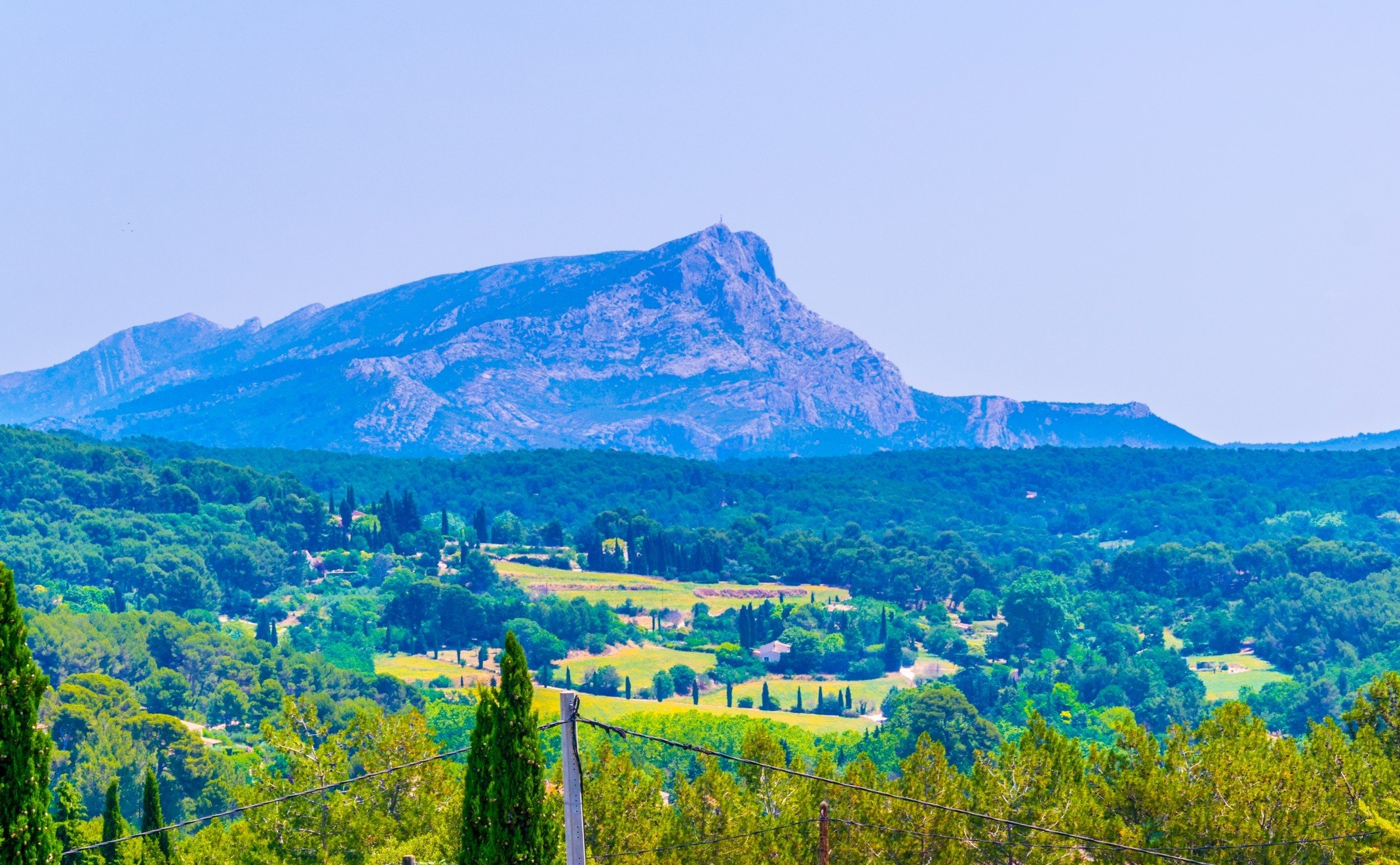
I wanted light. I wanted space. I wanted a landscape that shifted between hills, coast, scrub, heat and wind. Something more expansive and varied, something that felt more alive to me.
So, I decided to move south. I set myself a condition: if I was going to do it, I would earn it properly. I would walk there, from Normandy to wherever I ended up. And that is exactly what I am doing.
A different landscape, a different rhythm
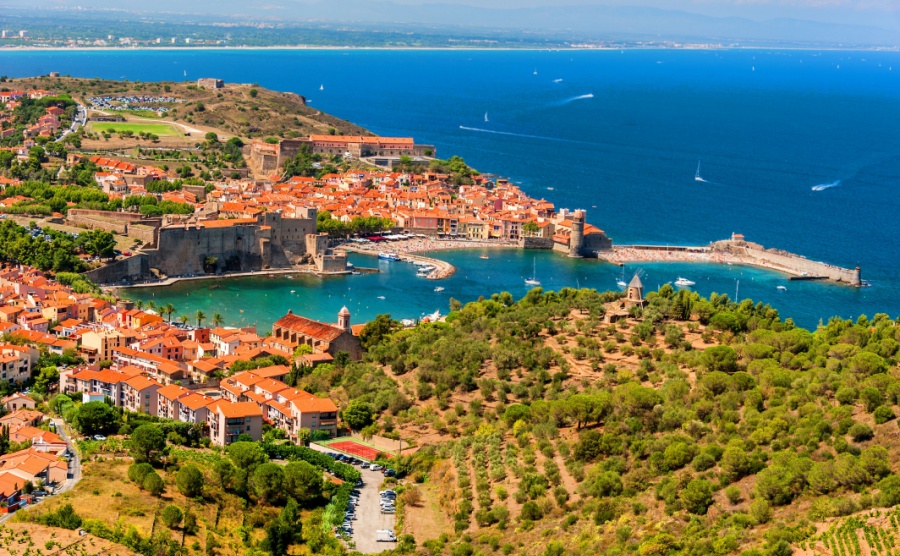
I have swapped the shores of the English Channel for the Mediterranean. I now live on the slightly scruffy, country-fringe edge of a seaside town in the Var. It’s a place where the coastline is still wild in parts, where there are sandy beaches one day and rocky coves the next, and where the sea turns that distinctive shade of turquoise that never quite loses its impact.
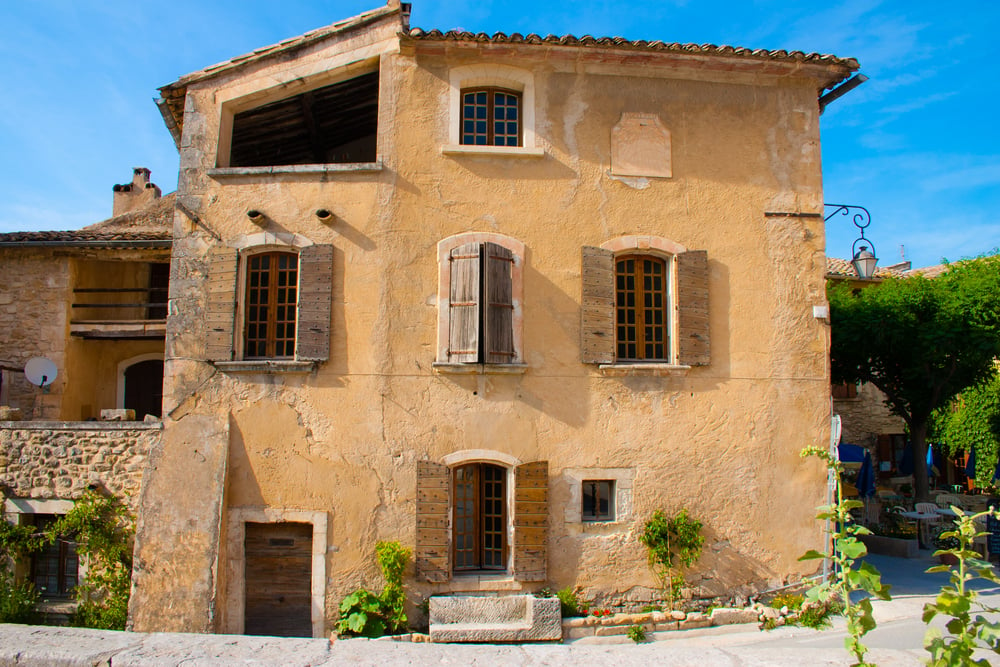
My house is old and Provençal, with all the compromises that implies. My neighbours are warm, unpretentious and generous. Life, in the ways that matter, is very good.
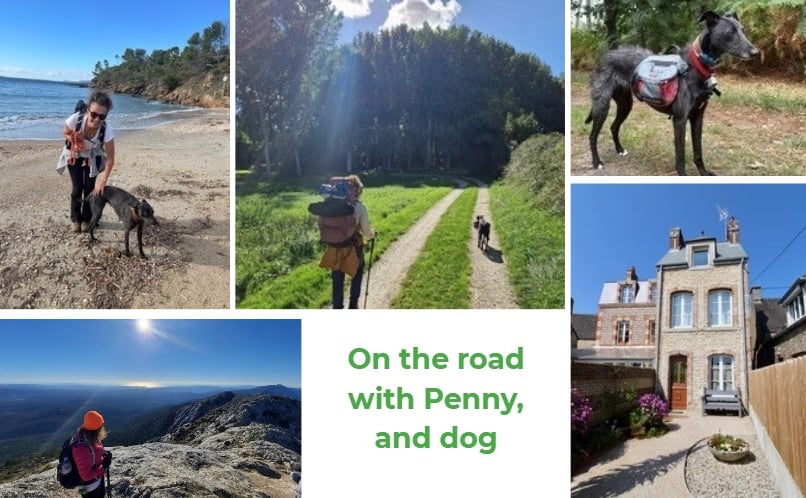
And the walk from Normandy to the Var has become part of that life. I completed the first stage at the end of last year, travelling from Barfleur to Tours with my dog, Youna. I worked as I went, using a small laptop in campsites, cafés, wherever I could find a surface and a signal. It turns out you can be a digital nomad with muddy boots and a slightly damp tent.
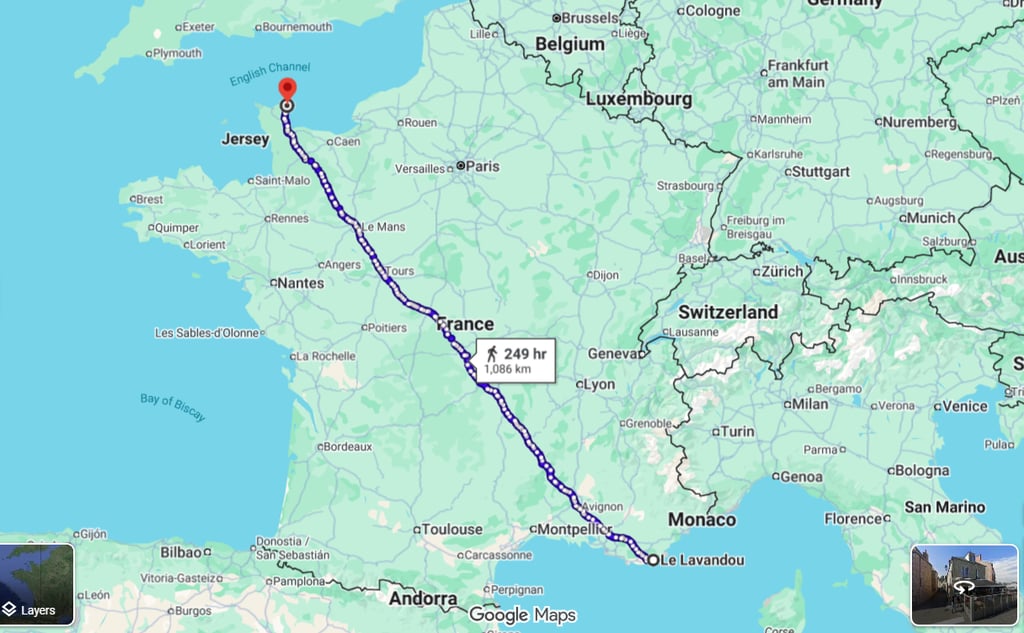
The next stage, from Tours to Clermont-Ferrand, is imminent. We travel simply. Youna carries her own food. We stay in campsites when they’re available, wild camp when they’re not, and occasionally retreat indoors when the weather insists.
Living and working in France
I’m in the process of applying for French citizenship now. My income, as a freelance writer, is modest but workable. And while it may sound familiar, the quality of life here is undeniably high. The healthcare system functions well. The produce is consistently good. And the seasons, particularly in the south, have a generosity that is hard to tire of.
For many people, France offers a way of life that feels easier to align with.
It may not look exactly as you imagined. You will almost certainly have to compromise on something, whether that is income, location, comfort or certainty. But in practice, solutions tend to present themselves once you are willing to be flexible.
There is always a need for something. English teaching, seasonal work, café jobs, cleaning, gardening, basic DIY. The sort of practical work that keeps places running. If you are prepared to turn your hand to different things, it is usually possible to find a foothold.
What you won’t necessarily find is an immediate or straightforward financial equation. A significant portion of what you earn will go in tax, and that can take some adjustment. But it forms part of the structure that supports everything else, from healthcare to infrastructure to the general quality of life that draws people here in the first place.
Doing it properly
It is also worth saying plainly that working “au noir”, off the books, rarely provides a sustainable solution. It may seem tempting at first, but it carries risks and can undermine what you are trying to build.
In practice, most people find that establishing something legitimate from the outset, however modest, provides a far more stable foundation.
If you are willing to adapt, to let go of fixed expectations, and to engage with the place as it is rather than how you imagine it might be, then building a life here is not only possible, but deeply rewarding.