



There may not be one big secret to getting a bargain when buying a property in France, but there are smart, practical steps you can take to make your money go further. Follow our money-saving tips for buying a house in France to get your dream overseas home for less.
From location choice to clever currency planning, here’s how savvy buyers can cut costs without cutting corners.
Contents
Hunt for hidden gems with our money-saving tips
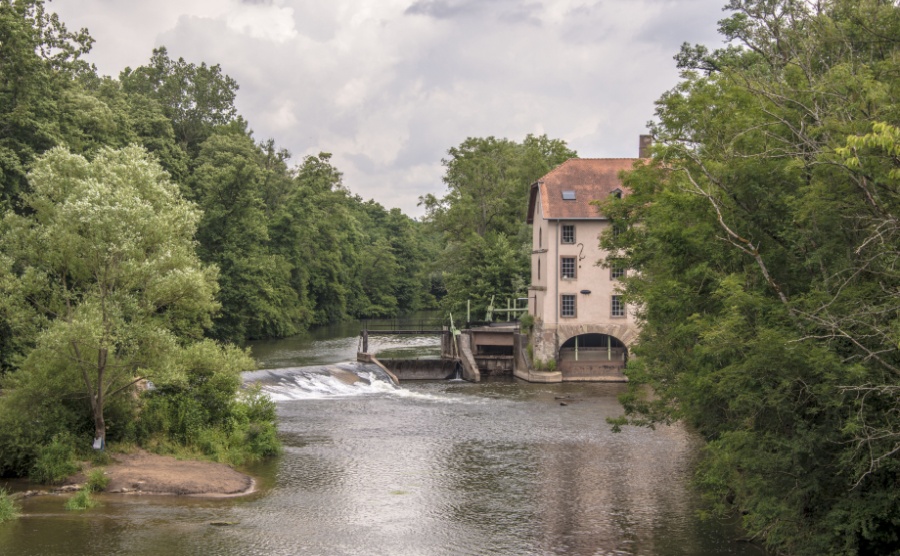
France is full of opportunity beyond the well-trodden hotspots. While Paris, Provence, and the Côte d’Azur often top the wish lists, their popularity pushes prices up dramatically. In contrast, lesser-known regions can offer spacious homes, idyllic surroundings, and character properties for a fraction of the cost.
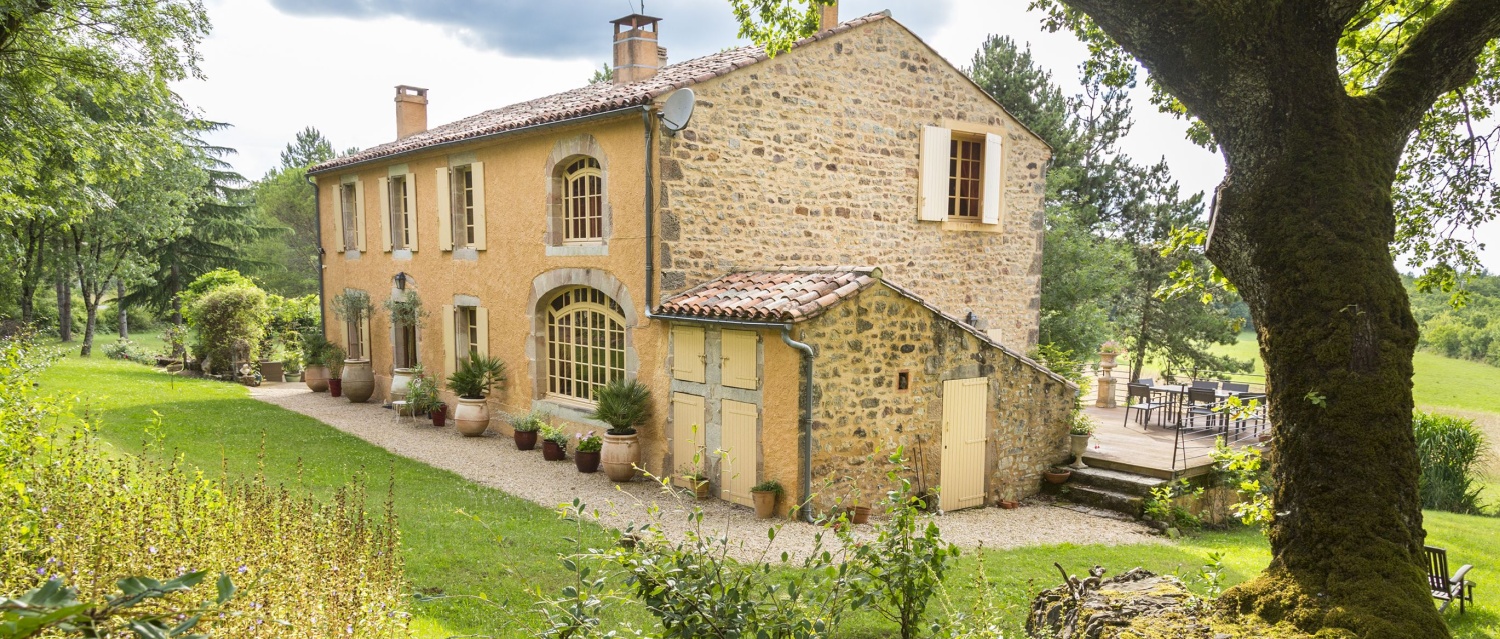
Regions such as Limousin, Auvergne, Nièvre, and Creuse are rich with period properties, village farmhouses, and renovation-ready homes priced from as little as €40,000. Many buyers are surprised to discover that entire hamlets occasionally come up for sale – ideal for someone seeking a gîte business or multigenerational living setup.
Look for areas that are not tourist-driven, but still offer good transport links, local markets, and a thriving year-round community. These places might not have international appeal, but they’re rich in local charm and can be incredibly affordable. Think sleepy countryside villages, lesser-known wine regions, or towns just outside commuter belts.
Properties in need of renovation are also where hidden value often lies. While they might not look like much online, these homes can be transformed with a realistic budget and vision. Do your sums carefully: if you have the DIY skills, you’ll get much more house for your money. If you need to hire tradespeople, make sure to factor that into your costs early on.
Finally, talk to estate agents on the ground. The best opportunities are sometimes sold before they’re ever advertised widely. Build a relationship with a local agent and let them know you’re looking for properties that need work or are in overlooked locations – they may be able to show you listings that others don’t consider.
For more information on the purchase process, claim your free copy of our France Buying Guide:
Download the France Buying Guide
Negotiate smartly
In France, negotiating the price of a property isn’t just acceptable – it’s expected. This is one of the most effective money-saving tips. Many sellers list with built-in flexibility, anticipating that buyers will make offers below the asking price. Approaching negotiations with the right strategy can lead to significant savings.
Start with research. Look at comparable properties in the area and use the French government’s open data portal to view actual sold prices. This will give you a realistic benchmark and help you avoid overpaying. Don’t rely solely on asking prices – they often reflect ambition rather than value.
Know when and how to make your offer. If the property has been on the market for several months, the seller may be more open to negotiation. If you’re a cash buyer or already have mortgage approval, highlight this in your offer – it strengthens your position. Similarly, if you’re able to complete quickly, it may make your offer more attractive, even if it’s slightly lower.
Work closely with your estate agent. They know the seller’s situation and the local market. Ask whether the property has had other offers, how long it’s been listed, and whether the seller is in a hurry to sell. Use that insight to tailor your approach.
Finally, keep it respectful. Lowballing drastically might offend the seller and close the door to future negotiation. A fair, evidence-based offer stands a better chance of being taken seriously – and accepted.
Use your imagination
Not every great property looks great on the listing. Many buyers pass over homes with dated interiors, awkward layouts, or unappealing décor – but these are often the properties with the most potential. If the structure is sound and the layout is functional, cosmetic changes can dramatically increase both comfort and value.
During viewings, take your time to consider what’s possible. Could you knock down a wall to open the space? Is there room for a new bathroom or modern kitchen? Often, it’s the lower-priced properties that allow room in your budget for upgrades – and those upgrades can add significant resale value.
Energy-efficient improvements are also worth considering. Not only do they reduce your monthly running costs, they can improve your home’s DPE (diagnostic de performance énergétique) rating. A higher rating makes your property more attractive to future buyers or renters and helps ensure compliance with evolving environmental regulations in France.
With careful planning, a tired-looking property can become your ideal home – or a high-yield rental – without overspending. And by seeing potential where others don’t, you’ll be one step ahead in a competitive market.
Minimise taxes and fees
Every property purchase in France comes with extra costs – legal fees, taxes, and commissions. While these aren’t avoidable, understanding them can help you avoid overpaying or getting caught out by surprise charges. Consulting a bilingual tax advisor before you buy is a wise step.
Notaire fees typically range from 7–8% of the property price for existing homes, covering taxes, administration and the notaire’s own fee. However, some elements – like agency fees – can sometimes be negotiated. Make sure you understand whether the asking price includes or excludes these costs, and who is legally responsible for paying them.
If you plan to let out the property, even occasionally, you may fall under a different tax regime. Gîtes, chambres d’hôtes and short-term rentals have specific declaration requirements. By planning early and speaking to a local accountant, you can often choose a structure that is more favourable in the long term – whether that’s through simplified tax regimes or expense deductions.
Knowledge is your best asset when it comes to managing French property fees. A bit of advance planning can save you thousands over the life of your ownership.
Save on currency transfers with our money-saving tips
For international buyers, currency exchange is one of the most unpredictable and underestimated costs of buying property in France. While you may focus on the price in euros, what really matters is how much that will cost in your local currency on the day you transfer your funds. A sudden fluctuation in the exchange rate – even by a few percentage points – can translate into a difference of thousands of pounds, dollars, or francs.
This is particularly important during the gap between signing the Compromis de Vente and the Acte de Vente – a period that often spans two to three months. During this time, your purchase amount is locked in euros, but the value of your home currency can change daily based on interest rates, economic news, political developments, and market sentiment.
Working with a specialist foreign exchange service, rather than a high-street bank, gives you access to tools designed for property buyers. These include:
- Forward contracts: Lock in an exchange rate now for a payment you’ll make in the future – ideal for budgeting and peace of mind.
- Market orders: Automatically buy euros if the market hits a rate you’ve set – useful if you’re not in a rush but want to secure a good deal.
- Rate alerts: Get notified when the exchange rate reaches a level you’re happy with – so you don’t miss opportunities.
Specialist currency providers can also help you avoid hidden transfer fees and offer faster, more reliable international payments. Most importantly, they give you personal guidance to help you navigate market timing and avoid unexpected shortfalls.
It’s not about beating the market – it’s about protecting your budget. And in a transaction as significant as a property purchase, that can make all the difference.
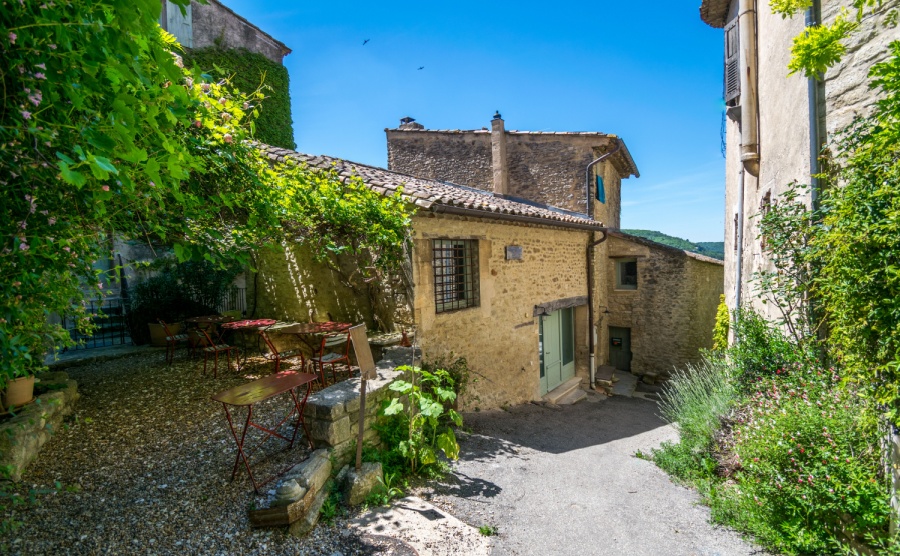
Want to know more about the best regions to buy property in France, understand the steps to purchasing a home in France or even learn a little about living in France? Our expert guides cover everything from location advice to legal tips, helping you get the most for your budget.
If you’re inspired to start your search after reading these money-saving tips, browse Property for sale in France to discover affordable homes in hidden-gem locations. From fixer-uppers to countryside retreats, the right deal could be just a few clicks away.
FAQs about getting a property bargain in France
Affordable regions include Limousin, Auvergne, Nièvre, and Creuse. These areas often have spacious country homes or renovation projects available for as little as €40,000.
Yes, you should negotiate in France. As money-saving tips go, it’s one of the most effective. Sellers often list properties above their minimum price, so making a well-informed offer based on comparable sales data is wise.
Absolutely. Sellers often price properties needing cosmetic or structural work lower. If you have DIY skills or budget for tradespeople, you can unlock value others may overlook.
Use a specialist currency provider instead of a bank. Tools like forward contracts, market orders, and rate alerts help you protect your budget against exchange rate fluctuations.