

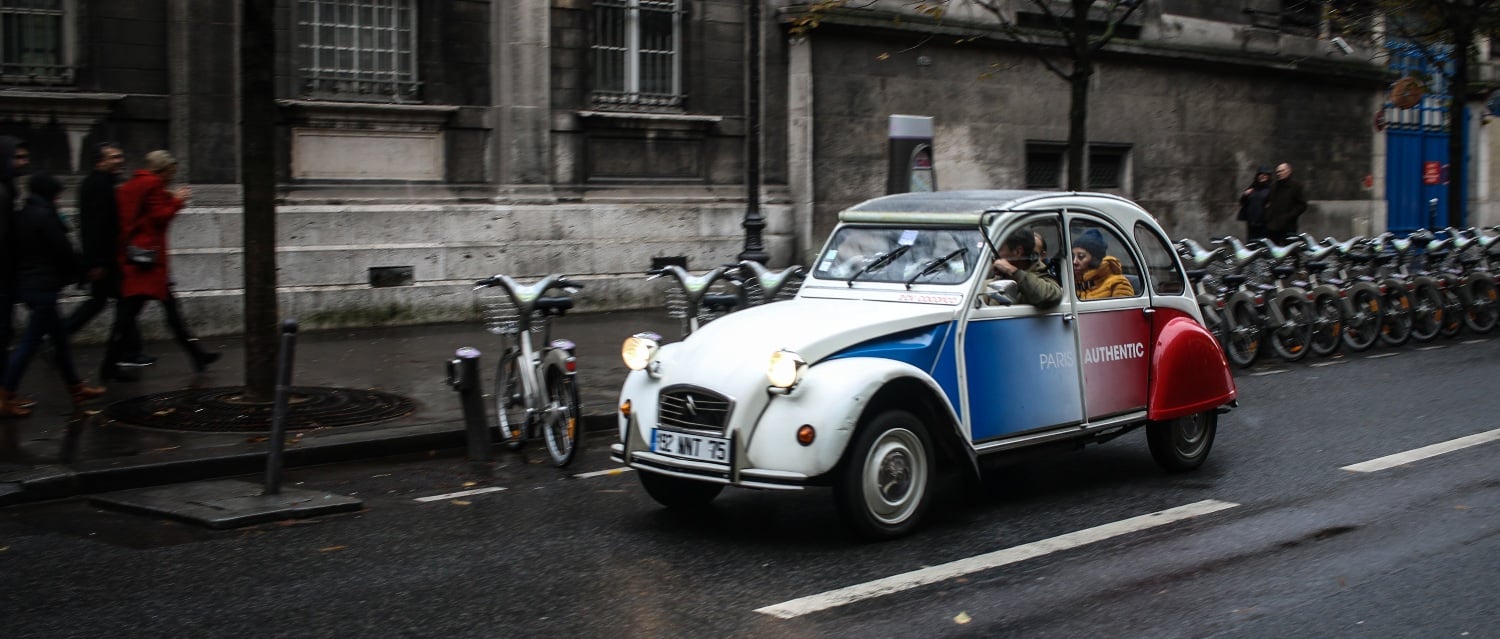



Moving to France requires more than choosing a property and booking a one-way ticket. There are clear steps to follow, from visas and finances to organising your move. This guide explains what’s involved so you can plan ahead and avoid unnecessary delays or costs.
Before you settle into your new home, there are a few key decisions that will shape how smoothly everything falls into place. Understanding timelines, requirements and costs early on will help you avoid last-minute issues and make the transition far more straightforward once you arrive.
Contents
Getting the right visa for your move to France
If you’re a UK citizen or from another non-EU country, the biggest shift since Brexit is the need for a visa if you plan to stay longer than 90 days.
You can still visit France (and the wider Schengen Area) for up to 90 days in any 180-day period without a visa, but anything longer requires a long-stay visa, typically the VLS-TS (visa de long séjour valant titre de séjour).
One of the most popular routes is the Visa Visiteur, designed for financially independent buyers or retirees. To qualify, you’ll need to show an income of around €1,800 per month or savings of at least €30,000, along with health insurance and accommodation in France.
It’s worth noting that buying a property alone does not grant residency. You’ll still need to apply through the proper visa route, although owning a home can strengthen your application by showing stability.
After five years of continuous residence, you can apply for long-term residency or even citizenship, provided you meet language and integration requirements.
Planning your finances before the move
Sorting your finances early will save you a lot of stress once you arrive. Opening a French bank account is one of the first things you’ll need to do, as it makes everyday life – from paying bills to setting up utilities – far easier.
You’ll also need to think carefully about savings and tax. If you become a French tax resident, your worldwide income – including UK savings and ISAs – may be taxable in France.
On the positive side, France offers its own savings options, such as the Livret A, which is tax-free up to a set limit.
If you’re retiring, your UK state pension can still be paid in France and will continue to increase annually. However, private pensions may be taxed under French rules, so it’s worth speaking to a cross-border adviser before you move.
How to move your belongings to France
Logistics can feel overwhelming, but moving your belongings to France is more straightforward than it first appears – especially with the right preparation.
You generally have three main options:
- A full-service removal company
- A “man and van” service
- A DIY move
A professional removal company will handle packing, transport and customs paperwork, which can be a relief if you’re moving a full household. Costs can range from under £2,000 for a small move to more than £8,000 for a larger relocation.
If you’re moving permanently and have lived in the UK for at least 12 months, you can usually bring your belongings into France without paying import tax – as long as you provide the correct documentation.
Decluttering before you move can also make a noticeable difference, both in cost and how quickly you settle into your new home.
Taking your pets to France

If you’re bringing a pet, you’ll need to plan ahead, but it’s entirely manageable.
Post-Brexit, UK pet passports are no longer valid for EU travel. Instead, you’ll need:
- A microchip
- A valid rabies vaccination
- An Animal Health Certificate (AHC)
The AHC must be issued within 10 days of travel and is required for each trip.
Most people travel with pets via ferry or the Eurotunnel, as it allows you to stay with your animal and reduces stress.
Once you arrive, you’ll find France is very pet-friendly, with dogs commonly welcomed in cafés and public spaces, and vet care often more affordable than in the UK.
Settling into everyday life in France
Once the paperwork and logistics are out of the way, the real transition begins.
Day-to-day life in France can feel different in subtle ways. Administrative processes can be slower, but they are generally structured and consistent once you understand them.
You’ll likely find that building relationships locally – with your bank manager, neighbours or local mairie – makes a big difference.
If you’re moving to a rural area, be prepared for fewer services nearby and the need for a car. In towns and cities, you’ll benefit from better infrastructure but may face higher property prices.
The key is aligning your expectations with your chosen location. If you’ve visited France many times, you’ll already have a feel for the rhythm of life – but living there full-time brings a different perspective.
Summary
Moving to France is as much about preparation as it is about lifestyle. Get your visa, finances and logistics right early, and the rest becomes far more enjoyable. With the right planning, you can focus less on paperwork and more on settling into your new life.
Frequently asked questions about moving to France
Yes, but you’ll need a visa if you plan to stay longer than 90 days. UK citizens can visit visa-free for short stays, but long-term moves require a visa and, eventually, a residence permit.
It depends on your lifestyle and visa type. For example, the Visa Visiteur typically requires proof of around €1,800 per month or €30,000 in savings. Moving costs can range from under £2,000 to £8,000+ depending on the size of your move.
You can stay in France (and the Schengen Area) for up to 90 days within any rolling 180-day period without a visa. This includes time spent across all Schengen countries, not just France.