
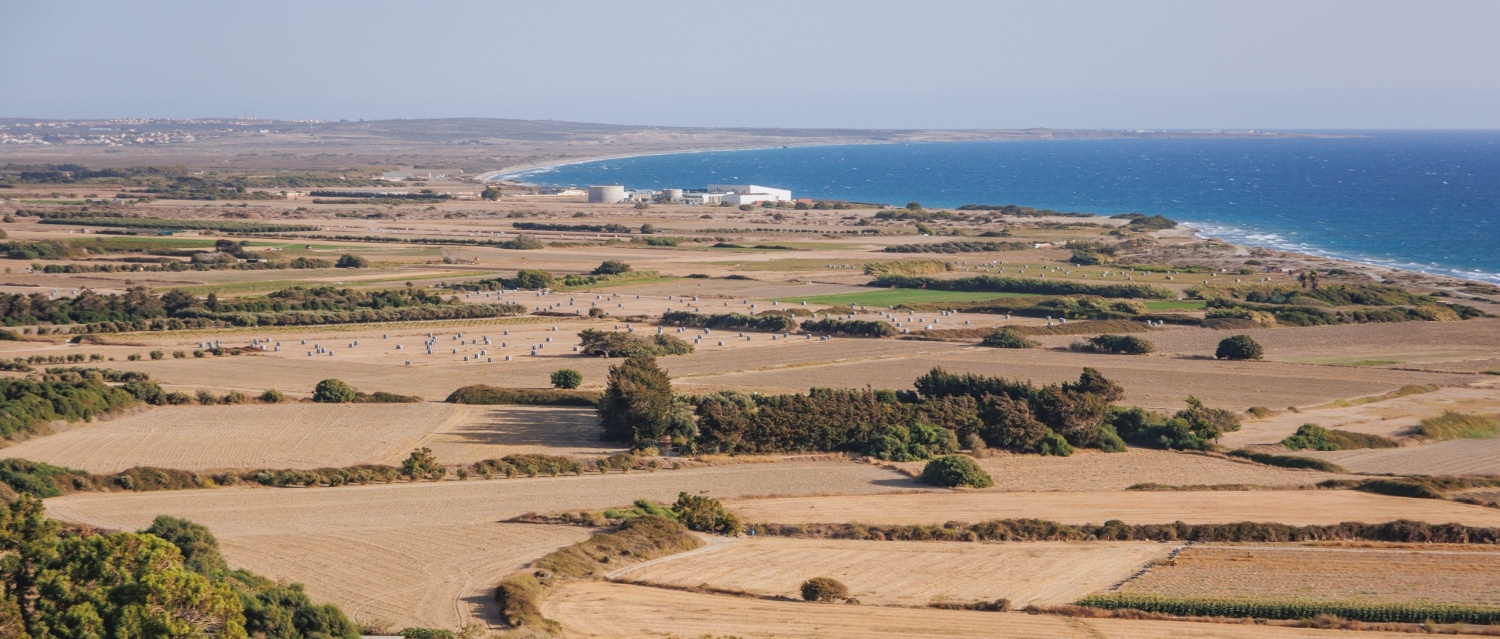




If you’re planning a move to Cyprus, you have the chance to turn a place you already know into somewhere you truly belong, with clear residency routes, property options and a lifestyle that’s both familiar and refreshingly different.
Having visited the island many times before, you’ll know the appeal isn’t just the climate. It’s the slower pace, the mix of languages in a local café and the ease of slipping into outdoor living for most of the year. But living here full time brings a different perspective. This guide walks you through what moving to Cyprus really involves – from visa and residency options to shipping your belongings.
Contents
Understanding your residency options for a move to Cyprus
The first thing to get clear is how long you plan to stay. This will determine which visa or residency route suits you best.
If you’re an EU or EEA citizen, the process is relatively straightforward. You can enter freely but will need to register if you stay long term. For UK buyers and other non-EU nationals, the rules are tighter. You can stay in Cyprus for up to 90 days within any 180-day period without a visa. After that, you’ll need to apply for residency.
There are several routes available depending on your situation:
Temporary residency
Often called a “pink slip”, this allows you to stay for one year and renew annually. It’s ideal if you’re testing the waters. You’ll need to show income from outside Cyprus and spend most of the year on the island.
Permanent residency
If you’re planning a full move, this is the long-term option. You can qualify through employment, passive income or family ties. For example, if you’re retiring, you’ll need to show an annual income of at least €24,000, with additional amounts for dependants.
Digital nomad visa
If you work remotely, this is worth considering. It allows you to live in Cyprus while working for a company based elsewhere, provided you earn at least €3,500 per month.
Each route comes with its own paperwork, timelines and requirements, so it’s worth speaking to a specialist early on.
Buying property and the golden visa route
For many people, moving to Cyprus starts with buying a home. And while property ownership doesn’t automatically grant residency, it can play a key role.
Cyprus offers a property-based residency scheme often referred to as the golden visa. To qualify, you’ll need to:
- Invest at least €300,000 in a new-build property
- Show a minimum annual income of around €50,000 depending on the scheme and dependants
- Pay the full purchase price before applying
This route is popular because it’s relatively straightforward compared to other countries. It also allows you to include family members and only requires a visit to Cyprus once every two years to maintain residency.
However, the rules have tightened in recent years, particularly around income requirements and property eligibility. You’ll need to buy from an approved developer, and resale properties don’t usually qualify.
How to plan your move to Cyprus
Once your visa route is clear, the practical side of moving to Cyprus begins.
Shipping your belongings
You’ve got two main options: air freight or sea freight. Air freight is fast – typically one to three days – but expensive. Sea freight takes around six to nine days from the UK and is far more cost-effective for larger moves.
A typical three-bedroom house move by sea might cost between £1,000 and £1,800, while air freight for a smaller load can exceed £3,500.
Many people split their shipment, sending essentials by air and everything else by sea.
Customs and paperwork
If you’re moving permanently, your household goods can usually be imported without customs duty, provided you meet residency requirements and complete the correct paperwork.
Working with an experienced shipping company is key here. Look for firms accredited by the British Association of Removers or the International Association of Movers.
Bringing your car
You can ship your car to Cyprus, typically costing between £1,000 and £2,500. You’ll need to factor in import taxes, inspections and registration requirements once it arrives.
Costs and financial considerations
Beyond the purchase price, there are ongoing costs to factor in when moving to Cyprus.
You’ll need to budget for:
- Property taxes and maintenance
- Healthcare and insurance
- Utilities and local living costs
- Residency application fees
If you’re becoming a tax resident, this usually applies if you spend more than 183 days a year in Cyprus. The country is known for favourable tax policies, but you should always get advice based on your personal situation.
Common challenges when moving to Cyprus
Even if you know the island well, living here full time can feel different.
- Paperwork can take time – Residency applications can take several months to process, so patience is essential.
- Employment restrictions – Some permits, such as temporary residency or digital nomad visas, don’t allow you to work locally.
- Adjusting to local systems – Things don’t always move at the same pace as in the UK. From banking to utilities, processes can take longer than expected.
That said, most people find these are small trade-offs for the lifestyle on offer.
Final thoughts on moving to Cyprus
Moving to Cyprus is a realistic and achievable goal if you approach it step by step. From choosing the right visa to organising your move and buying a property, each stage builds towards a new life on the island. With the right advice and planning, you can make the transition smoothly and start enjoying everyday life under the Mediterranean sun.
FAQ about moving to Cyprus
Yes, but you’ll need a visa or residency permit for stays longer than 90 days in any 180-day period. Options include temporary residency, permanent residency or the digital nomad visa.
If you’re looking for a warmer climate, lower cost of living and a slower pace of life, it can be a strong option. The key is choosing the right residency route and planning your finances carefully.
Owning a property alone doesn’t grant residency. Without a visa, you’re still limited to 90 days in any 180-day period. To stay longer, you must apply for a residency permit.