
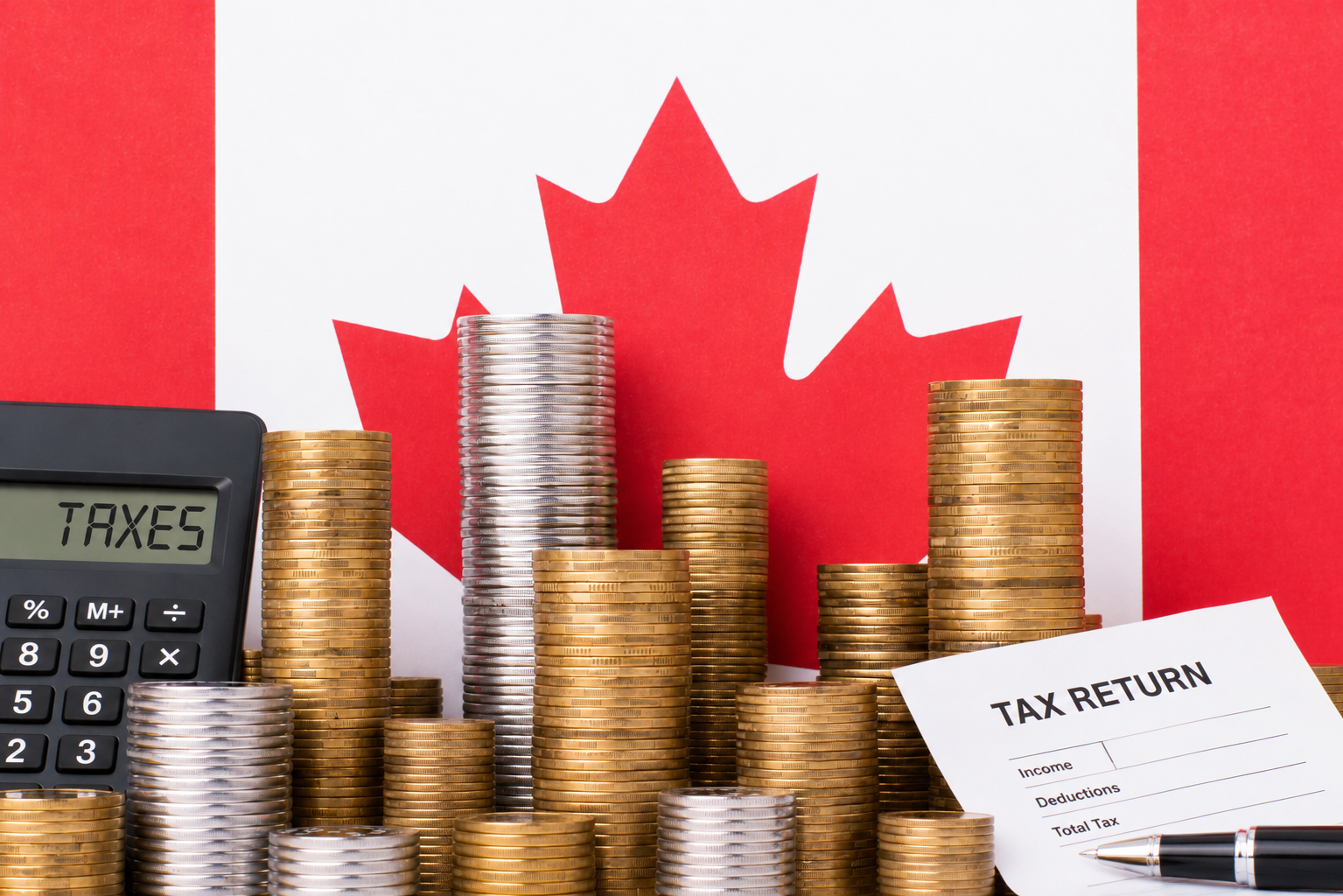



Canada’s foreign buyer ban has shifted more than once since it was introduced in January 2023 – and with a government review now under way, it may shift again.
If you’re thinking about buying property in Canada, here’s a clear-eyed look at where things stand today.
Download the Canada Buying Guide
Contents
What is the foreign buyer ban?
The Prohibition on the Purchase of Residential Property by Non-Canadians Act was introduced by Justin Trudeau’s government and came into force on 1 January 2023. The thinking behind it was straightforward: foreign investors were seen as a driving force behind Canada’s soaring property prices, pricing out the very Canadians the market was supposed to serve.
Originally, the ban was set to last two years. It didn’t. In February 2024, the federal government announced an extension, and by June of that year it had been formally written into law via the Budget Implementation Act. The ban now runs until at least 1 January 2027.
The rules apply to residential properties with three or fewer dwelling units, located within Census Metropolitan Areas (populations of 100,000 or more) and Census Agglomerations (core populations of 10,000 or more). If you’re looking at rural properties or buildings with four or more units, the ban doesn’t apply.
Who is exempt?
The ban has never been a blanket prohibition on everyone who isn’t Canadian. Several groups of people are free to purchase property without restriction.
Permanent residents, protected persons and those registered under the Indian Act can buy freely, as can diplomats. Spouses or common-law partners of any eligible buyer may also purchase jointly with them.
Work permit holders are one of the more significant exempt categories, particularly after rules were relaxed in March 2023. If you hold a valid work permit – or are authorised to work in Canada under the Immigration and Refugee Protection Regulations – you can buy a residential property, provided your permit has at least 183 days of validity remaining at the time of purchase. Crucially, the previous requirements to prove full-time employment and submit tax filings were dropped entirely. You are limited to one residential property under this exemption.
International students can also purchase, but the conditions are considerably stricter. You must have been enrolled at a designated learning institution, filed Canadian tax returns for each of the past five calendar years, and been physically present in Canada for at least 244 days in each of those years. The purchase price cannot exceed $500,000 (CAD).
What about property developers?
This is where things become more interesting for those with investment intentions. The March 2023 amendments opened two significant doors for foreign buyers with development in mind.
First, the ban was removed entirely from vacant land zoned for residential or mixed use. Foreign nationals can now purchase this type of land and use it for any purpose, including housing development. Second, a formal development exemption was created: non-Canadians can purchase residential property specifically for the purpose of development – covering new construction, substantial remodelling or adding buildings to a site. Simple repairs or buying a property purely for rental income don’t qualify under this exemption.
These changes were made in direct response to criticism that the original ban was contributing to Canada’s housing shortage rather than solving it. By preventing foreign developers from building new homes, the policy risked worsening the very problem it set out to fix.
The costs go beyond the purchase price
Even where the federal ban doesn’t apply, Canada’s provinces have added their own surcharges that significantly raise the cost of buying for non-residents. It’s essential to factor these in before making any decisions.
In British Columbia, foreign buyers face a 20% Additional Property Transfer Tax in Metro Vancouver and several surrounding regional districts. Ontario levies a 25% Non-Resident Speculation Tax across the province. In Toronto specifically, a further 10% municipal surcharge came into effect in January 2025, bringing the combined rate in the city to 35%. Nova Scotia doubled its non-resident deed transfer tax to 10% in April 2025 – and notably, this applies to all non-Nova Scotia residents, not just foreign nationals. Alberta currently has no equivalent provincial tax.
Currency costs are another consideration that’s easy to overlook when you’re focused on the property itself. Transferring large sums across currencies can be expensive if done without planning. Using a currency specialist rather than a bank can make a meaningful difference to what you actually pay – it’s worth having that conversation early in the process.
What’s changing in 2027?
The most significant development in recent months isn’t a rule change – it’s a signal about what may come next. In December 2025, Housing Minister Gregor Robertson confirmed that the Carney government is conducting a formal review of the ban, with an eye on what happens when it expires in January 2027.
The model under consideration is one already in use in Australia: foreign buyers would be permitted to purchase new construction and vacant land, but would remain barred from buying existing homes. The idea is to direct foreign capital towards adding to the housing supply rather than competing for existing stock.
That review is ongoing, and nothing has been confirmed. For now, the rules in place since March 2023 remain the operative framework.
What does this mean for you?
If you’re a permanent resident, the ban is largely irrelevant to your plans. If you hold a work permit, the relaxed rules introduced in 2023 mean the process is far more straightforward than it once was, as long as your permit has sufficient time remaining.
If you’re considering buying as an investment or for development purposes, the vacant land and development exemptions may open routes that weren’t available before 2023. These are worth exploring with a qualified Canadian property lawyer who can advise on your specific circumstances.
Whatever your situation, it pays to get the full picture before you start searching. Understanding the tax landscape – both federally and provincially – as well as the currency implications of a cross-border purchase, puts you in a much stronger position when the right property comes along.