
Australia is a long way to go for a second home or a new chapter in life – but for many buyers it’s exactly that distance that appeals. The promise of a sunnier climate, a more relaxed pace of life and a familiar language makes it one of the most popular destinations for British buyers looking further afield.
The question, once you’ve decided Australia is for you, is where to start looking. The country is vast, the cities are varied and property prices have risen considerably in recent years. Here’s a guide to six locations that consistently attract overseas buyers – and what you should know about each before you start browsing.
Download the Australia Buying Guide
Contents
Brisbane, Queensland
Brisbane sits between the Sunshine Coast and the Gold Coast, and as capital of Queensland it offers the infrastructure of a major city with a lifestyle that feels distinctly less pressured than Sydney or Melbourne. It has long attracted buyers priced out of the southern capitals, and that trend has gathered pace significantly in recent years.
The city has mild winters, plenty of green space and a strong sense of community. The South Bank precinct – the cultural heart of Brisbane – is home to restaurants, parkland and a busy events calendar. Getting around is straightforward: the city has an efficient network of trains, buses, ferries and trams.
For families, suburbs such as Bardon, St Lucia and Rosalie are worth exploring. Ascot and Kangaroo Point have historically attracted buyers seeking proximity to private schools, while Paddington and Teneriffe offer a lively mix of restaurants, bars and independent shops.
Brisbane’s property market has been one of the strongest performers in Australia over the past five years, with home values rising around 80% since 2020. The median house price now sits at AUD $1,212,195 [1] – up more than 20% year-on-year and a record high. With the city hosting the 2032 Olympic and Paralympic Games and more than $12.4 billion in transport upgrades planned or underway, long-term demand looks well supported. It’s no longer the value play it once was, but buyers willing to look at apartments or outer suburbs can still find more accessible entry points than in Sydney.
Hobart, Tasmania
Hobart is unlike anywhere else in Australia. The capital of Tasmania has a cooler climate than the mainland, four distinct seasons and a landscape that rewards those who enjoy being outdoors. It’s popular with retirees and buyers seeking a slower pace, and it has developed a genuine cultural scene in recent years, centred on events such as the winter festival Dark Mofo and the year-round programme at MONA, the Museum of Old and New Art.
The Saturday Salamanca Markets remain one of the most enjoyable weekly events in Australian capital cities, and the surrounding countryside – from the Huon Valley to the Freycinet Peninsula – offers easy weekend escapes. The city is compact enough to navigate without a car, though many buyers choose to own one.
Hobart is sometimes described as isolated – it’s the only Australian capital on an island, after all – but flights to Melbourne take around an hour, keeping it well connected without the noise of a major transport hub.
Suburbs worth considering include Sandy Bay, West Hobart, Tolmans Hill, Blackmans Bay and New Town. The median house price currently sits at AUD $817,251 [1] – making Hobart the most affordable of Australia’s state capitals. Prices have risen steadily in recent years, and that gap with the mainland cities has narrowed, but Hobart remains considerably more accessible than Brisbane, Adelaide or Melbourne for buyers seeking a detached house.
Melbourne, Victoria
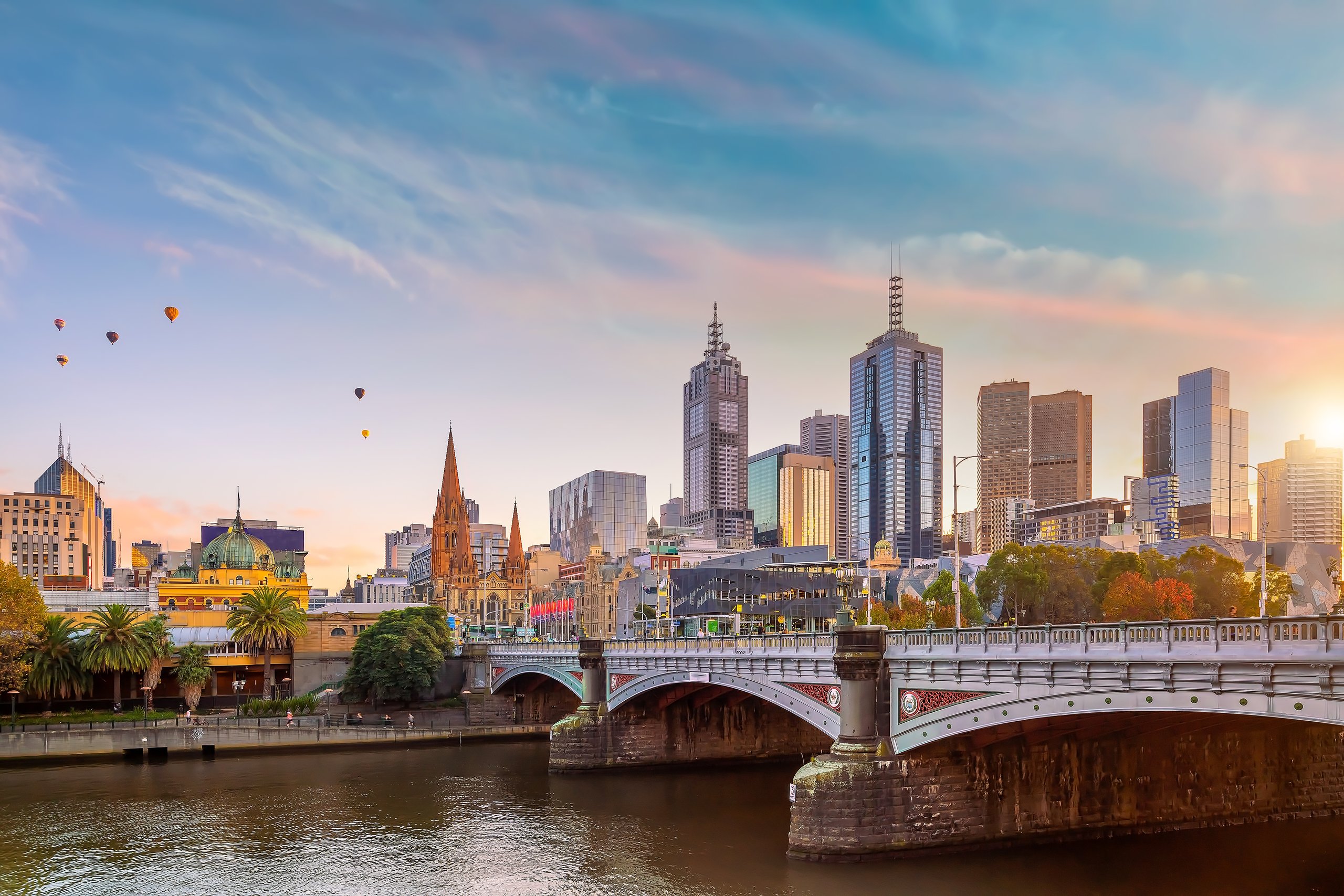
Melbourne consistently ranks as one of the world’s most liveable cities, and it’s easy to see why. The capital of Victoria has a thriving arts and culture scene, a deep passion for sport and food, and a public transport network that keeps the city moving around the clock. Weekend nights are covered by Melbourne’s Night Network, which runs trains and trams through to the early hours.
The climate is milder than you might expect for a southern city – warm in summer without reaching the extremes of the north, and cool but manageable in winter. That can appeal to British buyers who want sunshine without committing to year-round heat.
City-centre living typically means apartments, which are well-established and competitively priced compared to houses. The median house price across Greater Melbourne currently sits at AUD $1,082,728 [1], and Melbourne has recently become the third most affordable capital city for houses – behind only Hobart and Darwin. Outer suburbs such as Nillumbik, Geelong and Ballarat offer considerably more for your money. Nillumbik, a green wedge area to the northeast, has been recognised in quality-of-life surveys for its combination of open space, good schools and community character.
Melbourne is also well positioned for wider travel. It’s within flying distance of Fiji, Bali and Japan, making it a practical base for anyone planning to explore the region.
Sydney, New South Wales
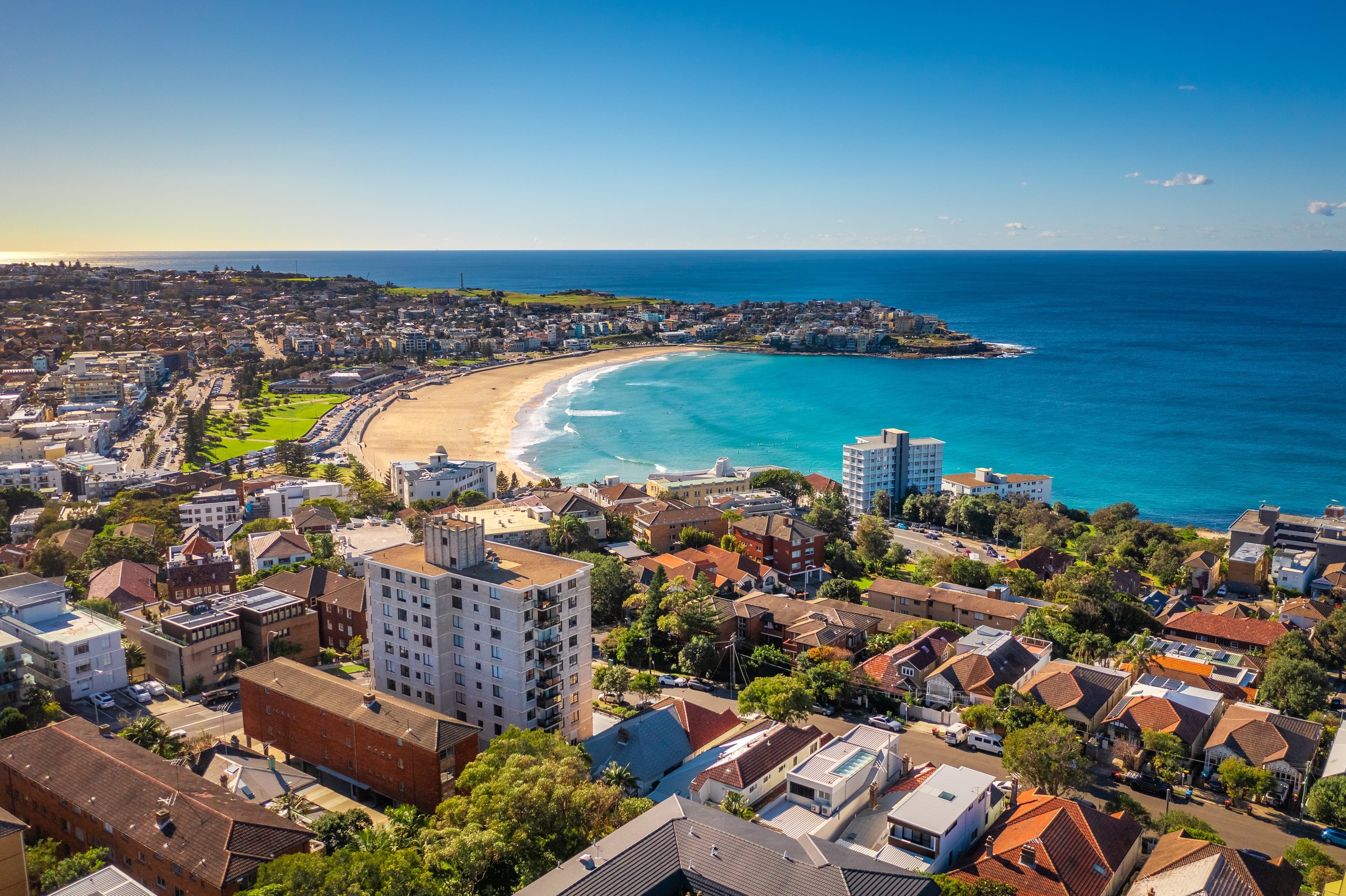
Sydney needs little introduction. Australia’s largest city sits on one of the world’s great harbours, with iconic landmarks, world-famous beaches and a pace of life that reflects its status as the country’s financial capital. Bondi Beach draws visitors from around the globe, but it’s just one of dozens of ocean beaches within reach of the city.
The city is more business-focused than Melbourne, salaries are higher and so is the cost of living. The median house price in Sydney stood at AUD $1,791,643 at the end of the March 2026 quarter [1] – a figure that puts detached housing firmly out of reach for most buyers without significant equity or local connections. The apartment market offers a more realistic entry point, and suburbs such as Kirribilli, Balmain East, Glebe and Hunters Hill remain popular with overseas buyers who want a genuine city experience.
Sydney’s Aboriginal heritage runs through the city in ways that continue to shape its culture – from street art and public installations to community events and place names. Its food scene reflects a multicultural mix that few cities outside Southeast Asia can match.
Sydney rewards those who have the budget for it. If you don’t, Melbourne and Brisbane offer comparable city living at a more accessible price point.
Adelaide, South Australia
Adelaide is regularly cited as one of Australia’s most liveable cities, and the people who live there tend to agree. The capital of South Australia has a reputation for being easy to get around, genuinely affordable relative to the eastern capitals and serious about food and wine – all qualities that appeal to buyers looking for somewhere they can actually enjoy day-to-day life.
The Adelaide Central Market is widely regarded as one of the finest food markets in the country, and the city’s proximity to the Barossa Valley, Clare Valley and McLaren Vale means world-class wine country is never more than an hour’s drive away. The climate is warm and dry in summer, mild in winter – more predictable than Melbourne and less intense than Queensland.
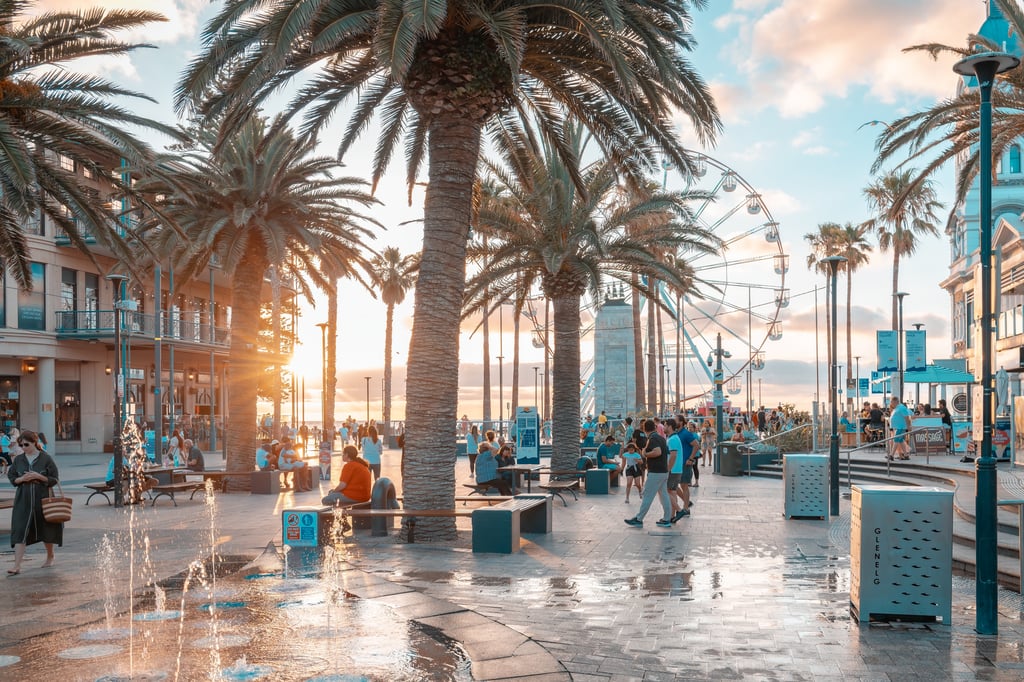
Adelaide has its own international airport, a growing tech and defence sector, and a university population that keeps the city feeling active. Suburbs worth exploring include Port Adelaide, Semaphore, Glenelg and Henley Beach – all offering a mix of period terraces, stone cottages and more modern builds.
The median house price across Greater Adelaide currently sits at AUD $1,099,293 [1], with 16% annual growth making it one of the fastest-rising markets in the country. It has now overtaken Melbourne on price – something that would have seemed unlikely even a few years ago – but it remains considerably more accessible than Sydney or Brisbane and continues to attract buyers from interstate, which is generally a positive sign for long-term values.
Newcastle, New South Wales
If the idea of living in a major capital city doesn’t appeal, Newcastle is worth a serious look. Just two hours north of Sydney, it’s one of Australia’s oldest cities and has a distinctive character shaped by its industrial heritage, its coastline and a strong surf culture – it hosts Australia’s largest surf festival each year.
Newcastle has reinvented itself considerably over the past two decades. The waterfront has been transformed, the city centre is walkable and well-served by cafés and independent shops, and the surrounding Hunter Valley is one of Australia’s most established wine regions. For families and those planning to retire, it offers a more relaxed pace than Sydney without the sense of being cut off.
The property market has performed strongly in recent years. The median house price for the Newcastle and Lake Macquarie area crossed AUD $1 million to reach $1,047,972 as at December 2025 [2], up almost 10% year-on-year. The city continues to attract buyers priced out of Sydney who want coastal living without a full relocation to Queensland. Victorian terrace houses remain available, particularly in inner suburbs, and the variety of stock is wider than in many comparable cities.
Families in particular tend to settle well here: the schools are well regarded, there are beaches and coastal paths on the doorstep, and the community has the kind of size that allows people to put down roots quickly.
Before you buy
Australian property law, foreign ownership rules and the practicalities of buying from abroad mean it’s worth taking advice before you start making offers. The Foreign Investment Review Board (FIRB) sets out rules on who can buy what, and these differ depending on whether you’re a temporary resident, a permanent resident or a non-resident investor.
Currency is also worth planning carefully. The AUD/GBP rate moves, and a shift of even a few percentage points can add or remove tens of thousands of pounds from your budget. The team at Smart Currency Exchange can help you understand your options and, where appropriate, lock in a rate so your budget doesn’t shift between offer and completion.
Download the free Australia Buying Guide for a step-by-step overview of the process:
Download the Australia Buying Guide
Sources: