





A student visa can be a surprisingly realistic way to live in Europe long term. Recent news about the UK rejoining Erasmus from 2027 has put studying abroad back in the spotlight, but it’s adult-friendly student visas – not exchange schemes – that could offer legal residence, work rights and a stepping-stone to future residency.
In the wake of the UK confirming it will rejoin the Erasmus scheme from 2027, many UK citizens are questioning what this means for living in Europe post-Brexit. While Erasmus itself mostly applies to university courses and exchange programmes, the bigger story for people considering a life overseas is the broader opportunity student visas present. Enrolling on a course in a European country can be a practical way to live legally in Europe long term, work part-time and build the life you’ve been dreaming of without the high cost and complexity of other visa routes.
Contents
- Why a student visa matters for long-term living
- How a student visa gives you legal residence
- Work rights: how much can you work?
- Exploring your options: short courses vs degree programmes
- Country highlights: what the student visa route looks like
- How to choose the right course and institution
- Practical steps to apply
- Student visa to residency: what’s possible
- The Erasmus news and what it means
- Is this route right for you?
- Summary
- Frequently asked questions
Why a student visa matters for long-term living
Most people think of student visas as something only 18- to 22-year-olds use. But in many European countries, there is no upper age limit for student visas. You don’t have to fit the stereotype of Erasmus exchanges to qualify; what matters is enrolment in an accredited educational programme and meeting the immigration requirements. That opens the door for anyone from mid-life career changers to early retirees and digital nomads wanting a European base.
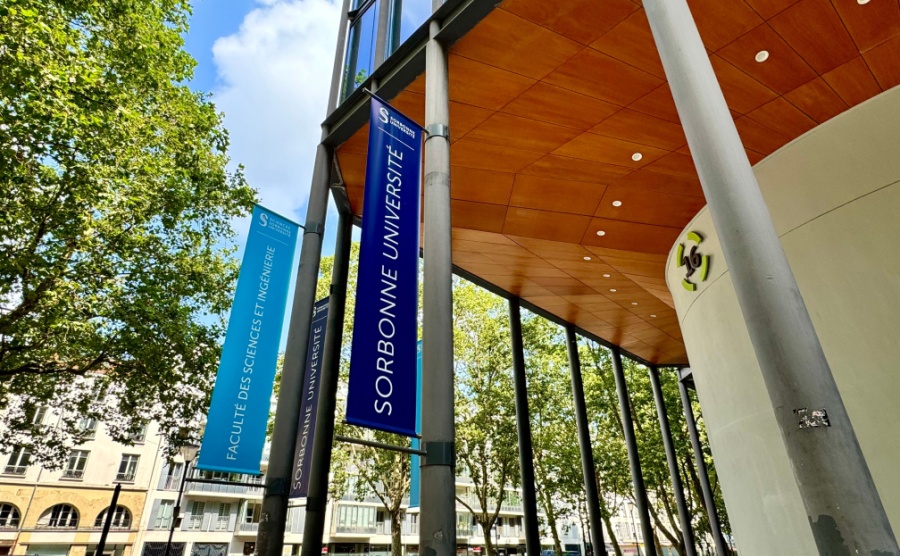
Countries across the EU allow student visa holders to stay for the duration of their course and often to renew or extend that stay with subsequent programmes or pathways to longer-term residency. For example, Italy and Spain both let you stay for the length of your study, renew afterward if you enrol in another recognised programme, and in some cases, transition to other types of visas later on.
How a student visa gives you legal residence
A student visa is fundamentally about legal permission to live in a country while you study. But in practice, it also:
- Allows you to live in Europe for months or years at a time, depending on course length
- Grants legal status to open bank accounts, access health services and rent property
- Often allows part-time work (typically up to around 20–30 hours per week) while studying
- Can provide a base from which to transition to other residency routes over time
Work rights: how much can you work?
The main attraction for many mid-life people and remote workers is the ability to work while studying.
In many EU countries, student visas allow part-time employment of around 20 hours per week during term and full-time during holidays. In some cases, this can be even more flexible for longer programmes.
Remote workers can often continue their client or freelance work alongside their studies as long as it complies with local tax and visa regulations.
This means you can support yourself financially and enjoy a lifestyle abroad without relying solely on savings or pensions.
Exploring your options: short courses vs degree programmes
You don’t have to sign up for a traditional three-year degree to get this benefit. Many European universities and institutions offer shorter programmes that still qualify for student visas:
- Language courses
- Professional certificates
- Diploma programmes
- Part-time or modular study
These can range from a few months to a year or more. If you choose multiple sequential programmes, you can often extend your residency repeatedly without leaving the country.
Country highlights: what the student visa route looks like

Here’s a typical picture of how this works in some popular European destinations.
France
- Let you study on recognised programmes, including French language courses
- Permit limited part-time work alongside your studies
- Allow you to stay for the duration of your course and renew your visa if you continue studying
France’s student visa is sometimes used by semi-retirees or digital nomads who want a long-term base in France without applying for a work visa. See more information here.
Spain
In Spain, student visas:
- Let you study on almost any recognised programme
- Permit part-time work alongside your studies
- Allow you to stay for the full length of your course and renew your visa if you continue studying
Spain is particularly popular for language learning and cultural studies, which tend to be welcoming and flexible for adult learners.
Italy
In Italy, student visas:
- Cover a wide range of recognised educational programmes, including university courses and language schools
- Allow you to stay for the duration of your course
- Permit part-time work alongside your studies, typically up to 20 hours a week
- Can be renewed by enrolling on a further eligible programme
Requirements vary by region and course type, but the overall flexibility makes Italy a popular choice for older students and lifestyle movers.
Portugal
In Portugal, student visas:
- Allow you to enrol on recognised higher education courses, language programmes and other accredited studies
- Let you stay in the country for the duration of your course
- Permit part-time work alongside your studies, subject to limits
- Can be renewed if you continue studying on an eligible programme
As with Italy and Spain, there is no upper age limit, which makes Portugal a practical option for older students and those planning a longer-term lifestyle move.
Other EU countries
Other EU nations also offer student visa routes with slightly different rules, but the underlying pattern is the same: study = legal residence + work rights + potential for extension.
How to choose the right course and institution
Not all courses will qualify for a student visa. To make this work for your long-term plans:
- Choose a course that’s recognised by immigration authorities – private short courses that don’t have official status often won’t count.
- Check the visa length and renewal rules – some programmes are only short and don’t allow easy visa extensions unless you move onto another recognised course.
- Consider language requirements – some programmes might need a certain level of the local language, while others are taught in English.
- Think about your long-term goals -are you planning to eventually switch to a different type of residency? If so, picking a country with a clear pathway to long-term stay is key.
Practical steps to apply
Here’s a general roadmap for how you would do it:
- Choose your country and course – make sure it qualifies for a student visa and suits your lifestyle goals.
- Apply to the institution and secure an acceptance letter – this is essential for your visa application.
- Prepare your visa application – you’ll typically need:
- Proof of acceptance
- Proof of financial means, even if you plan to work while studying
- Health insurance
- Accommodation details
- Passport and photos
- Submit to the appropriate embassy or consulate – and wait for approval.
- Arrive and register locally – with immigration or your local town hall if required.
Student visa to residency: what’s possible
A student visa isn’t automatically a residency permit in the sense of permanent residency, but it is a legal foothold. In many countries, you can:
- Renew your student visa with successive programmes
- Stay continuously for years
- Eventually apply for longer-term permits if you meet criteria such as language tests, continuous residence or integration requirements
Every country’s rules are different, and this is where local legal advice or immigration counsel is very valuable.
The Erasmus news and what it means
The recent announcement that the UK will rejoin the Erasmus scheme from 2027 has stirred interest. While Erasmus itself is mainly about student exchanges and study abroad, the broader point for long-term movers is this: Europe still welcomes students, including adult learners, and there are viable legal paths to make Europe home with a student visa.
Is this route right for you?
A student visa won’t be for everyone. It still requires study commitments, paperwork and adherence to immigration rules. But if you’re looking for a legal, affordable, flexible route to live in Europe, it’s one of the most under-used options out there. With careful planning, it can be both a lifestyle choice and a stepping-stone to longer-term residency.
Student visas and other routes at a glance
You may find it helpful to compare a student visa with other common routes people consider when planning a longer stay in Europe. Here’s a high-level overview.
| Route | Who it suits | Key considerations |
|---|---|---|
| Student visa | Mid-life movers, early retirees, remote workers | Lower cost, legal residence through study, part-time work allowed in many countries, renewable with further courses |
| Golden visa | Investors and high-net-worth buyers | Requires significant financial investment, rules vary by country and change frequently, often limited day-to-day integration |
| Non-lucrative or financially independent visa | Early retirees with steady income | No paid work allowed, higher income thresholds, suitable for full retirement rather than gradual relocation |
| Work or digital nomad visa | Employees, freelancers and remote workers | Income requirements can be high, tied to employment or contracts, less flexible if circumstances change |
Download the golden visa guide
Summary
Using a student visa to live in Europe can be a practical and realistic option for people beyond the typical university age. It gives you legal residency, work rights and the flexibility to stay long term as you pursue learning and life abroad. With thoughtful choice of country and programme, plus a clear plan, this route can turn a dream of living in Europe into reality.
Frequently asked questions
Most European countries offer national student visas for people enrolled on recognised courses. These can include university degrees, language programmes and other accredited studies. There is usually no upper age limit, and many countries allow limited paid work alongside study. The visa is typically valid for the length of the course and can often be renewed if you enrol on another eligible programme.
Beyond student visas, other options in Europe can include non-lucrative or financially independent visas, work and digital nomad visas, golden visas, family reunification routes, citizenship by descent and long-term or permanent residency. Each comes with different income requirements, work permissions and renewal rules. Explore more.
Erasmus+ is a European exchange scheme that allows students, apprentices and vocational learners to study or train in another country for a limited period. There is no age limit, but participation depends on being enrolled at a participating institution and being nominated through an existing exchange agreement. While it’s a valuable opportunity, Erasmus is not designed as a route to long-term residence, which is why many mid-life movers find direct enrolment abroad more practical.