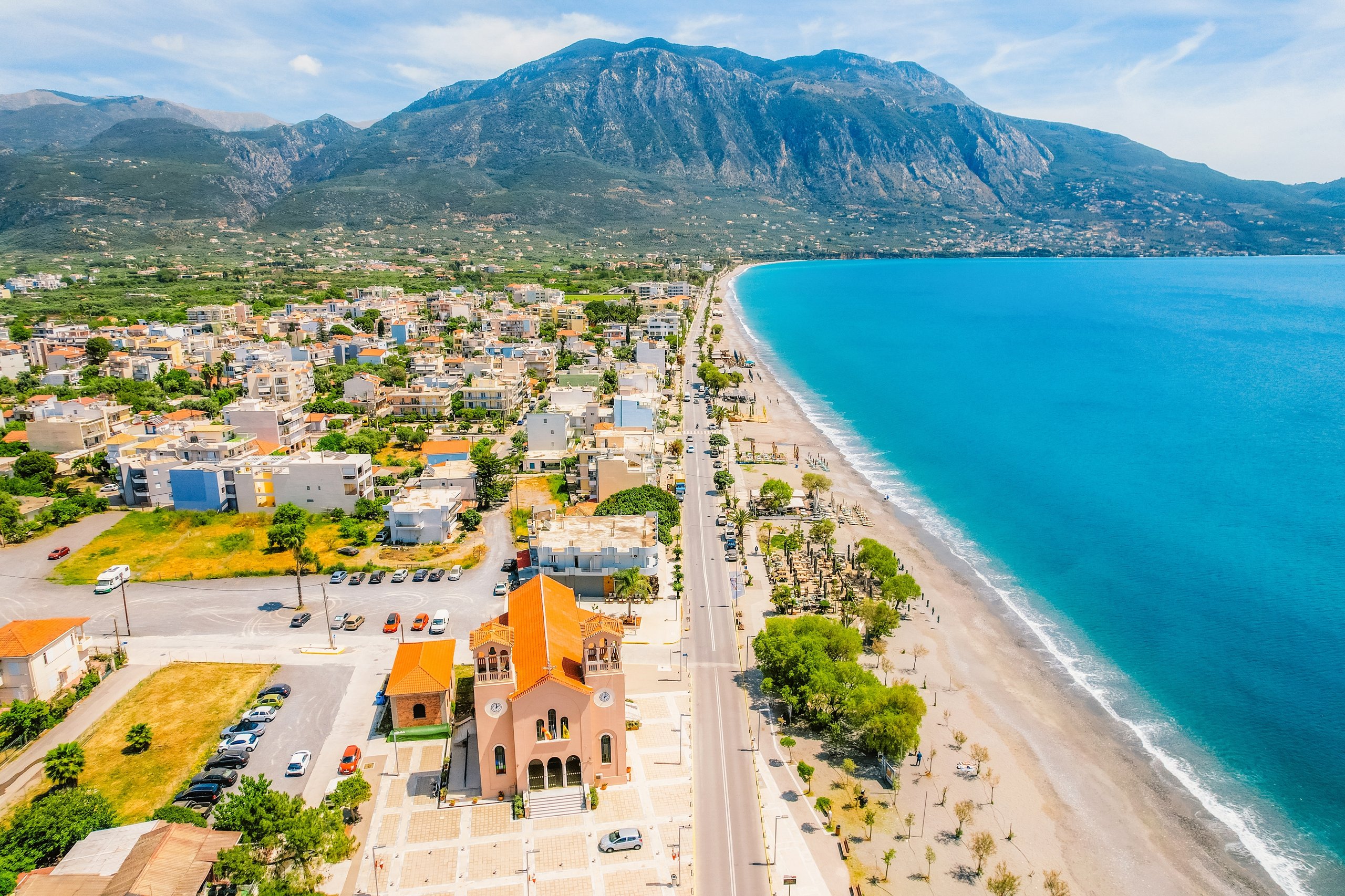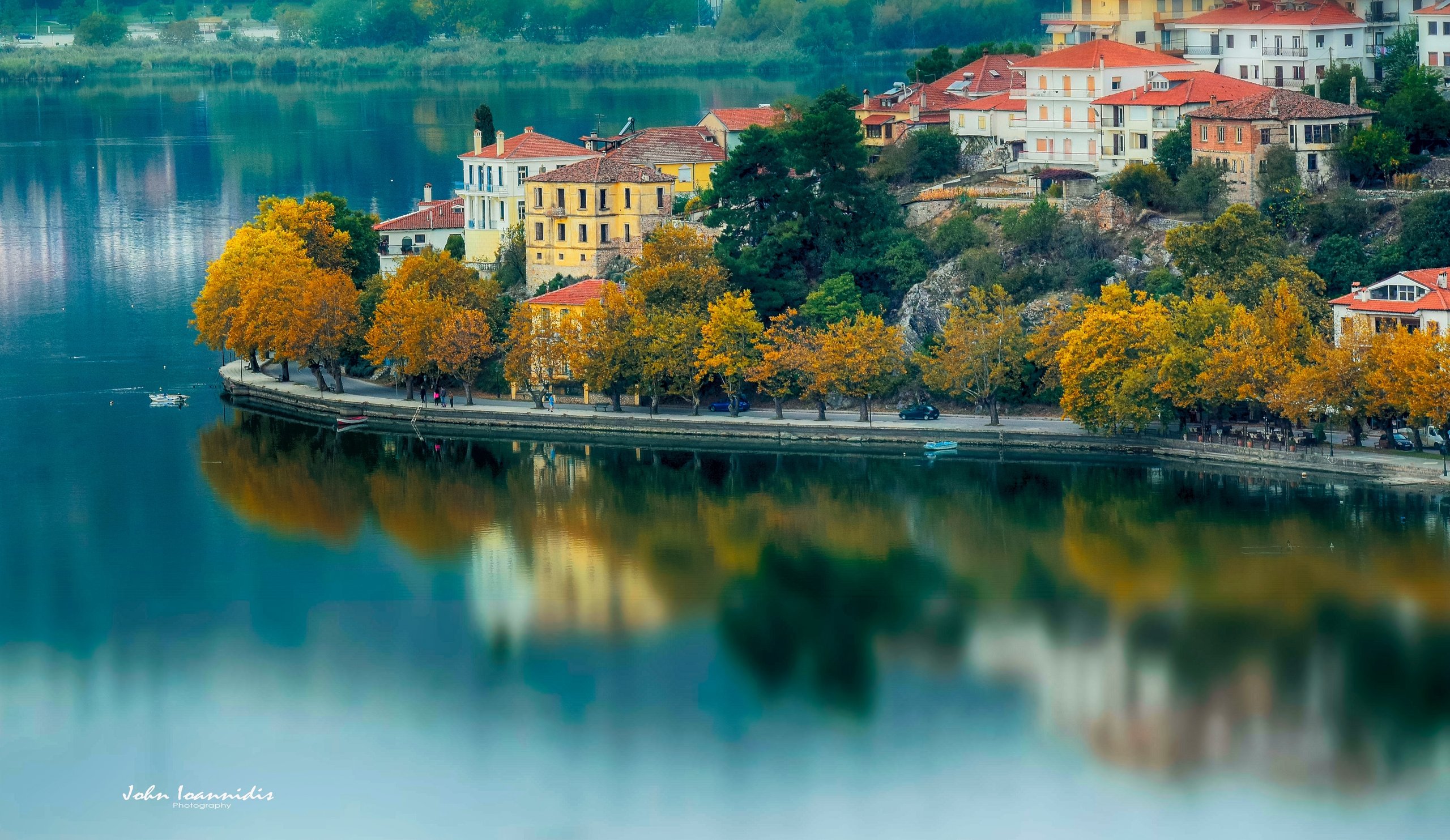

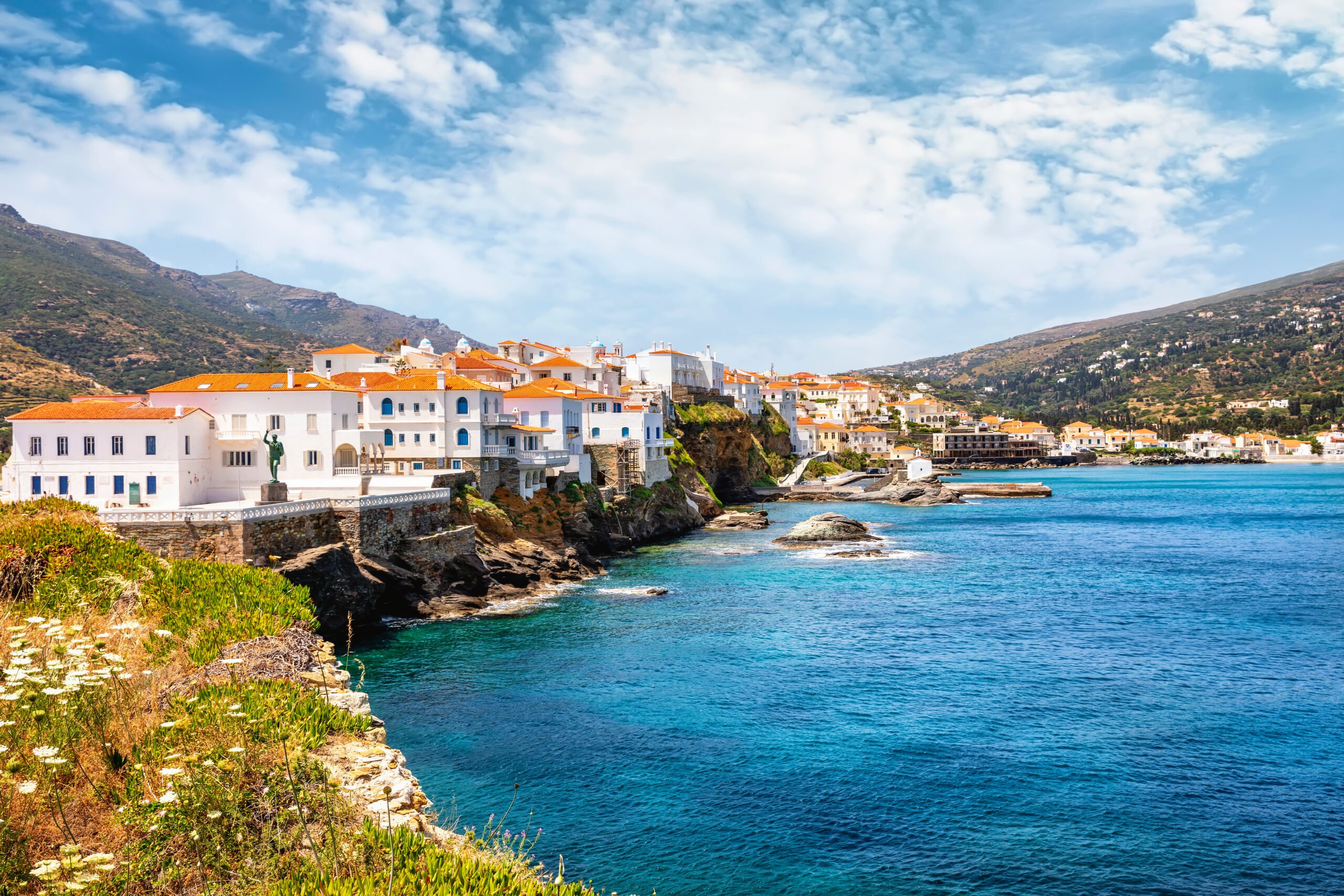

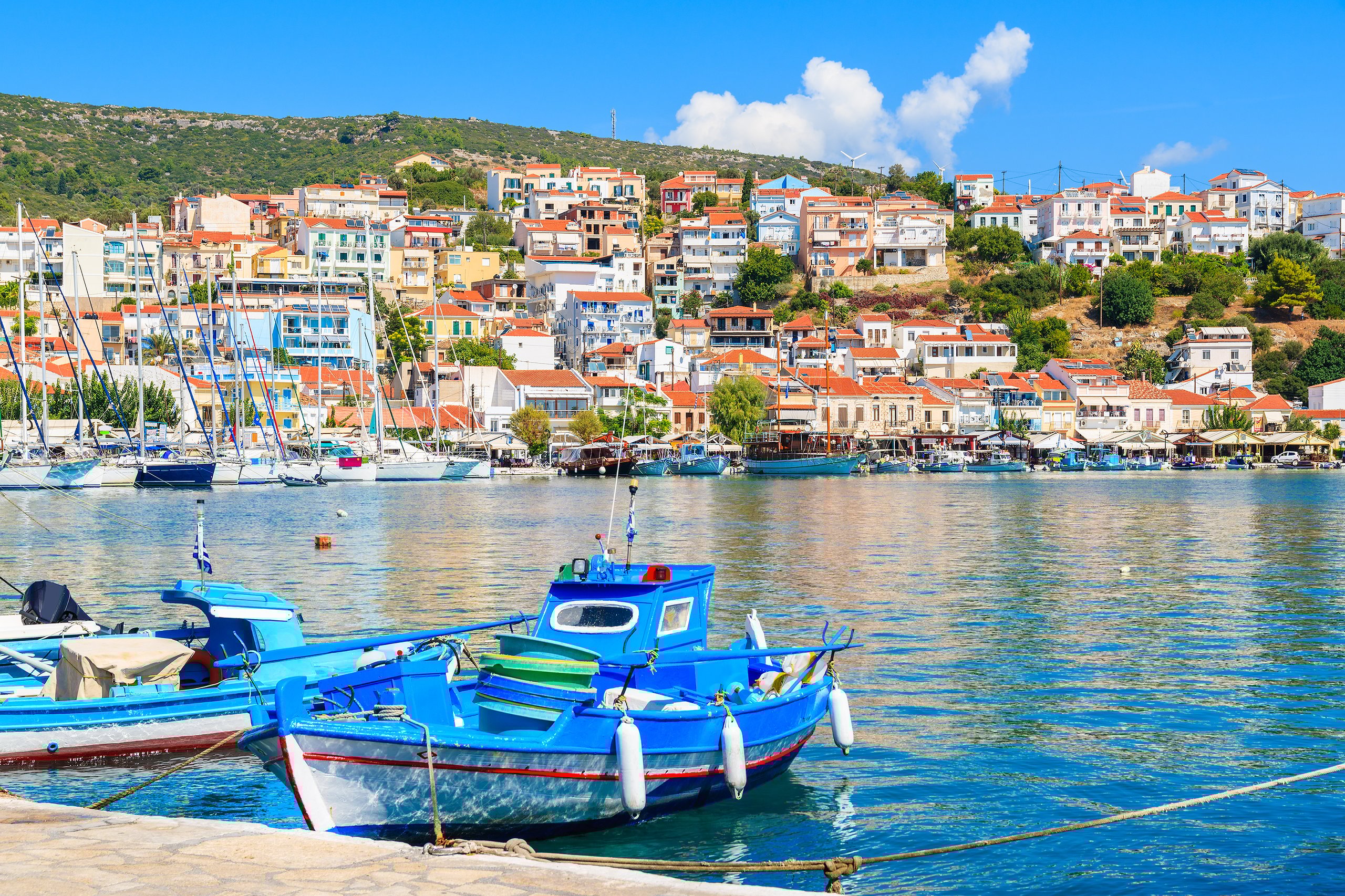
If long lunches by quiet beaches and stopping to chat with locals appeal more than crowded hotspots, the North Aegean Islands may be the right fit for you. This is a corner of Greece where buying a home is as much about joining a community as finding the right property.
The North Aegean Islands are often overlooked in favour of destinations further south. But for many buyers, that’s exactly the appeal. You get peaceful beaches, friendly towns, long-standing cultural traditions and home-cooked food – all without the crowds of Crete or Rhodes. Keep reading to find out where, how and what to buy in this underexplored region of Greece…
Download the Greece Buying Guide
Contents
Why choose the North Aegean Islands
If you’re drawn to places with character and history, you’ll find plenty here on Lesvos, Chios, Samos, Ikaria and Limnos. Town squares still act as gathering points, families run generations-old tavernas and traditional festivals are taken seriously.
The scenery is another of the region’s biggest draws. Olive groves run down to quiet coves, volcanic hillsides frame small fishing villages and waterfronts are geared more towards everyday living than mass tourism.
Food plays a large role in daily life across the islands. You’ll enjoy long lunches with grilled sardines, fresh cheeses such as mastelo from Chios, Ikaria’s slow-cooked stews and Limnos’ excellent wine. Neighbours will recommend their favourite tavernas, invite you to try a homemade dish or pull up a chair when they see you at the local café. These small gestures can help you build friendships quickly and feel part of the community, rather than just a visitor.
Deciding which island suits you best
Each island has its own appeal, so spending time exploring is essential before arranging any viewings.
Lesvos
Lesvos, the largest of the North Aegean Islands, offers a wide range of property styles, from stone village houses to seafront apartments. Mytilene, the main town, has year-round services, schools and healthcare, making it a good option for families and retirees.
Chios
Chios is known for its medieval villages and quieter tourism scene. Buyers often focus on the southern mastiha-growing villages or the northern coastal areas with wide sea views.
Samos
Samos has a greener landscape and several lively harbour towns. It’s great if you want steady winter activity without too much noise. Properties here can offer excellent value, especially inland, where renovated stone houses remain affordable.
Ikaria
Ikaria has a famous reputation for longevity and a relaxed way of life. Its mountain villages feel more traditional, and buyers who enjoy walking, nature and a close-knit atmosphere will love it here.
Limnos
Finally, Limnos is relatively flat, with long sandy beaches and an understated feel. It suits buyers who want space, calm and a daily routine that’s easy to settle into.
The types of homes you’ll find across the islands
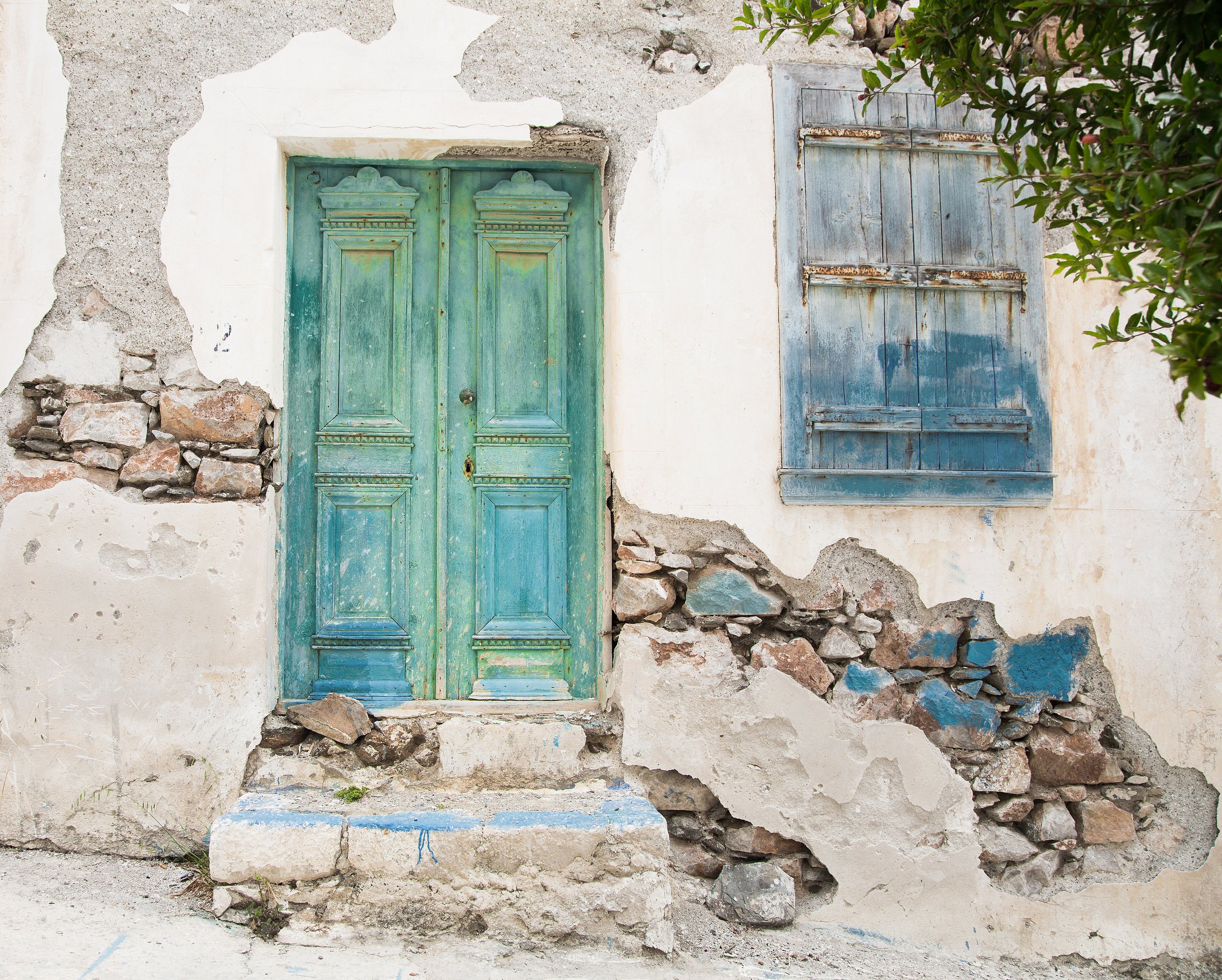
In the North Aegean, most properties fall into one of three categories: older stone houses, modern apartments or detached houses on generous plots. If you enjoy character, traditional homes offer thick walls, shuttered windows and peaceful courtyards.
Apartments are less common than on Greece’s better-known islands, but you’ll still find them in larger towns such as Mytilene and Vathy in Samos.
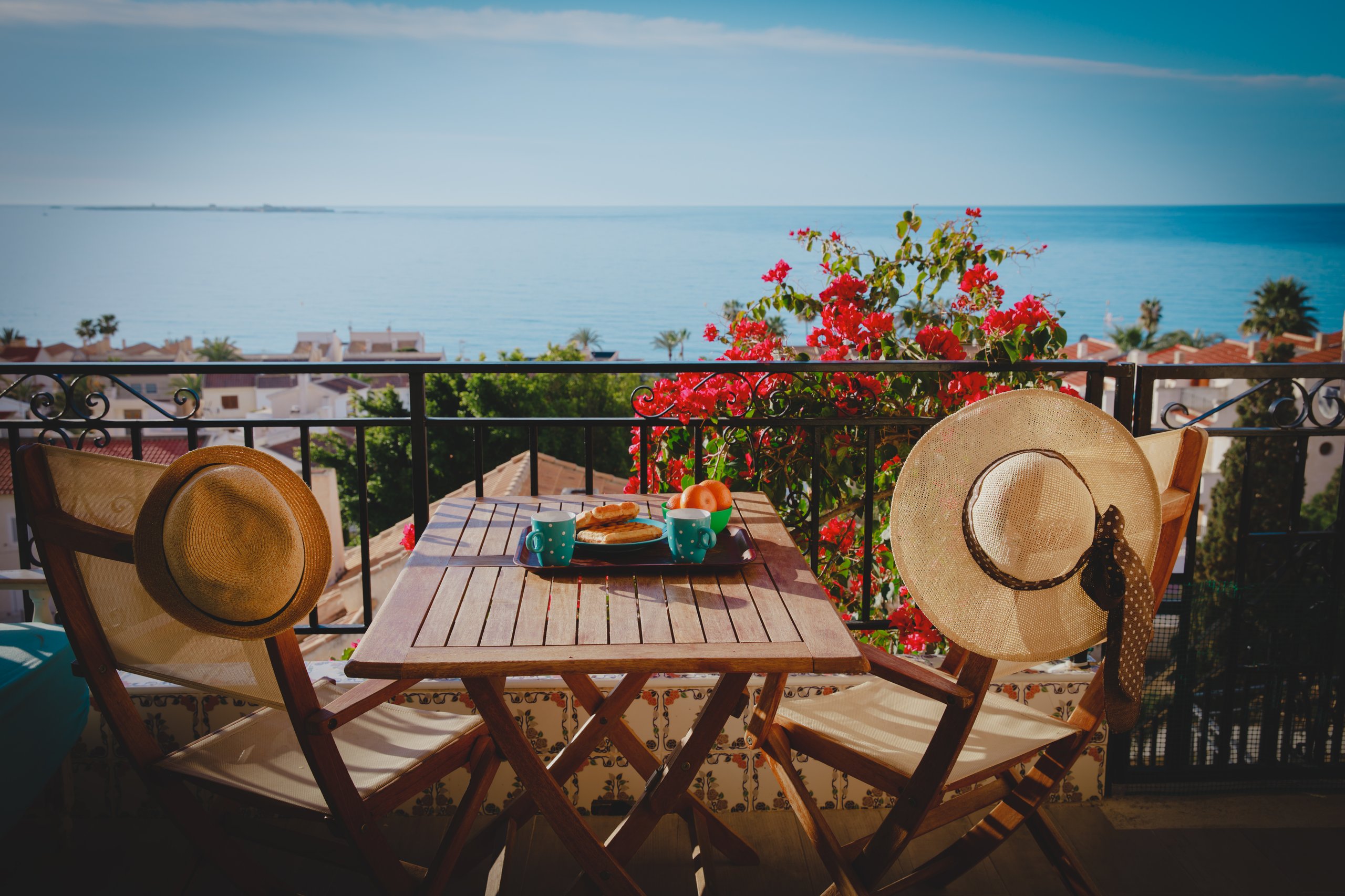
Detached houses, particularly on Limnos and parts of Lesvos, provide good value for money. Plots tend to be larger than in the Cyclades, so you may end up with more outdoor space than expected. Perfect for gardening, outdoor cooking and long evenings on the terrace!
Practical considerations when buying
Buying a home in Greece is usually a straightforward process, but there are practical points worth noting. Many older properties require checks for structural soundness, boundary clarity and historic protection rules. Having a knowledgeable local lawyer is essential, as they will take the time to explain what you’re signing and make the steps easy to understand.
You’ll also need an AFM (Greek tax number), which your lawyer can organise. Once you’ve chosen a property, a notary oversees the contract and the Land Registry records the purchase.
If you’re buying in a rural village, ask about road access, water supply and proximity to services. While the islands are well connected, some villages are quiet in winter, which many buyers love, but it’s helpful to know what to expect.
For remote workers, internet access has improved significantly in the last few years. Towns and most large villages offer fast connections, though in more rural areas it’s a good idea to speak with neighbours or technicians before committing.
Speak to a Greece property expert
Everyday life once you’ve moved in
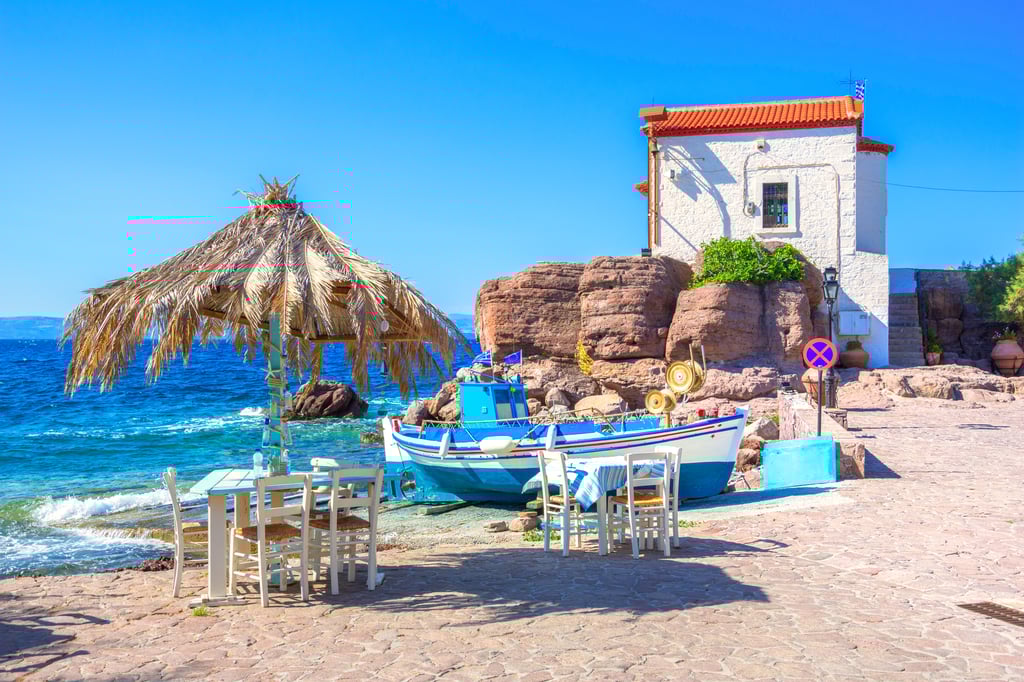
Unlike islands heavily reliant on tourism, life in the North Aegean group continues through all seasons. In winter you’ll see café owners chatting with locals, children playing in squares after school and fishermen mending nets on the harbour first thing in the morning.
If you’re retiring, you’ll appreciate the relaxed pace, reliable healthcare in larger towns and friendly atmosphere. Families benefit from good schooling options and safe, welcoming communities.
Holiday-home owners enjoy steady flight connections from Athens and Thessaloniki, along with international routes in the warmer months. Ferries are reliable, so if you’re splitting your time between islands, travel is usually straightforward.
Viewing properties and making informed decisions
When you book viewings, try to see each property at different times of day. Morning light reveals how the home feels in cooler hours, while late afternoon gives you a sense of outdoor living potential. If noise levels matter to you, you may want to visit in the evening as well.
Speak to neighbours whenever possible. They can offer accurate, practical insights into everyday life, local events and what the weather is like in winter. In smaller communities, this local knowledge is invaluable and can speed up your decision-making.
FAQs
Generally, the best-value islands tend to be in the northern and eastern Aegean. Lesvos, Limnos and Chios often offer lower prices than the Cyclades or Dodecanese, especially if you’re open to homes in traditional villages or older properties that may need light renovation.
Yes, foreigners can buy property throughout Greece, including the islands. The process is straightforward, although some areas near borders or military zones may require additional permissions. Your lawyer will guide you through the steps, help you obtain a Greek tax number and ensure the transaction goes smoothly and safely.
There’s no single “best” island, as different islands suit different needs. In the North Aegean Island group, Lesvos is ideal if you want year-round life and more property choice, while Samos appeals to buyers wanting greenery, harbour towns and good value. Limnos suits those seeking quiet beaches and space. Chios and Ikaria are great for anyone who enjoys a traditional, relaxed lifestyle.