

The Ionian Islands are known for their green landscapes, calm pace and friendly communities, making them an appealing choice if you’re thinking about buying a home in Greece. This guide gives you clear, practical advice on daily life, property options and what to know before choosing your base in this beautiful part of the country.
The Ionian Islands attract people who enjoy long summers, relaxed living and a milder climate than the Aegean. If you’ve visited places like Corfu, Kefalonia or Zakynthos before, you might already have a sense of the region’s gentle rhythm – one that suits long-term living just as well as holidays. Set along Greece’s western coast, the Ionians offer a different style of island life, with greener scenery, Italian influences and a more sheltered position in the Ionian Sea. If you’re thinking about putting down roots here, you’ll find a welcoming atmosphere, good connections to the mainland and everyday routines that suit a steady, year-round lifestyle.
Download the Greece Buying Guide
Contents
Getting to know the Ionian Islands
The Ionian group stretches down the western side of Greece and includes some of the country’s best-known islands: Corfu, Kefalonia, Zakynthos and Lefkada. Smaller islands like Ithaca and Paxos also draw people who prefer quieter places with a slower pace.
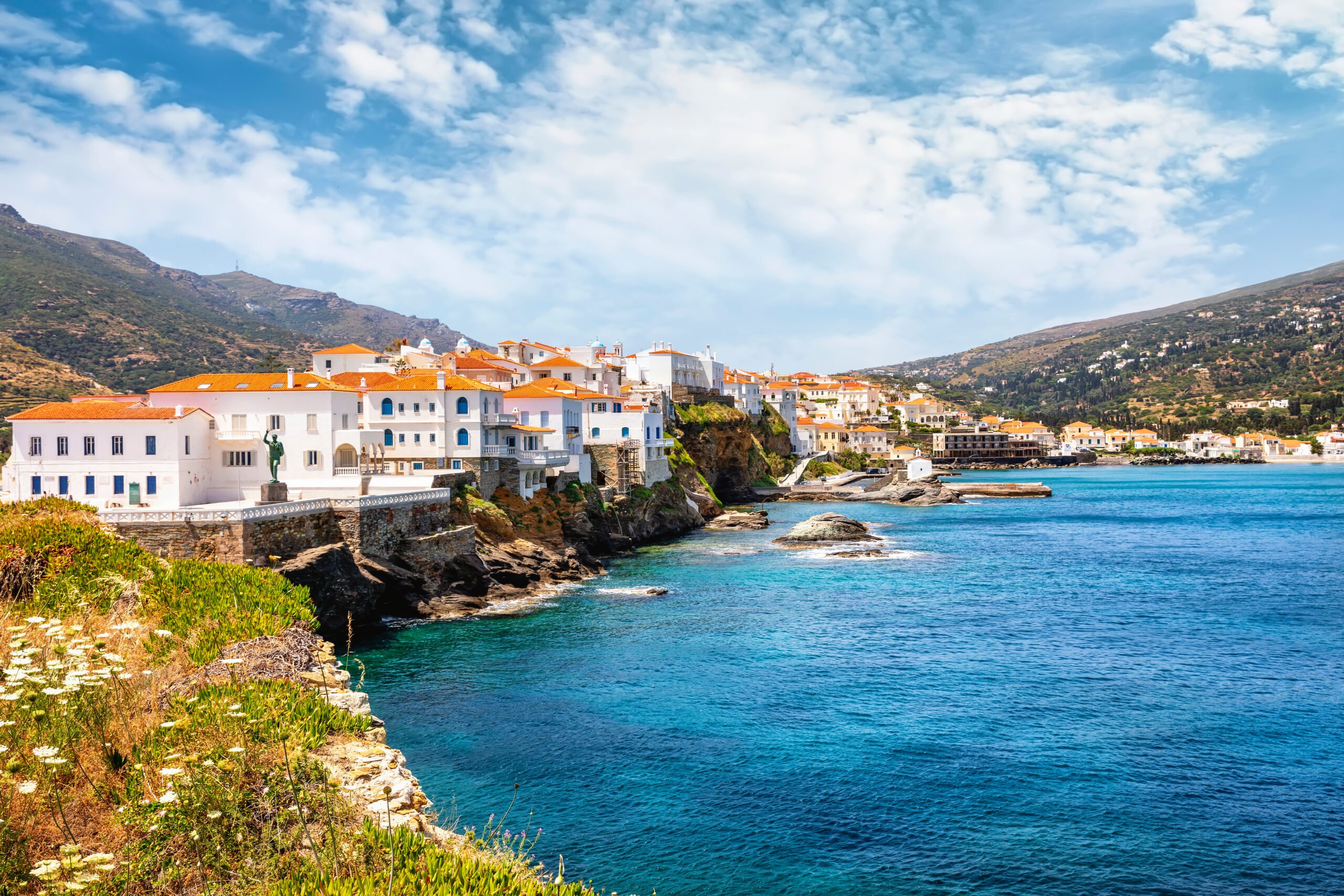
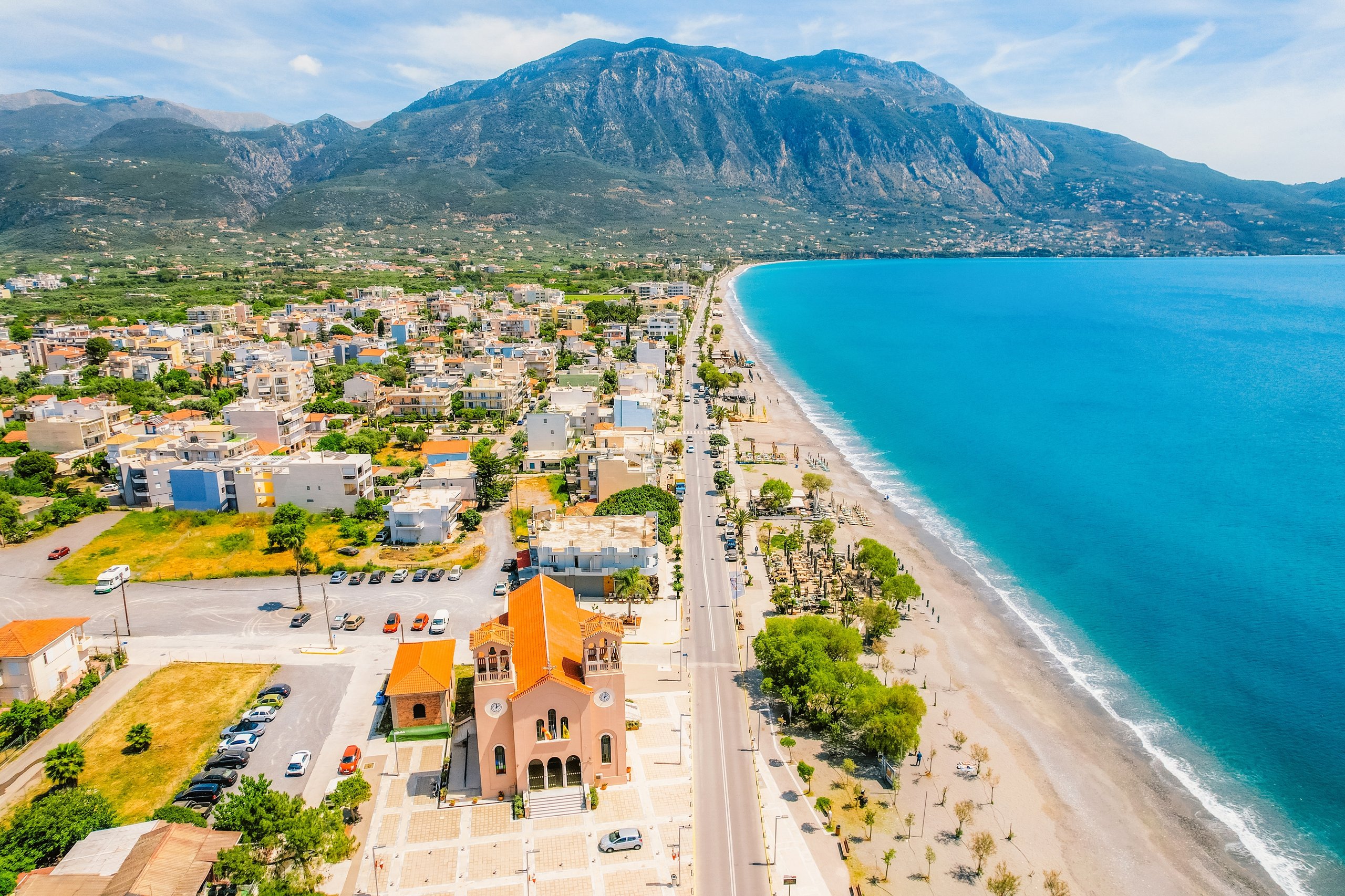
Compared with the Aegean, the Ionian Islands are greener, with olive groves, cypress forests and mountain villages that give each island a distinct feel. The region also has strong links to Italy – something you’ll notice in the architecture, food and even local accents. Larger islands like Corfu and Kefalonia have airports with regular international flights, which makes travel straightforward, especially in summer. Ferries connect the islands with each other and with mainland ports such as Igoumenitsa and Patras.
What it’s like to live here year round
Life in the Ionian Islands feels calm and steady all year round. Winters are cooler and wetter than in the Aegean, but life continues at a gentle pace. Larger islands like Corfu and Kefalonia keep shops, cafés and services open all year, which helps make the transition from holiday visits to full-time living feel smooth. Smaller islands have quieter winters, but many people find the slower routines appealing, especially if they enjoy walking, swimming on empty beaches or getting involved in local events.
If you plan to work remotely, it’s important to check the exact area you’re interested in, as internet speeds vary by village and by island. Corfu, Kefalonia and Zakynthos tend to have the most reliable coverage, with improvements continuing gradually.
Property types you can expect
Homes in the Ionian Islands range from traditional stone houses in mountain villages to modern villas and apartments near the coast. Corfu has elegant townhouses and historic Venetian-style homes, while Kefalonia has spacious rural plots and a wide mix of newer builds. Zakynthos offers good value in many inland areas, and Lefkada – which is connected to the mainland by a causeway – combines island scenery with the convenience of not needing a ferry.
Renovation projects are common across the region, particularly in older villages. These can be rewarding, but they require patience and a reliable engineer to assess what is structurally possible. Building regulations vary, so having a knowledgeable lawyer and local professionals involved early on can make the process more predictable.
The most popular islands for overseas buyers
Corfu – lively, historic and well connected
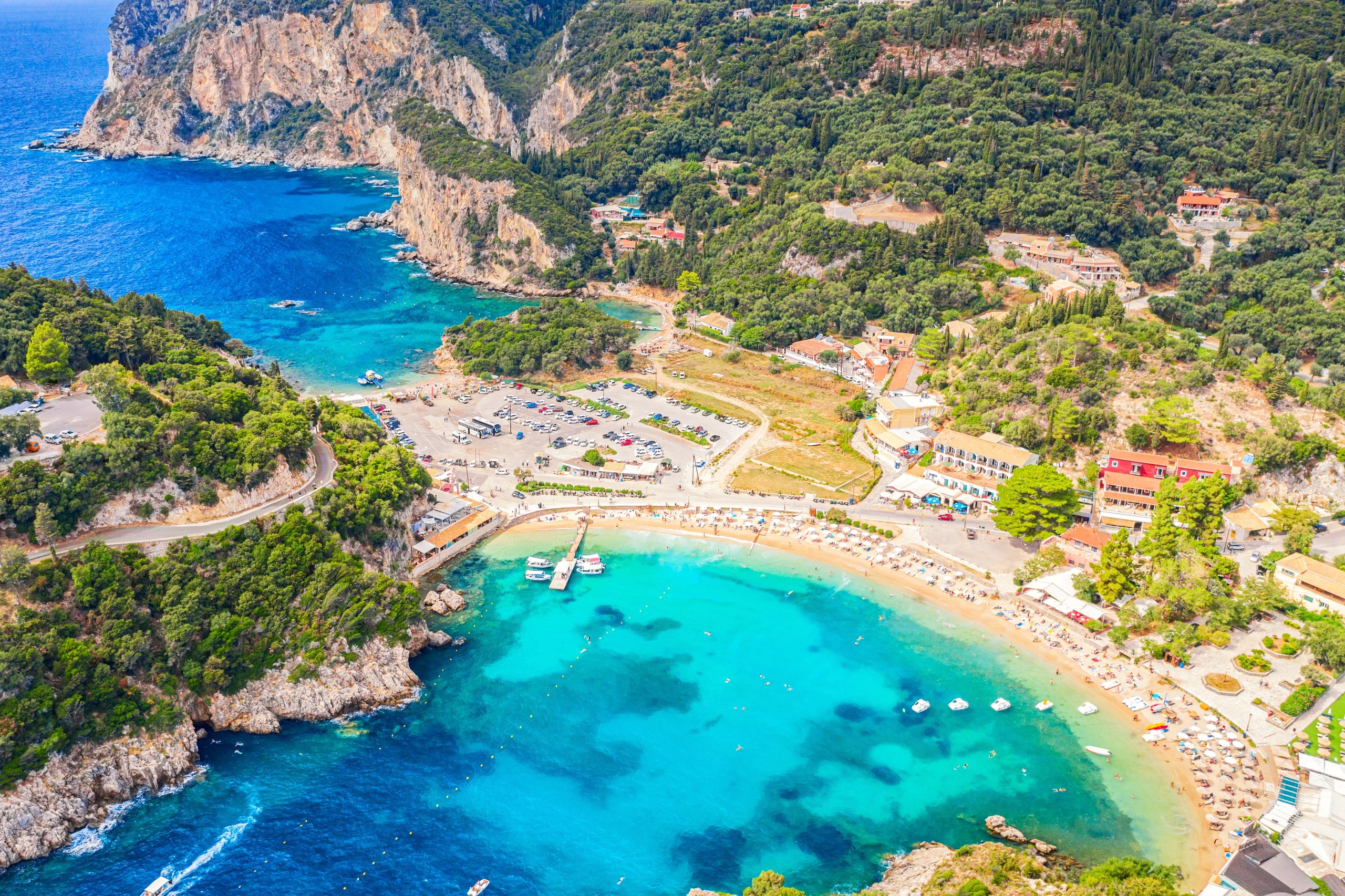
Corfu is one of Greece’s most visited islands, but it also has a strong year-round population and well-established local communities. Corfu Town is known for its Venetian buildings, lively squares and waterfront cafés. The north of the island is home to quiet villages and pretty bays, while the south offers a relaxed atmosphere and good value homes. Corfu has an international airport, reliable mainland connections and a wide range of property styles, which makes it a good choice for buyers who want everyday convenience.
Kefalonia – spacious and scenic
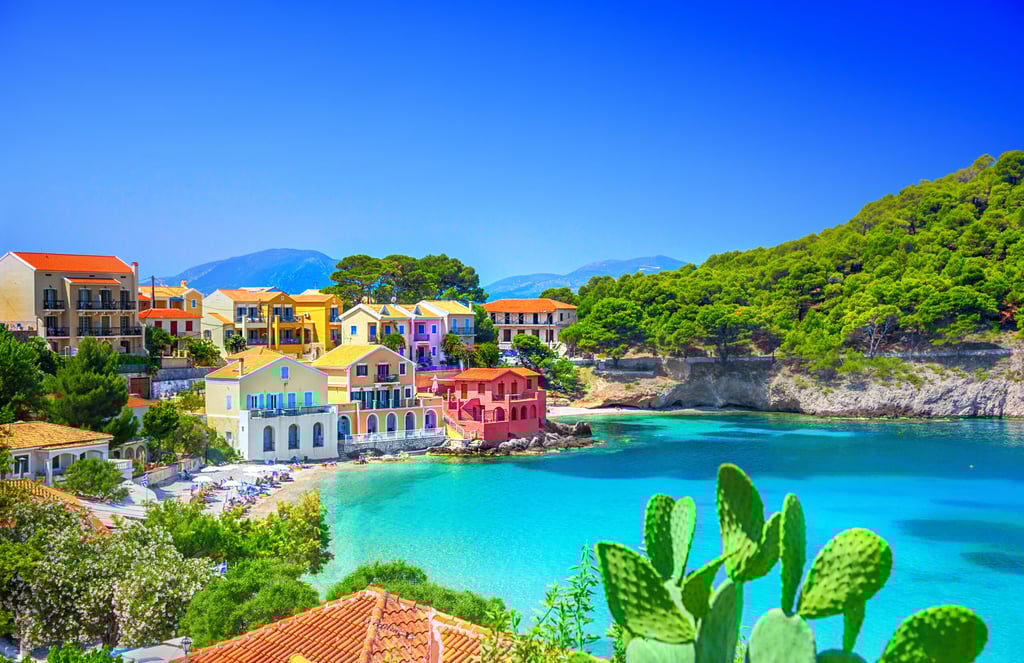
Kefalonia appeals to people who want more space and quieter surroundings. Its coastline includes long beaches, sheltered coves and dramatic cliffs, while inland you’ll find peaceful villages and open countryside. Many homes come with generous plots, and there is a healthy mix of older properties and newer builds. The island’s airport and regular ferry connections make travel easy, and day-to-day life tends to feel calm and relaxed.
Zakynthos – friendly and good value
Zakynthos – or Zante – offers a warm atmosphere and a wide choice of property. You’ll find coastal villages with a relaxed feel, lively areas near the main town and quieter inland communities where homes can be more affordable than on Corfu or Kefalonia. The island has an airport, making travel straightforward. It’s a place that suits people who enjoy a slower pace and easy access to beaches.
Lefkada – island beauty with mainland convenience
Lefkada is unusual because you can drive to it – a causeway connects it directly to the Greek mainland. This makes travel simple, especially if you plan to split your time between Greece and another country. The island is known for its dramatic coastline, sheltered bays and peaceful inland villages. Property ranges from coastal villas to mountain homes with excellent views. Many long-term residents appreciate that Lefkada combines natural beauty with everyday convenience.
Paxos and Ithaca – quiet islands with a gentle pace
Paxos and Ithaca are smaller islands that appeal to people seeking privacy, nature and a calm way of life. Neither has an airport, so you’ll need to travel via Corfu or Kefalonia, but for many that’s part of the charm. These islands have friendly communities and pretty harbours, with property options that suit buyers looking for somewhere peaceful.
Practicalities of buying a home in the Ionian Islands
The buying process is similar across all Greek islands. You’ll need a Greek tax number (AFM), a local bank account and a notary to complete the transaction. A trustworthy lawyer is essential, as they will check planning permissions, boundaries and any building restrictions. You should prepare yourself for common issues like unpermitted construction (known as “Afthaireta”), fragmented title documentation and areas with incomplete land registries (Cadastre). Having someone knowledgeable explain each step can make the process feel smooth and reassuring.
Because rural homes are common in the Ionian Islands, it’s important to check access roads, land boundaries and any agricultural zoning that might affect future plans. Renovation projects can be rewarding, but detailed surveys help you understand what is possible before you commit.
Speak to a Greece property expert
Day-to-day life across the islands
Life in the Ionian Islands revolves around simple routines – morning swims, walks through olive groves, relaxed meals and friendly conversations with neighbours. Summer brings a busy atmosphere in the main villages, while spring and autumn offer warm weather and quieter beaches. Many long-term residents enjoy the sense of community that develops naturally with time, helped by local cafés, small shops and regular ferries that connect you to the mainland or neighbouring islands.
Winters are slower, but they allow you to adapt to the island’s gentler rhythm, and many shops and services stay open all year, especially on the larger islands.
FAQs
Prices vary widely, but some of the most affordable islands tend to be those with fewer tourists. In the Ionian group, Zakynthos generally offers the most accessible entry points, particularly in inland areas. While coastal properties on Lefkada and Corfu are often the most expensive in the region, older homes in quieter villages on any of the islands can still offer good value. More broadly across Greece, islands such as Tinos, Serifos and Amorgos are often more accessible in price than major hubs.
Yes. UK citizens can still buy property in Greece after Brexit. You don’t need special permission for most locations, and the buying process remains open to non-EU nationals. If you plan to stay for long periods each year, you may need to look into the appropriate residency option, but owning a home is completely allowed.
Buying in Greece is generally straightforward when you have a knowledgeable lawyer involved. You’ll need a Greek tax number (AFM), a local bank account and a notary to complete the transaction. With the right professional support, the process feels smooth and manageable.