

With friendly communities, long summers and a buying process that’s simple once you know the steps, the Dodecanese is a great choice for your new home. This guide gives you clear, useful advice on daily life, property options and what to think about before choosing your base in these Greek islands.
Many people return to the Dodecanese year after year, drawn by warm evenings, long beaches, medieval old towns and a relaxed pace. Set close to the Turkish coast, the region is one of the sunniest parts of Greece and includes 15 inhabited islands, each with its own character. If you’re thinking about putting down roots here, you’ll find supportive communities, reliable services (on the larger islands) and a simpler way of life.
Download the Greece Buying Guide
Contents
Getting to know the Dodecanese
The Dodecanese stretches in a gentle arc down the southeast Aegean, with Rhodes and Kos as its main hubs. These two islands have airports with regular international flights, making them popular bases for property owners who want an easy journey from the UK. Most island connections run through Rhodes or Kos, so you’ll usually pass through one of these hubs when travelling around the region. Services run year round, with extra routes in summer. After a few trips, you’ll know which crossings are quickest and which days offer the most reliable services.
This part of Greece has a rich mixture of influences. You’ll notice traces of medieval, Ottoman and Italian rule in the architecture, food and town layouts — especially in Rhodes Town, Kos Town and the smaller harbours around Symi and Kalymnos.
What it’s like to live here year round
Living in the Dodecanese is very different from visiting for a week in August. Winters are cooler and quieter, but they rarely feel empty on the larger islands, which have a stable year-round population. Rhodes and Kos, for example, have active local communities, open restaurants, working schools and hospitals. This consistent rhythm can help you settle in more smoothly, especially when you’re used to visiting at busy times.
Smaller islands — such as Symi, Leros and Patmos — do wind down more noticeably outside the summer months. For some, that calmer routine is exactly what they want. Others prefer the reassurance of a larger hub and travel to smaller islands when they fancy a peaceful weekend away. As always, it depends on the lifestyle you’re looking for.
If you’re planning to work remotely, internet speeds vary by island and by neighbourhood. Rhodes and Kos typically offer the most reliable connections, with improvements gradually spreading to other islands. Checking the exact location with a knowledgeable local agent will help put your mind at ease before you commit to a property.
Property types you’ll find in the Dodecanese
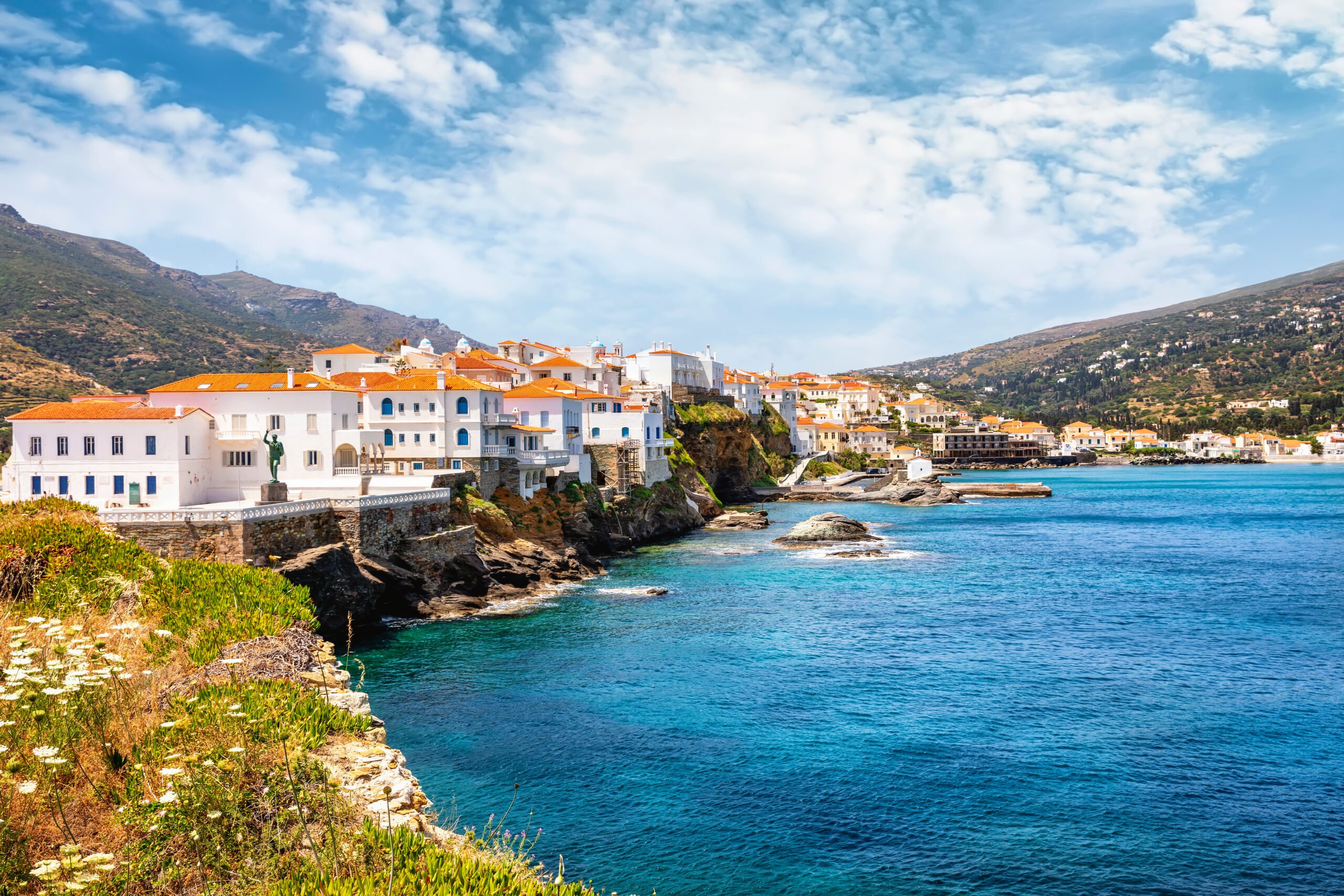
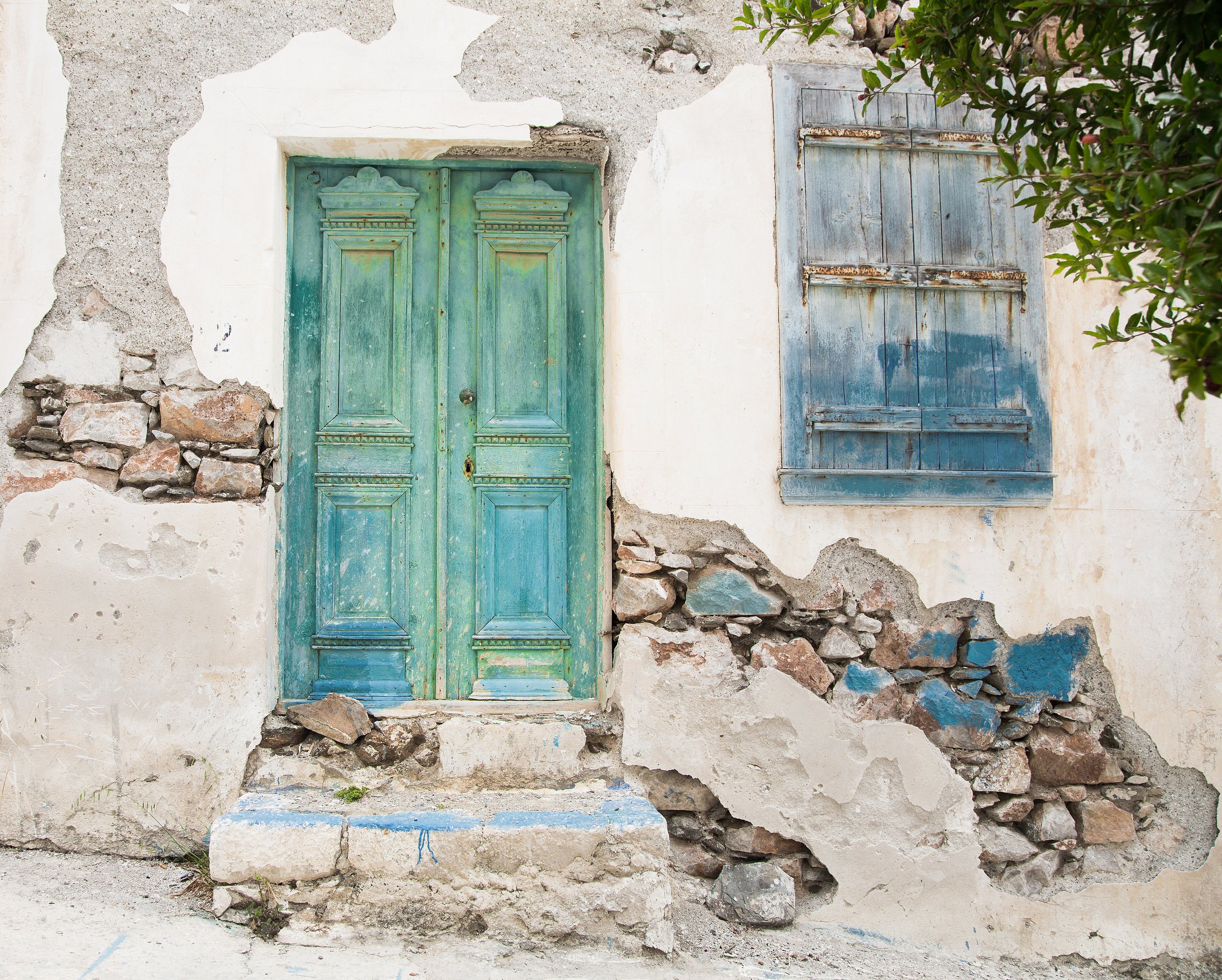
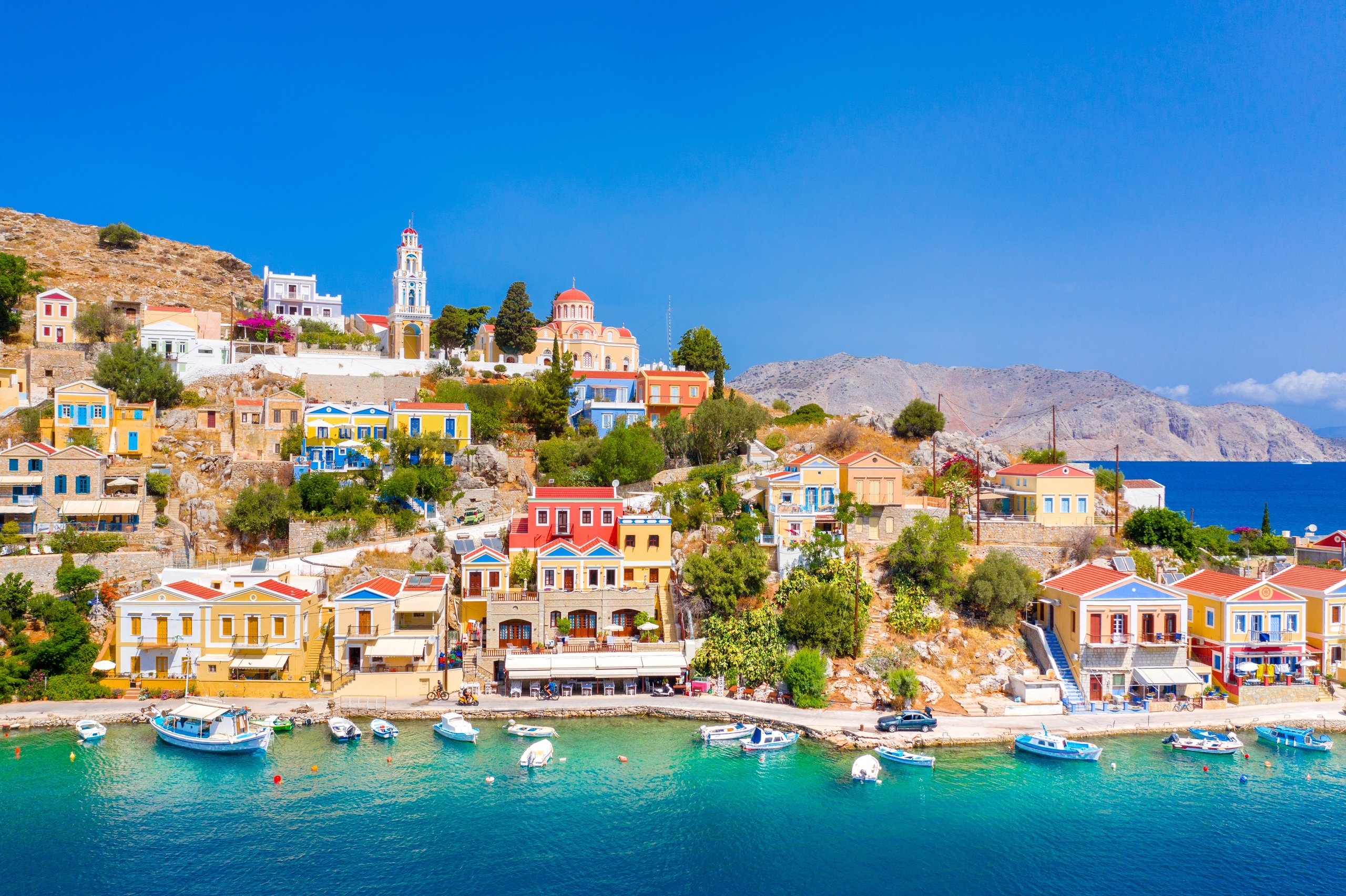
Homes range from traditional stone houses with thick walls and painted shutters to modern apartments and villas with sea views. On islands like Symi, the classic neoclassical houses in pastel colours line the harbour and create one of the most recognisable views in Greece. These can be beautiful places to live, but renovation rules may be stricter, especially in designated historic areas.
Rhodes and Kos offer a wide mix of homes, including newer builds that appeal to buyers wanting an easy, low-maintenance base. Inland villages often provide better value and a quieter atmosphere, while coastal areas understandably carry a premium. On smaller islands, you’re more likely to find older homes with traditional layouts and outdoor terraces designed for catching the sea breeze.
The most popular islands for overseas buyers
Rhodes – lively, practical and well connected
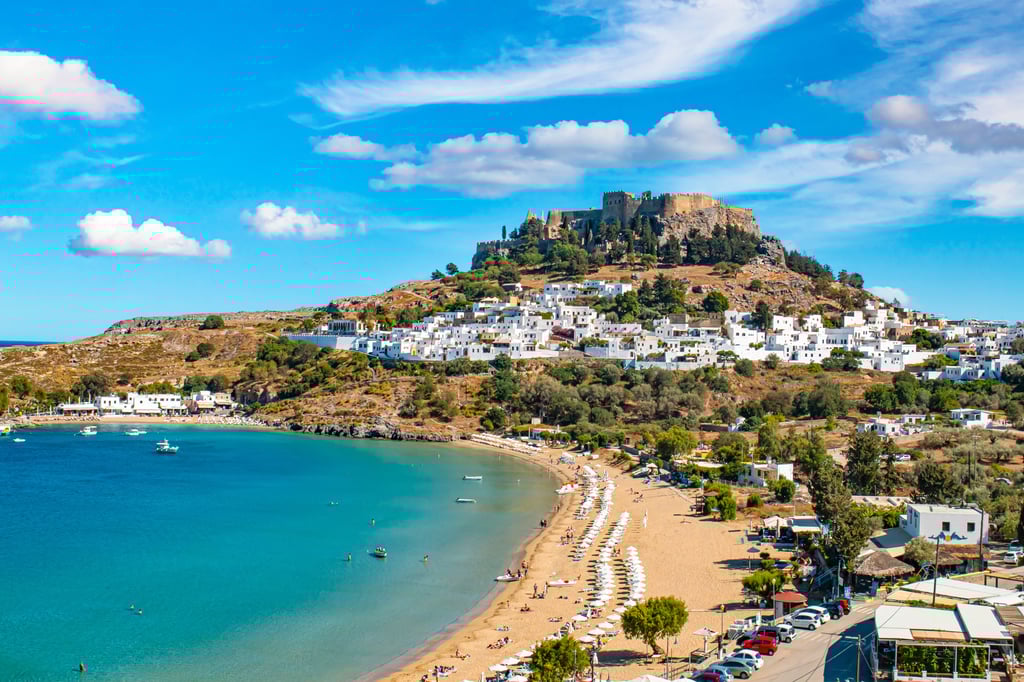
Rhodes is the largest and best-connected island in the region, making it a strong choice if you want reliable infrastructure, healthcare, schools and year-round life. Rhodes Town has a medieval centre that feels like a film set, while coastal resorts such as Lindos offer views and beaches that many buyers fall in love with. If you want a base that feels stable all year, Rhodes is a dependable option.
Kos – a friendly island with good value homes
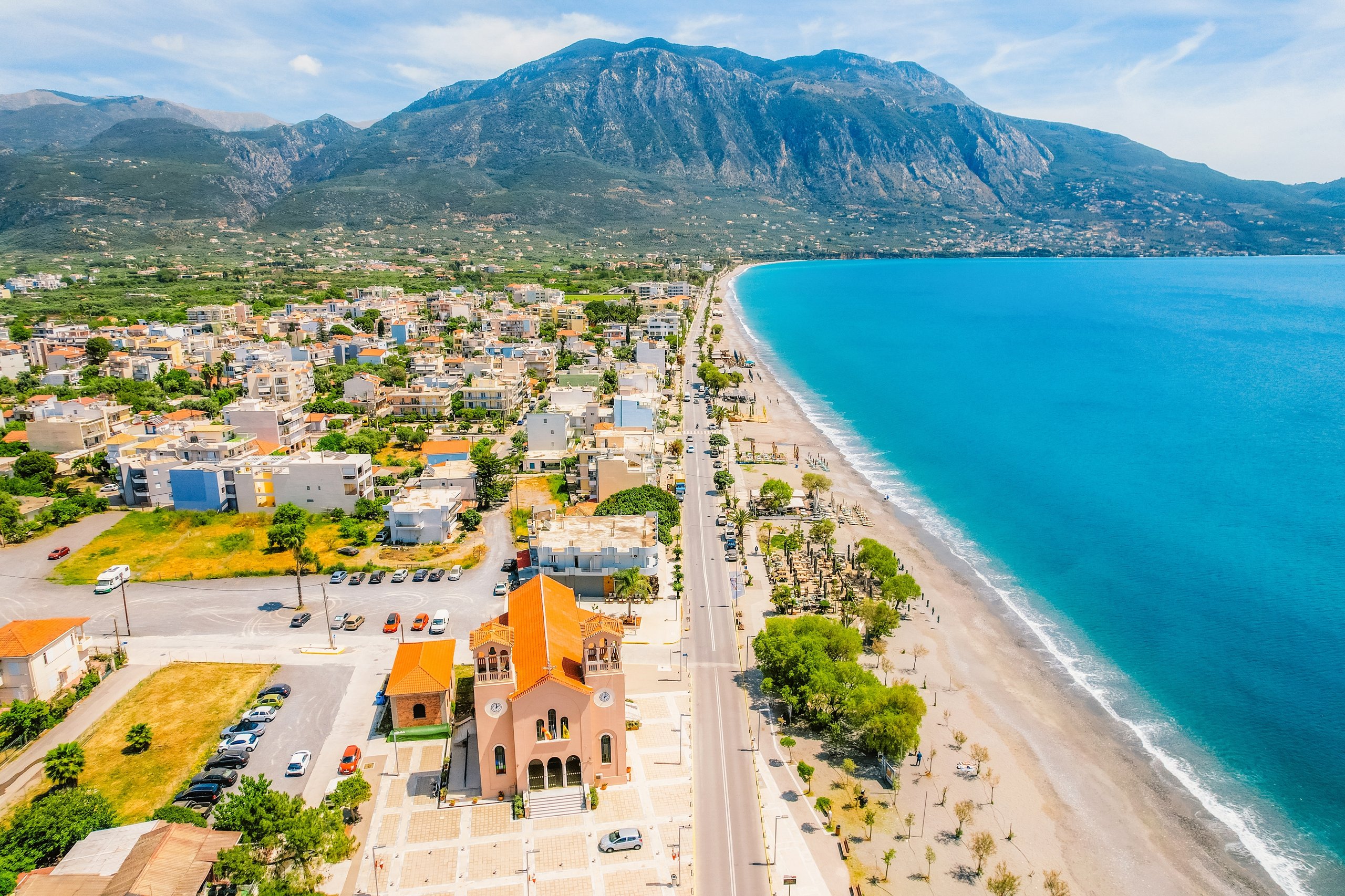
Kos is known for its relaxed feel, long sandy beaches and flat terrain that makes daily life easy. The island offers a good balance for buyers who want a welcoming community without feeling remote. Property prices can be more accessible than on Rhodes, and with its own airport, travelling to and from the island is straightforward.
Symi – postcard harbours and calm island life
Symi is an island that leaves a lasting impression. Its colourful harbour, small beaches and slower rhythm attract buyers looking for charm and quiet routines. It’s not the most practical island for year-round living, but for second-home owners or anyone seeking peaceful summers, it can be deeply rewarding.
Patmos – peaceful, spiritual and refined
Patmos has a gentle pace and a strong sense of identity. It’s known for its monastery, pretty villages and calm bays. Many buyers choose it because it feels friendly and welcoming without being crowded. It suits those who prefer meaningful, unhurried routines and enjoy a strong local community.
Leros and Kalymnos – friendly, down-to-earth islands
Leros and Kalymnos attract people looking for authenticity and value. Kalymnos has a famous climbing scene, which attracts an international mix of people, while Leros offers a slower pace and distinct architecture. These islands may not be as polished as Rhodes or Kos, but they appeal to buyers wanting everyday Greek life with fewer crowds.
Practicalities of buying a home in the Dodecanese
The buying process is similar across all Greek islands. You’ll need a Greek tax number (AFM), a local bank account and a notary to complete the transaction. A trustworthy lawyer is essential — they will check planning permissions, boundary details and any historic restrictions. Having someone patient and knowledgeable explain each step can make the whole process feel smooth and reassuring.
Because many homes are older, especially on smaller islands, building surveys and engineer reports are important. Renovation can take time, and ferry schedules affect construction deliveries, but with clear guidance from local professionals you’ll know exactly what to expect.
Speak to a Greece property expert
Day-to-day life across the islands
Life in the Dodecanese tends to revolve around the seasons. Summers bring warm evenings, open-air concerts and lively waterfronts. Spring and autumn are ideal for walking, swimming and enjoying quieter tavernas. Winter brings calmer days and a chance to settle into local routines.
Travelling between the islands becomes part of life too. Weekend trips to nearby islands are easy, and the slower pace of ferry travel might just become something you grow fond of.
FAQs
Yes. British citizens can still buy property in Greece after Brexit, and the process remains open to non-EU buyers. You don’t need special permission for most areas, although you may need to consider the appropriate residency route if you plan to stay for long periods each year.
Many people consider Kos and Rhodes to have the best selection, thanks to their long stretches of sand, family-friendly bays and easy access. Smaller islands such as Symi and Patmos have lovely coves too, but for sheer choice and convenience, Kos and Rhodes usually come out on top.
Prices vary widely, but some of the best-value options tend to be on quieter islands with fewer tourists. In the Dodecanese, Kalymnos and Leros often offer more affordable homes than Rhodes or Kos. Across Greece more broadly, islands such as Tinos, Serifos and Amorgos can also provide good value.