



From sun-drenched island mornings to mountain village evenings, living in Greece offers more than just a change of scenery – it’s a lifestyle shift. If you’re considering buying a home here, understanding the practicalities as well as the pleasures will help you settle in faster and make the most of your new Mediterranean life.
If you’ve holidayed in Greece many times, you’ll already know the pull – the sunshine, the food, the rhythm of daily life. But living here full time is different from visiting for two weeks in August. From healthcare and utilities to driving, furnishing your home and settling your children into school, here’s what you need to know before and after you make the move.
Contents
- What it really feels like to live in Greece
- Greek cuisine and everyday eating
- Healthcare and health insurance in Greece
- Driving and getting around
- Setting up utilities in your new home
- Furnishing your home in Greece
- Education in Greece
- Dealing with homesickness after moving to Greece
- Key things to consider before moving to Greece
- Summary
- FAQs about living in Greece
What it really feels like to live in Greece
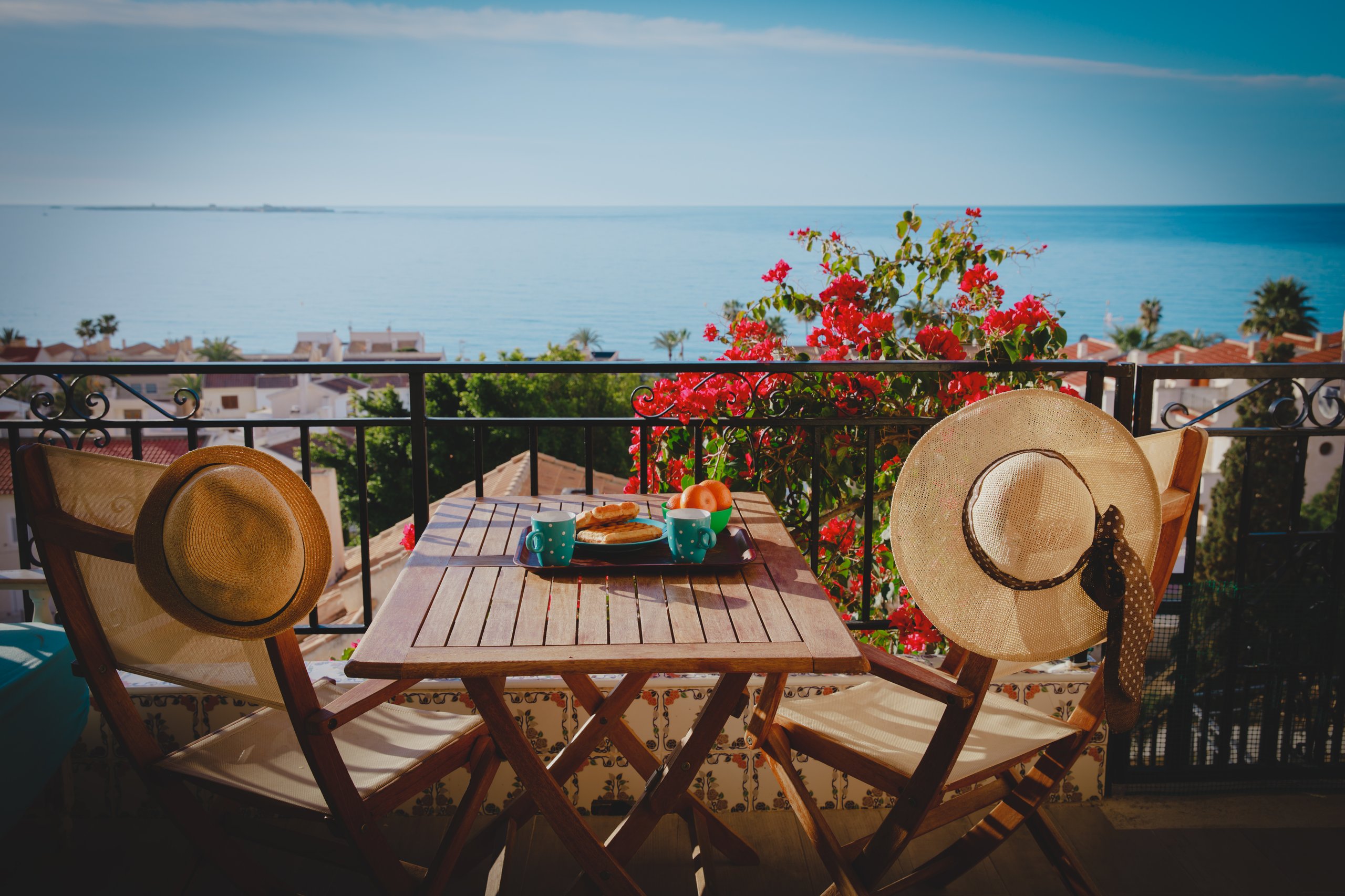
When you swap a rushed commute for a morning coffee on your balcony, you begin to understand why so many overseas buyers choose Greece. With over 3,000 hours of sunshine per year, Greece is one of the sunniest countries in Europe. That climate shapes daily life – from long outdoor lunches to evening strolls along the seafront.
You’ll notice the slower afternoon pace. Between roughly 2pm and 5pm, particularly in smaller towns and villages, it’s common for shops to close and for people to observe “messimeri”, the traditional quiet time. It’s not just a custom – in many areas, noise restrictions are enforced. For you, that might mean structuring your day differently, planning errands for the morning and embracing a more relaxed rhythm.
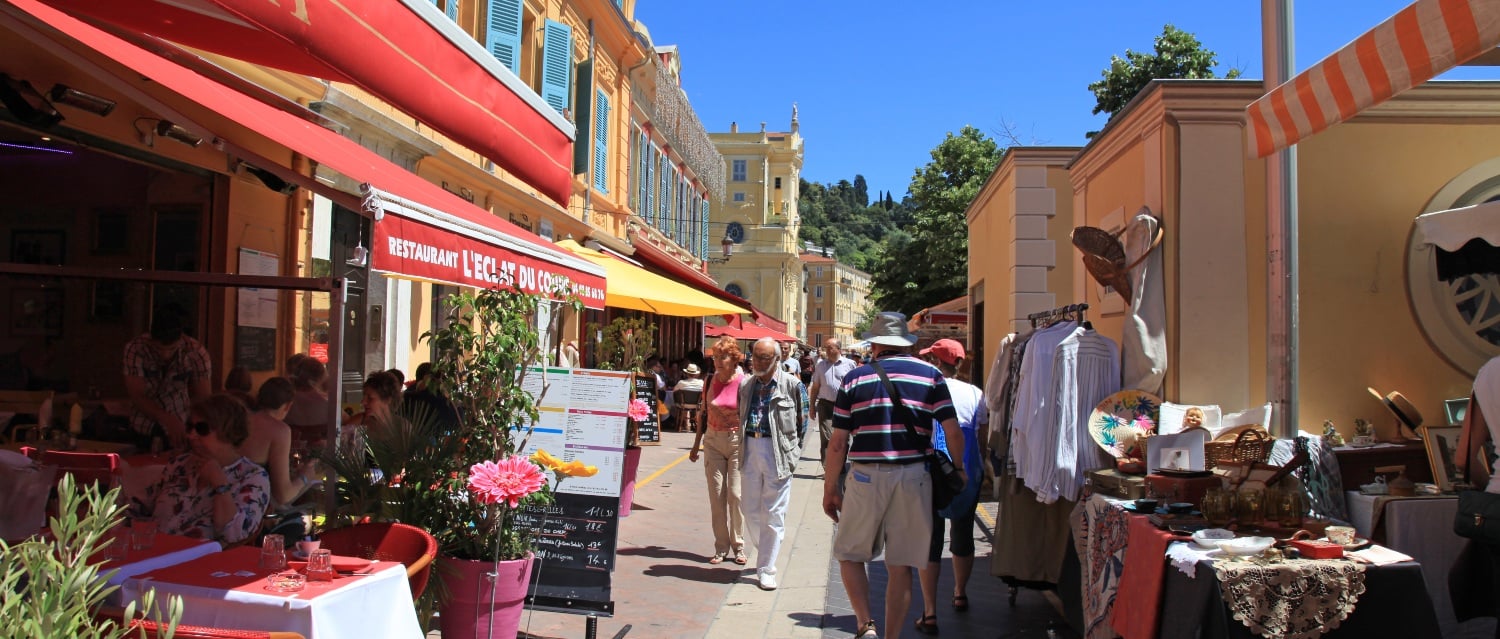
Social life revolves around family, neighbours and food. It’s perfectly normal to greet people you pass in the street and to be invited for coffee by someone you’ve only just met. In less touristy areas, you’ll quickly become part of the fabric of the community – provided you make the effort.
Greek cuisine and everyday eating

Greek cuisine is far more varied than the taverna menus you see on the coast. Yes, you’ll find moussaka, souvlaki and grilled octopus, but regional specialities differ dramatically. On Crete, you’ll see small wrapped pies called katsounia, while on Kefalonia there’s a three-meat pie known as kreatopita.
Legumes are central to the Greek diet, especially during Orthodox fasting periods. Dishes made with chickpeas, lentils and beans – such as fasolada soup – are common. Thick dips like tzatziki, fava and melitzanosalata appear on many tables, often served as part of a shared mezze meal.
Weekly farmers’ markets, known as laiki agora, are a highlight of living here. Stalls are stacked with locally grown fruit and vegetables, and shopping becomes a social event rather than a chore. If you buy a rural property with land, you may even have olive or fruit trees in your garden – something that can help you feel truly at home.
Healthcare and health insurance in Greece
Healthcare in Greece operates through a mix of state and private services. If you are employed, your employer registers you for social insurance (IKA), and contributions are deducted monthly. UK pensioners can apply for an S1 form to access state healthcare rights similar to Greek citizens.
Short-term visitors can use a valid GHIC for necessary treatment. However, if you are not working or not pensionable, private health insurance is essential. As a rough guide, private cover can cost around €500 per month for a family of four or €800 per month for a retired couple, depending on age and medical history.
In cities, private hospitals offer shorter waiting times. On islands, you may rely more heavily on local state doctors, with specialist care requiring travel to the mainland. When choosing where to buy, proximity to healthcare facilities should be part of your decision-making.
Driving and getting around
If you plan to live in a village or countryside location, having your own car is often essential as public transport can be limited and you’ll need to drive most places. Driving licences issued in the EU or EEA are accepted in Greece, and UK photocard licences are also recognised. If you’re moving permanently, you can use a British licence until renewal, after which you should apply for a Greek licence.
Speed limits are generally 50km/h in urban areas, 90km/h on rural roads and 130km/h on motorways. The legal drink-drive limit is 0.05%, dropping to 0.02% for new drivers.
If you prefer not to drive, KTEL intercity buses connect major towns and cities, and larger islands such as Crete, Naxos and Syros have organised bus networks. When buying a holiday home, proximity to airport buses or ferry ports can make a big difference to convenience.
Setting up utilities in your new home
Once you get the keys, transferring utilities into your name is one of your first practical tasks. For electricity, you choose a supplier such as PPC (ΔΕΗ) and sign a contract, while the grid operator HEDNO handles metering and activation. Bills are typically issued bi-monthly and include both energy use and local community charges.
Water is managed by regional or municipal companies, such as EYDAP in Athens. Billing is usually quarterly. For internet and landline, nationwide providers include COSMOTE, Vodafone and Nova.
Before you commit to buying in a rural area, check broadband speeds carefully. Fibre connections are improving, but some villages still rely on slower networks.
Speak to a Greece property expert
Furnishing your home in Greece
When furnishing your Greek home, you don’t need to ship everything from the UK. Large furniture chains such as Ikea operate in Greece, and online marketplace Skroutz is widely used.
If you want character, explore local craftspeople and antique markets. Traditional painted wooden chairs, for example, are available from Greek suppliers and can add an authentic touch to a courtyard.
Be aware that bed sizes differ from the UK, so check measurements before buying bedding or mattresses.
Education in Greece

If you’re relocating with children, education will be a key consideration. Greece has a state education system, with primary (dimotiko), lower secondary (gymnasio) and upper secondary (lykeio) levels. Teaching is in Greek, so younger children often adapt more easily.
In larger cities and some island hubs, you’ll also find private and international schools offering curricula such as the British or International Baccalaureate systems. These can provide continuity if you plan to move back to the UK or want qualifications recognised internationally.
When choosing where to live, research school locations, transport options and language support. In smaller villages, you may need to drive children to nearby towns for secondary education.
Dealing with homesickness after moving to Greece
Even if Greece has been your favourite holiday destination for years, living here can bring moments of homesickness. The first winter can feel especially quiet once the tourist season ends and some seasonal businesses close.
The key is building routine and community. Join local clubs, attend village festivals and consider taking Greek language lessons. Even basic conversational Greek will deepen your connections and boost your confidence.
Technology helps too – regular video calls with family, streaming UK television and planning return visits can ease the transition. Many expats find that homesickness comes in waves. Over time, as you develop friendships and feel more settled in your property and neighbourhood, Greece begins to feel less like a holiday destination and more like home.
Key things to consider before moving to Greece
Before committing to your purchase, ask yourself:
- Do you plan to live in Greece full time or split your year between the UK and Greece?
- Will you need residency, a visa or an S1 form for healthcare access?
- Are you comfortable driving regularly if you choose a rural or island location?
- Is there reliable fibre broadband if you plan to work remotely?
- Are local schools suitable if you’re relocating with children?
- Do you have private health insurance if you’re not eligible for state cover?
- Are you prepared to learn at least basic Greek for day-to-day life?
Summary
Living in Greece offers sunshine, community and a healthier way of life, but it also requires practical planning. From healthcare and utilities to driving, schooling and tackling homesickness, preparation is everything. If you’ve already fallen in love with Greece on holiday, taking these considerations into account will help you build a fulfilling life here year-round.
FAQs about living in Greece
Yes, a UK citizen can live in Greece, but since Brexit you must follow the third-country national rules. For stays of more than 90 days in any 180-day period, you’ll need to apply for a residence permit. Common routes include the financially independent person visa, the digital nomad visa and the Greek golden visa for qualifying property buyers. If you’re retiring with a UK state pension, you can also apply for residency and use an S1 form to access state healthcare. It’s essential to organise your visa, tax number (AFM) and health insurance before or shortly after arrival.
For many overseas buyers, Greece offers an excellent quality of life. You benefit from over 3,000 hours of sunshine a year, a strong sense of community and a Mediterranean diet rich in fresh produce and olive oil. Property prices in many regions remain competitive compared to other southern European destinations, and the pace of life is generally slower and more sociable. That said, your experience will depend on location. Islands and rural villages can feel quiet in winter, and access to services such as hospitals and international schools may be limited outside major cities.
It depends on what you value most. The UK may offer broader career opportunities, higher average salaries and easier access to public services in English. Greece, on the other hand, arguably offers a healthier lifestyle with a warmer climate, more outdoor living and often a lower cost of property, particularly outside Athens and prime island locations. If you prioritise sunshine, community and a slower rhythm of life, Greece may suit you better. If you prefer fast-paced city living and familiar systems, the UK might feel more comfortable. Many buyers spend extended periods in Greece before committing full time to make sure the lifestyle genuinely fits.