


If you are considering a move to Spain, some regions will offer financial incentives to help you settle. If you are open to a different pace of life and can meet the requirements, these schemes can provide a practical starting point. Here’s where to look – and what to expect in 2026.
You’ve probably seen the headlines. Across Spain, towns are trying to reverse population decline by attracting new residents with financial support. Ponga, in the northwest, is often the name that comes up first, but it is not the only option worth considering.
Download the Spain Buying Guide
Contents
Spanish towns paying you to move and how the schemes compare
Spain’s relocation incentives have expanded in recent years. While smaller towns still offer modest payments, regional programmes are now competing with much larger grants aimed at remote workers and professionals who can contribute to the local economy.
The key difference comes down to commitment. Some schemes require five years of residency, while others focus on shorter stays but expect you to be economically active. Understanding this distinction will help you choose the right location for your plans.
Where in Spain will pay you to move?
Ponga in Asturias
Ponga remains one of the most widely discussed relocation schemes. Located in northern Spain, this small municipality offers around €2,390 per person to new residents, with additional payments available for families who have children while living there.
The catch is the commitment. You will need to live in Ponga for at least five years and register as a full-time resident. This is not a short-term trial – it is a long-term decision.
Life here is shaped by the surrounding natural park, with mountains, forests and 12 protected species including the brown bear and golden eagle. In 2018, it was declared a Biosphere Reserve by UNESCO. If you enjoy hiking, cycling, cooler summers and a slower pace, Ponga can feel like a reset. If you rely on international connections or regular travel, it may feel restrictive.
Ambroz Valley in Extremadura
Extremadura has introduced one of the most competitive schemes currently available through its “Live in Ambroz” programme. Grants can reach up to €15,000, depending on your circumstances.
This region is actively targeting remote workers and digital nomads, which makes it more flexible than traditional village schemes. The required stay is typically shorter than Ponga’s, often around two years, but you will need to demonstrate a stable income source.
The Ambroz Valley offers a different environment to northern Spain. Summers are warmer, infrastructure is improving and there is a growing network of professionals relocating to the area. For many buyers, it strikes a balance between affordability and connectivity.
Other rural initiatives across Spain
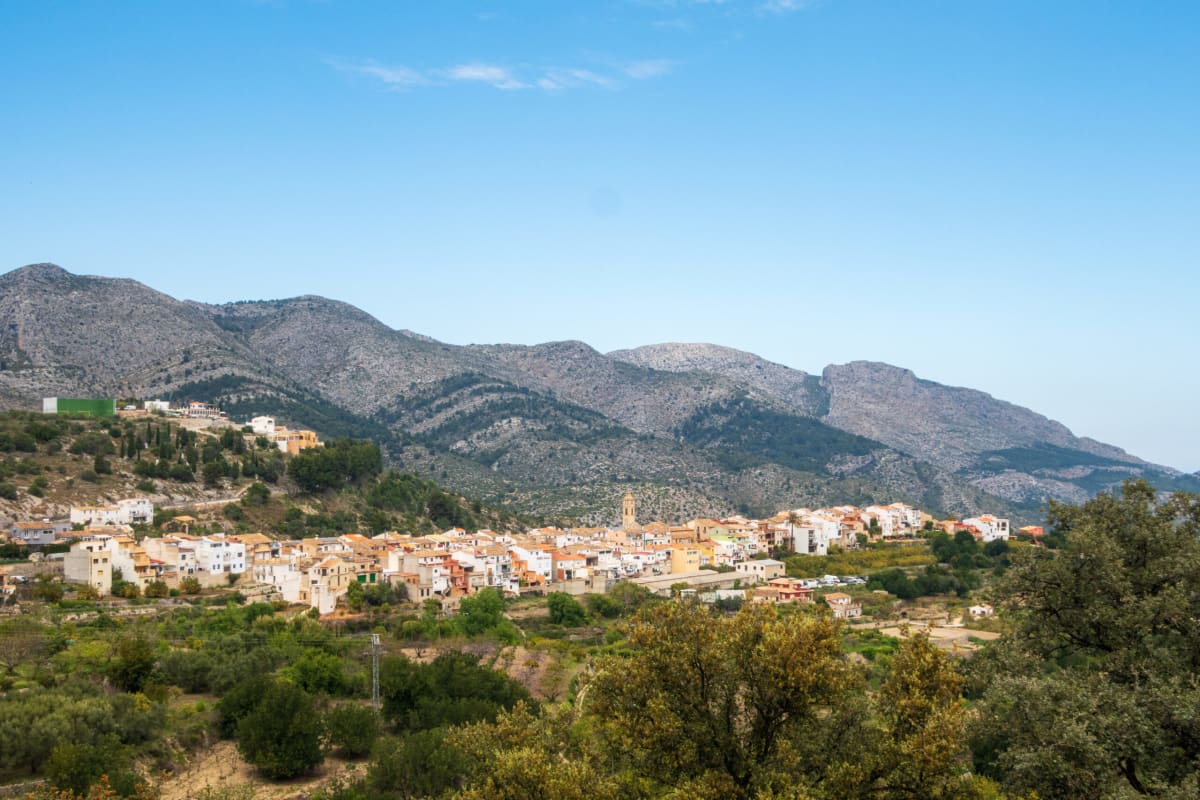
Beyond these headline programmes, smaller incentives are available across various regions including Galicia, Aragón and Castilla y León. These tend to be locally managed and less publicised, but they can still offer support such as grants, subsidised housing or tax reductions.
The challenge is that these schemes are not centralised. You will often need to contact local town halls directly, and availability can change depending on funding and population targets.
What kind of lifestyle should you expect?
Moving to one of these areas is not just about the financial incentive. It is about how you want to live day to day.
In northern regions like Asturias, you will notice greener landscapes, milder summers and more rainfall. In contrast, inland regions such as Extremadura offer hotter temperatures and a more traditional rural Spanish lifestyle.
You will likely need a car, and your social circle may initially be smaller. On the other hand, you gain space, lower property prices and a stronger connection to your surroundings.
Cost of living in Spain in 2026

When you look at relocation incentives, the bigger financial picture matters just as much as the upfront payment. Based on the Your Overseas Home Cost of Living Index 2026, Spain remains one of the most affordable destinations for British buyers.
Across a basket of more than 50 everyday items, Spain is around 32% cheaper than the UK overall. That puts it at the top of the index, ahead of Portugal and Italy, and well below the cost of staying in Britain.
To put that into context, if you currently spend £2,000 per month in the UK, the equivalent lifestyle in Spain comes in at roughly £1,368 – a saving of around £632 each month.
Where you really feel the difference is in day-to-day living:
- Eating out and leisure costs are around 44% lower, making regular meals out or a coffee part of everyday life rather than an occasional treat
- Running a home is about 32% cheaper, including utilities, household goods and services
- Grocery shopping is roughly 22% lower, especially if you buy local produce
- Personal services such as haircuts and clothing come in around 32% cheaper
However, not everything is cheaper in Spain. Healthcare items can be slightly higher than in the UK, depending on what you need, and private health insurance is a separate cost you will need to factor in for residency.
It is also worth remembering what these figures do not include. Property costs, taxes and insurance vary widely by region and can change the overall picture. Exchange rates will also affect your spending power if your income is in pounds, particularly if you are relying on regular transfers for day-to-day living. It is worth understanding how to manage this with a currency plan.
What this means in practice is that the financial incentive offered by relocation schemes is only part of the story. The ongoing savings in everyday life are often far more significant – and they are what make a long-term move sustainable.
Property prices in relocation areas
Property is one of the biggest advantages of moving to less populated parts of Spain. Prices vary widely depending on the region, but rural areas remain significantly more affordable than coastal hotspots.
| Location | Typical property price | What you can expect |
|---|---|---|
| Asturias (Ponga) | €10,000 – €100,000 | Renovation projects to village homes |
| Extremadura (Ambroz Valley) | €50,000 – €150,000 | Larger homes with outdoor space |
| Inland Spain (general) | €40,000 – €120,000 | Traditional properties in small towns |
If you are planning to stay for the long term, buying can make sense. However, resale in rural areas can take time, so it is best approached as a lifestyle decision rather than a quick investment.
How to apply for relocation incentives
Most schemes follow a similar process, although details vary by region. You will typically need:
- A Spanish NIE number
- Registration on the padrón (local municipal register)
- Proof of income or employment
- A commitment to reside in the area for a set period
- For families, proof of school enrolment
Applications are usually handled at a local level, so expect some variation in paperwork and timelines.
Residency requirements you need to plan for
If you are moving from the UK, you will need to meet Spain’s residency requirements. For a non-lucrative visa, this usually means showing savings of around €28,800 for the main applicant, with additional funds required for dependants.
Alternatively, if you are working remotely, Spain’s digital nomad visa may be more suitable, depending on your income and employment setup.
Frequently asked questions
Ponga in Asturias is one of the best-known examples. It offers around €2,390 per person, with additional payments for families, provided you commit to living there for at least five years.
Several rural regions offer incentives. Asturias (including Ponga) is a long-standing option, while Extremadura now offers some of the highest grants through programmes like “Live in Ambroz”, with payments of up to €15,000.
For non-lucrative residency, you typically need to show savings of around €28,800 for the main applicant, plus additional funds for dependants. This figure is based on Spain’s IPREM index and is updated annually.