




Moving to Spain involves more than choosing a location – you’ll need to understand visas, costs, property and the practical steps that make the move work day to day. This guide brings it all together so you know what to expect before you take the leap.
If you’ve spent years holidaying in Spain, you may now be at the point where it starts to feel like more than a place to visit. Making the move permanent, though, means understanding the paperwork, costs and practical decisions that sit behind everyday life.
Contents
- What you need to know first about moving to Spain
- Visa and residency options explained
- Buying property as part of your move
- Budgeting and finances when moving to Spain
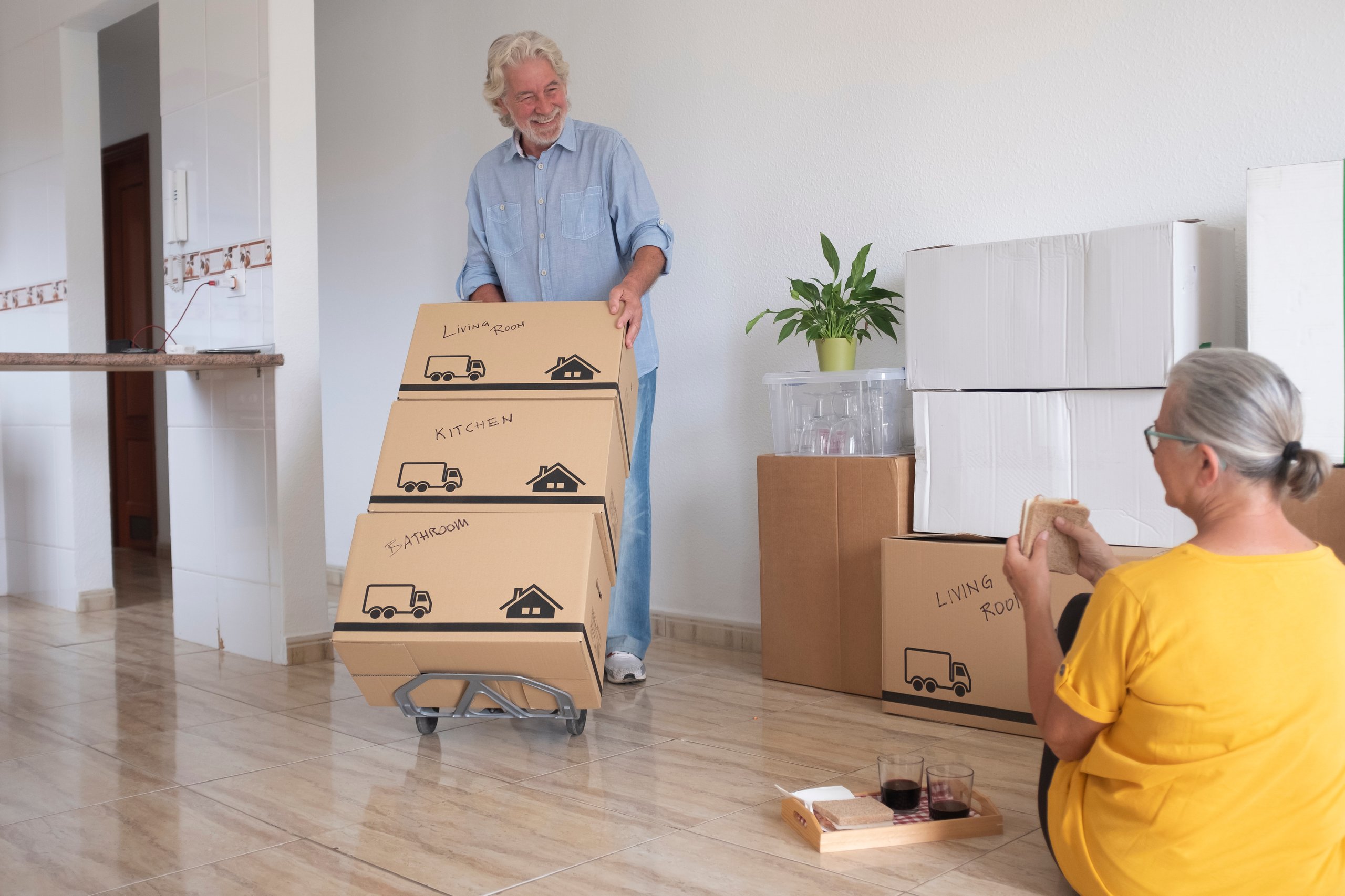
- Moving your belongings to Spain
- Moving to Spain with pets
- Registering and settling in
- Summary
- Frequently asked questions about moving to Spain
What you need to know first about moving to Spain
Before you commit, it’s worth getting clear on one key point – moving to Spain isn’t just about buying a home. Owning property does not automatically give you the right to live there full-time, so your first step is understanding your legal route to residency.
If you’re a UK or other non-EU citizen, you can only stay in Spain for 90 days within any 180-day period without a visa. That’s fine for holidays or viewing trips, but not enough if you want to settle.
Most buyers are working out how their move will be funded, whether that’s through pensions, remote work, savings or a mix of income sources. This matters because your income will play a key role in determining which visa you can apply for.
Visa and residency options explained
Spain offers several visa routes depending on your situation. The two most common are:
| Visa type | Who it suits | Key requirement |
|---|---|---|
| Non-lucrative visa | Retirees or those with passive income | €28,800 annual income plus €7,200 per dependent |
| Digital nomad visa | Remote workers | Proof of overseas income and health insurance |
The non-lucrative visa is often the starting point if you’re not planning to work in Spain. You’ll need to show a reliable income and private health insurance.
The digital nomad visa, on the other hand, allows you to continue working for companies outside Spain, making it a popular option if you’re not ready to retire just yet.
Once you’ve been legally resident for five years, you can apply for permanent residency, and after ten years you may be eligible for citizenship.
Buying property as part of your move

Once you understand your residency options, the next question is where and how you’ll live – and for many buyers, that means purchasing a property. You don’t need to be a resident to buy property in Spain, which is why many people purchase before relocating. However, owning a home is not a shortcut to residency – it simply supports your visa application.
What it does give you is stability. When you apply for a visa, you’ll need to show proof of address, and having your own property can make that process smoother.
If you’re unsure where to buy, think about how you’ll actually live. A coastal apartment might suit short visits, but if you’re planning to spend most of the year there, access to healthcare, shops and transport becomes more important.
Budgeting and finances when moving to Spain
Before you commit, it’s worth taking a proper look at your finances and working out what life in Spain will actually cost you. One of the most common mistakes is underestimating costs. Buying your home is only part of the picture. You’ll also need to factor in purchase costs of around 10–15% on top of the property price, covering taxes, legal fees and notary costs.
Beyond that, you’ll need a clear plan for ongoing expenses. Typical monthly and annual costs include:
- Utilities around €100–€200 per month
- Community fees between €50–€250 per month
- Property tax (IBI) of roughly 0.2–1.5% of the property value
- Insurance from €160–€700 annually
You’ll also become part of the Spanish tax system if you live there for more than 183 days a year. That means your worldwide income – including pensions and savings – may be taxable in Spain.
Many buyers keep a UK account for sterling income while opening a Spanish account for day-to-day living. Currency exchange becomes more important than you might expect, especially when transferring large sums for property purchases.
Speak to a Spain property expert
Moving your belongings to Spain
Once your paperwork is underway, the practical side of moving starts to take shape. Shipping your possessions is often more straightforward than you expect, but it requires planning.
Using a reputable removal company is essential, ideally one familiar with Spain’s customs rules. They’ll guide you through the paperwork and help you qualify for VAT and duty exemptions.
To avoid paying import taxes, your belongings must:
- Have been owned and used for at least six months
- Be for personal use in Spain
- Be imported after you gain residency
Most full household moves cost between £2,000 and £7,500 depending on volume and distance.
Think carefully about what to bring. Spanish homes often have tiled floors, shutters instead of curtains and different appliance standards, so not everything will suit your new lifestyle.
Moving to Spain with pets
If you’re bringing pets, the process is manageable but requires organisation. Dogs and cats must be microchipped and vaccinated against rabies, and UK travellers need an Animal Health Certificate issued within ten days of travel.
Driving is often the simplest option, especially with larger animals, though many airlines do allow pets under specific conditions.
Once you arrive, you’ll find Spain has a strong network of veterinary care and increasingly strict animal welfare laws, which is reassuring if you’re settling long-term.
Registering and settling in
After arriving, there are a few essential steps you can’t ignore. You’ll need to:
- Register on the padrón at your local town hall
- Apply for your residency certificate
- Obtain your NIE number if you don’t already have one
Failing to register within three months can result in fines, so it’s worth prioritising this early.
Once that’s done, everyday tasks like opening bank accounts, setting up utilities and accessing healthcare become much easier.
Summary
Moving to Spain is more than a lifestyle decision – it’s a process that rewards preparation. When you understand visas, finances and logistics early on, everything else becomes far more straightforward.
The people who settle in best are the ones who treat it as a long-term plan, not a quick escape.
Frequently asked questions about moving to Spain
Yes, but you’ll need a visa if you want to stay longer than 90 days in any 180-day period. Common options include the non-lucrative visa and digital nomad visa.
This depends on your lifestyle, but visa requirements alone mean you’ll typically need at least €28,800 per year for a non-lucrative visa, plus additional funds for property costs and living expenses.
This usually refers to visa renewals. For example, after your initial one-year non-lucrative visa, it can be renewed in two-year periods, provided you meet residency requirements.