


New Zealand consistently ranks among the world’s happiest countries, offers an education system that holds its own internationally, and has a way of life that many British families find hard to resist. Here’s what you need to know before you make the move.
Moving abroad with children adds a layer of planning that solo movers or couples simply don’t have to worry about. Schools, visas, settling in – they all take on a different weight when you’ve got kids in tow. But families who’ve made the move to New Zealand tend to be unequivocal: it was worth it. The country scores well on almost every measure that matters when you’re raising children, and the lifestyle on offer is genuinely hard to replicate back home.
Moving to New Zealand with children
British families moving to New Zealand can bring dependent children on a work or resident visa, with children typically attending state schools free of charge as domestic students. The school year runs from late January to mid-December. New Zealand ranked 11th in the 2025 World Happiness Report, ahead of the UK at 29th. Compulsory schooling runs from age six to 16, and the curriculum is broadly comparable to the UK. International and private schools offering GCSEs, A-levels and the IB are available, mostly in Auckland.
Download the New Zealand Buying Guide
Contents
Why New Zealand works for families
In the 2025 World Happiness Report, New Zealand ranked 11th globally – well above the UK, which came in at 29th. The country scores consistently well on the six factors the report uses: social support, healthy life expectancy, personal freedom, generosity, low corruption and income. For families, those aren’t just statistics. They reflect a society where community matters, public services function and people broadly trust one another.
The climate is another factor. Auckland, where many British families end up, receives around 2,000 hours of sunshine a year. Compare that with Birmingham’s roughly 1,360 hours and you start to understand why so many people find they spend their weekends differently once they arrive.
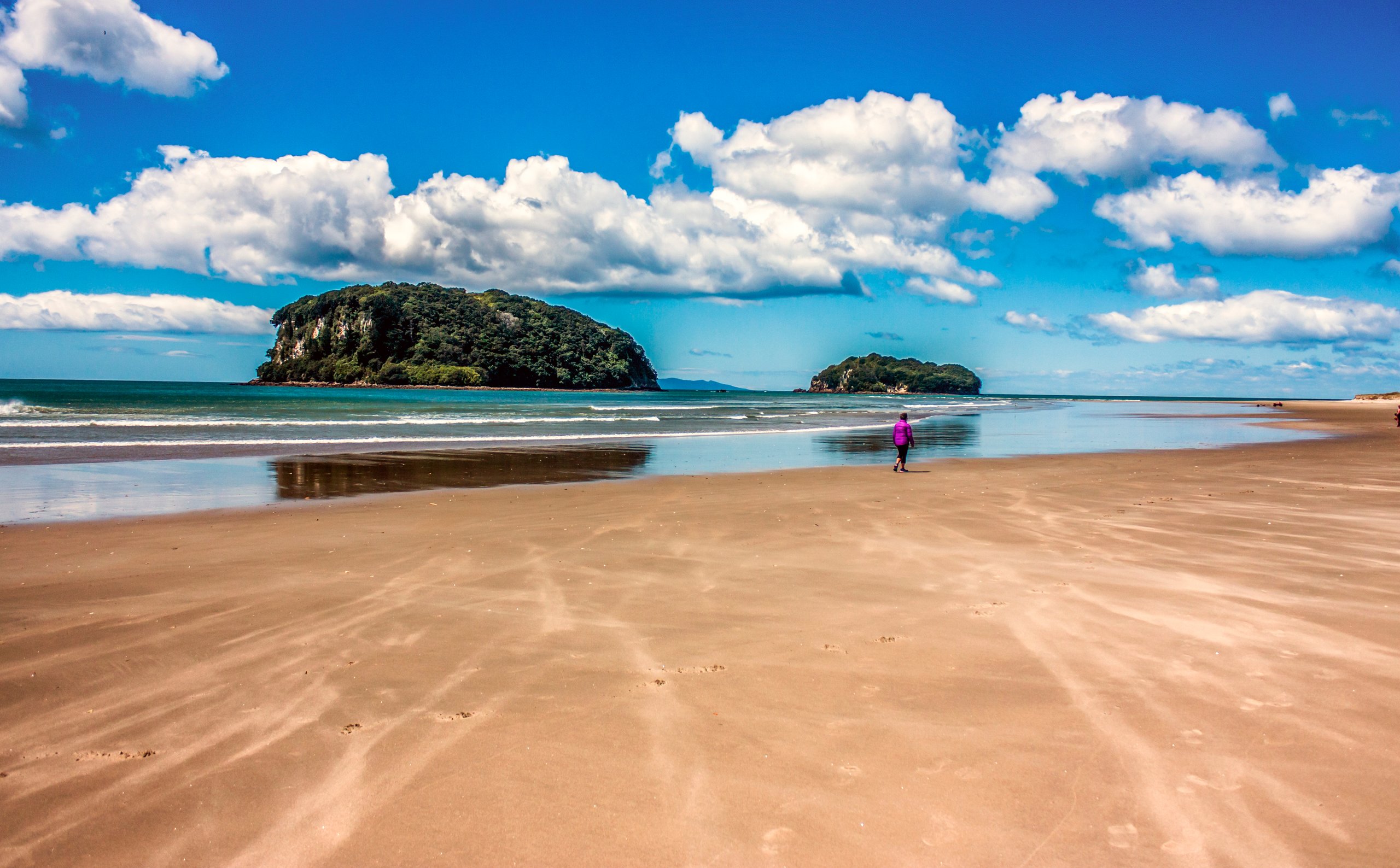
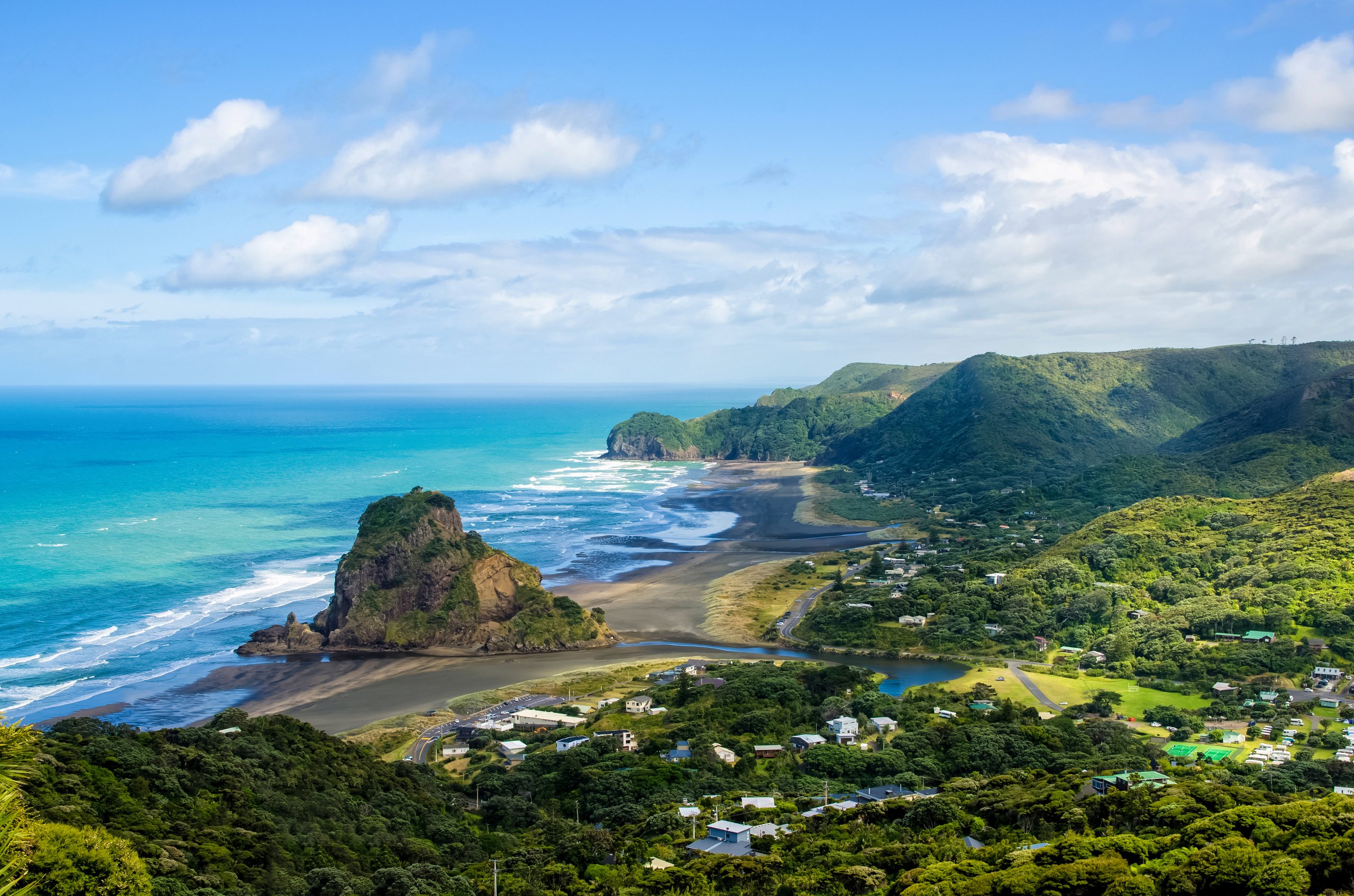
And then there’s everything outside the front door. New Zealand is a serious playground – hiking, surfing, sailing, mountain biking, rugby, cricket. Children who grow up there tend to spend a lot of time outside, and that has a knock-on effect on health, friendships and general wellbeing. The country has 14 national parks and a coastline that’s almost inexhaustible in what it offers.
Wildlife and the natural world
For children with any curiosity about the natural world, New Zealand is a gift. The kiwi – the bird that gave New Zealanders their nickname – is just the beginning. Hector’s dolphins, tuataras (the only surviving reptile species from the dinosaur era), three breeds of native penguin, seals, and regular whale sightings are all part of life here. Swimming with dolphins and seals isn’t a tourist attraction so much as a fairly ordinary weekend activity.
Visas: bringing your children with you
For most families, bringing dependent children to New Zealand is straightforward. The rules vary depending on which visa route you’re taking, so it’s worth getting proper immigration advice for your specific situation – but here’s the broad picture.
If you’re moving on a work visa, dependent children can typically join you and will be treated as domestic students, meaning no school fees to pay in the state system. Children on a Dependent Child Student Visa are eligible to attend primary and secondary school free of charge, in the same way as New Zealand residents.
The definition of “dependent” under New Zealand immigration rules takes into account the child’s age, whether they’re single and whether they’re financially reliant on you. If your child is older – generally over 19 – they’re unlikely to qualify as a dependent and may need to make their own visa application. Children aged 21 to 24 may still be considered dependent in some resident visa contexts if they rely on you financially. Immigration New Zealand’s website sets out the detail, and the rules do change, so always check current guidance.
If your children are over these thresholds and want to join you, they may still be able to apply for a visa based on their relationship to you as a New Zealand resident – it just won’t happen automatically as part of your application.
Schools in New Zealand
Education is compulsory in New Zealand from age six, though most children start school at five. They must stay in school until 16, and the majority continue through to Years 12 and 13 to sit the National Certificate of Educational Achievement (NCEA), which is widely accepted by universities internationally.
State schools are free for domestic students – and as noted above, children of work visa holders can generally access the state system on the same terms. The school year follows the southern hemisphere calendar, running from late January to mid-December, with four terms and a long summer break over December and January.
The curriculum will feel broadly familiar to British parents. Schools are regularly reviewed by the Education Review Office (ERO), and the reports are publicly available online, which makes it easy to assess individual schools before you commit to an area. This is worth doing early: where you live determines your catchment zone, and catchment zones determine which state school your child can attend. The Ministry of Education’s School Finder tool lets you search by area and compare attendance records, pupil numbers and national results.
Schools vary considerably in size – from small rural schools with a few hundred pupils to large urban secondaries with 2,000 or more. Neither is inherently better; it comes down to what suits your child.
International and private schools
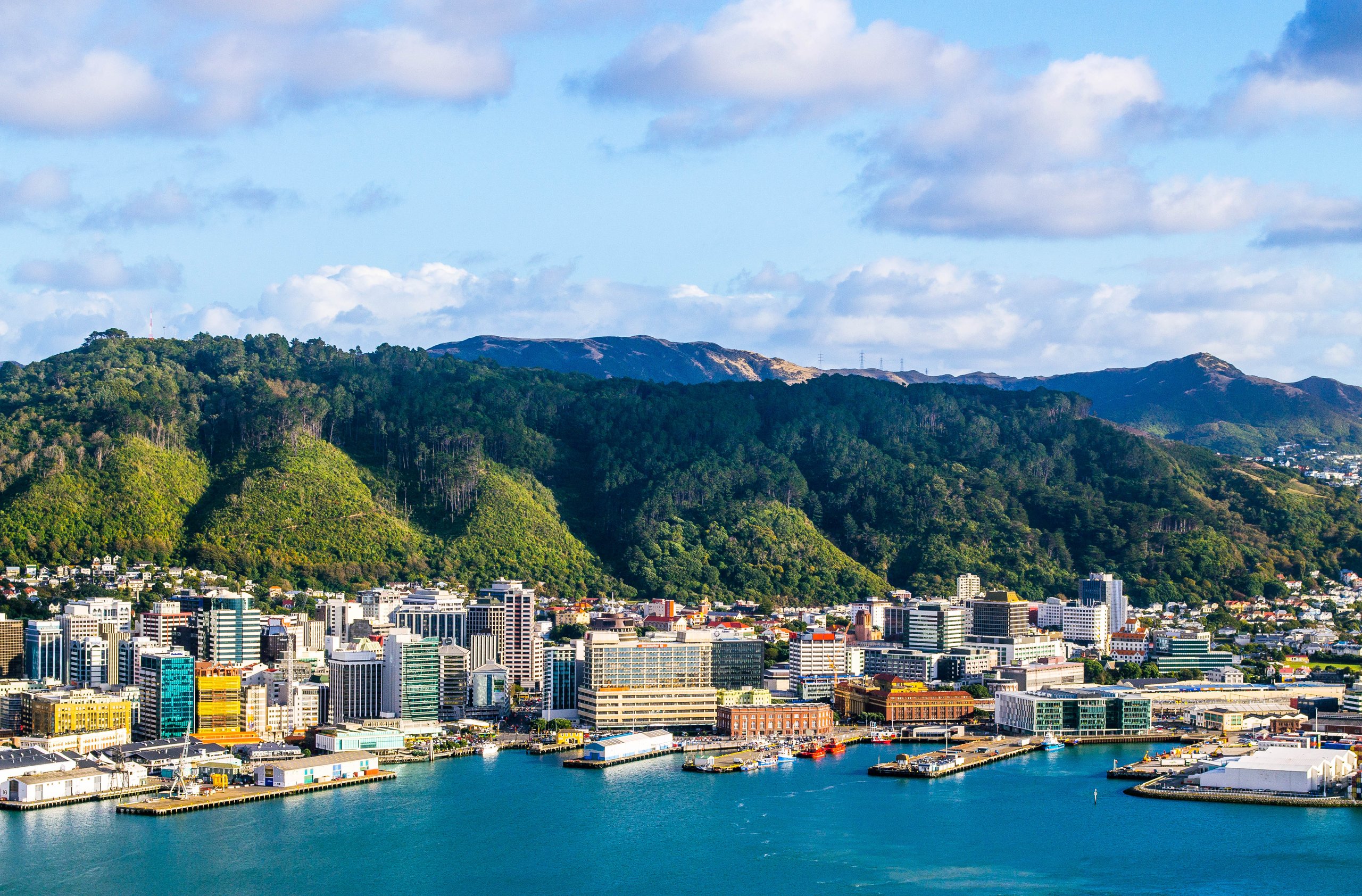
If your child is older or you’d prefer continuity with a British or internationally recognised curriculum, there are international and private school options – mostly in Auckland, with some in Christchurch and Wellington. Most offer GCSEs, A-levels or the International Baccalaureate diploma.
Fees vary widely but are not cheap. Some of the country’s most established private schools charge in the region of NZ$12,000–NZ$27,000 per year (roughly £5,700–£12,800), depending on year group and institution. If you’re going down this route, it’s worth starting enquiries well in advance – the more sought-after schools can be oversubscribed.
For families who aren’t sure how long they’ll be staying, international schools have a practical advantage: children can pick up where they left off if the family eventually returns to the UK.
Helping children make the move
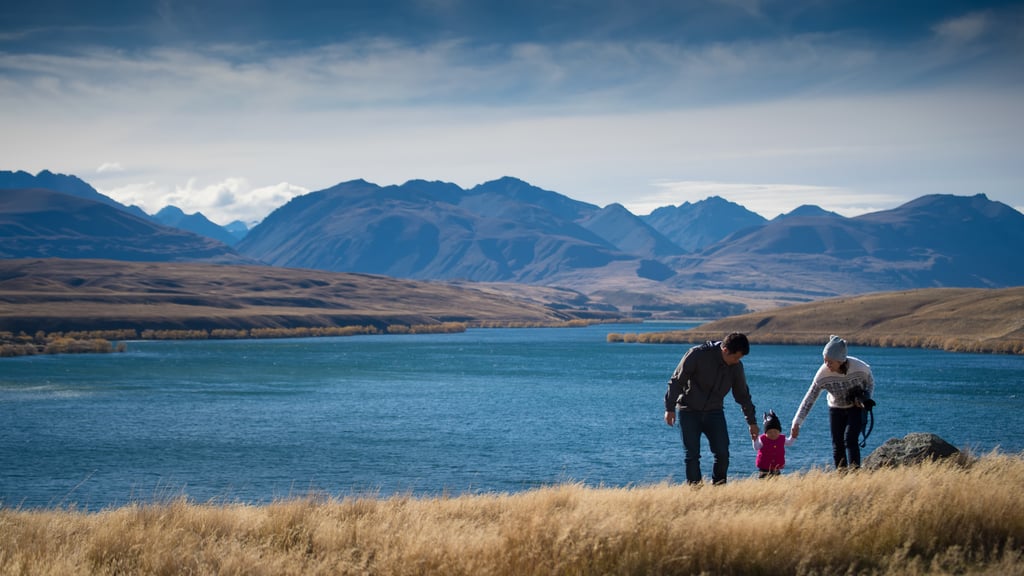
The distance from the UK – around 24 hours’ flying time – is the thing that gives many families pause. Goodbyes are harder when you know it’s not a short trip back. It’s worth taking this seriously and being honest with your children about what it means, rather than glossing over it.
That said, most families find that children adapt more quickly than adults expect. A few things that help:
- Be transparent – Children who understand why the move is happening – and feel that their views have been heard – tend to settle more easily. Talk through the reasons, acknowledge the things they’ll miss and ask them what they’re looking forward to.
- Let them research – Give older children the chance to look up the area you’re moving to, find potential clubs or activities and explore what their new school offers. It makes the unknown feel less daunting.
- Plan something to look forward to – Book an activity or trip for the first few weeks – something that gives everyone a concrete reason to be excited about arrival, rather than just focusing on the departure.
- Lean into sport and clubs – New Zealand has a strong culture of community sport and extracurricular activity. Joining a rugby club, surf school or local team is one of the fastest ways for children to make friends, and for parents too.
Frequently asked questions
In most cases, yes. Dependent children can usually be included in your work visa application or apply for a Dependent Child Student Visa, which allows them to attend state school as a domestic student. The precise rules depend on the type of visa you hold, so check with an immigration adviser or Immigration New Zealand directly.
For most temporary visas, children up to 19 can be included as dependants, provided they’re single and financially reliant on you. For resident visas, children up to 24 may qualify under certain conditions. Once children are outside these age ranges, they’ll need to apply for their own visa.
Not for state schools if your child qualifies as a domestic student. Children who hold a Dependent Child Student Visa are typically treated as domestic students, meaning state school education is free. Private and international schools charge fees regardless of visa status.
The New Zealand school year starts in late January and runs through to mid-December. There are four terms with breaks in between, and the long summer holiday falls over December and January – the opposite of the UK.
It’s broadly comparable. State school students work through a national curriculum and most continue to the NCEA qualification, which is accepted by universities in the UK and elsewhere. Private and international schools often offer GCSEs, A-levels or the International Baccalaureate, which provide direct continuity with the British system.
Many families who’ve made the move say yes. The country’s quality of life, outdoor culture, strong education system and social stability all contribute to an environment where children tend to thrive. The distance from the UK is the main adjustment, but for many families it becomes less of a concern once they’re settled.
If you’re planning a move to New Zealand, managing the currency exchange efficiently can make a significant difference to your budget. The team at Smart Currency Exchange specialises in helping people moving overseas get more from their money – whether you’re transferring funds for a property purchase or setting up regular payments once you’re there.