
Dreaming of turning your French home into a thriving gîte business in 2026? You’re not alone. With France remaining the world’s most visited country, welcoming over 100 million international visitors each year, demand for characterful holiday rentals remains strong. Rural retreats, coastal cottages and converted barns continue to attract British, European and long-haul travellers seeking authentic stays.
Running a gîte can help your property generate income, offset running costs and even fund your new life in France. But success takes more than fresh linen and a sunny terrace. You need the right location, a solid financial plan and a clear understanding of French regulations.
At Your Overseas Home, we help buyers plan every step of their overseas journey. Here’s your practical, up-to-date guide to setting up a gîte business in France the right way. First we’ll look at the legal and financial implications. Then we’ll offer some tips on running a gîte in France successfully.
Contents
What is a gîte?
This gets complicated! There are strict differences between gîtes and B&B-style chambres d’hôtes. The arrival of AirBnbs, which can be either, has further confused the issue.
However, this matters, for tax and other legal reasons. Under French law, a gîte is classed as a meublé de tourisme (furnished tourist accommodation), offered to guests for short stays without them taking up permanent residence.
The key features of a gîte are:
- It is fully furnished and equipped for independent living.
- Guests have private access to the whole property (not just a room).
- Stays are temporary and for tourism purposes.
- The owner does not provide hotel-style daily services (unless separately declared).
This category differs from B&B-style chambres d’hôtes, where guests rent a room within the owner’s home and breakfast must legally be provided. It is also different from a long-term residential rental, where tenants sign a lease and use the property as their primary residence.
You are probably not running a gîte if:
- You provide breakfast
- You clean the room daily
- You live in the same building and share a front door.
Typical examples of a gîte
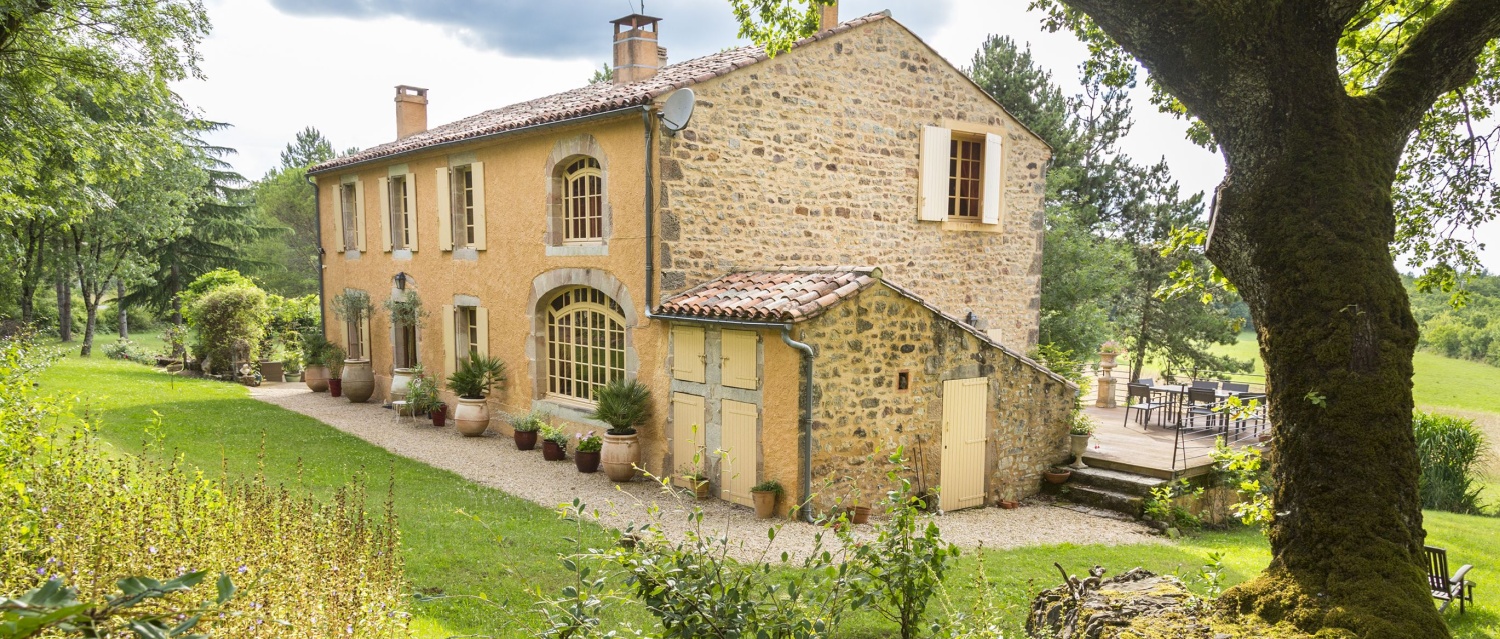
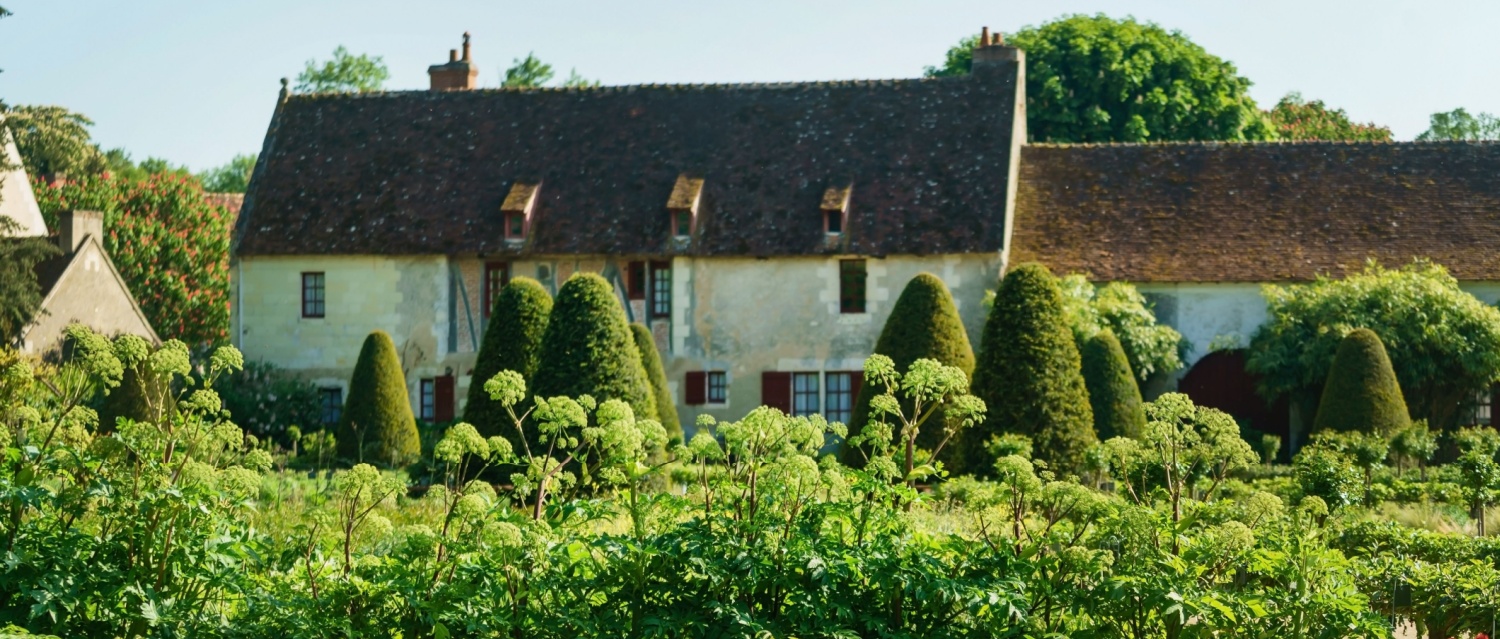
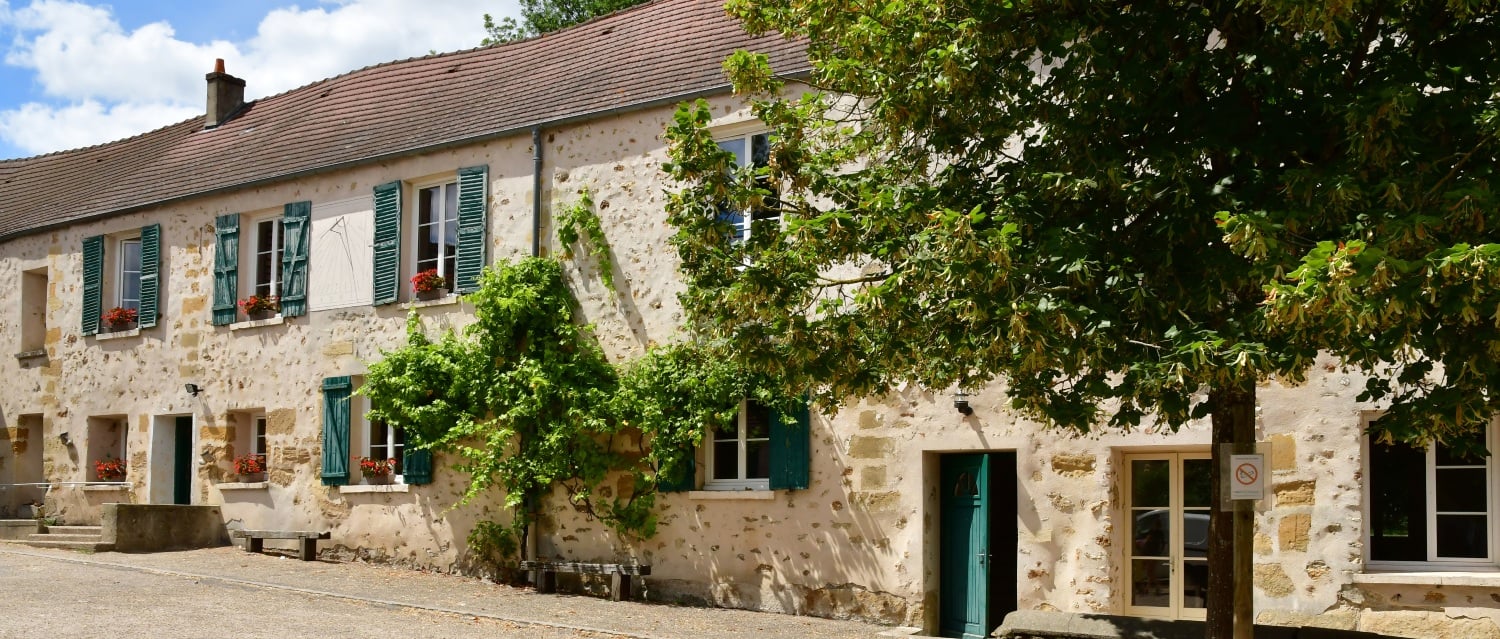
Gîtes come in many forms, from rustic countryside cottages to converted barns and even apartments in historic town centres. Here are some common examples:
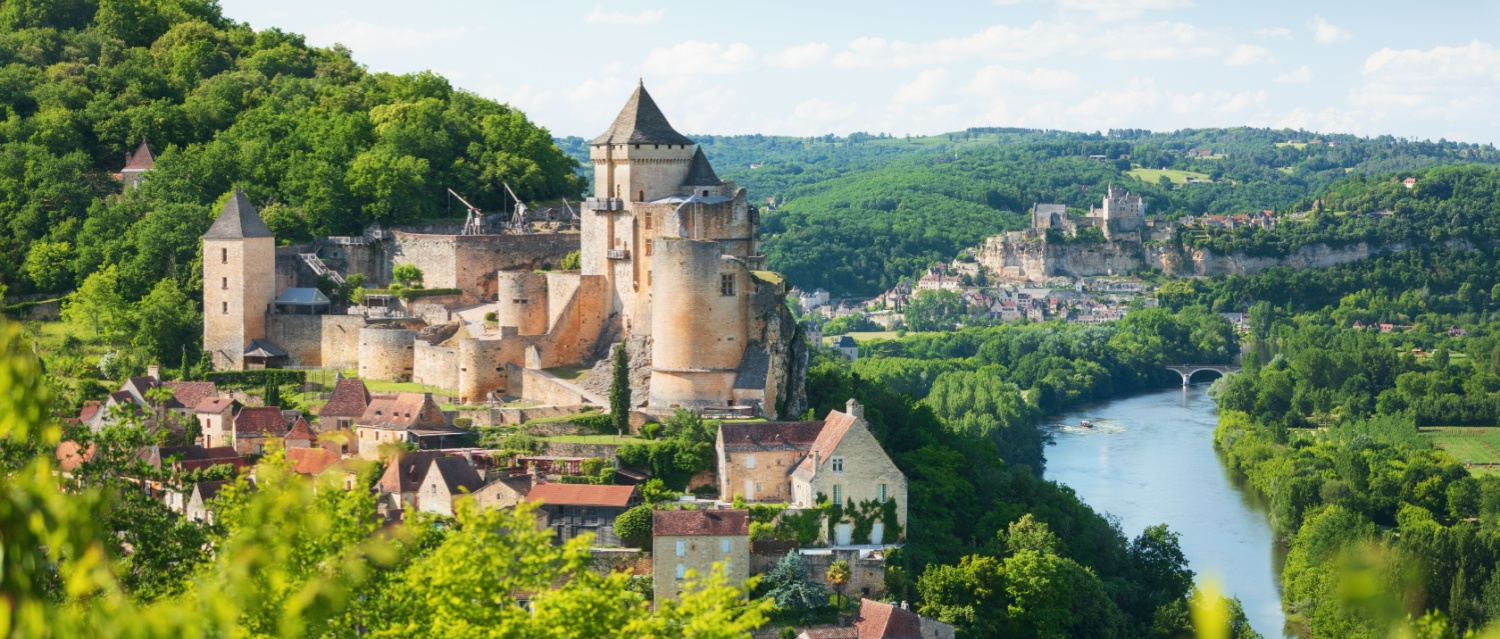
A renovated stone cottage in rural Dordogne sleeping four people, with a private garden and access to a shared swimming pool.
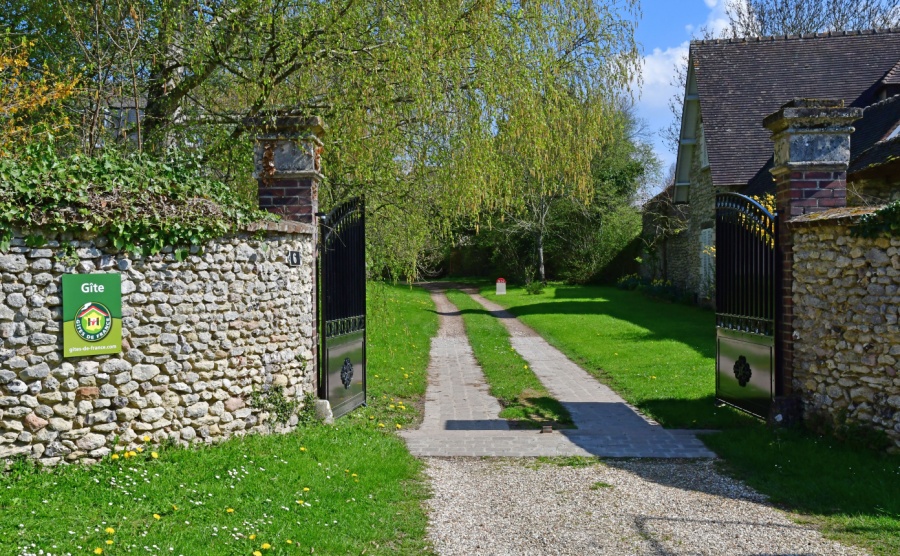
A converted barn in Normandy split into two independent holiday units, each with its own entrance, kitchen and terrace. The owner lives next door and handles cleaning between stays.
A one-bedroom apartment in a Provençal village that is rented out seasonally to couples looking for a sunny escape. It is fully furnished, includes a kitchen and is advertised on platforms such as Airbnb or Booking.com.
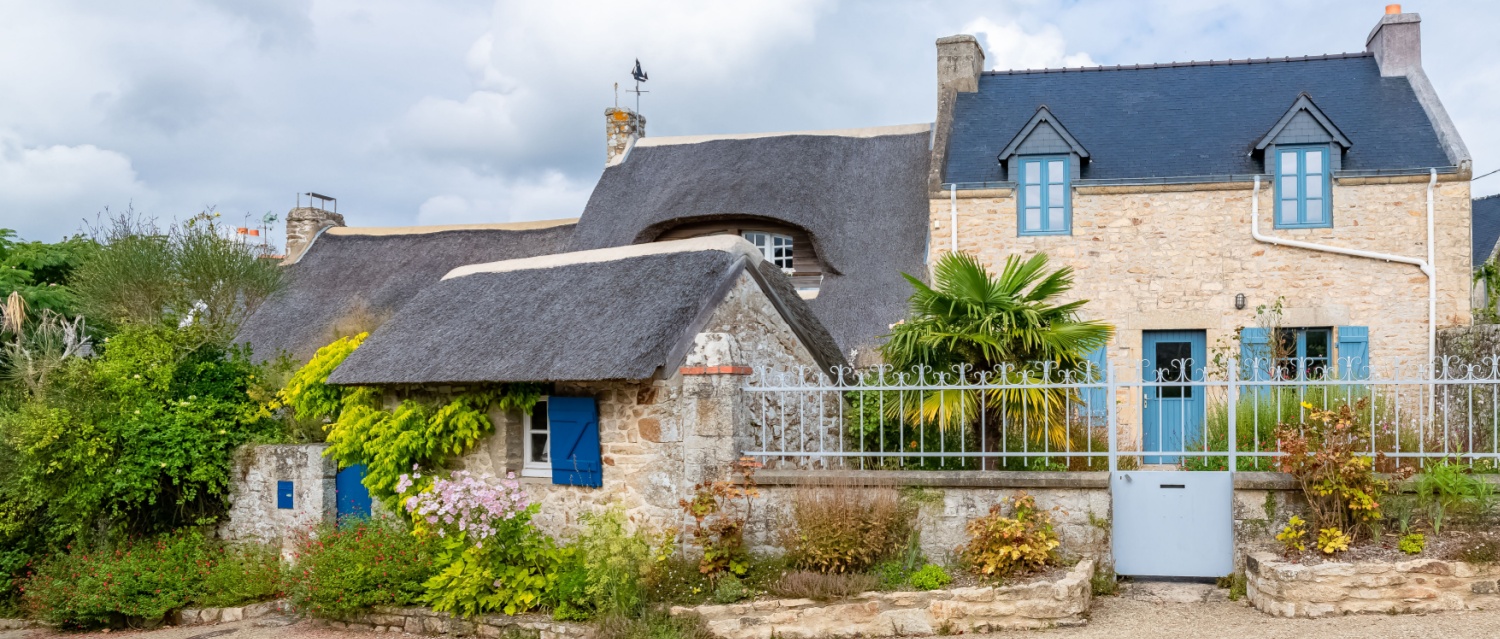
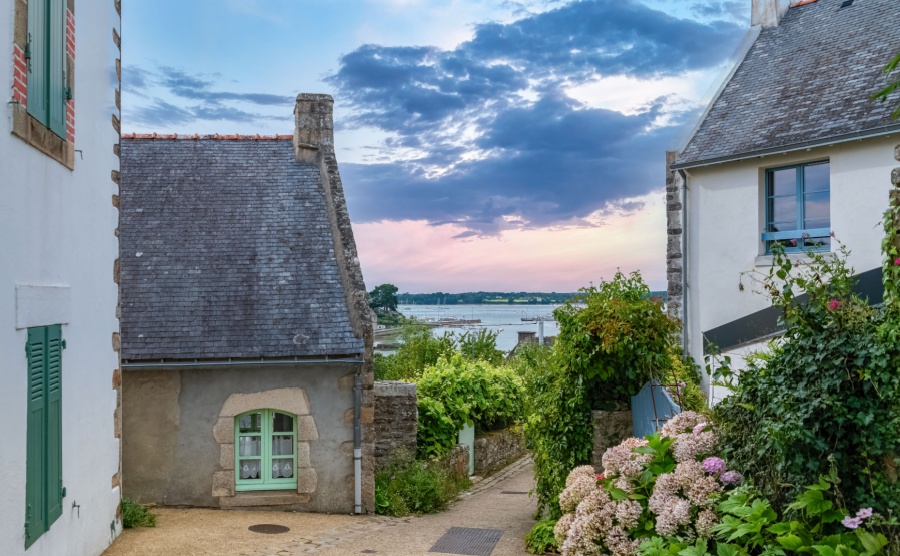
A cluster of three holiday cottages on the same property in Brittany, marketed as a retreat venue for walking holidays or yoga breaks. Each unit is self-contained, but the owner may offer optional extras such as welcome hampers or guided excursions.
In all these cases, the defining feature is that guests rent a complete, furnished property for short-term stays and manage their own meals and daily living.
Tax and your gîte
Income tax and business regime
Income from letting a gîte is taxable in France. The thresholds and flat-rate allowances for furnished tourist accommodation have been updated by the Le Meur law, which came into force in 2025. This law changed some of the benefits previously associated with the micro-BIC regime, which offers a flat-rate expense allowance. Many owners are reviewing which business regime best suits their situation.
Classified and unclassified gîtes
There are important tax differences between gîtes formally rated with a star or key classification and those that are unclassified. A classified gîte has better tax allowances for business that take more than €15,000 per year. But while the higher the income the better the allowances, the accounting requirements are higher too.
A classified gîte is a furnished holiday rental that has been officially inspected and awarded a rating from 1 to 5 stars. The system is national and regulated by Atout France, the country’s tourism development agency.
The classification applies to the property itself, not the owner. It assesses the quality, comfort and facilities offered, rather than the location or guest reviews. Once approved, the classification is valid for five years.
Tourist tax (taxe de séjour)
You must collect tourist tax from guests and remit it to the mairie. The rate varies depending on the local authority and the classification of your accommodation. This tax supports local tourism infrastructure and must be handled correctly from day one.
In France there isn’t a single national-wide rate for the tourist tax (taxe de séjour) that gîte owners must collect. Instead, each municipality (commune or intercommunal authority) sets its own rate, which can vary significantly from place to place. Up to €4 per tourist per night is typical in small towns and rural areas. Only adult guests have to pay.
VAT and additional services
Most basic furnished gîte rentals are exempt from VAT, unless you provide hotel-style services such as daily cleaning or breakfast and are therefore a chambres d’hôte.
Insurance and safety standards
Insurance is a legal necessity for any gîte business. You need separate liability and property insurance that covers holiday lets; standard home insurance won’t usually suffice once you start letting to guests. Ensuring safety standards – like smoke alarms, fire extinguishers and safe access – is also critical to protect guests and your business.
There are especially strong rules if your gîte includes a swimming pool. Energy performance matters more each year. France’s DPE system rates properties from A to G. While short-term lets are not yet subject to the same restrictions as long-term rentals, improving insulation and heating efficiency will reduce your bills and attract eco-conscious guests.
Before welcoming your first guests, you must register your gîte properly. Furnished holiday rentals fall under the location meublée de tourisme category. You must declare the activity at your local mairie. In some areas, particularly larger cities, additional authorisation may be required.
For tax purposes, most owners register as LMNP (Loueur en Meublé Non Professionnel). As of 2025, LMNP status generally applies if your annual rental income remains below €23,000 or below 50% of your household income, according to Service-Public.fr. Above that threshold, you may fall under LMP status with different social charges.
Visa and residency considerations for non-EU owners
Owning property in France does not grant the right to live or work there long-term. If you have an EU passport, whether Irish, French, Italian or anything else, you can run a gîte.
For British or American citizens without a visa it is essential to get good legal advice from a Your Overseas Home partner before going too far in your plans, if you hope to run a gîte.
If you plan to manage your gîte personally and live in France for more than 90 days per six months, you’ll need the appropriate visa or residence permit. The usual visa for retirees (Long-Stay Visitor Visa – VLS-TS) does not allow for running a gîte in France.
You may wonder why gîte income does not count as ‘passive’ income. Indeed, long-term rental can come under a passive income visa. However, short-term holiday letting such as running a gîte in France is far from passive, involving welcoming guests, cleaning, marketing and collecting tourist tax.
However, some people use the passive income visa while they buy a property and settle in.
You can then apply for the appropriate visa. These include:
1. Long-Stay Visa Entrepreneur / Profession Libérale (VLS-TS Entrepreneur)
This is the most common route for overseas buyers who want to operate a gîte as a business. it’s for non-EU nationals planning to create or run a small business in France, including furnished tourist accommodation.
You’ll need to provide a credible business plan, evidence that the activity will generate sufficient income, proof of financial resources and relevant experience or qualifications (if applicable)
2. Talent Passport – Business Creation
This is a more specialised option for entrepreneurs investing a substantial amount into a business in France, and is less common for small gîte projects. You must demonstrate a significant investment, a serious business plan and economic contribution to France.
This route is generally more suited to larger commercial ventures rather than a single rural holiday cottage. However, it could apply if you are developing multiple properties or a larger hospitality concept.
Choosing the right location for your gîte
Location will shape your occupancy rates, your pricing power and your long-term enjoyment of the property. France offers opportunity beyond the obvious hotspots. Provence, the Dordogne, the coastal resorts of Normandy and Brittany remain popular. But tourists are increasingly looking to regions away from the Instragramming hordes, and so can you. Quieter parts of Occitanie, Nouvelle-Aquitaine, and inland Normandy and Brittany offer lower property prices and lighter competition.
Start by researching visitor numbers and season length. Coastal regions may enjoy strong summer demand but quieter winters. Ski areas offer dual seasons if marketed well. Inland rural areas can succeed if they offer walking routes, cycling trails, vineyards or historic towns nearby.
Study the competition carefully. Search major booking platforms and note pricing, facilities and guest reviews. If there are already 30 similar cottages within five kilometres, you will need a clear point of difference.
Access matters. Guests want straightforward driving routes, nearby airports or train stations and clear directions. In 2025, many travellers combine remote working with holidays, so reliable broadband is now a serious selling point.
Finally, think emotionally. Why would someone choose your area over Spain or Italy? If you can answer that convincingly, you are on the right track.
Preparing and equipping your property
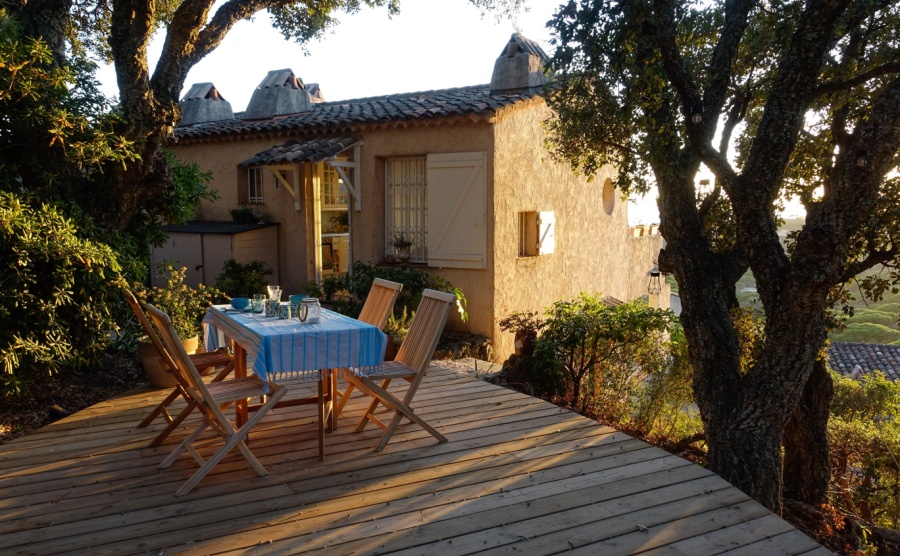
No one books a French holiday to sit indoors all week. Outdoor space is a major asset. Even a small terrace with a table and comfortable seating can transform your listing photos. If you have room, add sun loungers, shade and simple landscaping. Guests remember where they drank their morning coffee.
A roster of 5-star reviews is an absolute essential when running a gite in France. Focus on comfort and durability. Invest in quality mattresses, decent pillows and generous towels. Provide a well-equipped kitchen with sharp knives, proper wine glasses and enough crockery. Think about what would frustrate you on holiday and remove that problem.
Safety is not optional. Smoke alarms are mandatory in all French homes under Law No. 2010-238. Install carbon monoxide detectors if you use gas or wood burners. Ensure staircases have secure handrails and exterior lighting works properly.
Simple touches create warmth. Neutral décor, local artwork and a welcome basket with regional produce go a long way. Guests want authenticity, not clutter.
Marketing and managing your gîte
Great photos and clear descriptions are non-negotiable. Most guests will find you online. Listing on platforms such as Airbnb or Booking.com offers reach, but they charge commission. A simple website with direct booking capability can reduce fees and build repeat business.
Social media remains powerful when used consistently. Share seasonal images, local events and guest testimonials. Encourage satisfied visitors to leave reviews. Positive ratings directly influence booking algorithms.
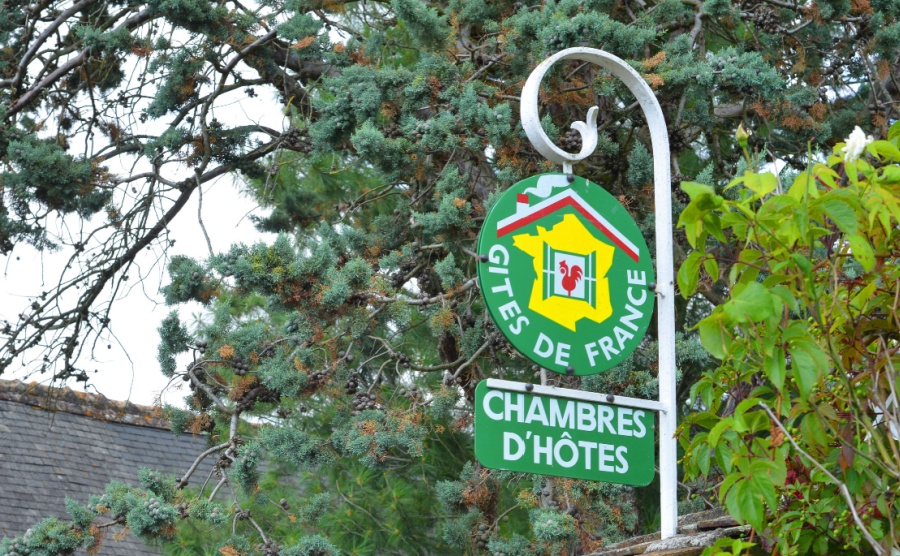
Consider applying for classification or a recognised label such as Gîtes de France or a website such as Sawdays Special Places to Stay. While there are criteria to meet, the branding can increase visibility and reassure guests.
On the ground, management matters. If you live locally, personal check-ins build loyalty. If you live abroad, appoint a reliable property manager. They can handle cleaning, maintenance and emergencies. Clear communication prevents negative reviews.
Smart technology helps. Key safes, smart thermostats and automated messaging systems save time. Still, hospitality is about people. Respond quickly, solve problems calmly and treat guests as you would friends.
Pricing strategy and budgeting for profit
Setting the right price is a balancing act. Research comparable properties carefully. Look at peak and off-peak rates, cleaning fees and minimum stay rules. Overpricing leads to empty weeks. Underpricing reduces profitability and can attract the wrong market.
Map out every expense. Include utilities, internet, insurance, local taxes, platform commissions, cleaning, laundry and maintenance. Do not forget taxe de séjour, which you may need to collect from guests on behalf of the commune.
Seasonality will affect cash flow. Many rural gîtes earn most of their income between May and September. Build a reserve fund to cover quieter months.
If your home currency is not the euro, exchange rate movements can alter your real returns. A specialist currency provider can help you manage transfers efficiently and protect your margins.
Be realistic in year one. Occupancy often builds gradually as reviews grow. With careful planning and consistent service, your gîte can become both financially rewarding and personally fulfilling.