

Moving full-time to France, whether for work or retirement, has been a dream for many British, American, Scandinavian and other nationalities. There’s something about the French lifestyle, culture and landscapes that is so appealing.
But since Brexit, and for all non-European Union citizens, there are processes and hoops to go through. So how do you get residency in France? What is the difference between residency and visas, and what difference does buying a property there make? Whether you’re making a permanent move or you just want to stay longer than 90 days, here’s what you need to know.
Contents
- Short-term residency in France for non-EU citizens
- Short-term residency in France for EU citizens
- Long-term residency in France
- Other long-stay visa options
- Validating your long-stay visa
- How to apply for residency in France
- How to apply for French citizenship
- Property requirements for a French visa
- FAQs about residency and citizenship in France
The bad news is that France does not offer a “golden visa” scheme for people buying property. Countries like Cyprus and Greece do, and you can see how to get one in our exclusive golden visa guide, free to download here. But purchasing real estate in France does not automatically gain you residency in France.
But the good news is that France does offer a range of visa and residency options, and the barriers to living in France, especially as a retiree, are among the lowest in the world. Here are your options.
If you are looking to retire to France, check out our special special guide:
Short-term residency in France for non-EU citizens
As a non-EU citizen, if you wish to stay in France for more than 90 days within a 180-day period, you will require a visa. This 90-day limit is calculated as a rolling timeframe starting from your first entry into France or any other Schengen country.
Since the start of Europe’s Entry/Exit System (EES), your movements in and out of the Schengen Area will be monitored digitally, so it is not worth trying to cheat the system.
While not all non-EU/EEA citizens enjoy the 90-day visa-free stay, citizens from countries like the UK, USA, Canada, Australia, and New Zealand do benefit from this allowance. A comprehensive list detailing which countries require a visa can be found on the French government website.
If you wish to stay longer than 90 days, you will need to apply for a long-stay visa, formally known as La Visa Long Séjour valant Titre de Séjour (VLS-TS).
Short-term residency in France for EU citizens
EU citizens, as well as those from the European Economic Area (EEA), Switzerland, Andorra, Monaco, San Marino, and the Vatican, are permitted to stay in France without a visa for more than 90 days. All you need is a valid identification document or passport.
If planning to reside long-term in France for reasons such as work, study, family reunification, or retirement, you may need to register with local authorities.

Long-term residency in France
Non-EU citizens wishing to reside in France longer than the standard 90 days are required to apply for a visa. The most common option is the long-stay visa (VLS-TS), which is valid for up to one year.
There are various categories for long-stay visas, allowing for:
- Extended stays for personal reasons or tourism
- Professional opportunities
- Educational pursuits
- Family reunification with French nationals
Additional long-stay visas may require the holder to apply for a residence permit within two months of entering France. This applies particularly in cases such as:
- Being a family member of a French citizen
- Engaging in a liberal or self-employed profession
- Employment as a skilled worker or family of such workers
- Retirees or spouses of retirees
- Artists

Other long-stay visa options
Student visa (Long-Stay Student VLS-TS):
Ideal if you want to enrol in a recognised course, language programme, or similar study, this visa lets you stay for the length of your studies (and can be renewed) while also permitting limited part-time work. See more information here.
Work and talent visas: If you’re relocating to take up employment, start a business, or bring specialised skills, France offers work-focused long-stay visas including the Talent Passport categories. See more details here.
Family and private life visas: These allow spouses and dependants to join French residents or citizens under specific conditions.
Working holiday visa (Permis Vacances-Travail): Available to eligible nationalities aged roughly 18–30/35, this lets you live and work in France for up to a year. Please note it currently does not include the UK or USA, but does cover Australia and New Zealand. See more details here.
Validating your long-stay visa
Upon receiving a long-stay visa equivalent to a residence permit (VLS-TS), you must validate your visa within three months of your arrival in France, which is completed online. This visa is valid for a maximum of one year.
If your visa states ‘carte de séjour à solliciter,’ you must apply for a residence permit within two months of arrival by visiting the local prefecture. Many prefectures allow online appointment bookings for applications.
It is essential to validate your long-stay visa; failing to do so could lead to loss of legal residency in France and difficulties in re-entering the Schengen area. Be mindful of the administrative fees incurred while applying for visas, as these can vary by country. Note that certain exemptions apply for individuals married to French citizens or non-European family members.
Though, that’s not the only mistake you can make…
How to apply for residency in France
If you wish to extend your stay beyond your visa’s validity, you must apply for a residence permit at least two months prior to your visa’s expiry date at the local prefecture. For comprehensive guidance, visit the official prefecture website.
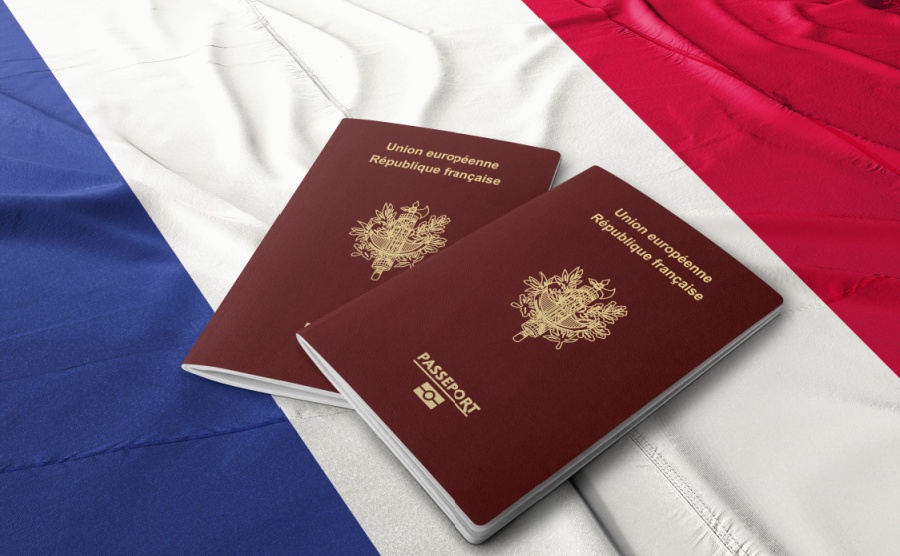
How to apply for French citizenship
After residing in France continuously for five years (or just two years if you have completed higher education in France), you can apply for French citizenship. The application necessitates demonstrating your integration into the community and a strong understanding of French culture.
The citizenship application process can range from 18 months to two years. There are two main pathways for applying: the new NATALI online portal or the traditional method of applying in person at your local prefecture.
The documentation required for citizenship includes your visa and residence permit, and you will need to attend an interview where you may be questioned about your intentions for obtaining citizenship as well as various aspects of French law, history, and culture.
A B1 language exam assesses your French language skills through oral comprehension, discussion, reading, and writing tests. Achieving a score of at least 50% overall, with a minimum of five points in each section, is necessary to pass. Successful candidates will receive their French ID card and passport in a formal naturalisation ceremony, with dependent children also benefitting from the process.
Property requirements for a French visa
Although buying a property in France won’t get you automatic residence, and you don’t need to own a property in France to apply for residence, you do need to show that you have somewhere to live.
When you apply for a French long-stay visa or residence permit, the authorities usually want proof of accommodation. This can be:
- A rented property (long- or medium-term lease)
- A property you own
- Staying with a friend or family member (with an attestation d’hébergement)
- In some cases, temporary accommodation for the initial period
What matters more than ownership is that you can demonstrate:
- Stable accommodation
- Sufficient financial means
- Health insurance
- That you meet the criteria of the specific visa you’re applying for (visitor, student, work, etc.)
Buying a property can support an application — it shows commitment and stability — but it’s not a legal requirement, and many people rent first, get residency, then buy later.
To sum up
While buying a home won’t grant you residency, there are still many compelling reasons to consider buying property for sale in France. From charming cottages to coastal apartments, explore your options while planning your long-term move.
Ready to take the step toward owning property in France? Book a consultation.
For more advice on where to buy property in France or step-by-step guidance on how to buy property in France, browse our expert-written guides to get started with confidence.
FAQs about residency and citizenship in France
Buying property in France does not grant automatic residency. You must still apply for a visa or residence permit if you plan to stay for more than 90 days at a time.
Most non-EU buyers will need a long-stay visa (VLS-TS), valid for up to one year. After that, you must apply for a residence permit through the local prefecture.
You can apply for citizenship after five years of continuous residence (or two years if you studied in France). You’ll need to pass a language test and show cultural integration.
No, France does not offer a golden visa scheme for property investors or buyers. Residency and citizenship applications are based on standard immigration requirements.